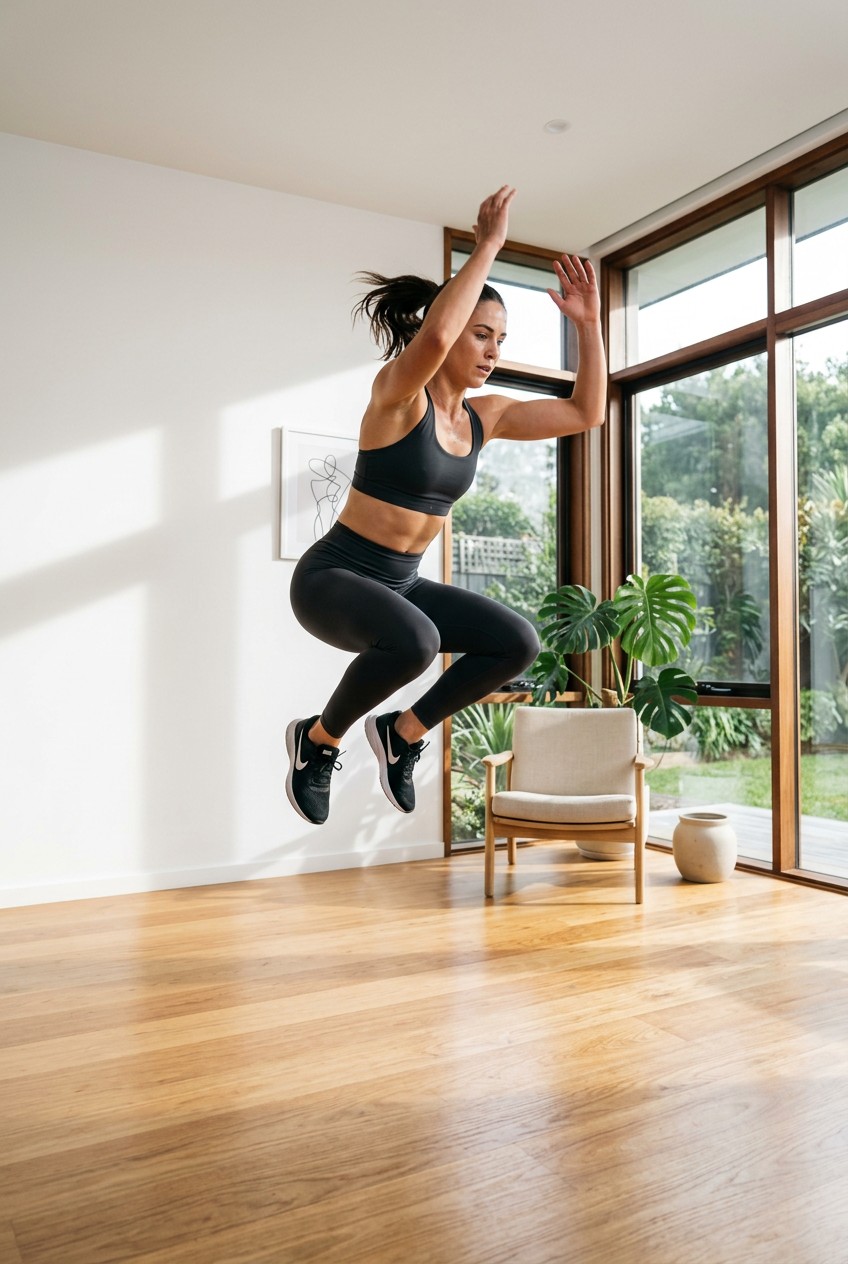
What’s Inside
- Start With A 1:2 Work-To-Rest Ratio
- Keep Your Sessions Under 30 Minutes
- Grab Resistance Bands For Joint-Friendly Burn
- Let AI Apps Program Your Routine
- Hydrate With Exact Measurements
- Never Skip The 10-Minute Warm-Up
- Limit Sessions To Three Times A Week
- Try VR Fitness If You Hate Cardio
- Fuel Up With Carbs And Protein
- Upgrade To A Smart Jump Rope
- Add Exercise Snacks For Busy Days
Last Tuesday at my local Target, I caught my reflection in the sporting goods mirror. I looked like a sweaty, exhausted tomato. I was trying to show off HIIT moves to a buddy over FaceTime, tripped over a $12.99 yoga mat, and bruised my shin on a heavy oak coffee table. The thud was loud enough to wake my dog, who started barking like crazy. People think home HIIT means doing a million burpees until you puke on the rug. I did that wrong for months. I’d go 100 miles an hour, pull a hamstring, and quit for three weeks. It was miserable. It’s not about destroying yourself. I’m Ryan, and I’ve spent the last six years testing every piece of gear, weird supplement, and workout app out there. I know what’s a cheap gimmick and what actually burns fat. You don’t need a massive garage gym or a second mortgage to get in shape. Let’s break down what works without wrecking your joints or your wallet. I’m sharing the strategies that finally stuck, including the painful mistakes that cost me time and money.
1. Start With A 1:2 Work-To-Rest Ratio

When I started home intervals, I thought I had to sprint for a full minute and rest for ten seconds. I ended up dry-heaving in my driveway next to the trash cans. The smell of garbage and my own sweat was a terrible combination. Don’t do that. You’ll want to start with a 1:2 work-to-rest ratio. That’s 20 seconds of intense effort, like squat jumps or burpees, followed by 40 seconds of complete rest. Passive recovery is key. Stand there, put your hands on your knees, and breathe through your nose. I grabbed a simple $19.99 Casio digital watch from Walmart last month to track my intervals. My phone screen kept turning off, which was annoying when you’re covered in sweat. The Casio is cheap, ugly, and works perfectly. Once you build up your endurance, you can shorten the rest. Eventually, you’ll hit a 1:1 ratio, then maybe even 3:1 if you’re a glutton for punishment. But for now, take the full 40 seconds. I tried skipping the rest last year and pulled a groin muscle doing mountain climbers on my hardwood floor. The sharp pain shot up my leg instantly. It’s not worth the ego boost. Keep the intervals strict. Your lungs and joints will thank you later.
2. Keep Your Sessions Under 30 Minutes

If your routine takes an hour, you aren’t doing HIIT. You’re just doing a long, exhausting cardio session that eats away at your muscle. An optimal session lasts between 20 to 30 minutes, including your warm-up and cool-down. I used to push for 45 minutes, thinking more sweat meant more fat loss. I just ended up with fried nerves, a weird eye twitch, and zero energy. I’d stumble into Whole Foods afterward, drained, buying $2.50 Gu Energy Gels I didn’t need just to get my blood sugar back up. Keep it short. Pushing past 30 minutes leads to sloppy form and a massive spike in cortisol. Your body can’t maintain max intensity for that long. I’ve learned this the hard way. Now, I set a digital timer for 25 minutes. When that buzzer goes off, I’m done. I drop my towel and walk away. Even if I feel like I’ve got a little left, I stop. It saves my joints and keeps me from burning out by Wednesday. Short, brutal, and done. That’s the secret.
3. Grab Resistance Bands For Joint-Friendly Burn

Dumbbells are great, but they smash your floors. Plus, a full rack costs a fortune. I’m a huge fan of resistance bands for home intervals. Last winter, I bought a cheap, no-name rubber band at Target for $9.99. It snapped mid-bicep curl and whipped me right in the cheek. The sting brought tears to my eyes and left a red welt for a week. Learned that the hard way. Skip the bargain bin stuff. Invest in a solid set from TheraBand or BandsForResistance.com. A good bundle runs about $20 to $60. You get different tensions for heavy glute bridges or light shoulder raises. They force you to control the movement on the way down, which burns like crazy and builds stability. I’ll loop a heavy blue TheraBand around my heavy oak couch legs for seated rows. It’s quiet, so my neighbors don’t complain about thumping, and it adds serious tension to a 20-second work phase. Plus, they stuff right into a sock drawer. You can’t do that with a 50-pound dumbbell. They travel perfectly too, so I always pack a red band in my carry-on. You might also like: 20 Brilliant Commercial Home Gym Setup Ideas Worth Trying This Year

NICEPEOPLE Adjustable Weight Bench for Home Gym
A dependable everyday pick — NICEPEOPLE Adjustable Weight Bench for Home Gym pulls in 32 ratings at 4.5 stars. Not flashy, just solid.
4. Let AI Apps Program Your Routine

Writing your own circuits gets boring fast. You end up doing the same five moves every week. I’m guilty of this. I did nothing but burpees and walking lunges for six months until my knees screamed at me every time I took the stairs. Now, I let the robots do the thinking. AI fitness apps are taking over in 2026, and they’re worth the hype. I’ve been testing Freeletics AI and Zing Coach lately. They usually cost around $79.99 for an annual subscription. You plug in your fitness level, what equipment you’ve got, and how much time you have. The app spits out a custom routine. If an exercise hurts your shoulder, you tap a button, and it swaps it out instantly. I used Endura last Friday, and it gave me a brutal combo of plyo pushups and side planks. It tracks your speed and adjusts the next workout so you never hit a plateau. It’s like having a trainer in your living room, minus the awkward small talk and the $100 hourly fee. The variety keeps my brain engaged. You might also like: 15 Creative Inside She Sheds Home Gym Setup Ideas to Steal Right Now
5. Hydrate With Exact Measurements

Most guys chug a glass of tap water right before jumping into squat thrusts. That’s a one-way ticket to cramp city. You’ll feel the water sloshing in your gut on the first jump. I did this last month and had to lie on my bathroom tile for ten minutes waiting for the nausea to pass. You need a system. Drink 17 to 20 ounces of water two or three hours before you start. Then, about 20 minutes prior, drink another 8 ounces. During the workout, take small, controlled sips. Aim for 7 to 10 ounces every 10 minutes. If my garage is sweltering during a heatwave, I don’t stick to plain water. I hit up Sprouts and grab a bottle of Pedialyte Sport for $5.49. It tastes a little salty, but it packs the electrolytes you sweat out. I mix half a bottle with ice water in my shaker cup. It keeps my energy from crashing during those final, miserable rounds of jump lunges. Proper hydration makes the difference between finishing strong and quitting. You might also like: 20 Lovely Aesthetic Home Morning Workout Routine to Inspire Your Next Project
6. Never Skip The 10-Minute Warm-Up

Going from sitting hunched over a laptop straight into max-effort sprints is incredibly stupid. I know because I tore a calf muscle doing exactly that in 2022. I was in a rush, skipped the warm-up, and popped something on my first jump. The sound was like a thick rubber band snapping. I couldn’t walk right for a month. You must spend 5 to 10 minutes doing a dynamic warm-up. Arm circles, leg swings, walking lunges. Get warm blood flowing into those cold joints. I bought a huge pack of Kirkland Signature microfiber towels from Costco for $17.99. I lay one down on the carpet and do some light floor stretches before I even look at my timer. Same goes for the cool-down. Spend another 5 to 10 minutes doing static stretches while your heart rate drops. It flushes out the lactic acid so you don’t wake up feeling like you got hit by a cement truck. It adds 20 minutes to your total, but it saves you weeks of expensive physical therapy. Don’t be an idiot like I was. Do the stretches.

OLIXIS Adjustable Weight Bench for Full Body Strength
OLIXIS Adjustable Weight Bench for Full Body Strength Training has been one of the most consistently praised picks in this category. 31 reviewers averaged 4.5/5.
7. Limit Sessions To Three Times A Week

More isn’t better with high intensity. I used to do these circuits five days a week. I thought I was being hardcore. In reality, my sleep went to trash, my joints ached, and I gained a little belly fat. Overtraining spikes cortisol, which messes with your metabolism. Experts say you should cap intense sessions at two or three times a week. You need 24 to 48 hours of recovery between them. On off days, I go for a walk or do light yoga. I use a basic $12.50 foam roller from Amazon Basics to iron out tight quads. The dense foam hurts in a good way, digging into the knots. If you try to go 100 percent every day, your central nervous system will fry. You’ll feel sluggish, and your power output will drop. Keep it to three days. Hit it hard, then rest. Your body changes and builds muscle during recovery, not during the workout. Respect the rest days as much as the work days.
8. Try VR Fitness If You Hate Cardio

Staring at a blank wall while doing high knees is mental torture. I get bored easily. If you struggle with motivation, virtual reality fitness is massive in 2026. I strapped on a headset last weekend and tried FitXR. A monthly subscription is about $9.99. You’re boxing virtual targets flying at your head in a bright neon arena. The visual feedback tricks your brain into forgetting you’re exercising. Research shows VR can boost your mood and make strenuous exercise feel 50 percent easier. I was sweating through my grey t-shirt in ten minutes and didn’t even notice my lungs burning. You can also use Meta Quest Move to track your calories. I used to think VR was just for gamers, but it’s a legitimate cardio tool. Just clear enough space first. I accidentally punched my $45 floor lamp from IKEA while playing a boxing game. The glass shattered everywhere, and the lamp didn’t survive. It was a messy mistake. Now I draw a strict boundary line on my rug before I put the headset on.
9. Fuel Up With Carbs And Protein

Fasted cardio is a huge trend, but it’s terrible for this training style. If you try max-effort jump squats on an empty stomach, you’ll get dizzy and your power output will tank. I tried a fasted session last year and nearly passed out on my kitchen floor. My vision went blurry. You need fuel. Eat a small meal with complex carbs and lean protein about two hours before you start. I usually eat half a cup of plain oatmeal with a scoop of chocolate whey. After the workout, you’ve got a 30 to 60-minute window to replenish glycogen. You want a 3:1 ratio of carbs to protein. I swear by the frozen mixed berries from Trader Joe’s. A big bag is $3.99. I blend a cup of those berries with one scoop of vanilla protein powder and 8 ounces of unsweetened almond milk. It tastes incredible, kills the post-workout shakes, and gives your muscles what they need to repair. Skip the fat-free stuff. It tastes like wet cardboard. Real food helps your body recover faster so you aren’t sore for three days.
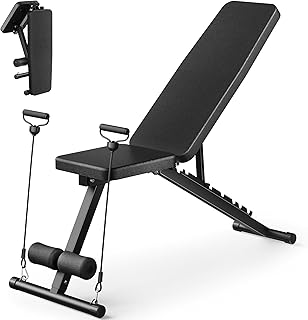
Adjustable Weight Bench for Home Gym
Honestly, Adjustable Weight Bench for Home Gym surprised me — sturdier than it looks in the photos, and over 517 buyers gave it 4.5 stars.
10. Upgrade To A Smart Jump Rope

Jumping rope is the ultimate cheap cardio, but counting your own skips is annoying. I always lose track around fifty and guess the rest. I recently upgraded my gear and it changed my routine. I grabbed the Tangram Smart Rope Pure for $59.95. It connects to your phone via Bluetooth and tracks every jump, calories burned, and duration. The LED lights flash your jump count in mid-air. If you want something heavier, the Crossrope sets range from $88 to $168. They’ve got weighted cables that roast your shoulders. I use a 1/2 pound Crossrope for my 30-second intervals. It forces you to engage your core just to swing the thick cable. A quick warning: do not use these on raw concrete without a mat. I ruined a $90 rope in three weeks by grinding the plastic coating against my driveway. Buy a cheap rubber mat. It protects the expensive rope and saves your ankles from the impact. It’s a small investment that extends the life of your gear.
11. Add Exercise Snacks For Busy Days

Some days, finding 30 spare minutes is impossible. That’s when I use exercise snacks. It’s a huge trend for busy people. You do a brutal 5 to 10-minute micro-workout and go back to your day. I do three of these 10-minute bursts spread out over a twelve-hour shift. Studies show it gives you similar benefits to one long session. To make these effective, I keep a single piece of iron in my home office. I bought a 25-pound CAP Barbell kettlebell for $45 at Kroger. They had a random fitness aisle promotion next to the pharmacy. I shut my office door, set a timer, and do alternating kettlebell swings and goblet squats for eight minutes. It spikes my heart rate instantly. The texture of the cast iron handle is rough, so it doesn’t slip when my palms get sweaty. It’s the perfect tool for a fast, dynamic full-body hit. No excuses about lacking time. Just grab the bell and move. It wakes me up better than a third cup of black coffee.
Look, getting fit in your living room doesn’t require a $2,000 treadmill or a miserable, restrictive diet. I’ve tested all this stuff so you don’t have to make the same dumb mistakes I did. Stick to the short intervals, respect your rest days, and buy gear that actually lasts. I personally swear by the kettlebell and resistance band combo. It’s cheap, fits in a tiny closet, and delivers brutal results if you put in the effort. If you found this helpful, pin it for your next workout day. Go grab some water, set your timer, and get moving.
Frequently Asked Questions
How often should I do hiit workouts at home?
You shouldn’t do them every day. Stick to two or three sessions a week. Your central nervous system needs 24 to 48 hours to recover. Overtraining just spikes your cortisol and ruins your sleep.
Do I need expensive equipment for home intervals?
Not at all. I’ve gotten brutal workouts using just a $20 set of TheraBands or a single 25-pound kettlebell. Start with cheap, versatile gear before dropping money on a fancy smart bike.
How long should a home HIIT session last?
Keep it between 20 and 30 minutes. If you’re going longer than that, you aren’t pushing hard enough during the intervals. That timeframe includes your warm-up and your cool-down.
Should I do high intensity intervals on an empty stomach?
I don’t recommend it. Fasted intervals usually lead to dizzy spells and terrible power output. Eat a small meal with complex carbs and protein about two hours before you start sweating.
