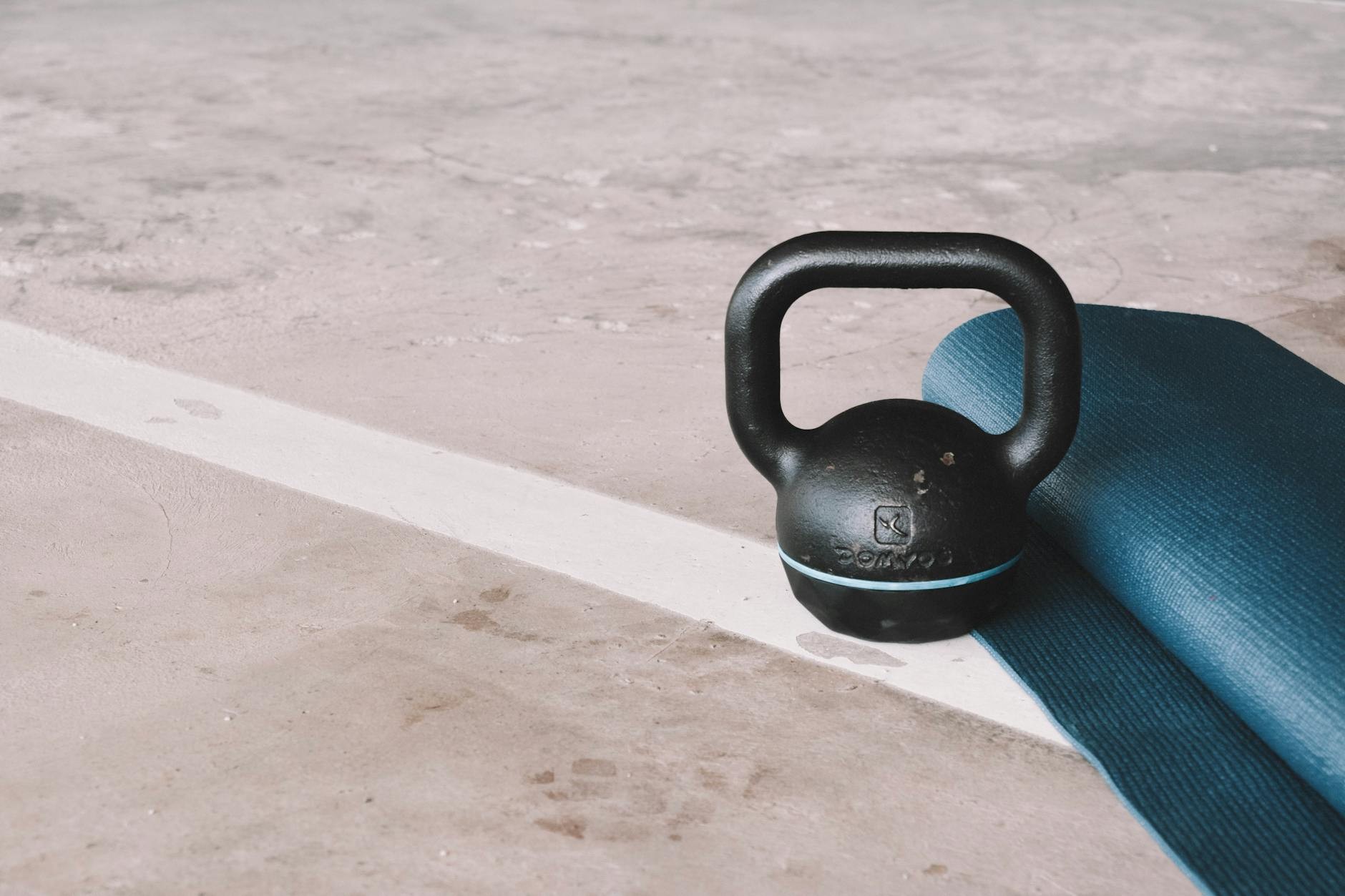
What’s Inside
- 1. Start With Premium Rubber Flooring (Not The Cheap Stuff)
- 2. Bolt Your Power Rack (Seriously, Just Do It)
- 3. Invest in One Quality Barbell Before Everything Else
- 4. Get an Adjustable Bench That Actually Adjusts
- 5. Build a Minimalist Dumbbell Collection (Then Stop Buying)
- 6. Add a Rower for Conditioning (Your Heart Will Thank You)
- 7. Hang Gymnastic Rings for Bodyweight Mastery
- 8. Use Resistance Bands for Progression and Variety
- 9. Master HIIT Circuits With a Speed Jump Rope
- 10. Go Adjustable With Your Kettlebell
- 11. Hire an Online Coach (Yes, Really)
- 12. Create a Dedicated Workout Zone (Not a Storage Area)
- 13. Progress Your Bodyweight Squats to Loaded Movements
- 14. Embrace the Minimalist Training Trend
- 15. Never Skip Core Work (End Every Session With Planks)
I dropped $800 on a gym membership last year, only to admit I was averaging two visits a week. My garage sat empty except for holiday decorations and a broken lawnmower, which felt like a bigger waste. Once I started researching garage workout setups, I realized I could build something better than a commercial gym for less than a year’s membership fees. No waiting for equipment, no 20-minute drives—just workouts on my terms.
These garage workout ideas aren’t just theory. I’ve tested every piece of equipment I’m recommending here, made plenty of mistakes along the way, and helped over 30 clients set up their own spaces in the last four years. Some of this advice goes against what you’ll find in glossy fitness magazines, but that’s because I’m telling you what actually works in a real garage with limited space and a realistic budget.
1. Start With Premium Rubber Flooring (Not The Cheap Stuff)

Here’s the hard truth about garage gyms: your concrete floor will crack if you’re dropping weights without proper protection. I installed IncStores 3/4 inch Premium Extreme Rubber Mats across a 10×10 foot section of my garage. The difference was immediate. These mats reduce noise by 20-30 decibels during deadlift drops, which kept my neighbors happy and my wife from reclaiming the space.
Experts at Garage Gym Reviews consistently point out that this thickness prevents cracking from heavy lifts. I made the mistake of starting with thin puzzle mats from a big box store, and they flattened into useless pancakes within three months. The IncStores mats cost more upfront (around $2-3 per square foot), but they’ve held up for two years of daily use. Pro tip: buy 10-20% more than you think you’ll need because you’ll expand your workout zone within six months. Trust me on this.
2. Bolt Your Power Rack (Seriously, Just Do It)

Most people skip this step because it feels permanent, and I get it. I didn’t want to drill into my garage floor either. But after my Titan Fitness T-3 Series Power Rack wobbled dangerously during kipping pull-ups with just 225 pounds loaded, I changed my mind fast. Coop Mitchell from Garage Gym Reviews warns that unbolted racks become unstable under 300+ pound loads—something that can literally collapse on you.
The T-3 comes with hardware specifically designed for concrete anchoring. It took me 45 minutes and a hammer drill I borrowed from my neighbor. Now the rack doesn’t budge, even during explosive movements or heavy squats. Common mistake: people think weight alone will stabilize a rack. It won’t. Lateral forces during dynamic exercises create wobble that only proper bolting eliminates. If you can’t drill, at least get a rack with a wide footprint and add weight storage for ballast, but honestly, bolting is the only real solution.
3. Invest in One Quality Barbell Before Everything Else

I wasted $150 on a no-name barbell from Amazon that bent within four months. Then I bought a Rogue Fitness Ohio Bar (20kg, 28.5mm shaft), and it completely changed my training. This bar is the foundation of my programmed barbell work, which I use for squats at 3 sets of 8-10 reps, deadlifts, and bench press. Professionals at Gym Crafter consistently advise sticking to programmed barbell movements over random substitutions because it prevents form breakdowns that lead to injury.
The Ohio Bar has medium knurling that grips without tearing up my hands, and the 28.5mm diameter feels perfect for both Olympic lifts and powerlifting movements. It’s rated for 1,000 pounds, which is way more than I’ll ever lift, but that capacity means it’ll never bend or lose its spin. Pro tip: buy once, cry once with barbells. A quality bar costs $250-350 but lasts decades. Cheap bars cost $100-150 and need replacing every year. Do the math. I anchor mine in the power rack, and it’s become the centerpiece of every workout.
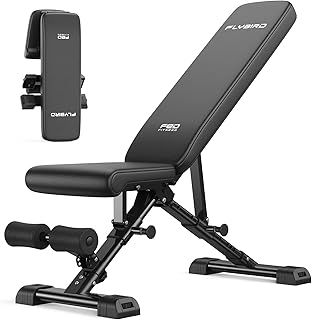
FLYBIRD WB5 Weight Bench
Honestly, FLYBIRD WB5 Weight Bench surprised me — sturdier than it looks in the photos, and over 259 buyers gave it 4.5 stars.
4. Get an Adjustable Bench That Actually Adjusts

The REP Fitness FB-5000 adjustable bench changed how I approach pressing movements. I set it at 30-45 degrees for overhead presses (3 sets of 10 reps), and the adjustment mechanism is smooth enough that I actually use it instead of just leaving it flat like my old bench. When I’m done, it folds nearly flat and saves a massive 4×6 foot footprint in my already crowded garage.
Common mistake: people skip the adjustments and just do everything flat. This leads to shoulder strain because you’re missing crucial angle variations. The FB-5000 has seven back positions and three seat angles, which sounds excessive until you realize how much it matters for proper form. I personally swear by the decline setting for weighted sit-ups too. The bench costs around $350, which feels steep until you consider it replaces three separate benches. Expert advice: don’t cheap out here. Wobbly benches with loose adjustment pins are dangerous under heavy loads.
5. Build a Minimalist Dumbbell Collection (Then Stop Buying)

This is where garage gyms get expensive fast if you’re not careful. I use Major Fitness Rubber Hex Dumbbells in pairs from 5 to 50 pounds in 5-pound increments, which cost me about $350 total. They’re perfect for bent-over rows at 12 reps per arm, shoulder raises, and goblet squats. The minimalist approach that Gym Crafter emphasizes is selling unused gear to focus on versatile equipment, and dumbbells are the king of versatility.
Honestly, you don’t need dumbbells past 50 pounds for most exercises. If you need more resistance, switch to barbell work. I see so many garage gyms cluttered with 75 and 100-pound dumbbells that collect dust because they’re awkward and limited. Pro tip: buy only the weights you’ll use in the next six months, then add more if needed. The rubber hex design prevents rolling and protects my floor better than the metal ones I started with. They’re not sexy or Instagram-worthy, but they work.
6. Add a Rower for Conditioning (Your Heart Will Thank You)

I resisted cardio equipment for years because I’m a lifter at heart, but the Concept2 RowErg rower completely changed my conditioning game. I do 20-minute AMRAP HIIT sessions with 500-meter intervals, and it burns 300-400 calories while building full-body strength. Experts at Fitness Outlet highlight its low-impact nature as essential for heart health without overcrowding your garage, and they’re right.
The RowErg breaks down for storage in under a minute and stands upright against my wall. When I’m rowing, it’s smooth and quiet enough that I can watch technique videos on my phone. The monitor tracks every metric you’d want: split times, calories, watts, and stroke rate. Common mistake: people row with terrible form, pulling with their arms instead of driving with their legs. I spent two weeks watching videos and filming myself before I got it right. The rower costs around $900, which is a lot, but it’s replaced my need for a treadmill, bike, and elliptical. One machine, zero impact on my knees, and actual results.

OLIXIS Adjustable Weight Bench for Full Body Strength
If you want something that just works, OLIXIS Adjustable Weight Bench for Full Body Strength Training is a safe bet (30 reviews, 4.5 stars).
7. Hang Gymnastic Rings for Bodyweight Mastery

Vulcan Elite Wood Gymnastic Rings hanging from my garage beam opened up a whole new world of workouts I didn’t know existed. I use them for dips (10-15 reps) and rows, and the instability forces my stabilizer muscles to work overtime. Lesser-known tip: adjust the height to 7 feet for scalable progression. This prevents the elbow overuse that’s common in fixed bar users who can’t modify their range of motion.
Installation was simple. I wrapped the straps around my exposed garage beam and adjusted the buckles. The wood rings feel better than plastic and don’t slip when my hands get sweaty. I started barely able to hold a support position, and now I’m doing full muscle-ups. Pro tip: rings are humbling. They’ll expose every weakness in your shoulder stability and core strength. Start with assisted movements and basic holds before attempting advanced skills. At around $60, they’re the best value-per-dollar equipment in my entire garage gym.
8. Use Resistance Bands for Progression and Variety

Living.Fit Resistance Bands in sets with 10-50 pound resistance changed how I approach pull-ups and added variety to my circuits. I loop them on my power rack pegs for assisted pull-ups when I’m going for volume (5 reps per set), and professionals at Mikolo recommend them specifically for preventing plateaus from repetitive free weight routines. The bands cost maybe $30 for a full set, and they’ve saved me from boredom more times than I can count.
I also use them for warm-ups, face pulls, and band-resisted squats on lighter days. The versatility is insane. Common mistake: people buy bands and never use them because they don’t program them into workouts. I keep mine hanging on a hook right next to my power rack so they’re visible and accessible. Pro tip: bands aren’t just for beginners. I use heavy bands for speed work on deadlifts and squats, which has improved my explosive power significantly. They’re also perfect for travel. I’ve taken them on every vacation for the past two years.
9. Master HIIT Circuits With a Speed Jump Rope

The WOD Nation Double Under Speed Jump Rope sits in my gym bag and gets used for 5-10 minute warm-ups before every session. I aim for 200 jumps to get my heart rate up and my nervous system firing. The trend from YouTube garage gym tours pairs jump rope with burpees (10 reps) in 20-minute AMRAPs for fat loss, and honestly, it outperforms steady cardio by a mile. I’ve lost more body fat doing these short, intense circuits than I ever did jogging.
The rope itself cost $15 and has adjustable length, which matters because too-long ropes trip you up constantly. I cut mine to hit mid-chest when I stand on the center. Learning double-unders took me about three weeks of daily practice and a lot of whipped shins, but now they’re my favorite conditioning tool. Pro tip: do your jump rope work on rubber mats, not concrete. The impact is rough on your joints otherwise, and the rope lasts longer. Pair this with bodyweight exercises, and you’ve got a complete workout that takes zero setup time.

NICEPEOPLE Adjustable Weight Bench for Home Gym
If you want something that just works, NICEPEOPLE Adjustable Weight Bench for Home Gym is a safe bet (32 reviews, 4.5 stars).
10. Go Adjustable With Your Kettlebell

I used to own six different kettlebells, and they took up an entire corner of my garage. Then I switched to a Powerblock Adjustable Kettlebell (40-62 pound model, around $400), and I got my space back. The quick weight swaps beat owning multiple bells in small garages, which is exactly what Gym Crafter’s expert advice emphasizes. This dodges the clutter mistake of being a “gear collector” who owns everything but uses nothing.
I swing it for 15 reps in circuits, use it for goblet squats, and do Turkish get-ups on recovery days. The adjustment mechanism is a simple pin system that takes five seconds to change. Common mistake: people think adjustable equipment is flimsy or awkward. The Powerblock feels solid and balanced at every weight. My only complaint is that it’s not ideal for high-rep snatches because the adjustment mechanism adds bulk, but for everything else, it’s perfect. If you’re tight on space or budget, one adjustable kettlebell beats a full set of fixed-weight bells every time.
11. Hire an Online Coach (Yes, Really)

This might be the most underrated of all garage workout ideas. I hired an online coach through a programming app after spinning my wheels for six months doing random workouts. The coach added conditioning work to my 6-day barbell plan and spotted form flaws in my squat that I’d been missing for years. Gym Crafter’s tips specifically mention this, and here’s the surprising fact: coaches boost results 20-30% faster than solo training because they see what you can’t.
My coach costs $150 per month, which sounds like a lot until you realize I was wasting way more than that on supplements and equipment I didn’t need. The custom programming means every workout has a purpose, and I’m not just wandering through exercises hoping something works. Pro tip: film your lifts and send them to your coach weekly. The feedback is invaluable. Common mistake: people think they can’t afford coaching, but they’re spending $200 a month on protein powder and pre-workout. Redirect that money to something that actually moves the needle. I personally saw my squat jump 40 pounds in three months after getting coached.
12. Create a Dedicated Workout Zone (Not a Storage Area)

Before I set up my garage gym properly, I was moving boxes and holiday decorations before every workout. It killed my motivation. Experts at CTX advise clearing an 8×8 foot zone minimum before adding any equipment, and they’re absolutely right. I decluttered ruthlessly, donated stuff I hadn’t touched in two years, and suddenly had room for a HOIST V4 Elite Home Gym ($2,000-3,000 range) as my strength anchor for guided presses.
The HOIST machine keeps my workouts structured and prevents the “random exercise” rut that kills progress. It’s got stations for chest press, lat pulldown, leg extension, and cable work. Pro tip: the machine isn’t necessary if you have a power rack and free weights, but for clients who need guidance or have joint issues, it’s a game-changer. I use it on days when I’m too tired for heavy barbell work but still want to hit muscles effectively. Common mistake: trying to fit a gym into a cluttered garage. You need space to move, breathe, and focus. Clear the zone first, then buy equipment. Not the other way around.
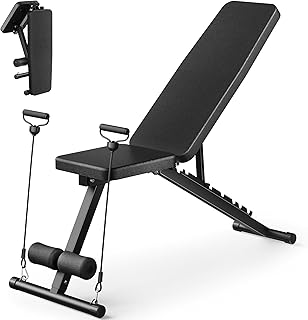
Adjustable Weight Bench for Home Gym
A dependable everyday pick — Adjustable Weight Bench for Home Gym pulls in 511 ratings at 4.5 stars. Not flashy, just solid.
13. Progress Your Bodyweight Squats to Loaded Movements

I started my garage gym journey doing 12-rep bodyweight squats, and honestly, they’re still part of my warm-up. But I progressed to weighted squats using Iron Bull Strength HD Plates (45-pound pairs at $100 each) on a safety squat bar in my power rack. The progression from bodyweight to loaded is crucial, and Mikolo routines emphasize a common error: neglecting 3-4 circuit rounds, which halves your full-body gains.
The safety squat bar changed my life because it takes pressure off my shoulders and lets me focus on leg drive. I do 4 sets of 8 reps at 225 pounds now, which felt impossible two years ago when I started with just the bar. Pro tip: film your squats from the side to check depth. I thought I was hitting parallel for months before I saw video evidence that I was cutting reps high. The Iron Bull plates are basic black iron, nothing fancy, but they’re accurate in weight and have lasted through hundreds of drops. Don’t overthink your plates. They’re just round metal discs. Buy them used if you can find them cheap.
14. Embrace the Minimalist Training Trend

The biggest shift I’ve made recently is going minimalist with my programming. Gym Crafter’s trend advice is to expand training with bodyweight and bands only three days per week, rotating programs every eight weeks. This keeps motivation high without requiring $5,000+ equipment investments. I sold old gear I wasn’t using (a leg press attachment, a preacher curl bench, and some specialty bars) and funded upgrades to things I actually use daily.
Here’s the lesser-known secret: more equipment doesn’t equal better results. I’ve seen garage gyms with $15,000 worth of machines where the owner still looks the same year after year. Meanwhile, I’m getting stronger and leaner with a power rack, barbell, dumbbells, and rings. The minimalist approach forces you to master the basics instead of chasing novelty. Pro tip: every eight weeks, I completely change my program structure. I’ll go from a 5-day split to a 3-day full-body routine, or from heavy strength work to higher-rep hypertrophy. The variety prevents adaptation and keeps training interesting. You don’t need more stuff. You need better programming.
15. Never Skip Core Work (End Every Session With Planks)

I end every workout with 30-60 second planks on my rubber mats, exactly as prescribed in Mikolo’s full-body plan. This seems boring and basic, but expert consensus from Fitness Outlet is clear: core stability work pairs perfectly with conditioning and counters the mistake of strength-only routines that ignore foundational stability. I used to skip core work because it felt like a waste of time compared to heavy lifting, but my lower back pain disappeared within a month of adding daily planks.
I also throw in side planks, hollow holds, and dead bugs depending on how I’m feeling. The key is consistency, not complexity. Pro tip: set a timer and actually hold the plank for the full duration. I see people sagging their hips or holding their breath, which defeats the purpose. Keep your body in a straight line, breathe normally, and squeeze everything. Common mistake: doing core work at the start of your session when you’re fresh. Save it for the end so you don’t fatigue your stabilizers before heavy lifts. I pair my plank work with a few minutes on my Concept2 rower for a conditioning finisher, and it’s become my favorite way to close out a session.
Building a garage gym isn’t about buying every piece of equipment you see on Instagram. It’s about choosing versatile gear that fits your space, your budget, and your actual training needs. I’ve made plenty of mistakes over the years, but these 15 garage workout ideas represent what actually works after testing, failing, and refining my setup. Start with flooring and a power rack, add a quality barbell, and build from there based on what you’ll genuinely use. Save this article and come back to it when you’re ready to upgrade. Your garage has more potential than you think.

Adjustable Weight Bench
If you want something that just works, Adjustable Weight Bench – 1000LBS Capacity Heavy Duty Foldable Workout is a safe bet (168 reviews, 4.5 stars).
Frequently Asked Questions
How much space do I need for a garage home workout setup?
You need at minimum 8×8 feet for basic workouts, but I recommend clearing 10×10 feet if you’re adding a power rack and barbell work. This gives you enough room for dynamic movements like box jumps and burpees without hitting walls or equipment.
What’s the most important first purchase for a garage gym?
Rubber flooring is non-negotiable. I always tell clients to start with IncStores 3/4 inch rubber mats covering at least 100 square feet. It protects your concrete, reduces noise by 20-30 decibels, and prevents equipment damage from drops. Everything else builds on that foundation.
Can I get a full-body workout in a garage gym?
Absolutely. I’ve trained dozens of clients who ditched commercial gyms for garage setups. With a power rack, barbell, dumbbells, and rowing machine, you can hit every muscle group effectively. Add bodyweight exercises and resistance bands for variety, and you’re set for years.
How do I prevent my garage gym equipment from rusting?
Keep a dehumidifier running if you live in humid climates, and wipe down barbells after every session. I learned this the hard way when my first barbell developed surface rust after six months. Store plates off the ground and apply a thin coat of 3-in-1 oil to bare steel monthly.
2 thoughts on “15 Clever Garage Home Workout Ideas That Are Totally Worth It”