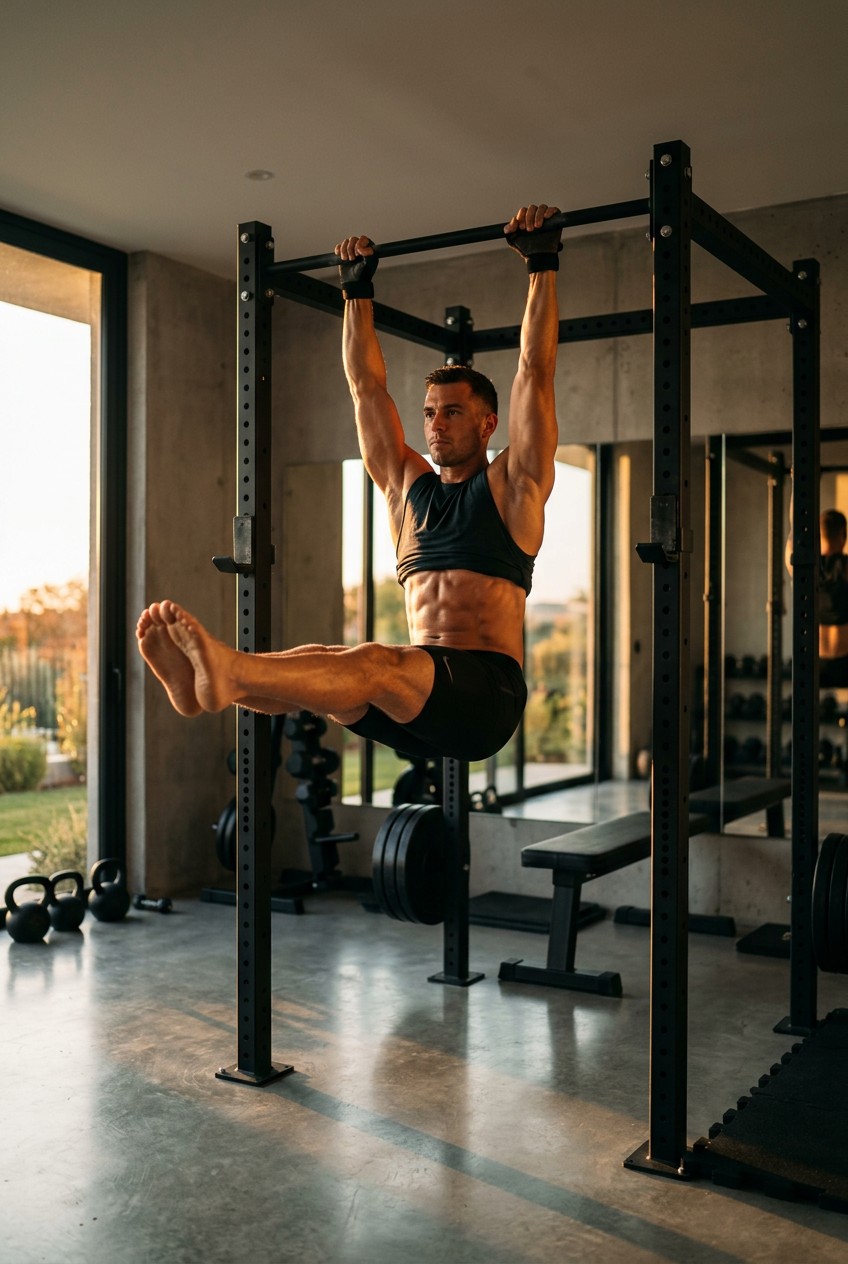
What’s Inside
- Master the Pelvic Tilt for a Proper Lower Abs Workout
- Prioritize Reverse Crunches with Absolute Precision
- Integrate Resistance Bands for Scalable Intensity
- Don’t Rush the Lower Abs Workout Eccentric Phase
- Master Diaphragmatic and 360-Degree Breathing
- Utilize an Ab Roller for Full Core Engagement
- Embrace Functional Core Training with Compound Movements
- Incorporate Pilates for Deep Core Strength
- Consider Ab Machines for Progressive Overload
- Fuel Your Core with the Right Protein Intake
Last Tuesday at Whole Foods, I bent over to grab a 365 brand organic unsweetened almond milk (the 64 oz carton, exactly $3.99) from the very bottom shelf. As I twisted back up, my lower back seized up. I stood there frozen in the dairy aisle like an idiot. The cold air from the fridge was blowing on my neck while I gripped the freezing, condensation-slicked cardboard. That embarrassing moment proved my core was weak despite doing hundreds of crunches every week. If you want a real lower abs workout, you’ve got to stop wasting time on the basic stuff that just wrecks your spine. A good lower abs workout needs deep muscle activation. It needs absolute precision, not just mindless reps. I tried generic routines for months. Took me years to figure it out. They just gave me neck pain and bad posture. Skip the fat-free fitness advice. It tastes like wet cardboard. Let’s fix your routine right now with methods that actually build strength.
1. Master the Pelvic Tilt for a Proper Lower Abs Workout

Before you lift your legs, you’ve got to learn the posterior pelvic tilt. I used to skip this. I’d lie down on my Lululemon 5mm Reversible Mat (it costs exactly $98 and has this rubbery smell I love) and start throwing my legs in the air. My lower back would scream. The pelvic tilt is mandatory. Lie on your back with your knees bent and feet flat. Exhale sharply and press your lower back into the mat by tightening your abdominal muscles. Imagine your belly button pulling straight down to your spine. Hold that for 3 to 5 seconds. This engages your deep core, specifically the transverse abdominis. It stops your hip flexors from taking over. Hip flexor dominance is a massive mistake that leads to back strain. I learned this the hard way after a brutal workout at a local Target parking lot boot camp last summer. My back hurt so badly I couldn’t drive home. If you sit at a desk all day, your back probably aches. You can do standing pelvic tilts while waiting in line at the store. Just stand straight, tilt your pelvis forward to flatten your back, and hold for 10 to 30 seconds. It relieves pressure fast.
2. Prioritize Reverse Crunches with Absolute Precision

The reverse crunch is butchered by most guys in the gym. I watch them swinging their legs, using momentum instead of muscle. I tried this wrong for months. I’d swing my knees up so fast I’d roll backward onto my neck. It did nothing for my core. To do this right, you need isolation. I recommend using a Rogue Fitness AbMat (they run exactly $35) for support. The rough vinyl texture keeps you from sliding on the sweaty floor. Lie flat with your hands pressed into the ground. Bend your knees at a 90-degree angle with your shins parallel to the floor. Now, engage your core to lift your hips. Pull your knees toward your chest without using momentum. Pause for one second at the top. Then, slowly lower your hips. Focus on peeling your lower back off the floor one vertebra at a time. Aim for 3 sets of 10 to 15 controlled reps. I grabbed a cheap yoga mat at Walmart last month, and doing these on a thin mat forces you to control the descent. If you drop your hips too fast, your tailbone slams into the floor. That instant pain is a great teacher for eccentric control.
3. Integrate Resistance Bands for Scalable Intensity

Bodyweight exercises eventually get too easy. When that happens, you need external resistance. Resistance bands are a brilliant, cheap tool. I swear by Fit Simplify loop bands. You can get a set of five for exactly $12 at your local sporting goods store. The light yellow band is perfect for beginners. Anchor it to a heavy piece of furniture and hold it to assist with leg raises. The tension makes the movement easier to control so you can focus on engagement. Once you get stronger, flip the script. Loop a medium-heavy TheraBand (these cost between $15 and $25) around your ankles. I tried a heavy blue band for flutter kicks last Friday. The thick latex snapped back and slapped my shin so hard it left a mark for two days. Start light. Wrap the band around your thighs or ankles during leg raises or bicycle kicks. The constant tension forces your lower abs to work overtime. I usually pick up replacement bands at Costco when they have those massive fitness bundles. The smell of chemical-heavy latex reminds me it’s time to work. Don’t buy the cheap knockoffs that roll up your legs. They pull your hair and ruin the workout. You might also like: 20 Gorgeous Easy Home Workout Ideas That Actually Work

Yoleo Adjustable Weight Bench
Honestly, Yoleo Adjustable Weight Bench surprised me — sturdier than it looks in the photos, and over 974 buyers gave it 4.5 stars.
4. Don’t Rush the Lower Abs Workout Eccentric Phase

A major mistake is rushing through reps. People treat their core routine like a race. I used to speed through 50 leg raises, thinking I was getting a killer workout. I wasn’t. I was just wearing out my hip flexors. For exercises like leg raises or scissor kicks, you’ve got to move slowly. The magic happens during the eccentric phase. That means the lowering portion. I use the timer on my Apple Watch Ultra (it hurts the wallet at $799, but the screen is perfect for timing). I aim for a strict 4-second descent on every leg raise. The sweat starts stinging my eyes by the third rep because the time under tension is intense. Another mistake is letting your lower back arch. If your back arches, you shift the strain to your spine and lose ab engagement. Keep your back smashed to the floor. If you find your back arching, reduce your range of motion. Bend your knees more. I learned this during a core class at Sprouts last winter. The instructor yelled at me for arching. It was embarrassing, but it fixed my form. Slow down and feel the burn. You might also like: 20 Charming Black Garage Home Gym Setup Ideas Worth Trying This Year
5. Master Diaphragmatic and 360-Degree Breathing

Breathing is the most underrated aspect of core training. Most people hold their breath during a set. I did this for years. I’d turn purple during a plank and wonder why I felt dizzy. Learn diaphragmatic breathing. Lie on your back, place your right hand on your chest and left hand on your belly. Inhale through your nose. Your belly should rise while your chest stays still. Exhale slowly through your mouth, feeling your belly lower and your core engage. You’ve got to exhale to engage during the hardest part of every exercise. It stabilizes your spine. Take it a step further with 360-degree breathing. Expand your breath into your ribs, your sides, and your lower back. It acts like a natural weight belt. Speaking of belts, I used to rely on a Harbinger 4-inch Nylon Weight Belt ($22.99 at most stores) to brace my core. The rigid nylon would dig into my ribs. Once I learned proper 360-degree breathing, I didn’t need the belt. Also, engage your pelvic floor. Imagine picking up a blueberry with your pelvic muscles while you exhale. I know it sounds ridiculous. I laughed when a trainer told me that while we were grabbing a $4.99 kombucha at Kroger. But honestly, this changed how I activate my deep abdominal wall. You might also like: 20 Brilliant Commercial Home Gym Setup Ideas Worth Trying This Year
6. Utilize an Ab Roller for Full Core Engagement

The ab roller is a brutal tool. It looks simple, but it will destroy your core if you do it right. I recommend the REP Fitness Ab Roller. It costs exactly $15. If you want something beefier, the Vinsguir Ab Wheel is under $30 and has a wider rubber tread. The cheap plastic ones slide around and scratch your floors. The squeak of a cheap rubber wheel on hardwood is like nails on a chalkboard. Start on your knees on a thick pad. Slowly roll the wheel out. You must keep your core tight and your back straight. The biggest mistake is letting your hips sag at the bottom. I did this once and felt a sharp pinch in my lumbar spine that sidelined me for a week. Don’t roll out further than your core can handle. Use your abdominal muscles to pull the wheel back. Don’t use your arms. I bought my first ab wheel at Target years ago. I thought I was strong enough to do it standing up. I face-planted onto my living room rug and got carpet burn on my chin. Stick to the kneeling version until you build baseline strength.

FitinOne Adjustable Folding Weight Bench for Home Gym
A dependable everyday pick — FitinOne Adjustable Folding Weight Bench for Home Gym pulls in 744 ratings at 4.5 stars. Not flashy, just solid.
7. Embrace Functional Core Training with Compound Movements

You can’t just lie on your back forever. Functional core training is mandatory for real-world strength. This means movements that mimic daily activities. I love the Suitcase Carry. You grab a heavy weight in one hand and walk. It forces your opposite obliques and lower abs to fire to keep your torso upright. I use a Kettlebell Kings 16kg cast iron kettlebell. It costs exactly $149, and the textured handle feels solid. I do 4 sets, walking for exactly 20 yards each. The first time I tried this, I leaned too far to the side. My form was garbage. A trainer told me to stay vertical. It changed everything. You also need to do the Bird Dog. Get on your hands and knees. Extend your right arm forward and left leg backward. Do 4 sets of 6 reps per side. It engages your deep stabilizers. I realize how important this is every time I carry heavy groceries. Last Sunday at Trader Joe’s, I was lugging three massive paper bags. The handles were digging into my palms, but my core stayed rigid. That’s the real benefit of functional training. It prevents injuries.
8. Incorporate Pilates for Deep Core Strength

I used to think Pilates was just light stretching. I was wrong. Pilates is brutal. It focuses on deep strength, perfect posture, and flexibility. I started incorporating Pilates last year, and my lower abs have never been stronger. The Corkscrew is a fantastic movement. Lie on your back, lift both legs, and trace small circles with your feet. It burns like crazy. I also do the Three-point Leg Drop. To make it harder, I use Bala Bangles. They weigh exactly 1 lb each and cost $55. The soft silicone feels premium, and the velcro straps don’t chafe. I bought mine while browsing the fitness aisle at Whole Foods. I strapped them on and tried a 20-minute Pilates video on YouTube. Five minutes in, I was sweating and my lower abs were cramping. The added weight at the end of a long lever creates massive torque. You’ve got to fight to keep your lower back pressed into the mat. If you ignore Pilates, you’re missing out on deep core activation. It teaches you how to control your body with precision.
9. Consider Ab Machines for Progressive Overload

Bodyweight exercises are great, but you need progressive overload. You’ve got to add resistance to force muscles to grow. This is where dedicated ab machines come into play. I’m not talking about infomercial gadgets. I mean commercial-grade equipment. The Ab Coaster is a solid option for home gyms. It runs about $299. It targets the lower abs with a bottom-up track motion. The glide of the steel track is quiet. If you have serious cash, The Abs Company makes a Vertical Crunch machine that costs exactly $2,834.00. It provides comprehensive training with weight plates. I used one at a commercial gym last year. I loaded 90 pounds and failed at rep 8. The machine forces you into a perfect crunching arc, isolating the wall. You can’t cheat with momentum. I saw a smaller version of an ab glider at Walmart for around $89. It felt a bit rickety, but it works if you’re on a budget. The key is finding a way to load your core with external weight. Alternating between high-rep bodyweight sets and low-rep machine sets keeps your muscles guessing.
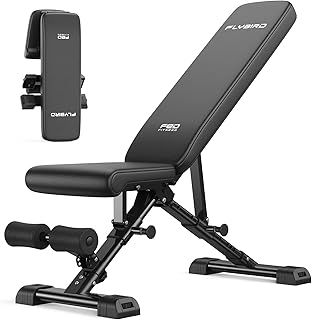
FLYBIRD WB5 Weight Bench
FLYBIRD WB5 Weight Bench punches above its price — 259 buyers rated it 4.5 stars. I would buy it again.
10. Fuel Your Core with the Right Protein Intake

You can do a thousand reverse crunches, but if your diet is garbage, you won’t see your lower abs. Protein is crucial for repair. I swear by Optimum Nutrition Gold Standard Whey. A 2 lb tub costs exactly $44.99. I prefer Double Rich Chocolate. Skip the cheap, fat-free protein powders. They taste like wet cardboard and clump up. The gritty texture of bad protein will ruin your morning. You need 1.6 to 2.2 grams of protein per kilogram of body weight daily. For a 175-pound guy, that’s about 125 grams. Don’t eat it all at once. Distribute this across 4 to 6 meals. Aim for 20 to 40 grams per meal. I learned this the hard way. I used to starve all day then eat a massive 80-gram protein dinner. I felt bloated, sluggish, and my recovery was terrible. Now, I buy massive packs of organic chicken breasts at Costco (around $5.99 per pound) and meal prep on Sundays. I measure exactly 4 oz of cooked chicken for lunch. Proper fueling makes the workouts count.
Building a strong core takes time and precision. Stop rushing your reps and focus on deep muscle activation. Start with the pelvic tilt and reverse crunches before you touch heavy weights. Stick to the plan, eat your protein, and the results will follow. Pin this article so you have these tips ready for your next session.
Frequently Asked Questions
How often should I do a lower abs workout?
I recommend doing a dedicated lower abs workout two to three times per week. Your core muscles need time to recover just like any other muscle group. Over-training leads to lower back pain and poor form.
Why do my hips click during a lower abs workout?
Hip clicking usually means your hip flexors are overly tight and taking over the movement. You have to focus on the posterior pelvic tilt. Press your lower back into the floor to disengage the hip flexors.
Can I get visible results with just a bodyweight lower abs workout?
Yes, bodyweight movements are a great start. But eventually, you’ll need progressive overload. I highly suggest adding resistance bands or light ankle weights once you can easily perform 20 strict repetitions of an exercise.
Does a lower abs workout burn belly fat?
No. Spot reduction is a total myth. A lower abs workout builds the muscle underneath, but you have to maintain a caloric deficit and eat plenty of protein to reveal the muscle definition.
