What’s Inside
- 1. Master the 2-Minute Movement Snack Strategy
- 2. Use the Perfect 15-Minute Workout Formula
- 3. Build Circuits Around 3-4 Compound Movements
- 4. Apply the 3D Five-Minute Rule
- 5. Transform Basic Walking with the 360° Method
- 6. Progress Squats the Right Way with Goblet Variations
- 7. Build to Pull-Ups Through Inverted Rows
- 8. Embrace the “Just Move” 10-Minute Timer
- 9. Use AMRAP Circuits for Competitive Energy
- 10. Master the 45-15 Work-Rest Ratio
- 11. Design Your Workout Environment Intentionally
- 12. Rotate Workout Modalities Throughout the Week
- 13. Explore Different Floor Positions During Workouts
- 14. Add Explosive Movements While You’re Fresh
- 15. Commit to One Free Program for Several Months
- 16. Use Household Items as Creative Resistance
- 17. Master the Art of Tempo Training
- 18. Build a Minimal Equipment Arsenal Strategically
- 19. Track Workouts in a Simple Notebook
- 20. Schedule Workouts Like Non-Negotiable Appointments
I used to think home workouts were just watered-down versions of gym sessions until I got stuck without gym access for three months last year. Turns out, I was completely wrong about easy home workout ideas. The best part? I actually saw better results because I finally stopped skipping workouts due to commute excuses.
Here’s what I’ve learned after testing dozens of approaches: home workouts work when you stop trying to recreate the gym experience and start using strategies designed specifically for limited space and equipment. Let me walk you through the methods that actually stuck.
1. Master the 2-Minute Movement Snack Strategy

This changed everything for me on busy days. Instead of forcing a full workout when I’m swamped, I set a timer every two hours and do quick mobility bursts. I’m talking spine waves while standing at my desk, hip circles while waiting for coffee, shoulder glides during phone calls.
The science behind this is solid. These short movement snacks keep your lymphatic system moving and hormones balanced without the energy drain of a full session. I started doing this in January and honestly noticed less afternoon stiffness within a week.
My favorite combo: 30 seconds of cat-cow stretches, 30 seconds of hip circles each direction, 30 seconds of arm circles, and 30 seconds of ankle rolls. Set your phone alarm or use a Pomodoro app. Most people think they need 30-minute blocks to make exercise count, but that’s outdated thinking.
2. Use the Perfect 15-Minute Workout Formula

I’ve tested every time combination imaginable, and this structure wins every time: 2-3 minutes warming up, 8-12 minutes of your main circuit, then 1-2 minutes to finish strong. It sounds simple because it is.
Here’s my exact warm-up: 30 seconds jumping jacks, 30 seconds arm circles (both directions), 30 seconds shoulder rolls, then 5 inchworm walkouts. This hits every major joint and gets blood flowing without wasting precious workout minutes.
The main circuit is where you actually work. Pick your exercises based on what you’re training that day, but stick to this timeframe religiously. I finish with either a plank hold or burpees depending on how much gas I have left. Common mistake: people spend 8 minutes warming up and wonder why they never see progress. Your warm-up should feel like turning on a car, not driving across town.
3. Build Circuits Around 3-4 Compound Movements

Forget those 12-exercise routines you see on Instagram. I personally run circuits with just three or four compound exercises and get better results than when I was doing complicated programs. Compound movements work multiple muscle groups, which means more bang for your limited time.
My go-to circuit: 30 seconds push-ups, 30 seconds squat jumps, 30 seconds plank shoulder taps, 30 seconds rest. Repeat this 4-6 times and you’re done. The whole thing takes 8-12 minutes depending on how many rounds you complete.
I tried adding more exercises thinking it would be better, but I just got sloppy with form and didn’t push as hard on each movement. Stick with fewer exercises and actually nail them. Pro tip: video yourself on round one to check form, then don’t look at your phone again until you’re finished.

Adjustable Weight Bench
Adjustable Weight Bench – 1000LBS Capacity Heavy Duty Foldable Workout punches above its price — 168 buyers rated it 4.5 stars. I would buy it again.
4. Apply the 3D Five-Minute Rule

This approach saved my consistency when life got chaotic last spring. Instead of trying to hit everything every day, I rotate through five focus areas: core, glutes, posture, legs, and breath work. Just five minutes on one area per day.
Monday might be five minutes of dead bugs and bird dogs for core. Tuesday is glute bridges and clamshells. Wednesday focuses on wall angels and band pull-aparts for posture. You get the idea.
The psychology here is brilliant. Five minutes feels so manageable that you actually do it, which beats planning hour-long sessions you keep postponing. I’ve maintained this for four months straight, which is longer than any other workout streak I’ve ever had. Most people fail because they set the bar too high and then feel guilty when they can’t clear it.
5. Transform Basic Walking with the 360° Method

I walk my dog every morning, and this trick turned that routine activity into legitimate mobility work. Every 30 steps, I add a micro-movement. Sometimes it’s ankle mobilization where I rotate each ankle through full circles. Other times it’s rib-cage rotation or arm circles.
This sounds weird if you’re walking in a busy neighborhood, but honestly, nobody cares as much as you think they do. I do it in my local park and have never gotten a single comment.
The variety keeps my joints healthy and adds up to serious mobility work over a 20-minute walk. I count steps on my Apple Watch, but you can just estimate. The point isn’t precision, it’s consistent movement through different ranges. This beats standing still and doing a 10-minute stretch routine because you’re combining two activities instead of carving out separate time.
6. Progress Squats the Right Way with Goblet Variations

Most people jump straight to barbell squats at home with terrible form. I learned this the hard way when I tweaked my lower back trying to go heavy too fast. Start with goblet squats instead.
Hold a dumbbell or kettlebell at chest height and squat. Build up to 10 clean reps with at least half your bodyweight before you even think about progressing. For me at 180 pounds, that meant working up to a 90-pound dumbbell, which took about six weeks.
The goblet position forces you to keep your chest up and prevents the forward lean that causes back issues. Once you can handle half your bodyweight, then consider adding a barbell if you have one. But honestly, I know plenty of people who just keep adding weight to goblet squats and build incredible legs. Common mistake: ego lifting with weight you can’t control properly. Your joints will thank you for being patient.

NICEPEOPLE Adjustable Weight Bench for Home Gym
A dependable everyday pick — NICEPEOPLE Adjustable Weight Bench for Home Gym pulls in 31 ratings at 4.5 stars. Not flashy, just solid.
7. Build to Pull-Ups Through Inverted Rows

I couldn’t do a single pull-up when I started training at home. Jumping straight to assisted pull-ups was frustrating and didn’t work. Inverted rows changed everything.
Set up a broomstick across two chairs or use a sturdy table. Lie underneath, grab the edge, and pull your chest up. Work until you can do 3 sets of 15 solid reps. This took me about two months of three-times-per-week training.
Then progress to neutral grip pull-ups with a resistance band, then finally overhand pull-ups. I’m now at 8 consecutive pull-ups, which seemed impossible a year ago. Pro tip: most people skip this progression and waste months struggling with pull-ups they’re not strong enough to do yet. Build the foundation first.
8. Embrace the “Just Move” 10-Minute Timer

Some days I don’t want to follow a program. On those days, I set a timer for 10 minutes and just move. Maybe it’s bodyweight squats, maybe it’s dancing around my living room, maybe it’s crawling patterns on the floor.
The goal is movement itself, not hitting specific targets. This approach keeps my streak alive even when motivation is low. I’ve done this on travel days, sick days when I’m feeling 70%, and busy days when I only have a tiny window.
Fitness professionals emphasize that consistency matters more than perfection, and I’ve found this to be completely true. Ten imperfect minutes beats zero perfect minutes every single time. Don’t overthink it. The worst workout is the one you don’t do.
9. Use AMRAP Circuits for Competitive Energy

AMRAP stands for “as many rounds as possible,” and it adds a game element that keeps things interesting. Set a timer for 10 minutes and see how many complete rounds you can finish of a chosen circuit.
My favorite: 10 push-ups, 15 jump squats, 10 V-ups, and 20 skater jumps (10 each side). I write down my round count and try to beat it next time. Last week I hit 6 complete rounds, which was a personal best.
This format works because you’re competing against yourself rather than following a prescribed number. Some days you’ll crush it, other days you’ll struggle, and that’s fine. The variety in performance keeps you honest about recovery and energy levels. Common mistake: sacrificing form to get more rounds. A round doesn’t count if your push-ups are half-reps.

OLIXIS Adjustable Weight Bench for Full Body Strength
If you want something that just works, OLIXIS Adjustable Weight Bench for Full Body Strength Training is a safe bet (28 reviews, 4.5 stars).
10. Master the 45-15 Work-Rest Ratio

This timing creates the perfect metabolic stimulus without destroying you. Work for 45 seconds, rest for 15 seconds, repeat for 3 rounds. The 3:1 ratio pushes you hard enough to see results but gives enough recovery that you don’t flame out.
I use this for dumbbell circuits all the time. Dumbbell thrusters for 45 seconds, rest 15. Renegade rows for 45 seconds, rest 15. Goblet reverse lunges for 45 seconds, rest 15. Three rounds takes exactly 9 minutes.
The beauty is that 45 seconds is long enough to accumulate real work but short enough that you can push hard the entire time. Fifteen seconds feels like nothing, but it’s just enough to shake out your arms and catch your breath. I’ve tried other ratios and this one hits the sweet spot for home workouts.
11. Design Your Workout Environment Intentionally

This sounds soft, but it matters more than you think. I dim my lights, put on a specific playlist, and sometimes light a candle before evening workouts. It transforms the experience from feeling like a chore into something I actually look forward to.
My morning workouts are different: bright lights, upbeat music, windows open. Evening sessions are mellower: warm lighting, instrumental music, maybe some incense. This environmental design creates a ritual that signals to your brain it’s workout time.
Fitness professionals recommend this psychological strategy for adherence, and I can confirm it works. My workout completion rate jumped from about 60% to over 90% once I started treating the environment as part of the workout. Most people ignore this aspect and then wonder why they lack motivation.
12. Rotate Workout Modalities Throughout the Week

I used to think I needed to do the same style workout every day for consistency. Wrong. Mixing modalities keeps me fresher and more engaged. Monday might be a strength circuit, Tuesday yoga, Wednesday a long walk, Thursday another strength session, Friday a run.
This variety prevents burnout and works different energy systems. I’m not trying to be a specialist in anything, just stay generally fit and healthy. Shorter workouts that fit real life schedules are the ones you actually stick with.
I follow a loose structure but adjust based on how I feel. If my legs are trashed from Monday’s workout, I do upper body or yoga on Tuesday instead of forcing the plan. Listen to your body. Common mistake: following rigid programs that don’t account for recovery needs or life chaos.
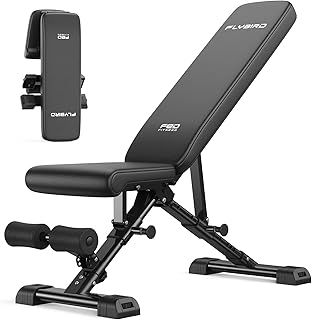
FLYBIRD WB5 Weight Bench
A dependable everyday pick — FLYBIRD WB5 Weight Bench pulls in 259 ratings at 4.5 stars. Not flashy, just solid.
13. Explore Different Floor Positions During Workouts

I started incorporating more ground-based movement after noticing how stiff I felt from always standing. Now I switch between kneeling, sitting, squatting, and standing positions throughout my workouts.
A typical session might include kneeling push-ups, sitting rotations, deep squat holds, and standing overhead presses. These position changes activate stabilizer muscles that standard standing exercises miss completely.
My hip mobility improved noticeably within three weeks of adding this variety. I can now sit in a deep squat comfortably for over a minute, which was impossible before. Pro tip: if you can’t sit cross-legged on the floor without discomfort, you need more floor time. Start with just 5 minutes a day sitting in different positions while watching TV.
14. Add Explosive Movements While You’re Fresh

I do my power work first, right after warming up. Box jumps, kettlebell swings, or battle rope intervals for low reps when my nervous system is fresh. This is when you can actually generate maximum power without sloppy form.
Keep the reps low: 3-5 for box jumps, 8-12 for kettlebell swings, or 15-25 seconds for battle ropes. I rest fully between sets because the goal is power, not conditioning. Once I’m done with explosive work, then I move into regular strength or conditioning circuits.
Most people do power work at the end when they’re tired, which defeats the entire purpose. You can’t train power effectively when you’re already fatigued. I learned this from a strength coach and it completely changed my athletic performance. My vertical jump increased by 3 inches in two months just from doing box jumps first instead of last.
15. Commit to One Free Program for Several Months

The internet is full of free home workout programs. Pick one and stick with it for at least 12 weeks. I wasted months jumping between programs, always thinking the next one would be better. Spoiler: they all work if you actually follow them.
I finally committed to a free YouTube program and followed it for four months straight. Saw better results than years of program hopping. The structure removes decision fatigue, and following it consistently lets you actually track progress.
Find a coach or program that matches your style and commit. Don’t switch just because you’re bored or saw something new on social media. Boredom is part of the process. Results come from repeated exposure to similar stimuli, not constant novelty.
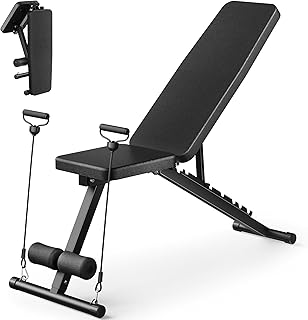
Adjustable Weight Bench for Home Gym
Adjustable Weight Bench for Home Gym punches above its price — 506 buyers rated it 4.5 stars. I would buy it again.
16. Use Household Items as Creative Resistance

Before I bought dumbbells, I used what I had. Backpack loaded with books for weighted squats and lunges. Gallon water jugs for overhead presses and rows. A sturdy chair for elevated push-ups and tricep dips.
A full backpack can easily hold 30-40 pounds, which is plenty for building strength in most movements. I still use my backpack for weighted push-ups and pull-ups even though I now own proper equipment. It’s more comfortable than a weight vest and way cheaper.
Get creative. A broom handle works for mobility drills and light overhead work. Towels create instability for core exercises. Your couch is perfect for incline push-ups or step-ups. Most people think they need a full home gym, but you can build serious strength with household items if you’re willing to get creative.
17. Master the Art of Tempo Training

Slowing down changed my home workouts completely. Instead of banging out 20 fast push-ups, I do 10 with a 3-second descent, 1-second pause at the bottom, and explosive press up. This creates more time under tension with less volume.
Tempo training is perfect for home workouts because it increases difficulty without needing heavier weights. A 4-second eccentric (lowering phase) on squats will humble you fast. I thought I was strong until I tried this.
My favorite tempo for building muscle: 3-second lower, 1-second pause, 1-second up, no rest at the top. Apply this to any exercise. Your muscles will be screaming by rep 8, which is exactly the point. Pro tip: count out loud to maintain consistent tempo. It’s easy to cheat and speed up when it gets hard.
18. Build a Minimal Equipment Arsenal Strategically

If you’re going to buy equipment, be smart about it. I wasted money on garbage before figuring out what actually matters. Here’s what I recommend: a pair of adjustable dumbbells (Bowflex or PowerBlock, around $300-400), a pull-up bar ($30), and a yoga mat ($20-40).
That’s it for starting out. Those three items unlock hundreds of exercises. I added resistance bands later ($20 for a set), then a kettlebell ($50-80 depending on weight), then gymnastics rings ($30). But I used just the dumbbells, pull-up bar, and mat for my first six months.
Don’t buy a bunch of random stuff. Every piece of equipment should unlock multiple exercises you’ll actually use. I’ve seen people buy cable machines, weight benches, and full dumbbell sets that just collect dust. Start minimal and add only when you’ve maxed out what you have.
19. Track Workouts in a Simple Notebook

I tried fancy apps and spreadsheets, but a basic notebook works best for me. I write the date, exercises, sets, reps, and how I felt. That’s it. Takes 30 seconds after each workout.
This simple tracking lets me see progress over time. When I look back and see that goblet squats with 50 pounds felt heavy three months ago and now I’m at 75 pounds, that’s motivating. The data doesn’t lie.
I also note if I slept poorly or felt off that day. This context helps me understand why some workouts feel harder than others. Most people either track nothing or get obsessed with tracking everything. Find the middle ground. Write enough to see patterns but not so much that it becomes a chore.
20. Schedule Workouts Like Non-Negotiable Appointments

This is the least sexy tip but probably the most important. I put my workouts in my calendar with alerts, just like work meetings or doctor appointments. They’re not optional activities I’ll do “if I have time.” They’re scheduled commitments.
I work out at the same times most days: 6:30 AM on weekdays, 9:00 AM on weekends. This consistency builds a habit that runs on autopilot. I don’t debate whether to work out, I just do it because it’s on the schedule.
The people who succeed with home workouts treat them like brushing their teeth, not like optional recreation. You don’t skip brushing your teeth because you’re not motivated, you just do it. Same with workouts. Schedule them, show up, do the work. Motivation is overrated. Systems and habits are what actually matter.
Look, these easy home workout ideas work if you actually use them. I’ve tested all of them over the past year, and the ones that stuck are the ones I’ve shared here. Start with two or three that appeal to you most, not all twenty at once.
The biggest lesson I’ve learned? Home workouts aren’t inferior to gym sessions. They’re just different. Once I stopped trying to recreate the gym experience at home and started using strategies designed for home training, everything clicked. Save this list and come back to it when you need fresh ideas. Your future self will thank you.
Frequently Asked Questions
What are the easiest home workouts for complete beginners?
Start with the 2-minute movement snacks throughout your day or the 3D Five-Minute Rule focusing on one body area daily. These low-barrier approaches build consistency without overwhelming you. Once comfortable, progress to 15-minute structured circuits with bodyweight exercises like squats, push-ups, and planks.
How long should easy home workouts be to see results?
You can see real results with just 10-15 minutes of focused work if you’re consistent. The key is using compound movements in circuit format with proper work-to-rest ratios like 45 seconds work and 15 seconds rest. Consistency beats duration every time.
Do I need equipment for effective home workouts?
No equipment is required initially. Bodyweight exercises, household items like loaded backpacks, and furniture provide plenty of resistance. If you do invest, start with adjustable dumbbells, a pull-up bar, and a yoga mat. These three items unlock hundreds of exercise variations.
What’s the best time of day for home workouts?
The best time is whenever you’ll actually do it consistently. Schedule workouts like non-negotiable appointments at the same time daily. Morning workouts ensure nothing interferes, but evening sessions work great if that fits your schedule better. Consistency matters more than timing.
1 thought on “20 Gorgeous Easy Home Workout Ideas That Actually Work”