
What’s Inside
- The Classic Pre Workout Snack: Banana and Almond Butter
- My Go-To Pre Workout Snack: Overnight Oats with a Twist
- Salty Water? The Electrolyte Secret You Need
- The Caffeine Dosing Math Nobody Tells You
- Rice Cakes and Honey for Instant Energy
- Greek Yogurt and Berries for Muscle Synthesis
- The Liquid Meal: A Fast-Digesting Protein Shake
- Sourdough Toast and Cottage Cheese
I spent last Tuesday evening dry heaving behind my truck in the Whole Foods parking lot. I’d tried to hit a heavy leg day after eating a massive, fat-laden bean and cheese burrito, and my stomach immediately rejected the idea. Finding the right pre-workout snack is literally the difference between setting a personal record and staring at the ceiling in a pool of cold sweat. I’m Ryan, and I’ve spent the last ten years testing exactly what fuels the human body before lifting heavy metal. Most people get this entirely wrong. They either eat nothing and pass out, or they eat a brick of dense food and feel sluggish. Fueling your body correctly before a workout is crucial for maximizing performance, preventing fatigue, and aiding recovery. Forget generic advice. I’m giving you my exact, battle-tested protocol right here. Let’s fix your gym nutrition right now so you stop wasting your time and energy on bad fuel.
1. The Classic Pre Workout Snack: Banana and Almond Butter

You can’t talk about gym fuel without starting with the basics. Master the timing first. The 30 to 60 minute window before you step onto the gym floor is critical. For workouts within an hour, you’ve got to prioritize easily digestible, carbohydrate-focused snacks. A classic option is a medium banana, which packs approximately 27 grams of fast-digesting carbohydrates. I pair this with exactly one tablespoon of almond butter. This combination gives you around 3 grams of protein and 9 grams of fat. It offers quick energy without causing a heavy feeling in your gut.
I buy Justin’s Classic Almond Butter for $6.99 for a 16 oz jar at Target. The texture is gritty and thick, and it sticks to the roof of your mouth perfectly. I tried this wrong for months before figuring it out. I used to slather three tablespoons of peanut butter on my banana. That was a massive mistake—it took me years to realize fat is the enemy of a fast workout. A common mistake is consuming heavy, high-fat, or high-fiber meals too close to your session, which can lead to severe stomach discomfort and sluggishness. Fat slows down digestion. If you eat too much of it, that banana sits in your stomach like a rock while you’re trying to do walking lunges.
Pro tip: Pick a banana with brown spots. The starches have converted to simple sugars, making it much easier on your digestive tract. Green bananas will give you painful gas halfway through your warmup sets. I learned that the hard way during a crowded Monday night chest session.
2. My Go-To Pre Workout Snack: Overnight Oats with a Twist

Protein overnight oats are a top pick for 2026, and I get why. They’re cold, thick, and satisfying on a hot summer morning. I combine exactly 1/2 cup of Quaker quick-cooking oats with 3/4 cup of Silk unsweetened vanilla almond milk. I add one tablespoon of raw chia seeds and a single scoop of Optimum Nutrition Gold Standard Whey protein powder. This blend provides complex carbohydrates for sustained energy.
I get the Quaker oats for $4.29 for an 18 oz canister at Kroger. You’ve got to use quick-cooking oats, not steel-cut. Steel-cut oats are fantastic for a lazy Sunday breakfast, but they take way too long to digest before a heavy training session. I made the mistake of eating a huge bowl of thick steel-cut oats 45 minutes before a deadlift session last year. I felt like I swallowed a wet sponge. The quick oats break down much faster.
Always aim for a combination of carbohydrates and protein in your pre-workout snack. For resistance training or high-intensity interval training, you want to target 15 to 30 grams of easily digestible carbohydrates and 10 to 20 grams of protein. This exact ratio provides sustained energy and supports muscle protein synthesis. This oat recipe hits those numbers perfectly. I prep three glass jars on Sunday night. The caramel-butter smell of the vanilla protein powder mixing with the almond milk is amazing.
3. Salty Water? The Electrolyte Secret You Need

We need to talk about hydration, because plain tap water won’t cut it if you’re sweating heavily. Hydrate smart. Electrolytes are your workout allies. Beyond plain water, you need to incorporate electrolyte-rich beverages, especially for intense or prolonged workouts. You should aim to consume 16 to 24 ounces of fluid two hours before your workout, and an additional 8 to 16 ounces exactly 15 minutes prior. This prevents the dreaded mid-workout headache. You might also like: 20 Charming Black Garage Home Gym Setup Ideas Worth Trying This Year
For high-intensity activities, trending electrolyte brands in 2026 include LMNT Electrolyte Drink Mix. I buy a 30-pack for approximately $18.99 at Sprouts. It’s known for its high sodium content. You get 1,000mg per serving, along with 200mg of potassium and 60mg of magnesium, and absolutely no added sugar. The watermelon salt flavor tastes exactly like a salty jolly rancher. You might also like: 15 Beautiful Photoshoot Home Workout Ideas to Steal Right Now
I distinctly remember sweating through my grey cotton shirt at a poorly ventilated gym in July. I was drinking plain water, and my calves started cramping so violently I had to sit on the floor. Plain water dilutes your blood sodium levels when you’re sweating buckets. Adding LMNT fixed my cramping issue overnight. Don’t sip it slowly during the workout. Chug your 16 ounces before you even touch a dumbbell. Your muscles need that sodium to contract efficiently. This changed how I approach summer training entirely. You might also like: 15 Creative Workout Motivation Tips You Haven’t Thought Of

NICEPEOPLE Adjustable Weight Bench for Home Gym
NICEPEOPLE Adjustable Weight Bench for Home Gym punches above its price — 32 buyers rated it 4.5 stars. I would buy it again.
4. The Caffeine Dosing Math Nobody Tells You

The caffeine edge is real, but you’re probably dosing it completely wrong. Strategic dosing for focus and endurance requires actual math, not just blindly chugging energy drinks. To enhance focus, energy, and endurance, you need to consume caffeine 30 to 60 minutes before your workout. The optimal dosage is 3 to 6 milligrams per kilogram of body weight.
Let’s break that down. For example, a 70 kg (154 lb) individual would aim for 210 to 420 mg of caffeine. A standard 8-ounce cup of brewed coffee contains about 95 to 100 mg of caffeine, meaning 2 to 4 cups could fall within this exact range. I buy Peet’s Major Dickason’s Blend for $10.99 for a 12 oz bag at Target. The dark, oily beans smell incredible when you grind them fresh. Two cups of this black coffee hit my system like a freight train.
Here is my honest negative experience. A crucial, lesser-known tip is to avoid caffeine within 6 to 8 hours of bedtime to prevent sleep disruption. I used to drink three cups of dark roast at 6:00 PM before my evening workouts. I felt like a god in the gym, but I spent the entire night staring at the ceiling fan until 3:00 AM, my heart pounding out of my chest. Sleep is when you actually build muscle. If your pre-workout snack ruins your sleep, it’s actively destroying your gains. Stick to morning or early afternoon caffeine.
5. Rice Cakes and Honey for Instant Energy

When I need pure rocket fuel for a heavy lifting session, I turn to rice cakes and honey. This is the ultimate fast-digesting carbohydrate source. I use exactly two Quaker Lightly Salted Rice Cakes, which cost $3.49 for a 4.9 oz sleeve at Walmart. I drizzle them with one tablespoon of Kirkland Signature Wildflower Honey, which runs about $14.99 for a massive 5 lb jug at Costco.
The sensory experience is messy but worth it. The loud crunch of the dry rice cake perfectly balances the thick, sticky sweetness of the honey. Yes, your fingers will get incredibly sticky. I always end up with honey on my steering wheel if I eat these in the car, which is super annoying. But the performance benefit is undeniable. Honey is essentially pre-digested sugar made by bees. It hits your bloodstream almost immediately.
Getting 15 to 30 grams of easily digestible carbohydrates is key. Two rice cakes and a tablespoon of honey land you right in the middle of that sweet spot. Most people get this wrong by choosing complex carbs right before a sprint session. If you eat a bowl of brown rice 20 minutes before sprints, you will feel awful. You need simple sugars. I personally swear by this combo when I have zero time to digest a real meal. Just bring wet wipes for your hands.
6. Greek Yogurt and Berries for Muscle Synthesis

If I have a full 60 to 90 minutes before my workout, I want something a bit more substantial that will feed my muscles throughout the entire session. This is where Greek yogurt shines. I use exactly one cup of Fage Total 2% Greek Yogurt. It costs $6.49 for a 32 oz tub at Whole Foods. I mix in 1/2 cup of frozen blueberries from Trader Joe’s, which cost $3.99 for a 12 oz bag.
Let’s get one thing straight. Skip the fat-free stuff. I absolutely hate fat-free yogurt. It tastes like wet cardboard and leaves a chalky film on your tongue. The 2% milkfat version is incredibly creamy, rich, and actually tastes like real food. The tiny bit of fat helps slow down the digestion just enough to give you a steady drip of energy.
The frozen blueberries are the secret weapon here. When you stir them into the yogurt, they slowly thaw, creating these little pockets of icy, tart juice that turn the whole bowl a cool purple color. One cup of this yogurt gives you roughly 18 grams of high-quality protein. You’re hitting that 10 to 20 gram protein target perfectly. I ate this last Thursday before a grueling two-hour back workout, and my energy levels never dipped once. Just make sure you give yourself at least an hour to digest the dairy.
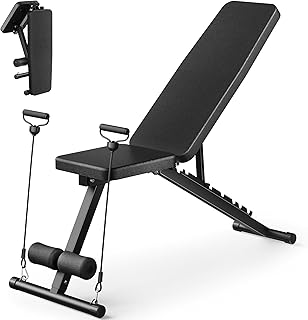
Adjustable Weight Bench for Home Gym
Honestly, Adjustable Weight Bench for Home Gym surprised me — sturdier than it looks in the photos, and over 517 buyers gave it 4.5 stars.
7. The Liquid Meal: A Fast-Digesting Protein Shake

Sometimes you’re running late. You have exactly 20 minutes before you need to be under a barbell, and chewing solid food just isn’t an option. In these emergency scenarios, a liquid meal is your only logical choice. I rely heavily on Fairlife Core Power Elite protein shakes. They cost $3.99 for a 14 oz bottle at Target. The chocolate flavor tastes exactly like melted chocolate ice cream, with zero chalky aftertaste.
Liquids empty from your stomach significantly faster than solid foods. When you’re in a rush, your pre-workout snack must be liquid. I tried this wrong in my early twenties. I used to chug a 1000-calorie powder mass gainer shake right before doing squats. The thick sludge sloshed around in my stomach with every rep. I felt like a bloated water balloon and had to cut the workout short. It was miserable.
The Fairlife shake gives you a massive 42 grams of protein, which honestly is slightly higher than the 10 to 20 gram recommended range, but because it’s ultra-filtered milk, it digests incredibly fast. I usually drink half the bottle on the drive to the gym and save the rest for the drive home. It provides immediate amino acids to your bloodstream. Don’t rely on liquid meals every single day, but keep a few bottles in your fridge for those chaotic mornings when everything goes wrong.
8. Sourdough Toast and Cottage Cheese

My final recommendation is a savory option for those of you who are completely sick of sweet protein bars and sugary shakes. I take one thick slice of San Luis Sourdough bread, which costs $4.99 for a 24 oz loaf at Sprouts. I toast it until the edges are dark brown and crispy. Then, I spread exactly 1/2 cup of Good Culture 2% Cottage Cheese over the top. The cottage cheese is $4.49 for a 16 oz tub.
The sensory details of this snack are incredible. The sharp, tangy smell of the warm sourdough mixes with the cool, creamy curds of the cottage cheese. The crust scratches the roof of your mouth just a little bit. It’s a fantastic textural experience. Sourdough undergoes a fermentation process that breaks down some of the gluten, making it much easier on your digestive system than standard white bread.
The cottage cheese provides a slow-digesting casein protein, which I find keeps my hunger completely at bay during long, high-volume training sessions. A common mistake is using cheap, watery cottage cheese. It makes the toast soggy and disgusting within seconds. Good Culture brand is incredibly thick and stays perfectly piled on the toast. I eat this exactly 45 minutes before hitting the gym. It gives me the perfect balance of savory carbs and dense protein without making me feel bloated.
Finding the perfect pre-workout snack requires a bit of trial and error, but these eight options are the most reliable fuels I’ve ever tested. Stop guessing and start treating your nutrition like the critical performance tool it is. I highly recommend you start with the banana and almond butter tomorrow morning. It’s cheap, easy, and undeniably effective. If you found this breakdown helpful, please save this article or pin it to your fitness boards so you never run out of ideas when you’re staring blankly into your fridge at 5:00 AM. Now get out there and crush your session.
Frequently Asked Questions
What is the best timing for a pre workout snack?
You should eat your pre workout snack 30 to 60 minutes before hitting the gym. If you eat too close to your workout, the food will sit heavy in your stomach and cause cramping or sluggishness.
What is the ideal ratio of carbs to protein?
Aim for 15 to 30 grams of fast-digesting carbohydrates and 10 to 20 grams of protein. This specific combination provides quick energy for lifting while supplying amino acids to support muscle protein synthesis.
Can I drink coffee as a pre workout?
Yes, caffeine is an excellent performance booster. Drink 8 to 16 ounces of black coffee 30 to 60 minutes prior. Just make sure you avoid caffeine 6 to 8 hours before bed so it won’t ruin your sleep.
Why shouldn’t I eat high-fat foods before lifting?
Fats digest very slowly. Eating a high-fat pre workout snack delays the absorption of carbohydrates, meaning you won’t get the quick energy you need, and you’ll likely feel bloated and nauseous during intense exercises.
