
What’s Inside
- Full-Body Summer Body Workouts Are The Way To Go
- Embrace Progressive Overload (Stop Lifting The Same Weights)
- Prioritize Protein Intake Like Your Life Depends On It
- Strategize Your Pre-Workout Carbohydrates
- Hydrate Proactively With Electrolytes (Water Isn’t Enough)
- Prioritize Fiber for Satiety (The Unsexy Secret)
- Boost Your NEAT for Better Summer Body Workouts
- Upgrade Your Recovery (Foam Rolling and Cold Plunges)
Last June, I stared at myself in the locker room mirror at my local LA Fitness, realizing my standard chest-and-tricep split had left me looking like a deflated balloon. The fluorescent lights buzzed overhead, highlighting every flaw. I wanted to try some new summer body workouts, but I was completely burned out from spending six days a week doing isolated bicep curls and cable pushdowns. The smell of stale sweat and cheap body spray in that locker room made me want to quit lifting entirely. I’m telling you this because most guys approach summer prep totally wrong. I spent years doing hours of useless crunches and drinking nasty fat-burner shakes before I figured it out. I’d buy these chalky supplements that tasted like battery acid, thinking they were the magic pill. They weren’t. Let’s fix that nonsense right now. Here are eight summer body workouts and daily strategies you’ll actually stick to. I’m not going to give you a fake influencer routine. These are real, practical steps I use with my clients every single day.
1. Full-Body Summer Body Workouts Are The Way To Go

I used to do the typical bro-split. Chest on Monday. Back on Tuesday. Legs on Wednesday (if I didn’t skip them entirely). I honestly tried this wrong for months before figuring it out. Last Tuesday at Whole Foods, I was hobbling down the produce aisle because my legs were so sore from a dedicated leg day. I literally had to lean on my shopping cart just to grab some spinach. Skip that nonsense. Full-body summer body workouts are infinitely better for normal people with jobs and families. You hit every muscle group two to three times a week. This engages more muscle fibers more frequently, which trainers universally recommend for natural lifters.
I’m a huge fan of grabbing a set of 20-pound dumbbells. I bought a basic pair of CAP Barbell hex dumbbells for $44.99 at Walmart last year. They sit right in my living room on a rubber mat. A full-body routine means you’re doing squats, overhead presses, and bent-over rows all in one 45-minute session. If you miss a Thursday workout, you won’t be waiting a full week to hit your shoulders again. It’s incredibly efficient. It builds real-world, functional strength.
Don’t overcomplicate the movements. Pick three lower body movements like goblet squats, reverse lunges, and Romanian deadlifts. Then pick three upper body movements like flat dumbbell bench presses, single-arm rows, and lateral raises. Do three sets of eight to twelve reps for each movement. You’re completely done in under an hour. The sweat will be pouring off your forehead, and your heart rate will be through the roof. It burns significantly more calories per minute than isolating your triceps for forty minutes straight.
2. Embrace Progressive Overload (Stop Lifting The Same Weights)

Walking into the gym and lifting the exact same 30-pound dumbbells for three sets of ten every single week won’t change your physique. I see guys do this constantly at my commercial gym. They wonder why they look exactly the same in August as they did in May. You have to embrace progressive overload consistently. This simply means gradually increasing the demands on your muscles over time. I learned that the hard way during my early twenties. I spent a whole summer bench pressing exactly 185 pounds. I never added a single pound to the bar. I just expected my chest to magically grow because I was sweating. It didn’t.
You need to add 2.5 to 5 pounds to your lifts each week. If you can’t add weight safely, perform one or two more repetitions per set. Or add a fourth set. Last month, I was at Costco grabbing a 30-pack of Kirkland protein bars for $22.99. I ran into an old client who complained about hitting a massive plateau. I asked him what his back squat numbers were. He said he had been squatting 135 pounds for three straight months. That’s the exact problem. Your central nervous system is incredibly smart. It adapts to the physical stress you place on it. If the physical stress never increases, the muscle fibers won’t tear and grow.
I highly recommend buying a set of fractional plates to break through these walls. I got a set of Micro Gainz 1.25-pound steel plates on Amazon for $39.95. They are tiny black steel plates you can slide onto any standard Olympic barbell. Adding just 2.5 pounds total to a bar doesn’t feel heavy in your hands. But over a twelve-week training block, that’s a 30-pound increase on your main compound lifts. It’s a massive difference in total volume. Keep a physical logbook to track this. I use a simple $3.99 Mead spiral notebook from Kroger. Write down every single set, rep, and weight. Try to beat those written numbers next time you step foot in the gym.
3. Prioritize Protein Intake Like Your Life Depends On It

You can lift heavy iron all day long, but if you aren’t eating enough protein, you’re just breaking your body down for no reason. To maximize muscle protein synthesis and support lean mass retention, you need to aim for 1.6 to 2.2 grams of protein per kilogram of body weight daily. For a 70kg (about 154-pound) guy, that means hitting between 112 and 154 grams of protein every single day. I used to think I could just eat a big steak at dinner and be perfectly fine. I was so wrong. I felt weak, my joints ached, and my recovery was absolute garbage. You might also like: 20 Inspiring Journal Home Workout Ideas You Haven’t Thought Of
Now, I’ve started tracking everything that goes into my mouth. I usually grab a massive value pack of boneless skinless chicken breasts from Sprouts. They usually run about $4.99 a pound at my local store. I grill them on Sunday afternoons on my charcoal grill. The smell of charred chicken, black pepper, and garlic powder fills my backyard. It makes the tedious chore of meal prep actually bearable. But eating that much whole meat gets exhausting. Your jaw literally gets tired from chewing dry chicken breast by Thursday. You might also like: 15 Creative Inside She Sheds Home Gym Setup Ideas to Steal Right Now
That’s exactly where a high-quality whey powder comes in. Don’t buy the cheap, chalky stuff from the drugstore that tastes like wet cardboard. I personally swear by Optimum Nutrition Gold Standard Whey Protein. The Double Rich Chocolate flavor is elite and doesn’t have that nasty artificial aftertaste. It costs about $0.85 per serving if you buy the massive 5-pound tub. It gives you 24 grams of fast-digesting protein per scoop. I mix two scoops with 8 ounces of cold, unsweetened almond milk. I chug it right after my workout in the parking lot. It mixes perfectly in a standard shaker bottle without those disgusting powdery lumps at the bottom. Getting your daily protein right is non-negotiable. It preserves your hard-earned lean mass while you drop stubborn body fat for the summer. You might also like: 20 Gorgeous Easy Home Workout Ideas That Actually Work

FitinOne Adjustable Folding Weight Bench for Home Gym
Honestly, FitinOne Adjustable Folding Weight Bench for Home Gym surprised me — sturdier than it looks in the photos, and over 744 buyers gave it 4.5 stars.
4. Strategize Your Pre-Workout Carbohydrates

Carbohydrates aren’t the enemy. I repeat, carbs aren’t the enemy. The toxic low-carb craze ruined a lot of incredibly good workouts for people. I tried doing a strict keto diet a few years ago because an influencer told me to. I tried lifting heavy weights while running on zero carbs. I nearly passed out doing walking lunges with 40-pound dumbbells. The room started spinning rapidly. My skin felt cold and clammy, and I had to sit on a bench for twenty minutes. Never again. You need to fuel your workouts effectively to perform at your best.
The real trick is timing your intake. If you have two to four hours before you hit the gym, you want complex carbohydrates for sustained energy. I usually make a massive bowl of old-fashioned rolled oats. I buy the big 32-ounce bags from Trader Joe’s for $3.99. I measure out exactly 1/2 cup of dry oats. I cook them on the stove with a cup of water, a pinch of salt, and a heavy dash of cinnamon. This gives you a slow release of glucose.
But let’s say you’re rushing after work. You only have 30 to 60 minutes before your training session begins. You need simple, easily digestible carbs that won’t sit heavy in your gut. A medium banana or a crisp honeycrisp apple is absolutely perfect. You want to aim for 30 to 50 grams of carbohydrates pre-workout. I usually grab a bunch of organic yellow bananas from Trader Joe’s for $0.29 each. I eat one in the car on the way to the gym while my pre-workout drink kicks in. The quick natural sugar hits your bloodstream fast. It gives you that immediate, punchy energy boost to push through heavy sets of squats or deadlifts. Skip the fat-free, sugar-free energy bars. They taste like dry drywall and sit in your stomach like a lead rock. Eat real, whole food. Your muscle pumps will be noticeably better. Your stamina will improve drastically. You won’t feel like you’re dying halfway through your second set.
5. Hydrate Proactively With Electrolytes (Water Isn’t Enough)

If you wait until you feel thirsty to drink water, you’re already dehydrated. Thirst is a lagging indicator of your body’s hydration status. When I first moved to Austin, Texas, I tried doing outdoor track sprints in late July. I just brought a tiny 16-ounce plastic water bottle with me. By the third 100-meter sprint, my right calf cramped so hard I literally fell onto the hot, rubbery track. The smell of melting rubber and my own failure is permanently burned into my brain.
You lose massive amounts of essential minerals through sweat, especially during intense outdoor summer sessions. Plain tap water won’t cut it. You have to actively replenish your electrolytes. I always keep a plastic tube of Nuun Vitamins Electrolyte Tablets in my gym bag. You can grab a tube of ten tablets at Whole Foods for about $7.49. The Strawberry Lemonade flavor is my absolute favorite. They have a relatively low sodium concentration but pack enough magnesium and potassium to keep muscle cramps away. You just drop one tablet into 16 ounces of cold water. It fizzes up like soda and tastes incredibly refreshing.
For really intense, prolonged workouts (like a heavy leg day or a long distance run), you need something significantly stronger. I use Skratch Labs Hydration Sport Drink Mix. A 15.2-ounce resealable bag costs around $21.95. It has both essential electrolytes and real cane sugar for sustained energy. Yes, actual sugar. During a grueling 90-minute session, your body desperately needs that quick glucose to keep your muscles firing correctly. Don’t fear the sugar during intense physical exercise. Just mix one scoop with 16 ounces of ice-cold water. It goes down incredibly smooth and doesn’t leave a gross, sticky feeling in the back of your throat like commercial sports drinks do.
6. Prioritize Fiber for Satiety (The Unsexy Secret)

Nobody talks about dietary fiber when discussing getting shredded for the beach. It isn’t a sexy topic. It doesn’t get thousands of likes on Instagram. But it’s the absolute secret weapon for staying lean without feeling like you’re starving all day. You should be targeting 14 grams of fiber for every 1,000 calories you consume. If you eat 2,500 calories a day to maintain your weight, you need 35 grams of fiber minimum. Most guys I train barely hit 10 grams daily.
I used to eat a ton of plain white rice and greasy ground beef. I was ravenously hungry exactly an hour later. My stomach would growl so loud in afternoon meetings it was genuinely embarrassing. Then I switched to high-fiber whole foods. It changed my digestion and appetite entirely. Fiber helps you feel physically fuller for much longer. It slows down your digestion process. It also heavily supports a healthy gut microbiome. I started buying standard cans of S&W Black Beans at Walmart for $1.48 a can. I drain them in the sink, rinse them with cold water, and throw exactly 1/2 cup into my lunchtime chicken salads. That single serving alone adds 7 grams of dense fiber.
I also snack on crisp Bosc pears and Fuji apples instead of potato chips. Lentils are another absolute cheat code for fat loss. You can buy a one-pound bag of dry green lentils for $1.69 at almost any grocery store. Boiling just 1/4 cup of dry lentils yields about 16 grams of plant-based protein and 15 grams of fiber. It tastes super earthy and fills your stomach up like wet concrete (in a good way). When you’re cutting calories to lean out for summer, daily hunger is your biggest enemy. Fiber is your physical shield. It stops you from raiding the pantry at 10 PM and eating a whole family-sized bag of Doritos. Trust me on this one.
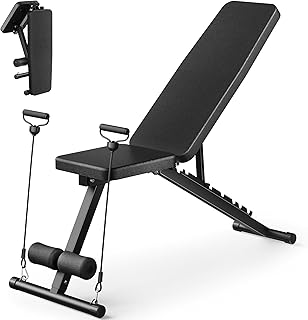
Adjustable Weight Bench for Home Gym
Adjustable Weight Bench for Home Gym punches above its price — 517 buyers rated it 4.5 stars. I would buy it again.
7. Boost Your NEAT for Better Summer Body Workouts

Non-Exercise Activity Thermogenesis (NEAT) is a highly scientific term for all the calories you burn doing normal, boring daily stuff. Walking to your car. Fidgeting at your office desk. Carrying heavy groceries up the stairs. It’s a surprising yet incredibly effective way to burn stubborn fat without spending a single extra minute inside the gym. You can crush your summer body workouts all you want, but if you sit in an ergonomic office chair for nine hours straight afterward, you’re fighting a steep uphill battle.
I used to think my intense one-hour gym session was enough. I’d go home, crash hard on the living room couch, and not move a single muscle until bedtime. My body weight wouldn’t budge a single pound. Now, I strictly aim for 7,000 to 10,000 steps per day. Clinical research indicates this specific range significantly supports weight loss and overall cardiovascular health. I bought a relatively cheap Garmin Forerunner 55 GPS watch at Target for $199.99 specifically to track my daily steps. It physically vibrates on my wrist when I’ve been sitting too long. It’s incredibly annoying, but it absolutely works.
I started taking brisk 15-minute walks around my neighborhood right after lunch. The Texas summer heat hits you like a wet, heavy blanket, but the fresh air wakes your brain up. I also started parking my truck at the very back of the parking lot at the grocery store. It adds a few hundred steps instantly without any real effort. These tiny, seemingly insignificant movements add up to hundreds of extra calories burned every single day. You don’t need to do brutal, joint-destroying HIIT cardio sessions on the treadmill. Just get off your butt and walk more often. Pair this daily movement with a balanced diet, and the fat will start melting off. It’s the lowest-impact, highest-reward habit you can possibly build.
8. Upgrade Your Recovery (Foam Rolling and Cold Plunges)

You don’t actually grow muscle while you’re in the gym. You grow when you recover at home. If you’re constantly sore and fatigued, your next workout will inevitably suffer. I used to mock guys who spent twenty minutes stretching and foam rolling on the gym mats. I thought it was a complete waste of valuable time. Then I hit 30 years old, and my lower back started feeling like rusty door hinges every single morning. I finally integrated 10 to 15 minutes of dedicated foam rolling into my warm-up and cool-down routine. It alleviates stubborn muscle knots and tightness like magic.
I picked up the Pro-Tec Foam Roller for around $43. It’s incredibly dense and digs deep into my tight IT bands. The physical pain is sharp at first, but the muscular relief afterward is incredible. If you want versatile options, the REP Fitness 3-in-1 Foam Roller offers multiple distinct textures for under $40. For deep, stubborn knots in my calves, I eventually upgraded to the Hyperice Vyper 3.0 vibrating roller. It costs a steep $199, but the high-frequency vibration literally melts the tension away.
Beyond rolling, cold water immersion is a massive trending recovery method for 2026. It drastically reduces delayed onset muscle soreness (DOMS) and systemic inflammation. It also blasts your brain with feel-good endorphins. Health experts suggest immersing yourself in cold water between 50 and 59 degrees Fahrenheit (10-15°C) for 5 to 10 minutes post-workout. I don’t own a fancy, expensive plunge tub. I just drive to Kroger, buy four 10-pound bags of plain ice for $2.49 each, and dump them into my master bathtub filled with cold tap water. Stepping into that icy water instantly takes your breath away. Your skin stings violently. Your brain screams at you to get out immediately. But when you finally step out 5 minutes later, your heavy legs feel completely brand new.
Getting in shape for the warmer months shouldn’t feel like a medieval punishment. I’ve wasted way too many summers doing miserable, restrictive crash diets and endless hours of boring treadmill cardio. I’m telling you as a friend, stick to the proven basics. Lift heavy weights consistently, eat your daily protein, get your dietary fiber in, and just move more throughout the normal day. I highly recommend starting with the full-body routine I mentioned earlier and just focusing heavily on progressive overload for the next eight weeks. Don’t try to implement all eight of these changes on day one. You’ll get overwhelmed and quit by Wednesday. Pick two strategies. Master them completely. Then add more as you build momentum. Pin this article or save it to your phone’s bookmarks so you can reference these exact numbers, protein targets, and specific products next time you’re standing in the supplement aisle at the store. You’ve got this.
Frequently Asked Questions
How often should I do summer body workouts?
For the best results, you should aim for full-body summer body workouts two to three times a week. This frequency engages more muscle fibers and allows for adequate recovery compared to traditional isolated body part splits.
What should I eat before my summer body workouts?
If you’re eating two to four hours before, consume 30 to 50 grams of complex carbs like oats. If you only have 30 minutes, grab a simple carb like a banana for quick, easily digestible energy.
How much protein do I need to build a summer body?
You need to aim for 1.6 to 2.2 grams of protein per kilogram of body weight daily. For a 154-pound person, that’s roughly 112 to 154 grams of protein to maximize muscle synthesis.
Is walking enough cardio for summer body workouts?
Yes, boosting your Non-Exercise Activity Thermogenesis (NEAT) by walking 7,000 to 10,000 steps daily is incredibly effective for fat loss when paired with a balanced diet and regular strength training.
