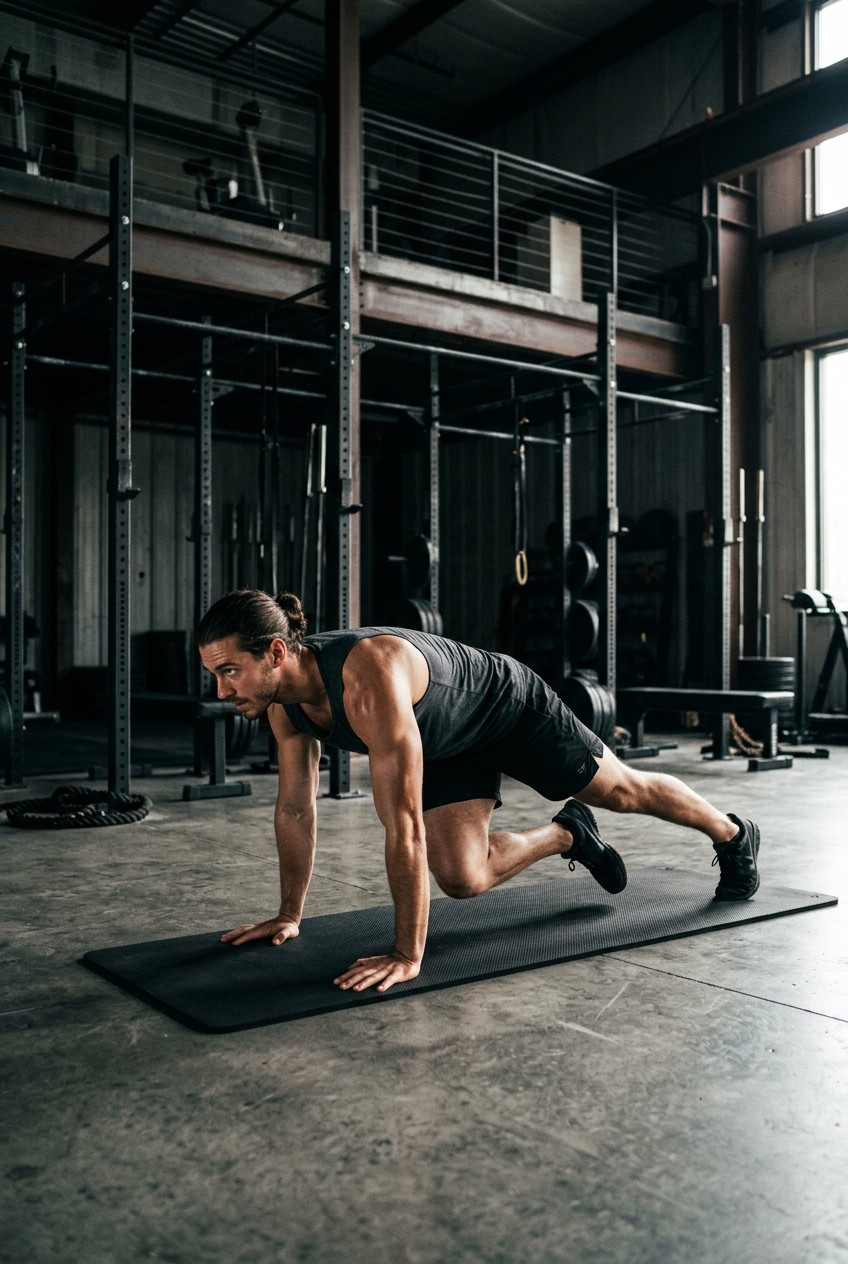
What’s Inside
- 1. Stop Holding Your Breath And Start Belly Breathing
- 2. Oblique Training Is Actually Functional (Not Just For Looks)
- 3. You’re Overworking Your Abs (Give Them A Break)
- 4. Wearable Tech Takes The Guesswork Out Of An Abs And Cardio Workout
- 5. Fuel Your Recovery With Protein Post-Cardio
- 6. Stop Arching Your Back During Floor Exercises
- 7. Slow Down Your Reps For Increased Time Under Tension
- 8. Compound Movements Build Better Core Strength
- 9. The $15 Tool That Ruins My Life (In A Good Way)
- 10. Don’t Kill Your Gains With Endless Cardio
- 11. Dial In Your Zones For A Killer Abs And Cardio Workout
- 12. Ditch The Crunches For Quality Flexion And Hybrid Workouts
I spent last Tuesday at Whole Foods hunched over a shopping cart because my lower back was screaming in pain. I was leaning on the handle near the produce section, grimacing while trying to load a 12-pack of sparkling water and 2 lbs of ground turkey into my trunk. I realized my latest abs and cardio workout was completely flawed. I was doing endless sit-ups on the hard floor, holding my breath until my face turned purple, and wondering why I wasn’t seeing any actual muscle definition. I tried this wrong for months before figuring it out. Took me years, actually. The truth is, most people completely misunderstand how to train their core while managing their cardio. They just throw themselves at the floor, sweat a lot, and hope for the best. Skip the blind guessing. It leads straight to injury and frustration. I’ve rebuilt my entire routine from scratch, focusing on biomechanics and smart recovery. Let’s break down how to fix your routine, drop the useless exercises, and start seeing progress without destroying your spine.
1. Stop Holding Your Breath And Start Belly Breathing

I used to hold my breath during every single crunch. I’d turn red, get dizzy, and basically suffocate myself. Don’t just hold your breath during ab exercises. You’ve got to practice diaphragmatic breathing, or belly breathing. Inhale deeply through your nose, letting your belly rise. Then exhale slowly, feeling your belly lower. This technique strengthens your diaphragm and engages the transverse abdominis. Think of that muscle as your body’s natural weightlifting belt. My physical therapist told me to use 360-degree breathing. Focus on expanding your breath into your ribs, your sides, and your lower back. You should literally feel your lower ribs pushing outward against your shirt. It feels strange at first, like your stomach is an inflating balloon. It engages the entire core system, including your pelvic floor and deep abdominals. I practice this on a basic All in Motion yoga mat I bought at Target for $15.99. The chemical smell of the new foam was awful, but it faded after a week on my porch. I spend five minutes before my workout just lying flat, placing one hand on my stomach and one on my chest. If my chest rises first, I’m doing it wrong. Force the air deep down. Lying on that mat and practicing my breathing changed everything. You can’t ignore this. If you aren’t breathing right, your core isn’t bracing right.
2. Oblique Training Is Actually Functional (Not Just For Looks)

Beyond looking good in a swimsuit, strong obliques are crucial for rotational power and spinal stability. They prevent injuries when you twist to grab something heavy out of the backseat of your car. I ignored my obliques for years. I thought they just made your waist look wider. I was wrong. You need to integrate oblique-specific training for functional strength. I highly recommend exercises like Russian twists. Do exactly 20 reps per set, keeping your heels glued to the floor. You can also do Pallof presses, which involve resisting rotation with a resistance band or a cable machine. It engages deep stabilizers that standard crunches miss. I use a basic SPRI resistance band I picked up at Walmart for $9.98. The red rubber snaps against my arm sometimes if I lose my grip, which stings like crazy. But it works better than anything else. Keep your feet exactly shoulder-width apart. Bend your knees slightly. Grip the handle with both hands, interlocking your fingers. Stand perpendicular to the anchor point, push the band straight out in front of your chest, and fight the urge to twist. It’s brutal. Your sides will cramp up instantly if you do it right.
3. You’re Overworking Your Abs (Give Them A Break)

A common mistake is working your abs daily. I used to blast my core seven days a week. I thought more work meant more results. Like any other muscle, your abs need rest to repair and grow. Aim to train your core just 2 to 3 times per week. Focus on quality to prevent fatigue, plateaus, and injury. I learned this the hard way when my core was so fried I couldn’t even sit up straight in my office chair. Now, I schedule specific rest days to let the muscle fibers heal. On my off days, I soak in a hot bath with Dr. Teal’s Epsom Salt that I grab from Trader Joe’s for $4.99 a bag. I run the water as hot as I can stand it, pour in a full cup of the salts, and soak for exactly 20 minutes. The heat increases blood flow to the micro-tears in the abdominal wall. The strong eucalyptus smell clears my sinuses while the magnesium relaxes my cramped muscles. Don’t overtrain your abs. Allow for recovery. You won’t lose your progress by taking a day off. You actually secure it. Muscle growth happens when you’re resting, not when you’re sweating on the gym floor. You might also like: 15 Creative Inside She Sheds Home Gym Setup Ideas to Steal Right Now

NICEPEOPLE Adjustable Weight Bench for Home Gym
NICEPEOPLE Adjustable Weight Bench for Home Gym has been one of the most consistently praised picks in this category. 32 reviewers averaged 4.5/5.
4. Wearable Tech Takes The Guesswork Out Of An Abs And Cardio Workout

Wearable technology has evolved way beyond basic step tracking. These devices monitor blood pressure, sleep quality, and oxygen levels. For precise tracking, devices like the Polar H10 Heart Rate Sensor are incredible. It costs exactly $104.04. You can also look at the Garmin HRM-Pro Plus. They provide highly accurate heart rate data. This allows for real-time intensity adjustments and personalized recovery insights. I personally swear by my chest strap. The cold plastic against my chest at 6 AM is a rude awakening, but the data is worth the initial shock. The strap syncs instantly to my phone via Bluetooth. I can look down at my screen and see my heart rate sitting at exactly 135 beats per minute. I used to guess my heart rate based on how hard I was breathing. I was always wrong. Now I know exactly when I’m in the fat-burning zone during an abs and cardio workout. Embrace wearable technology for personalized insights. It stops you from spinning your wheels. If you aren’t tracking your heart rate, you’re just guessing. Stop guessing and start measuring your actual output. You might also like: 20 Gorgeous Garage Home Gym Setup Ideas to Steal Right Now
5. Fuel Your Recovery With Protein Post-Cardio

After an intense session, you need 20 to 40 grams of high-quality protein within 30 to 60 minutes. This kickstarts muscle repair and glycogen replenishment. My sports dietitian told me to pair protein with carbohydrates at a 3 to 1 ratio. That means three parts carbs to one part protein for optimal recovery. Good sources include a 150-gram chicken breast or a solid protein shake. I usually mix one scoop of Optimum Nutrition Gold Standard Whey with 1/2 cup of frozen berries, 2 tablespoons of peanut butter, and 8 oz of almond milk. I buy the massive 5-pound bag at Costco for $64.99. I shake it vigorously in a plastic BlenderBottle for 30 seconds until the powder is completely dissolved. No clumps. No chalky aftertaste. Skip the fat-free, artificially sweetened stuff. It tastes like wet cardboard. Honestly, this changed how I recover. I used to just drink water and starve until dinner. I felt weak, shaky, and drained. Now, the sweet, creamy chocolate whey fills me up and stops the muscle cramps before they start. You can’t out-train a terrible recovery diet. You might also like: 15 Creative Workout Motivation Tips You Haven’t Thought Of
6. Stop Arching Your Back During Floor Exercises

A frequent mistake, especially in exercises like sit-ups and bicycle crunches, is arching the back. This stresses the back muscles and leads to pain. I did this for years. I’d crank out fifty messy sit-ups, violently throwing my neck forward and arching my lower back off the floor. I used to do this on a thin carpet, feeling my tailbone grind against the hard floorboards underneath. The next day, my lower back felt like it was hit by a truck. I had to rub sticky, cold Boiron Arnica Gel all over my lumbar spine. I buy it at Sprouts for $11.99 a tube. Focus on maintaining a neutral spine position. Press your lower back firmly into the floor. Engage your core to protect your lower back and maximize muscle activation. If you can’t keep your back flat, you’re going too low with your legs or doing a variation that’s too advanced. Regress the movement. Protect your spine at all costs. An injury won’t just ruin your workout, it ruins your entire week.

OLIXIS Adjustable Weight Bench for Full Body Strength
If you want something that just works, OLIXIS Adjustable Weight Bench for Full Body Strength Training is a safe bet (30 reviews, 4.5 stars).
7. Slow Down Your Reps For Increased Time Under Tension

Completing ab exercise repetitions too quickly often means you’re not fully engaging the muscles. If you can finish a rep in under 2 seconds, slow down. You need to focus on controlled movements and feeling the contraction in your abdominal muscles. This is especially true for exercises like crunches and sit-ups. Most people get this wrong. They treat ab work like a race. I used to bounce off the floor, using momentum instead of actual muscle fiber. I started using a basic digital timer. I literally bought a cheap Casio F91W watch at Target for $14.99 just to time my sets. The sharp little beep keeps me honest. I take three full seconds on the way up, squeeze for one solid second at the top, and take three seconds on the way down. By the eighth rep, my upper abs are literally shaking. You can see the muscle trembling through my shirt. The burn is intensely deep. It feels like a hot iron pressing against my stomach. Slower reps mean faster results.
8. Compound Movements Build Better Core Strength

While targeted ab exercises are important, compound movements like squats and deadlifts also engage multiple core muscles simultaneously. They promote functional fitness and overall core strength. You don’t just build abs on the floor. You build them under a heavy barbell. I remember the first time I properly braced my core for a heavy back squat. I took a massive breath, pushed my stomach out against my leather lifting belt, and felt my entire midsection turn to concrete. I plant my flat-soled Chuck Taylors into the rubber matting, grip the cold steel, and push the floor away. I lift with a Rogue Ohio Bar that cost me exactly $295. The sharp metal knurling tears up the calluses on my hands, but the core activation is unmatched. If you don’t have a barbell, grab a 35-pound kettlebell from Target for about $25. Hold it in a goblet position right against your chest and squat deep. Your abs have to work incredibly hard just to keep you from falling forward.
9. The $15 Tool That Ruins My Life (In A Good Way)

Utilize an ab roller for a challenging full-core workout. The REP Fitness Ab Roller is priced at approximately $15. It’s a budget-friendly option that effectively engages your entire core and upper body. Ensure controlled movement. Keep your core tight to prevent your lower back from arching. I have a love-hate relationship with this piece of plastic. The first time I used it, I let my hips drop, lost tension, and faceplanted onto my garage floor. The hard plastic wheel scraped loudly against the concrete. My nose throbbed for an hour. You have to squeeze your glutes and pull your belly button to your spine. Take a deep breath in before you roll. Exhale sharply through your teeth as you pull the wheel back to your knees. Roll out only as far as you can control. It stretches your abs under extreme tension. The soreness the next day is a deep, aching reminder that you actually worked hard. If you aren’t using an ab roller, you’re missing out on the best core engagement possible.
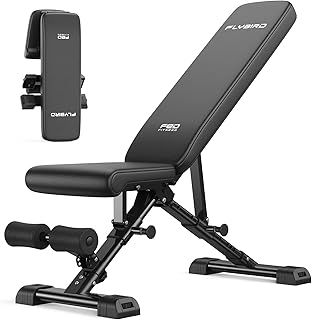
FLYBIRD WB5 Weight Bench
FLYBIRD WB5 Weight Bench has been one of the most consistently praised picks in this category. 259 reviewers averaged 4.5/5.
10. Don’t Kill Your Gains With Endless Cardio
Don’t neglect cardio, but don’t overdo it for abs. While cardio is essential for reducing overall body fat, endless high-intensity cardio sessions can hinder long-term progress. They increase your recovery time and eat into your muscle mass. Instead, focus on increasing your general movement output. Try adding an extra 10 percent to your daily step count. I used to run five miles a day thinking it would carve out a six-pack. My knees ached constantly, and I was always starving. I swapped the endless running for brisk, low-intensity walking. I take a two-mile loop around my neighborhood right after dinner. The cool evening air is a massive upgrade from a stuffy gym. I wear Hoka Clifton 9 shoes that cost $145. The thick foam soles feel like walking on marshmallows. I just clip a cheap $5.99 pedometer from Kroger to my waistband and make sure I hit exactly 12,000 steps a day. The fat melted off, and my core looked better than ever. You don’t need to suffer on a treadmill for hours.
11. Dial In Your Zones For A Killer Abs And Cardio Workout

Consider a quality heart rate monitor for optimal cardio zones. For precise cardio training, invest in a reliable heart rate monitor. The Wahoo Fitness TICKR FIT Optical Heart Rate Monitor is an armband style device. It costs $79.99. It’s praised for comfort and accuracy. It often includes two adjustable armbands for a better fit. I hate chest straps when I’m doing floor work. The plastic buckle digs into my ribs. The TICKR FIT wraps right around my forearm. The battery lasts for 30 hours, so I only have to charge it once a month using the small magnetic USB cable. The soft velcro strap gets soaked in sweat, smelling a bit like old gym socks by Friday, but it never slips down my arm. Knowing exactly when I hit zone 2 cardio means I burn fat efficiently without burning out my central nervous system. I can easily transition from a brisk incline walk straight into my core routine feeling energized. Dialing in your zones is the secret to a killer abs and cardio workout.
12. Ditch The Crunches For Quality Flexion And Hybrid Workouts

Focus on quality over quantity in ab exercises. Instead of performing endless crunches, prioritize exercises that create high tension through spinal flexion. You want to minimize hip flexor contribution and allow for progressive overload. Weighted decline crunches consistently show higher upper rectus abdominis activation. Also, explore trending hybrid workouts for efficiency. Routines that alternate between cardio bursts, like 45 seconds of jumping jacks, and core exercises, like 45 seconds of crunches, maximize calorie burn. By the end of the jumping jacks, sweat is stinging my eyes. Then I drop straight onto the machine for the crunches. You can strengthen your core in a single 30-minute session. Invest in a versatile ab machine for home workouts if you want dedicated equipment. The OWLSKY OB machine runs around $71.96. The HOTSWAT OB workout equipment is about $89.96. They offer adjustable difficulty levels and incline settings. The padded knee rests on these machines squeak a little when you move fast, but they allow for serious progressive overload. Stop wasting time on flat crunches and start adding real resistance.
That’s my exact blueprint for building a stronger core without destroying your lower back. I wasted years doing useless sit-ups and holding my breath until I was dizzy. Stop making those same mistakes right now. Grab a timer, slow your reps down, and start lifting heavy. I personally swear by the ab roller and a solid daily step count over endless treadmill sprints. If you found this breakdown helpful, pin this article to your favorite fitness board so you don’t lose these specific tips. Now go get to work.
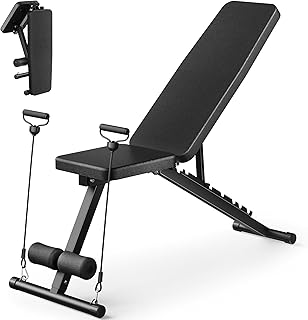
Adjustable Weight Bench for Home Gym
Honestly, Adjustable Weight Bench for Home Gym surprised me — sturdier than it looks in the photos, and over 511 buyers gave it 4.5 stars.
Frequently Asked Questions
How often should I do an abs and cardio workout?
You should aim to train your core 2 to 3 times per week. Your abdominal muscles need adequate rest to repair and grow, just like any other muscle group. Daily training often leads to burnout and poor form.
Do I need equipment for a good abs and cardio workout?
While bodyweight exercises work, inexpensive tools like a $15 ab roller, a resistance band for Pallof presses, and a reliable heart rate monitor dramatically improve your results by adding necessary tension and tracking your exact effort levels.
Should I do cardio before or after abs?
It’s generally best to do your heavy core and strength work first while your muscles are fresh. Follow it up with your cardio session, or try a hybrid routine that alternates bursts of cardio with core exercises.
Why does my lower back hurt during ab exercises?
Lower back pain usually happens because you’re arching your spine instead of keeping it neutral. Press your lower back firmly into the floor during movements like bicycle crunches, and slow your reps down to maintain proper tension.
2 thoughts on “12 Abs And Cardio Workout Worth Trying”