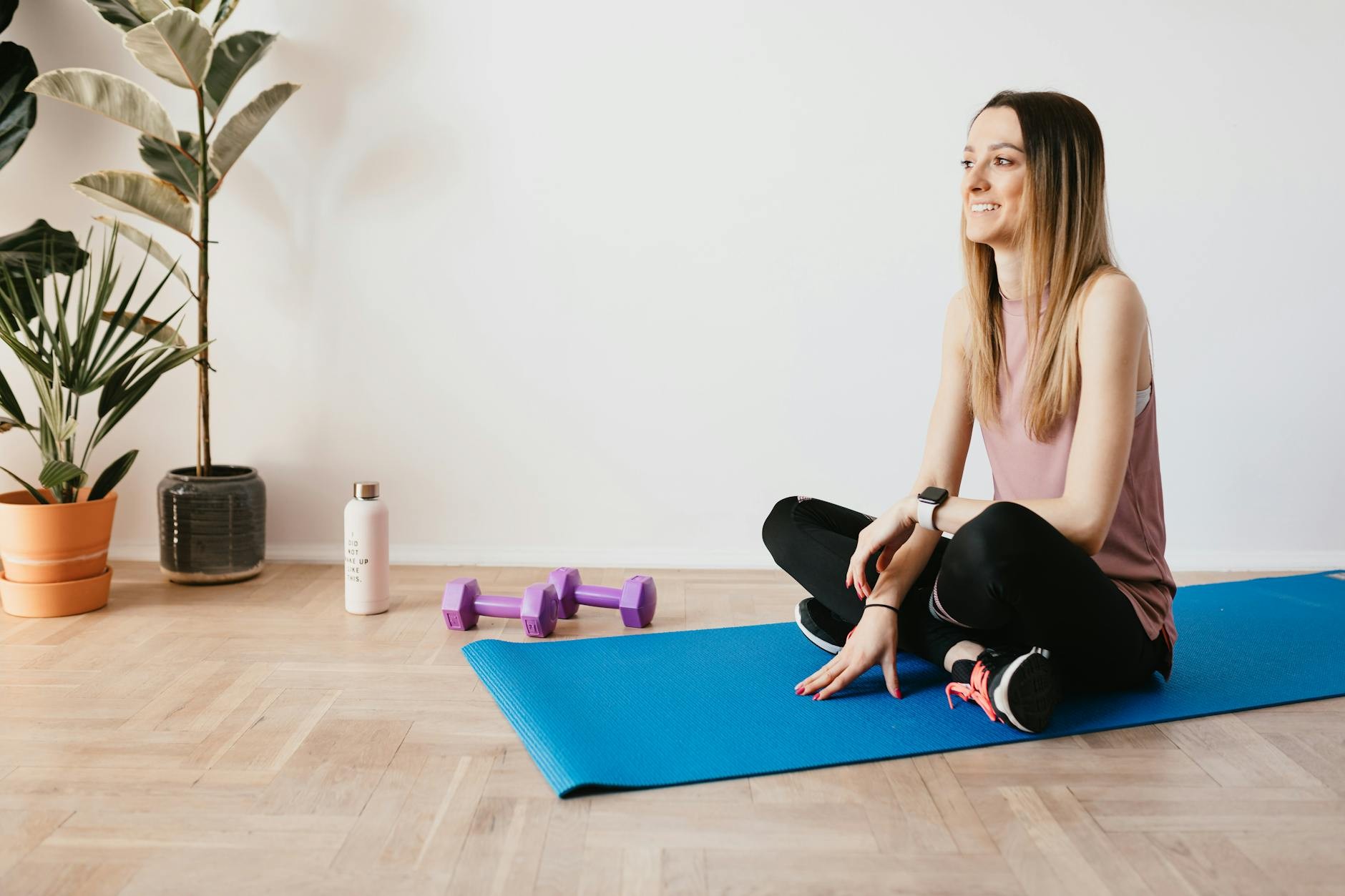
What’s Inside
- 1. The Classic Compression Short and Loose Tank Combo
- 2. The Barefoot-Friendly Jogger Setup
- 3. The High-Waisted Legging and Crop Top Power Move
- 4. The Oversized Tee and Bike Short Essential
- 5. The Supportive Sports Bra and Matching Legging Set
- 6. The Layered Look for Cold Home Gyms
- 7. The Minimal Equipment Outfit for Bodyweight Days
- 8. The Sweat-Wicking Performance Outfit
- 9. The Squat-Proof Legging and Long Top Combination
- 10. The Supportive Shoe and Sock Setup
- 11. The Postpartum-Friendly Workout Outfit
- 12. The Hot Weather Home Workout Outfit
- 13. The Adjustable Outfit for Variable Intensity
- 14. The Budget-Friendly Complete Outfit
- 15. The Athleisure Outfit That Transitions to Errands
- 16. The Functional Pocketed Workout Outfit
- 17. The Injury-Friendly Supportive Outfit
- 18. The Yoga and Flexibility Focused Outfit
- 19. The Strength Training Specific Outfit
- 20. The Recovery Day Comfortable Outfit
I spent two years training clients in their living rooms before I realized most people struggle more with what to wear than what exercises to do. The right outfit home workout ideas can literally make the difference between crushing a session and quitting after ten minutes because your shorts keep riding up. After testing dozens of combinations in my own garage gym, I’ve figured out what actually works versus what just looks good on Instagram.
Your home workout wardrobe needs to be different from your gym gear. There’s no locker room to change in, no one to impress, and honestly, comfort matters way more than you think. I’m sharing 20 outfit home workout ideas that I’ve personally tested, including the mistakes I made so you don’t have to.
1. The Classic Compression Short and Loose Tank Combo

This is my go-to 80% of the time. I wear 7-inch compression shorts (Nike Pro or Target’s All in Motion brand for $18) with an oversized cotton tank. The compression keeps everything in place during burpees and mountain climbers, while the loose top prevents that suffocating feeling you get with tight sports bras during high-rep work.
Most people make the mistake of buying compression shorts that are too long. Anything past 9 inches bunches behind your knees during squats. I learned this the hard way doing Bulgarian split squats and constantly adjusting mid-set. The sweet spot is 5-7 inches for maximum mobility.
Pro tip: Skip the expensive compression shorts for home workouts. I’ve tested $80 pairs against $20 Target brands, and for home training where you’re not washing them multiple times per day, the cheaper ones hold up fine. Save your money for quality shoes instead.
2. The Barefoot-Friendly Jogger Setup

I train barefoot at home about half the time, especially for lower body work. For this, I wear lightweight joggers with a tapered ankle (Adidas Tiro or Old Navy’s Active joggers at $25) and a fitted long-sleeve shirt. The tapered ankle prevents fabric from getting caught under your feet during lunges or step-ups.
Regular sweatpants are terrible for home workouts because the elastic bunches at your ankles and creates a tripping hazard. I face-planted during box jumps once because of this exact issue. The fabric needs to sit snug against your lower leg without restricting blood flow.
This outfit works perfectly for strength training days when you’re not doing a ton of jumping. The joggers provide warmth if your home gym is in a basement or garage, and the fitted long-sleeve prevents your shirt from falling over your face during inverted movements. I personally swear by this combination for early morning sessions when I haven’t fully warmed up yet.
3. The High-Waisted Legging and Crop Top Power Move

High-waisted leggings changed my entire perspective on core work at home. I use 25-inch leggings from Lululemon Align ($98) or the CRZ Yoga dupes on Amazon ($28) paired with a longline sports bra or cropped tank. The high waist hits right at your natural waist, which provides gentle compression that reminds you to engage your core.
This is one of the best outfit home workout ideas for ab-focused days because you can actually see your muscles working. That visual feedback matters more than people realize. When I can watch my obliques engage during side planks, I connect with the movement better and get more out of each rep.
Common mistake: buying high-waisted leggings that aren’t actually high enough. The waistband should sit at or above your belly button. Anything lower will roll down during forward folds or downward dogs. I’ve returned at least five pairs because they claimed to be high-waisted but barely covered my hip bones.
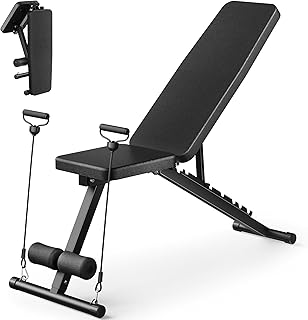
Adjustable Weight Bench for Home Gym
Honestly, Adjustable Weight Bench for Home Gym surprised me — sturdier than it looks in the photos, and over 511 buyers gave it 4.5 stars.
4. The Oversized Tee and Bike Short Essential

This combination is unbeatable for casual workout days or active recovery sessions. I wear an oversized cotton t-shirt (men’s size medium works great for most women, women’s XL for men) with 8-inch bike shorts underneath. The shirt provides coverage and airflow, while the bike shorts prevent chafing and offer modesty during floor work.
I discovered this setup during the pandemic when I was training clients over Zoom. The oversized tee looks presentable on camera while keeping me comfortable during demonstrations. The bike shorts underneath mean I can move freely without worrying about anything showing when I’m demonstrating exercises from different angles.
The key is finding bike shorts with a wide, flat waistband that doesn’t dig in when you’re sitting or lying down. I like the Girlfriend Collective bike shorts ($58) or the Amazon Essentials version ($15) for budget-friendly options. Honestly, this changed how I approach lighter training days at home.
5. The Supportive Sports Bra and Matching Legging Set

I’ll be honest: matching sets are mostly about psychology, but that psychology works. When I wear a coordinated sports bra and legging combo from brands like Gymshark, Set Active, or even Target’s JoyLab line ($25-35 for the set), I train harder. It’s the same reason people perform better in uniforms.
For home workouts with jumping or running in place, you need a high-impact sports bra. I’m talking encapsulation styles with individual cups, not compression-only. The Panache Sport Bra ($65) is my gold standard, though it’s not the prettiest. For lower-impact days, the Target sports bras work fine and cost a fraction of the price.
Pro tip: most people wear sports bras that are too loose. The band should be snug enough that you can only fit two fingers underneath. If it rides up your back during jumping jacks, it’s too big. I sized down in every sports bra I own compared to my regular bra size, and the support improved dramatically.
6. The Layered Look for Cold Home Gyms
My garage gym drops to 45 degrees in winter, so I’ve perfected the layering system. I start with a fitted base layer (32 Degrees Heat base layer from Costco, $12), add a moisture-wicking t-shirt, and top it with a quarter-zip pullover I can remove as I warm up. Bottom half gets fleece-lined leggings or joggers.
The mistake I made initially was wearing cotton layers that trapped sweat against my skin. Once you start sweating in cotton in a cold environment, you’ll stay cold and clammy the entire workout. Synthetic base layers wick moisture away and dry quickly, keeping you comfortable throughout your session.
I keep a small basket in my workout space with extra layers so I can add or remove clothing between exercises. This is especially useful for circuit training where your heart rate fluctuates. Being able to throw on a hoodie between rounds makes a huge difference in workout enjoyment and performance quality.
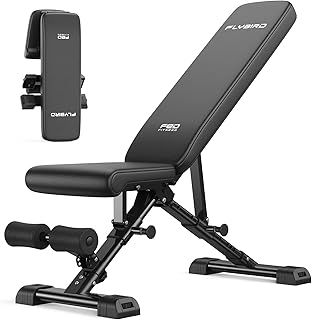
FLYBIRD WB5 Weight Bench
Honestly, FLYBIRD WB5 Weight Bench surprised me — sturdier than it looks in the photos, and over 259 buyers gave it 4.5 stars.
7. The Minimal Equipment Outfit for Bodyweight Days
For pure bodyweight training days, I go ultra-minimal: form-fitting shorts and a fitted tank or sports bra only. This is one of my favorite outfit home workout ideas because you can see exactly how your body moves through space. I use 5-inch shorts from Lululemon Speed Up ($68) or Old Navy Powersoft ($20) with any basic sports bra.
The fitted clothing serves a purpose beyond aesthetics. When doing complex movements like pistol squats or single-leg deadlifts, you need to see your knee tracking and hip alignment. Baggy clothes hide these details and make it harder to correct form issues. I’ve caught knee valgus in clients countless times simply because they could see their legs clearly in fitted shorts.
This outfit also works great for yoga-style workouts or mobility sessions. There’s no fabric bunching in downward dog or getting tangled during hip openers. Just make sure your sports bra provides enough coverage for inverted positions. I learned this during a handstand attempt that didn’t go as planned.
8. The Sweat-Wicking Performance Outfit

For high-intensity interval training at home, you need serious moisture management. I wear technical fabrics exclusively: polyester or nylon blend shorts and shirts designed for running. My favorites are the Brooks Sherpa shorts ($50) paired with any moisture-wicking tee from brands like Nike, Under Armour, or the surprisingly good Russell Athletic line at Walmart ($12).
Cotton is your enemy during HIIT workouts. I don’t care how comfortable it feels initially; once it’s soaked with sweat, it becomes heavy, clingy, and cold. Technical fabrics might feel less soft against your skin, but they’ll keep you comfortable when you’re dripping sweat during burpee intervals.
Common mistake: people buy moisture-wicking clothes but then wash them with fabric softener, which coats the fibers and ruins their wicking properties. I use regular detergent only, no softener, and my technical gear lasts years while maintaining its performance. This tip alone has saved me hundreds in replacement gear.
9. The Squat-Proof Legging and Long Top Combination

Not all leggings are created equal when it comes to squats. I’ve tested dozens, and the ones that pass the squat test are thick enough that you can’t see skin tone through them when stretched. I pair squat-proof leggings (Girlfriend Collective, 90 Degree by Reflex, or Lululemon Align) with a longer tank or tunic-length top that covers my backside.
This combination is essential if you’re filming your workouts for form checks or sharing on social media. The last thing you want is to realize mid-workout that your leggings are see-through. I personally test every pair by doing a deep squat in front of a mirror in good lighting before I wear them for actual training.
The longer top serves double duty: it provides coverage and prevents your shirt from riding up during overhead movements. I look for tops that are at least 26 inches long from shoulder to hem. Regular workout tanks are usually 22-24 inches and constantly need adjusting during my sessions.

OLIXIS Adjustable Weight Bench for Full Body Strength
Honestly, OLIXIS Adjustable Weight Bench for Full Body Strength Training surprised me — sturdier than it looks in the photos, and over 30 buyers gave it 4.5 stars.
10. The Supportive Shoe and Sock Setup

Even though this article focuses on clothing, your shoe choice matters for home workouts. I wear cross-training shoes (Nike Metcon or Reebok Nano, $130-150) for most sessions, paired with mid-calf compression socks. The shoes provide lateral stability for side-to-side movements, while the socks prevent blisters and improve circulation.
Most people make the mistake of wearing running shoes for home strength training. Running shoes have excessive heel cushioning that makes you unstable during squats and deadlifts. I switched to flat-soled cross-trainers two years ago, and my squat stability improved immediately. The difference is dramatic.
Pro tip: if you can’t afford cross-training shoes, train barefoot or in flat-soled shoes like Converse Chuck Taylors ($55). The key is having a stable, non-compressible surface under your feet during strength movements. Save the cushioned running shoes for actual running or cardio-focused days.
11. The Postpartum-Friendly Workout Outfit

After working with dozens of postpartum clients, I’ve learned what actually works during this phase. High-waisted, extra-supportive leggings with a wide waistband (Blanqi or Belly Bandit, $65-88) paired with a nursing-friendly sports bra and loose tank top. The wide waistband provides gentle core support without compression.
This is one of those outfit home workout ideas that requires specific features most regular workout clothes don’t have. The sports bra needs easy access for nursing, which usually means front-zip or clip designs. The leggings need to be high enough to cover any belly concerns but not so tight they cause discomfort.
I recommend avoiding compression leggings immediately postpartum unless cleared by a doctor. The gentle support of high-waisted leggings is different from full compression, which can interfere with healing. Most of my clients transition back to regular compression gear around 3-6 months postpartum, but everyone’s timeline is different.
12. The Hot Weather Home Workout Outfit

Training in a hot home gym requires strategic clothing choices. I wear the shortest shorts I own (3-5 inch inseam) and a moisture-wicking racerback sports bra or tank. The less fabric touching your skin, the better. I like the Lululemon Hotty Hot shorts ($68) or the Champion brand at Target ($20).
The key is choosing light colors that reflect heat rather than dark colors that absorb it. I learned this the hard way wearing black leggings in my garage during summer. The fabric got so hot it was uncomfortable against my skin. Now I stick to white, light gray, or pastels for hot weather training.
Honestly, this changed how I approach summer workouts at home. I also keep a small fan pointed at my workout space and a cold towel nearby. The outfit alone won’t solve the heat problem, but wearing minimal, light-colored, moisture-wicking gear makes a significant difference in comfort and performance.

NICEPEOPLE Adjustable Weight Bench for Home Gym
If you want something that just works, NICEPEOPLE Adjustable Weight Bench for Home Gym is a safe bet (32 reviews, 4.5 stars).
13. The Adjustable Outfit for Variable Intensity

Some home workouts mix high and low intensity, requiring outfit flexibility. I wear shorts with a loose-fitting button-up athletic shirt or zip-up hoodie over a sports bra. This lets me adjust coverage based on intensity. The Vuori Ponto Performance Pant ($89) or similar joggers with a zip-off hoodie work perfectly.
This setup is ideal for workouts that start with a strength circuit, move into HIIT, then finish with yoga or stretching. You can remove the top layer as you heat up and add it back during cool-down. I keep my outer layer within arm’s reach during these sessions.
Pro tip: choose outer layers with zippered pockets to hold your phone or earbuds. I use my phone for workout timers and music, and having a secure pocket means I’m not constantly putting it down and picking it up between exercises. The small details matter for workout flow at home.
14. The Budget-Friendly Complete Outfit
You don’t need expensive gear to train effectively at home. My budget outfit consists of Target’s All in Motion leggings ($25), a Hanes sports bra ($15), and an old t-shirt. Total cost under $45, and it performs nearly as well as my $200+ outfits for most home workout scenarios.
I’ve tested budget brands extensively because most of my clients can’t afford premium activewear. The quality gap has narrowed significantly in recent years. Old Navy, Target, Walmart’s Athletic Works, and Amazon’s Core 10 brand all produce decent workout clothes that hold up to regular home training.
The main difference between budget and premium gear is durability and special features. Budget leggings might pill faster or lose elasticity sooner, but for someone working out 3-4 times per week at home, they’ll last a solid year. That’s good enough value for most people. Save your money for quality equipment instead of expensive clothes.
15. The Athleisure Outfit That Transitions to Errands

Sometimes I need to run errands right after my home workout. For these days, I wear outfit home workout ideas that look presentable in public: matching jogger and hoodie set (Athleta, Outdoor Voices, or Target’s JoyLab, $60-120 for the set) with clean sneakers. The key is choosing darker colors that hide sweat marks.
This outfit works for moderate-intensity workouts where you won’t get completely drenched. I’m talking strength training, pilates, or yoga sessions rather than HIIT or running. The joggers need to be tapered and fitted, not baggy, and the hoodie should be a technical fabric that doesn’t show sweat.
Common mistake: trying to make this work with cotton. Cotton shows every drop of sweat and looks sloppy after a workout. Stick with polyester or nylon blends that dry quickly and maintain their shape. I learned this after showing up to the grocery store looking like I’d just jumped in a pool.

Adjustable Weight Bench
Honestly, Adjustable Weight Bench – 1000LBS Capacity Heavy Duty Foldable Workout surprised me — sturdier than it looks in the photos, and over 168 buyers gave it 4.5 stars.
16. The Functional Pocketed Workout Outfit
Pockets are criminally underrated in workout clothes. I specifically buy leggings and shorts with side pockets large enough for my phone (iPhone 13 fits in most 5-inch pockets). My go-to brands are 90 Degree by Reflex on Amazon ($24) and Senita Athletics ($58), both featuring multiple pockets.
Having pockets during home workouts means I can keep my phone with me for timers, music control, and workout apps without setting it down constantly. This might seem minor, but it significantly improves workout flow. I’m not walking across the room to change songs or check my interval timer.
Pro tip: test the pocket depth before buying. Some leggings claim to have pockets but they’re so shallow your phone bounces out during jumping movements. I do a few jumping jacks in the dressing room to test pocket security. If the phone stays put, the leggings pass the test.
17. The Injury-Friendly Supportive Outfit
When dealing with injuries, your outfit needs to support recovery. For knee issues, I wear compression knee sleeves (Rehband or Bauerfeind, $40-90) with shorts that don’t restrict the sleeves. For lower back concerns, I use a lifting belt during certain exercises and wear leggings with a wide, supportive waistband.
This is where investing in quality support gear matters more than the actual clothing. The compression sleeves need to stay in place during movement without sliding down. Cheap ones from Amazon constantly migrate during squats. I’ve tested dozens and the Rehband 7mm sleeves are worth the $50 price tag.
I also recommend seamless clothing when recovering from injuries because seams can rub against sensitive areas. Brands like Gymshark Seamless or the Amazon brand Core 10 Seamless line provide smooth fabric that won’t irritate healing skin or create pressure points on injured areas.
18. The Yoga and Flexibility Focused Outfit

Yoga at home requires specific clothing considerations. I wear full-length leggings (never capris or shorts) with a fitted tank or long-sleeve shirt that stays put during inversions. The leggings need to be opaque and have a drawstring or secure waistband that won’t slide down during downward dog.
This is one of those outfit home workout ideas where fit matters more than brand. The clothes need to move with you without shifting or bunching. I prefer four-way stretch fabrics that allow full range of motion in all directions. The Lululemon Align fabric is the gold standard, but the CRZ Yoga dupes on Amazon ($28) are 90% as good.
Pro tip: avoid clothing with loose hems or excess fabric during yoga. I once got tangled in my own shirt during a shoulder stand. Now I tuck in loose shirts or wear fitted tops only. The fewer distractions during yoga, the better your practice becomes.
19. The Strength Training Specific Outfit

Heavy strength training days require different gear than cardio days. I wear fitted shorts or leggings with a fitted shirt, plus a lifting belt for heavy compounds. The fitted clothing lets me see bar path during squats and deadlifts, which is crucial for form. I add wrist wraps and lifting shoes (Adidas Adipower, $200) for max effort days.
The clothing needs to be fitted but not restrictive. You need full range of motion for deep squats and overhead presses. I test this by doing an overhead squat in the outfit before buying it. If I feel any restriction in the bottom position or overhead, the clothes are too tight.
Common mistake: wearing loose, baggy clothes during strength training because you think it looks tough. You can’t see your form in baggy clothes, and loose fabric can actually be dangerous around barbells and equipment. I’ve seen shirts get caught on barbell knurling during deadlifts. Fitted clothing is safer and more functional.
20. The Recovery Day Comfortable Outfit

Active recovery days call for maximum comfort. I wear soft, stretchy joggers (Vuori or Target’s Colsie brand, $35-89) with a loose hoodie and compression socks. This outfit is perfect for walking, light stretching, or foam rolling sessions at home. The focus is comfort over performance.
The joggers need to be soft against your skin without being restrictive. I look for modal or bamboo blends that feel luxurious but still wick moisture during light movement. The hoodie provides warmth during slower-paced activities when your heart rate stays low and you might get cold.
I personally swear by wearing compression socks during recovery days. They improve circulation and reduce muscle soreness, especially if you’re doing active recovery walking or easy cycling. The combination of comfortable clothing and compression socks has noticeably improved my recovery between hard training days. This might be my favorite outfit for home workout days when I’m focusing on recovery rather than intensity.
These 20 outfit home workout ideas cover every scenario I’ve encountered in years of training at home. The key is matching your outfit to your workout intensity, environment, and personal comfort preferences. Start with a few basic combinations and build from there as you figure out what works for your body and training style. Save this guide and refer back to it when you’re planning your home workout wardrobe. Your clothing choices matter more than you think for workout consistency and performance.
Frequently Asked Questions
What should I wear for home workouts if I’m on a budget?
Target’s All in Motion leggings ($25), a basic sports bra from Hanes ($15), and any comfortable t-shirt work great. Old Navy and Walmart’s Athletic Works line also offer quality options under $50 for a complete outfit that performs well for most home training.
Do I really need special clothes for working out at home?
Yes, proper workout clothes improve performance and comfort. Moisture-wicking fabrics prevent discomfort during sweaty sessions, fitted clothing helps you see your form, and appropriate support (like sports bras) prevents injury. Regular clothes restrict movement and become uncomfortable quickly.
What’s the best outfit for high-intensity home workouts?
Wear compression shorts (5-7 inches) with a moisture-wicking tank or sports bra. Choose technical fabrics like polyester or nylon that dry quickly. Avoid cotton completely as it stays wet and becomes heavy. Cross-training shoes provide better stability than running shoes.
How do I know if my workout leggings are squat-proof?
Do a deep squat in good lighting in front of a mirror. If you can see your skin tone through the fabric when stretched, they’re not squat-proof. Look for thicker fabrics and test before buying. Darker colors also hide more than light colors.
2 thoughts on “20 Inspiring Outfit Home Workout Ideas That Changed Everything”