What’s Inside
- Master the 10-Minute Daisy Keech Ab Workout Circuit
- Prioritize Squeeze Over Speed
- Stop Skipping Oblique Training
- Strengthen Your Entire Core with Bird Dogs
- Master Diaphragmatic Breathing
- Hydration is Mandatory for Muscle Recovery
- Fuel Growth with High-Quality Protein
- The Harsh Truth About Waist Genetics
- Take Rest Days to Drop Cortisol
- Foam Rolling and the 2026 EMS Trend
- Progressing the Daisy Keech Ab Workout
I tried the viral Daisy Keech ab workout last Tuesday on my living room rug and ended up with a stiff neck and a bruised ego. I thought a basic ten-minute bodyweight routine would be a complete joke for a trainer like me. I was wrong. The burn in my upper stomach was intense, but I quickly realized why so many people complain about lower back pain after trying it. I’m Ryan, a fitness trainer and gear reviewer who tests internet routines so you don’t have to break yourself figuring them out. I tried this wrong for months—it took me years to figure out, honestly—and I’m here to tell you exactly how to tweak this routine so you actually get results without wrecking your spine.
There’s a lot of hype around this specific routine, mostly focused on getting an hourglass shape. But as a guy who just wants a strong, functional core that doesn’t quit during heavy squats, I had to make some serious adjustments. Let’s break down exactly what works, what to skip, and how to fuel your body to make those ten minutes count.
1. Master the 10-Minute Daisy Keech Ab Workout Circuit

The core of the Daisy Keech ab workout is a brutal ten-minute circuit. You’re performing nine specific exercises back-to-back for one minute each, with zero rest in between. The lineup includes basic crunches, bicycle kicks, jack knives (15 per side), Russian twists, toe taps, bicycle crunches (15 per side), scissor kicks, reverse crunches, and butterfly kicks. It’s a high-intensity format designed for total muscle fatigue.
The first time I attempted this, I was using a cheap, paper-thin $15.99 yoga mat I bought at Target years ago. By minute four, my tailbone was grinding into the hard wood floor, and sweat was pooling under my hands. You need a thick, supportive mat if you’re going to survive ten minutes of constant floor work. I recommend picking up a 1/2-inch thick foam mat, which usually runs about $29.99 online.
The lack of rest is what catches most people off guard. Your anterior abdominals will start screaming around the Russian twist mark. If you can’t make it the full minute, don’t just collapse. Pause for three seconds, take a breath, and jump right back in. The goal is time under tension. You aren’t trying to set a speed record. You’re just trying to keep moving until the timer beeps.
2. Prioritize Squeeze Over Speed

A massive mistake I see in online workout videos is the complete lack of explicit form cues. People just fling their legs around. To maximize effectiveness and prevent a trip to the chiropractor, you have to focus on slow, controlled movements. Ensure your abdominal muscles are engaged throughout each repetition rather than relying on momentum.
I was at Sprouts last week buying a $4.49 bottle of ginger kombucha when I saw a guy in the checkout line standing with the worst anterior pelvic tilt I’ve ever seen. That same arched back is exactly what happens when you rush through scissor kicks. Your lower back peels off the floor, and your hip flexors take over completely.
Pro tip: pin your lower back to the mat. Imagine there’s a $100 bill under your lumbar spine and someone is trying to pull it out. Don’t let them. If you have to slow down to half-speed to keep your back flat during reverse crunches, do it. Ten perfect, agonizingly slow reps will build more muscle than fifty sloppy ones. I promise you’ll feel a massive difference in your upper abs the next day. Trust me on this.
3. Stop Skipping Oblique Training

The original creator intentionally avoids oblique exercises because she claims they widen the waist. As a trainer, I have strong opinions on this. Skipping obliques is a terrible idea. A balanced core is crucial for overall stability, protecting your spine, and everyday health. You need those side muscles to rotate and bend safely.
I tried ignoring my obliques for a few months back in 2021. My heavy barbell squats suffered instantly because my core couldn’t stabilize the weight. You have to add oblique work back into this routine. I highly suggest incorporating side planks. Hold them for 30 to 60 seconds per side. The first time I added these back in, my whole body was shaking violently by second 45.
You can also upgrade the standard Russian twists. Instead of just tapping your hands quickly side to side, hold a 10 lb dumbbell (you can grab a basic rubber hex dumbbell for about $14.99 at most sporting goods stores). Perform a slow, controlled rotation for 12 to 15 reps per side. Your obliques act like a natural corset for your torso. Train them hard, and your whole midsection will look and function better. You might also like: 15 Brilliant Man Shed Home Gym Setup Ideas to Transform Your Space
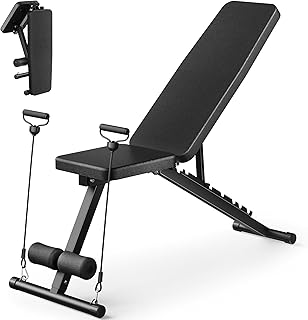
Adjustable Weight Bench for Home Gym
A dependable everyday pick — Adjustable Weight Bench for Home Gym pulls in 517 ratings at 4.5 stars. Not flashy, just solid.
4. Strengthen Your Entire Core with Bird Dogs

This circuit heavily targets the front of your stomach and your hip flexors. If you only train the front of your body, you’re begging for muscular imbalances and terrible posture. To protect your spine, you must engage your posterior core muscles. The absolute best way to do this without equipment is the Bird Dog. You might also like: 20 Inspiring Journal Home Workout Ideas You Haven’t Thought Of
I tweaked my lower back a few years ago doing heavy deadlifts. I walked into Kroger later that day to buy a 32 oz blue Gatorade ($2.49) and could barely bend over to grab it off the bottom shelf. My physical therapist assigned me Bird Dogs, and they fixed my back entirely. You get on all fours, brace your stomach, and extend your right arm and left leg straight out. Hold for two seconds, then switch. You might also like: 15 Creative Workout Motivation Tips You Haven’t Thought Of
Perform 8 to 10 slow, controlled repetitions per side before or after the main circuit. The honest truth is that the first time I did Bird Dogs, I wobbled like a drunk toddler. It takes serious balance. Keep your hips perfectly square to the floor. Don’t arch your back when you kick your leg out. This simple move builds the hidden spinal erector muscles that keep you standing tall.
5. Master Diaphragmatic Breathing

Proper breathing is a lesser-known but critical component of effective ab training. Most people hold their breath during crunches until their face turns purple. I used to do this. I’d finish a set of jack knives gasping for air and feeling dizzy. You have to exhale forcefully as you contract your abs, like during the upward phase of a crunch, and inhale as you return to the starting position.
I want you to practice diaphragmatic breathing for 5 to 10 minutes daily to build muscle memory. Lie on your back with one hand on your chest and one on your stomach. When you breathe in, your stomach should rise, not your chest. When you breathe out, your stomach should flatten.
This sounds incredibly basic, but most people get this wrong. When you exhale hard through your mouth during a tough rep, it naturally forces your transverse abdominis (the deepest core muscle) to contract. It’s like a free ab workout just from breathing correctly. Try blowing out forcefully like you’re blowing out candles on a birthday cake during your next set of bicycle kicks. The burn is instantly twice as bad.
6. Hydration is Mandatory for Muscle Recovery

Adequate hydration is essential for muscle repair and flushing out metabolic waste after a high-intensity session. Your muscles are roughly 75% water. If you’re dehydrated, your fascia gets sticky, your muscles cramp, and your recovery slows to a crawl. You need to drink approximately half your body weight in ounces of water daily.
For example, a 160-pound individual should consume around 80 ounces of water every single day. I used to carry around a flimsy plastic water bottle that held maybe 16 ounces. I was constantly dehydrated. Last month, I finally bought a massive 64 oz stainless steel insulated jug at Walmart for $19.88. It completely changed my habits. I fill it with ice water and a pinch of pink Himalayan salt every morning.
There is nothing quite like the feeling of ice-cold water hitting an empty stomach after ten minutes of grueling core work. Don’t wait until you’re thirsty to drink. By then, you’re already dehydrated. Keep that water bottle next to your mat. Take a massive swig the second you finish those butterfly kicks. Your muscles will recover significantly faster.

FitinOne Adjustable Folding Weight Bench for Home Gym
FitinOne Adjustable Folding Weight Bench for Home Gym punches above its price — 744 buyers rated it 4.5 stars. I would buy it again.
7. Fuel Growth with High-Quality Protein

You can’t build visible muscle without protein. It’s biologically impossible. For muscle repair and growth, especially after intense ab workouts, you have to consume sufficient protein. I highly recommend popular, reliable brands like Optimum Nutrition Gold Standard Whey or Dymatize ISO100 Hydrolyzed Protein Powder.
I buy the massive 5.5 lb bag of Optimum Nutrition Double Rich Chocolate at Costco for exactly $64.99. It lasts me months. You want to aim for 20 to 25 grams of protein per serving right after your workout. Skip the fat-free, sugar-free, taste-free diet shakes. They taste like wet cardboard and usually clump up in your shaker bottle.
I mix exactly one scoop of whey with 8 oz of unsweetened vanilla almond milk and half a frozen banana. The texture is thick, creamy, and actually tastes like a milkshake. If you do this circuit and then eat a bowl of sugary cereal, you’re wasting your time. Your torn muscle fibers need amino acids to rebuild thicker and stronger. Give your body the building blocks it actually needs.
8. The Harsh Truth About Waist Genetics

Let’s get brutally honest for a second. Expert opinion confirms that an hourglass waist is largely determined by genetics. Your rib cage width, your pelvis structure, and where your body naturally stores fat dictate your shape. Spot reduction, which means losing fat from one specific area by exercising it, is a complete myth.
I spent my early twenties doing thousands of side bends hoping to shrink my love handles. It didn’t work. I just built thicker muscles under the fat. You can’t blitz stomach fat with crunches alone. You have to focus on overall fitness and health rather than solely aesthetic goals based on someone else’s genetic lottery.
Stop buying $40 waist trainers online. They just make you sweat out water weight and compress your internal organs. Instead, focus on building a strong, dense core that performs well. When you lower your overall body fat percentage through diet, the muscles you’ve built with this ten-minute routine will finally show through. Accept your natural bone structure and work on making it as strong as possible.
9. Take Rest Days to Drop Cortisol

Performing intense ab workouts every single day without rest will absolutely hinder your muscle growth. It also elevates cortisol levels, which is the body’s primary stress hormone. High cortisol actually encourages your body to store fat around your midsection. It’s the exact opposite of what you want.
I made this mistake early in my fitness journey. I trained abs seven days a week. I’d wake up feeling like I got hit by a truck, my stomach was constantly sore, and I saw zero visual progress. You must allow your abdominal muscles 24 to 48 hours of recovery between intense sessions.
I usually hit the local Trader Joe’s on my rest days to stock up on recovery foods. Last week, I grabbed a $3.99 bottle of tart cherry juice and a bag of Epsom salts. Taking a hot bath and drinking cherry juice does more for your abs on a rest day than doing another hundred crunches. Your muscles grow when you’re resting, not when you’re working out. Give them a break.
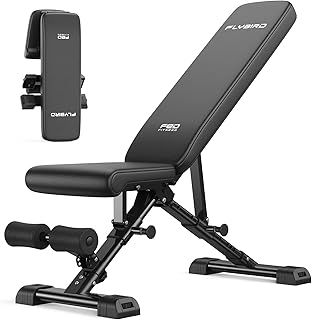
FLYBIRD WB5 Weight Bench
FLYBIRD WB5 Weight Bench punches above its price — 259 buyers rated it 4.5 stars. I would buy it again.
10. Foam Rolling and the 2026 EMS Trend

Foam rolling isn’t just for your legs. It can target deeper abdominal muscles and improve your thoracic flexibility. I use a standard TriggerPoint grid foam roller that costs $34.99. You gently roll the area between your 12th rib and your pelvis, holding on tender spots for up to 30 seconds or about 3 to 5 deep breaths. It feels slightly uncomfortable at first, but the release is incredible.
Looking ahead to 2026 fitness trends, Electrical Muscle Stimulation (EMS) devices are making a massive comeback as a supplemental toning tool. Devices like the DOMAS ABS Stimulator Equipment range from $30 to over $100. You stick the gel pads to your stomach, and it sends electrical impulses to contract your muscles.
I tested a $49.99 EMS belt last month. The weird, prickly electric buzzing feeling takes some getting used to. You wear it for 20 to 30 minutes, 2 to 3 times per week. Let me be clear: it won’t burn fat. But it absolutely helps with muscle activation and blood flow. It’s a solid supplement to your actual physical workouts, not a replacement for them.
11. Progressing the Daisy Keech Ab Workout

While the original routine is strictly bodyweight, your body will adapt quickly. As you get stronger, you have to apply progressive overload, or your results will stall. You need to gradually increase the intensity. I highly recommend adding light resistance bands or ankle weights to challenge your muscles further.
I picked up a pair of 1lb Bala Bangles for $55.00. I strapped them to my ankles before doing the bicycle kicks and leg raises. The extra pound of drag completely changed the exercise. My lower abs were on fire within twenty seconds. You can also incorporate RKC planks, which are a massive trend right now. Instead of just holding a plank, you actively drag your toes towards your elbows and your elbows towards your toes.
This creates extreme full-body tension. Hold that for 30 to 60 seconds. I did a brutal set of RKC planks last Friday, then drove straight to Whole Foods to buy a $4.99 organic peanut butter protein bar because I was shaking so badly I needed immediate calories. Make the workout harder over time, and your core will keep adapting and growing.
Honestly, this routine is a fantastic starting point if you modify it correctly. Stop rushing the reps, add your oblique work back in, and make sure you’re eating enough protein to actually recover. I personally swear by the RKC plank addition. Try these tweaks for a month and see how your core feels. If you found this breakdown helpful, save this article or pin it to your fitness board so you can reference the circuit and form cues before your next sweat session. Let’s get to work.
Frequently Asked Questions
What exercises are in the daisy keech ab workout?
The routine includes nine exercises done for one minute each with no rest: basic crunches, bicycle kicks, jack knives, Russian twists, toe taps, bicycle crunches, scissor kicks, reverse crunches, and butterfly kicks.
Can this workout give me an hourglass figure?
No workout can change your bone structure. An hourglass shape is largely determined by genetics, rib cage width, and pelvis structure. Spot reduction is a myth, but this routine will build core strength.
Should I do this ab workout every day?
I don’t recommend it. Training abs daily spikes cortisol and prevents muscle recovery. You need 24 to 48 hours of rest between intense sessions to allow the muscle fibers to repair and grow.
Why does my lower back hurt during scissor kicks?
Back pain happens when your anterior pelvic tilt takes over and your lower back peels off the mat. You must actively squeeze your abs and pin your lumbar spine to the floor during leg extensions.
