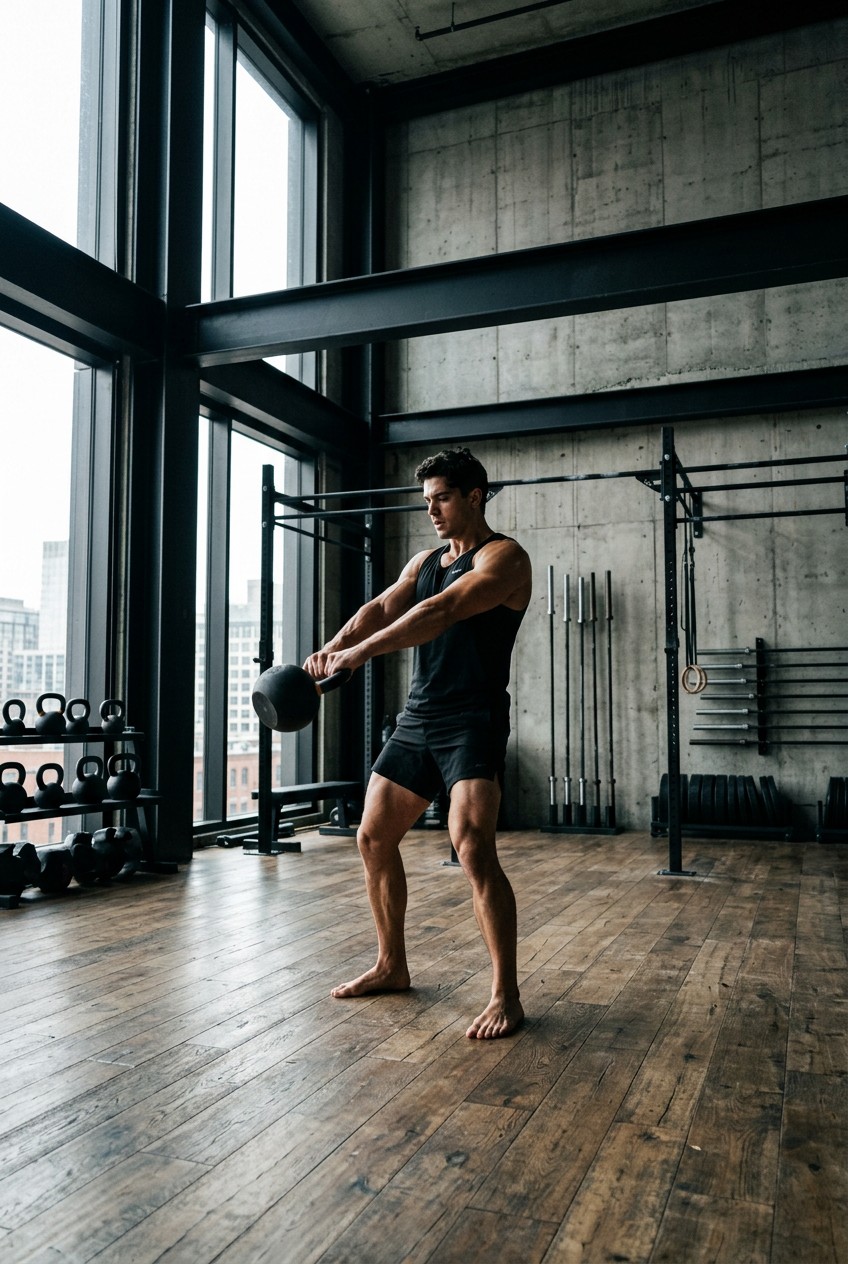
What’s Inside
- Prioritize Dynamic Warm-ups Before Your Full Body Workouts
- Embrace Compound Movements for Maximum Efficiency
- Invest in Quality Adjustable Dumbbells Later On
- Incorporate Resistance Bands for Progressive Overload
- Optimize Protein Intake for Muscle Repair
- Stay Critically Hydrated Throughout Your Session
- Consider Creatine Monohydrate for Raw Power
- Strategically Use Pre-Workout Supplements
- Avoid the Common Mistake of Overtraining
- Master Proper Form Over Your Ego
- Use Wearable Technology for Data-Driven Progress
Last Tuesday at Whole Foods, I was hobbling down the produce aisle like a rusted tin man. My calves were screaming with every step on the cold, hard linoleum floor, and my lower back felt incredibly stiff. I’d just tried piecing together my own routine of full-body workouts using heavy, awkward objects around my house without a proper warm-up. My body was paying the ultimate price. I grabbed a 16 oz bottle of overpriced alkaline water, feeling completely defeated and sweaty. You don’t need a massive gym setup to get wrecked or to get incredibly strong. In fact, you can build serious, functional strength with zero gear right in your living room. I’ve made every mistake in the book when it comes to training at home. I learned that the hard way. I tried this wrong for months before figuring it out. I thought I needed thousands of dollars in commercial equipment. I didn’t. You just need a solid plan and the willingness to push through the burn. Let’s fix your routine right now.
1. Prioritize Dynamic Warm-ups Before Your Full Body Workouts

I used to skip warm-ups completely. I’d just drop to the floor and start doing push-ups until my elbows clicked. Big mistake. Your joints need preparation. Dedicate 10 to 15 minutes to dynamic movements and mobility drills before you even think about starting your main sets. This preps your joints and muscles, improving your active range of motion and keeping you off the injury list. I swear by 15 reps of dynamic hip swings per leg, followed by 10 forward and 10 backward arm circles. You want to feel the synovial fluid warming up your shoulder capsules. It’s a physical shift in how your body feels. I grabbed a basic All in Motion 5mm Yoga Mat for $15.99 at Target just to have a clean, cushioned surface for this. The cheap foam smells like fresh tires when you unroll it, but it gets the job done. Fitness experts remind us that mobility focuses on improving the active range of motion in your joints. This isn’t the same as static stretching. Don’t just sit there touching your toes while staring at your phone. Move with purpose. Get the blood flowing. If you aren’t breaking a tiny sweat before the real work begins, you aren’t warming up correctly. Take those 15 minutes seriously. Your older self will thank you for preserving your cartilage.
2. Embrace Compound Movements for Maximum Efficiency

The cornerstone of an effective routine is compound exercises. These movements engage multiple muscle groups at once. You want to include bodyweight squats, push-ups, forward lunges, and inverted rows. A proper bodyweight squat hits your quads, hamstrings, glutes, and hip flexors simultaneously. I remember trying to do endless bicep curls with a heavy jug of laundry detergent when I first started. It was a waste of time. My arms just felt cramped and my core was completely ignored. Aim for 3 to 4 sets of 6 to 12 reps for your core lifts. If you want to add a tiny bit of resistance without buying real gear, grab a 40-pack of Kirkland Signature Purified Water for $4.39 at Costco. Hold that massive, crinkly plastic block tightly across your chest while you squat deep. The awkward, shifting weight forces your core to work overtime to keep you upright. You’ll hear the plastic bottles crunching against each other with every rep. It’s ridiculous but it works. Compound movements give you the most bang for your buck. Skip the isolation stuff when you’re training at home. You won’t build a thick, strong back by just doing reverse flys with soup cans. Focus on the big, heavy movements.
3. Invest in Quality Adjustable Dumbbells Later On

I know the title says no equipment needed. You don’t need anything to start building a base. But eventually, you’ll want to add some serious resistance to keep growing. When that day comes, adjustable dumbbells are the only logical choice for a home setup. I bought cheap, rubber-coated hex dumbbells at Walmart years ago. They smelled like toxic chemicals, left black smudge marks on my beige carpet, and took up half my bedroom floor. Don’t do that. Save your money for a premium set. The NÜOBELL 232 Adjustable Dumbbell Set is incredible. It ranges from 2kg to 32kg in precise 2kg increments. You just twist the knurled metal handle, hear a satisfying mechanical click, and pull the exact weight you need. It replaces 16 individual sets of dumbbells. They usually cost right around $595.00. Another solid option is the Bowflex SelectTech 1090i, but I prefer the NÜOBELL’s traditional feel. Yes, it’s a steep upfront cost. But having a compact, heavy-duty weight system in the corner makes progressive overload so much easier to manage. Until you buy them, keep crushing those high-rep bodyweight squats. You might also like: 20 Brilliant Adopt Me Houses Home Gym Setup Ideas That Are Totally Worth It

FitinOne Adjustable Folding Weight Bench for Home Gym
If you want something that just works, FitinOne Adjustable Folding Weight Bench for Home Gym is a safe bet (744 reviews, 4.5 stars).
4. Incorporate Resistance Bands for Progressive Overload

Resistance bands are popular for good reason. They offer both assistance and resistance, making them a versatile tool. I used to think bands were just for physical therapy clinics. I was wrong. I bought a set of REP Fitness Loop Resistance Bands for $45.00, and they absolutely wrecked my glutes. The resistance profiles range from 5 lbs all the way up to 150 lbs. You can use the thick green band for assisted pull-ups if you find a sturdy tree branch outside. You can step into the thinner red band for lateral walks that will make your hips burn like fire. I snapped a cheap, off-brand band against my bare thigh last summer. The stinging red welt lasted for three days. It felt like a giant rubber band snapping against sunburned skin. Buy a high-quality set. The REP bands are thick, durable latex that won’t snap under intense pressure. They slip into a backpack, meaning you can take your routine to the park or a hotel room. It’s the cheapest way to add heavy tension to your muscles without buying cast iron plates. You might also like: 15 Clever Garage Home Workout Ideas That Are Totally Worth It
5. Optimize Protein Intake for Muscle Repair

You can do all the squats and push-ups in the world, but if your diet is garbage, your muscles won’t grow. To support muscle recovery, aim for a daily protein intake of roughly 0.7 to 1 gram per pound of body weight. If you weigh 180 pounds, you should consume 126 to 180 grams of protein daily. I used to undereat protein because I thought just working out was enough. I felt weak, sore, and exhausted. Now, I track everything. Skip the fat-free, sugar-free protein bars. They taste like wet cardboard and leave a chalky film in your mouth. Get a high-quality powder. I buy Transparent Labs 100% Grass-Fed Whey Protein Isolate. It costs $59.99 for 30 servings. The milk chocolate flavor actually tastes like real cocoa, not chemical sludge. I mix 1 scoop (28g of protein) with 8 oz of cold almond milk that I pick up from Sprouts for $3.49 a carton. Shake it up in a blender bottle until you hear the metal ball break down all the clumps. Drink it within an hour of finishing your sets. Your muscles will thank you. You might also like: 15 Beautiful Photoshoot Home Workout Ideas to Steal Right Now
6. Stay Critically Hydrated Throughout Your Session

Proper hydration is essential for performance and preventing sudden fatigue. You can’t perform at your peak if your muscles are dried out and cramping. Drink 16 to 20 ounces of water two hours before you start sweating. Then, sip 7 to 10 ounces every 10 to 20 minutes during your sets. Finally, consume at least 16 ounces post-workout. I used to chug a massive 32 oz bottle of water right before doing burpees. I felt the water violently sloshing around in my stomach with every jump. I almost threw up on my rug. Sip, don’t chug. If you’re doing an intense session that lasts over an hour, you need electrolytes to replenish lost sodium and potassium. I grab a box of Liquid I.V. Hydration Multiplier for $28.99 at Kroger. The Lemon Lime flavor is salty and sweet at the same time. You just rip open the stick, pour the fine white powder into 16 oz of cold water, and shake. It cures that dizzy feeling you get after sweating hard. Don’t ignore your water intake. It’s the cheapest performance enhancer you have.

FLYBIRD WB2 Weight Bench
FLYBIRD WB2 Weight Bench punches above its price — 215 buyers rated it 4.5 stars. I would buy it again.
7. Consider Creatine Monohydrate for Raw Power

Creatine monohydrate is the most researched and effective supplement on the market for increasing strength. If you want to push out two more reps on your push-ups, you need this in your pantry. A common approach is a loading phase of 20 grams per day (divided into 4 doses) for 5 to 7 days. After that, you drop down to a maintenance dose of 3 to 5 grams per day. Consistent daily intake is more critical than specific timing. I used to think creatine was some sketchy steroid. It isn’t. It’s naturally found in red meat. I use Optimum Nutrition Micronized Creatine Powder. It costs $34.99 for 120 servings. It’s a pure, chalky white powder that dissolves in cold liquid. It has zero taste. I mix 5 grams into a small glass of 100% tart cherry juice that I buy for $5.99 at Trader Joe’s. The tart, acidic bite of the dark juice masks the gritty texture of the unflavored powder. You’ll notice your muscles looking fuller and feeling harder within two weeks. It’s a simple, cheap addition to your routine.
8. Strategically Use Pre-Workout Supplements

Some days, you just don’t have the mental energy to train. You’re tired, your couch is comfortable, and the thought of lunges makes you want to cry. That’s when a pre-workout supplement helps. Look for clinically dosed formulas. Don’t buy the cheap, flashy tubs covered in neon skulls. You want a label that clearly shows 6 grams of L-Citrulline Malate for muscle pumps, 3.2 grams of Beta-Alanine for endurance, and 200 to 400mg of caffeine for energy. I highly recommend Transparent Labs BULK Pre-Workout. It costs $49.99 for 30 servings. About 20 minutes after drinking it, you’ll feel the beta-alanine kick in. It causes a harmless but intense tingling itch across your forehead and the back of your neck. It feels like tiny ants crawling under your skin. That’s your cue to start moving. If you’re sensitive to caffeine, start with a half scoop. I once took a full scoop of a 400mg pre-workout on an empty stomach. My hands shook so badly I couldn’t even hold my phone steady to change my Spotify playlist. Respect the caffeine dosage.
9. Avoid the Common Mistake of Overtraining

More is not always better. A frequent error, even among experienced guys, is overtraining. Doing intense sets every single day will lead to burnout, painful injuries, and inhibited progress. These routines are effective when performed 2 to 4 times per week. You have to allow for adequate recovery time. Listen to your body. If you have persistent fatigue, terrible sleep quality, or weird new aches in your joints, you’re doing too much. I ignored these signs last year. I woke up with a resting heart rate of 85 bpm (my normal is 60) and my lower back felt like it was made of shattered glass. I had to take two full weeks off to recover. Rest days are when your muscles rebuild and grow. On my off days, I use a TriggerPoint GRID Foam Roller. I bought the bright orange one for $34.99 at Target. Rolling out my tight IT bands is pure agony. It feels like a deep, bruising massage that makes me grit my teeth. But the relief afterward is incredible. Give your body the rest it demands.

OLIXIS Adjustable Weight Bench for Full Body Strength
OLIXIS Adjustable Weight Bench for Full Body Strength Training punches above its price — 31 buyers rated it 4.5 stars. I would buy it again.
10. Master Proper Form Over Your Ego

Lifting beyond your capability and compromising on form are mistakes that ruin progress. Always prioritize perfect technique before you try to increase the difficulty. Personal trainers preach that mastering the movement is far more beneficial than lifting for ego. I used to do fast, sloppy jump squats because I thought speed equaled intensity. I ended up tweaking my right knee so badly I couldn’t walk down stairs without wincing. Slow down. Control the eccentric (lowering) portion of every single movement. Take 3 full seconds to lower yourself into a push-up. You’ll feel your chest fibers burning in a way you’ve never experienced. To check my form, I bought a basic Anker phone tripod for $19.99 on Amazon. I set it up in my living room and record my sets. Watching the video playback is humbling. You’ll instantly see if your hips are sagging during a plank or if your back is rounding during a squat. It’s uncomfortable to watch your own mistakes, but it’s the fastest way to fix them. Perfect your form, and the strength will follow.
11. Use Wearable Technology for Data-Driven Progress

Wearable technology is great for optimizing how you train. If you aren’t tracking your data, you’re just guessing. Devices like the Apple Watch Ultra 2 or the Garmin Forerunner series track your heart rate zones, calories burned, sleep patterns, and daily recovery metrics. This provides insights to adjust your training volume. I finally caved and bought the Apple Watch Ultra 2 for $799.00. The thick, rugged titanium case feels heavy and premium on my wrist. The bright orange alpine loop strap gets soaked with sweat, but it washes easily in the sink. I use it to strictly monitor my rest periods. When my heart rate drops back down to 110 bpm, I know I’m ready for the next set. This prevents me from resting too long and losing my pump. It also tracks my sleep stages. If the watch tells me I only got 45 minutes of deep sleep, I know I need to skip the intense workout and do light mobility work instead. It takes the guesswork out of fitness. Let the data guide your intensity and your recovery.
I honestly wish I had known all of this years ago. I spent too much time doing random exercises without any structure. You don’t need a fancy gym membership to change your physique. You just need consistency, a focus on compound movements, and the right fuel for your body. Start with the dynamic warm-ups tomorrow morning. I promise you’ll feel the difference immediately. It took me years to figure out. Don’t forget to pin this article to your favorite fitness board so you can easily reference these specific tips before your next session. Now get off your phone, drink some water, and get to work.
Frequently Asked Questions
Can I really build muscle with no equipment full body workouts?
Absolutely. By utilizing compound bodyweight movements like squats, push-ups, and lunges, you create significant muscle tension. The key is implementing progressive overload by increasing your repetitions, slowing down your eccentric tempo, or decreasing rest times between sets.
How many times a week should I do these routines?
I highly recommend hitting your full body workouts two to four times per week. Your muscles need adequate time to repair and grow stronger. Training every single day often leads to severe overtraining, persistent joint pain, and completely stalled progress.
Do I absolutely need to take a pre-workout supplement?
You don’t strictly need one, but they’re incredibly helpful on days when your energy is completely drained. A quality pre-workout with L-Citrulline and Beta-Alanine gives you a noticeable physical boost and intense focus to push through a grueling session.
What is the best way to track my progress at home?
Stop guessing and start logging your sets, reps, and rest times in a basic notebook. I also highly advise recording your sets with a cheap phone tripod. Watching your form on video instantly highlights sloppy technique before it causes a serious injury.
