What’s Inside
- Prioritize Performance Fabrics Over Cotton
- Embrace the Oversized Trend for Comfort and Airflow
- Invest in Quality Compression Shorts, but Choose Wisely
- Opt for Versatile Shorts with a 5-7.5 Inch Inseam
- Select Gym Shirts Designed for Your Activity
- Don’t Underestimate the Power of a Good Compression Top
- Avoid Ill-Fitting Clothing – Neither Too Tight Nor Too Loose
- Consider Athleisure for Seamless Transitions
- The Importance of Raglan Sleeves for Broader Shoulders
- Choose Footwear Specific to Your Workout
- Don’t Forget the Details: Pockets and Liners
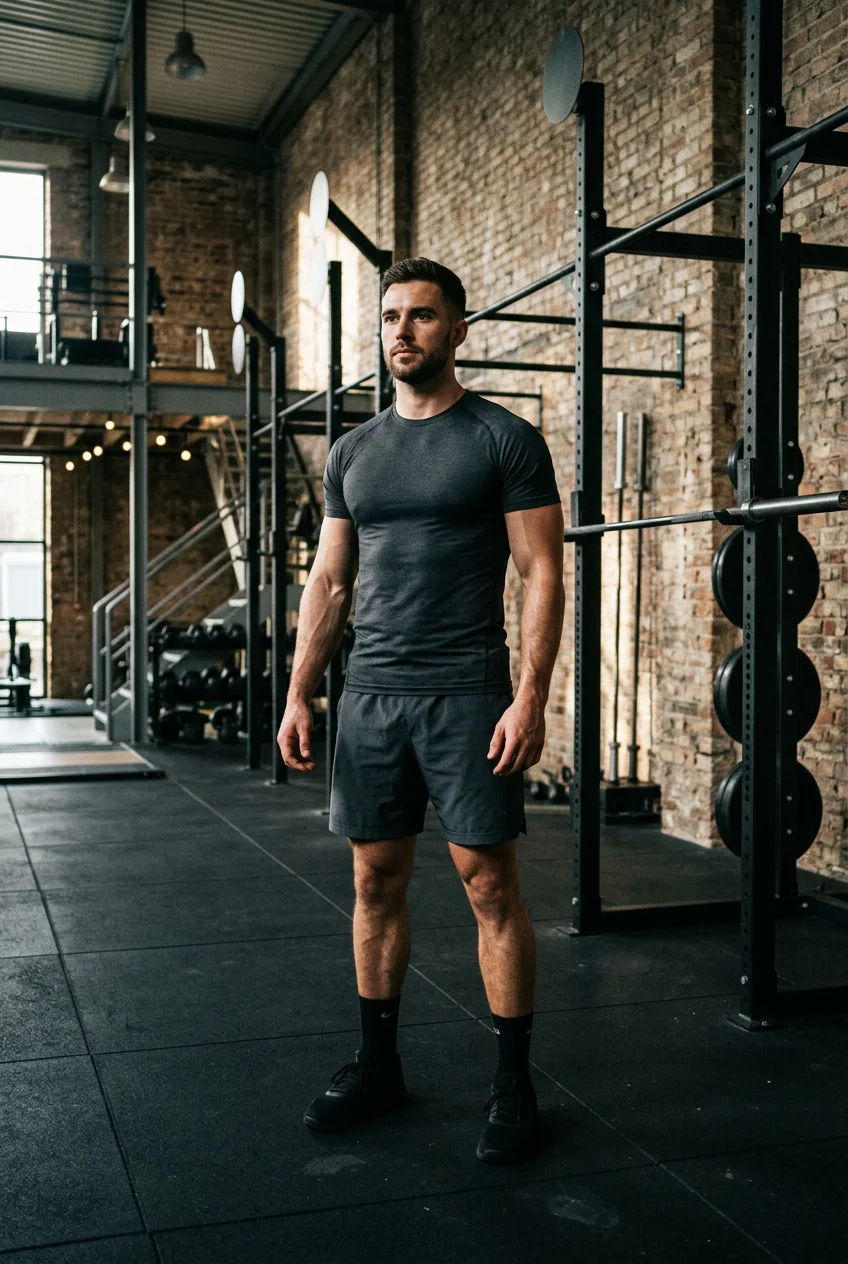
I ripped my favorite gray cotton shorts right down the middle during a 225-pound squat last Tuesday. That breezy, horrifying draft in a crowded gym is exactly why your gym gear matters more than you think. I had to tie my sweatshirt around my waist and waddle past the front desk, praying nobody noticed the massive tear. I’ve spent three years testing gear so you don’t end up flashing the morning crowd. Finding the right fabrics, fits, and cuts changes how you move under the barbell. Most guys throw on some old t-shirt and wonder why they overheat or chafe during a heavy session. I’m going to break down what works, what fails, and how to build a wardrobe that actually survives the squat rack.
1. Prioritize Performance Fabrics Over Cotton

I wore a heavy cotton tee for years because I liked the fit. Big mistake. Halfway through a back day, it felt like a wet towel. The fabric absorbs every drop of sweat, gets heavy, and causes raw chafing under the arms. I walked into Whole Foods after a heavy session last month wearing a soaked cotton shirt. I left freezing because the AC blasted right through the damp fabric while I was standing in the produce aisle holding a $7 box of spinach. You need moisture-wicking materials like polyester, nylon, or elastane blends. Nike Dri-FIT shirts run about $30 and pull sweat away from your skin. The moisture evaporates faster instead of sitting against your chest. I bought three in black. The texture feels slightly slick, like a fine mesh. It takes a second to get used to if you only wear cotton. But the difference during a deadlift is noticeable. You don’t feel weighed down by your own sweat. Under Armour HeatGear is another solid option for around the same price. The HeatGear fabric has a slightly tighter weave that feels cooler. Skip the cheap cotton multipacks. Wet cotton breeds bacteria and smells like old gym socks by the time you reach your car. Invest in the synthetic blends.
2. Embrace the Oversized Trend for Comfort and Airflow

In 2026, the tight, shrink-wrapped gym look is fading. The current trend leans into oversized, relaxed-fit clothing. I tried this wrong for months. I bought shirts two sizes too big, which made me look like I was wearing a parachute. The shoulder seams hung down to my elbows. The trick is buying clothes specifically cut for an oversized fit, not just sizing up. Boxy t-shirts and loose joggers offer practical benefits. You get massive airflow during high-intensity sets. When you’re doing overhead presses, a relaxed fit means the fabric won’t pull tight across your lats and restrict your mobility. I picked up a 3-pack of Kirkland Signature oversized tees at Costco for $15 last week. They have a thick, structured collar that sits flat, but the body has enough drape to keep air moving. The heavy cotton-blend fabric feels substantial without trapping heat. Gymshark makes an oversized drop-arm tank for $26. The deep armholes let your skin breathe during heavy back days. The downside is that extremely baggy clothes can hide your form in the mirrors. You might not notice if your lower back rounds during a deadlift. Keep your oversized shirts for upper body days.
3. Invest in Quality Compression Shorts, but Choose Wisely

Compression shorts are non-negotiable if you want to prevent chafing and support your muscles during leg days. But not all gear is built the same. I bought a pair of Nike Pro Dri-FIT compression shorts for $35. The snug fit felt great at first, and the moisture-wicking fabric kept me dry during sprints. But here’s the honest negative. The elastic waistband on the Nike Pros wore out in seven months. It started folding over on itself, looking like bacon, and lost all its stretch. I had to toss them because they wouldn’t stay up under my gym shorts. The fabric held up, but the waistband failed. I switched to Champion compression shorts, which cost around $20 at most sporting goods stores. The Champion fabric feels slightly thicker and rougher against the skin than the Nike version. But the waistband is thicker and more rigid. I’ve washed the Champion pair fifty times, and the elastic still snaps back perfectly. A good compression layer prevents your thighs from rubbing raw on the treadmill. Just pay attention to the waistband construction before you buy. If the elastic feels flimsy, it won’t survive heavy squatting.

BOOMIBOO Jump Rope, Adjustable Jump Ropes
If you want something that just works, BOOMIBOO Jump Rope is a safe bet (4 reviews, 4.5 stars).
4. Opt for Versatile Shorts with a 5-7.5 Inch Inseam

The era of knee-length basketball shorts dragging down your legs is over. For general training, a 5-inch to 7.5-inch inseam provides the right balance of mobility and coverage. I used to wear 11-inch mesh shorts. Every time I dropped into a deep squat, the fabric caught on my kneecaps and pulled tight across my quads. It ruined my focus. I finally bought the Vuori Kore Short. They cost $68, which stings for gym shorts, but the construction justifies the price. You can get them in 5-inch, 7.5-inch, and 9-inch inseams. I went with the 7.5-inch version. The fabric is a lightweight blend that dries fast. The shorter inseam means the fabric stops mid-thigh. I wore them through a brutal hour-long leg day, sweat through them, and they were dry by the time I walked into Trader Joe’s for a post-workout protein shake. Your knees are free to track forward over your toes without catching on heavy polyester. The anti-odor fabric actually works, too. I left them in my gym bag overnight by accident, and they didn’t have that sour, damp smell the next morning. Start with the 7.5-inch inseam for vastly improved range of motion. You might also like: 15 Brilliant Dark Basements Home Gym Setup Ideas Worth Trying This Year
5. Select Gym Shirts Designed for Your Activity

Most guys grab the first clean shirt in their drawer. I did this for years. I’d wear a thick cotton shirt for a HIIT workout and end up suffocating. Different workouts demand different fabric technologies. For high-intensity interval training or heavy cardio, the Nike Dri-FIT Training T-Shirt is a solid choice at $30. The back panel features a micro-mesh texture that lets heat escape directly off your spine. I wore one during a grueling circuit class, and the cool air hitting my back kept my core temperature down. But if you’re doing a slower, heavy lifting session where you want comfort and stretch, a pure athletic shirt might feel too synthetic and slippery against a bench press pad. That’s when I switch to the Vuori Strato Tech Tee. It costs around $76. The four-way stretch knit feels like a high-end, soft cotton t-shirt while offering moisture-wicking properties. The fabric has a brushed, matte finish. It grips the vinyl bench, so your shoulders don’t slide around when you unrack a heavy barbell. Match your shirt to your training style. Slippery mesh is great for running, but a softer performance knit is better for stabilizing your upper back. You might also like: 15 Creative Inside She Sheds Home Gym Setup Ideas to Steal Right Now
6. Don’t Underestimate the Power of a Good Compression Top

A compression top is an aggressive look, but the functional benefits are hard to ignore. I avoided them for a long time because I thought they were just for guys trying to show off. Then I pulled a lat muscle during a cold garage workout. I bought an Under Armour HeatGear Short Sleeve T-Shirt for $40 to use as a base layer. The compression fit physically squeezes your muscles, which helps reduce vibration and spasms during explosive movements. The HeatGear material is thin and feels cool against the skin. It acts like a second skin that pulls sweat off your body instantly. I wear it under a loose hoodie during the winter. The tight layer traps a bit of body heat while the hoodie blocks the cold air. In the summer, wearing it alone keeps you cooler than a standard t-shirt. The tight fit means there’s zero excess fabric to get caught on a barbell during power cleans. The only negative is getting the damn thing off when you’re drenched in sweat. It sticks to your skin like glue. You’ve got to peel it off from the bottom up. You might also like: 9 Workout Plan Gym You Need to See

KETTLE GRYP – The Original
If you want something that just works, KETTLE GRYP – The Original – As Seen on SHARK TANK! Converts Your Dumb is a safe bet (13 reviews, 4.5 stars).
7. Avoid Ill-Fitting Clothing – Neither Too Tight Nor Too Loose

Finding the middle ground between baggy and skin-tight is crucial. I bought a cheap pack of Target Goodfellow t-shirts for $12 last year. I sized down for a fitted look. The shirts were so tight across my chest I couldn’t cross my arms to stretch. The sleeves dug into my biceps and restricted my blood flow during arm curls. On the flip side, overly loose items are a safety hazard. I wore a massive, baggy hoodie while doing seated cable rows. The excess fabric around my waist got sucked right into the cable pulley system. I had to awkwardly yell for help while pinned to the machine. You want a fit that skims your body. It should follow the lines of your torso but leave about an inch of slack. You need enough room in the armpits to raise your hands straight over your head without the entire shirt lifting up and exposing your stomach. When trying on gym clothes, do a deep squat and a strict overhead press in the dressing room. If the fabric pinches your armpits, leave it on the rack. Proper fit dictates proper form.
8. Consider Athleisure for Seamless Transitions

Athleisure is dominating the 2026 gym wear scene for a practical reason. You don’t have to change clothes three times a day. I used to wear ratty, stained gym clothes, which meant I had to rush home to shower before running errands. Now, my gym outfits transition into daily life. I wear the Lululemon ABC Joggers. They cost a painful $128, but the Warpstreme fabric is different from standard sweatpants. It has a smooth, structured texture that looks like casual trousers but stretches like athletic wear. I can finish a heavy leg day, wipe down, and walk straight into Sprouts Farmers Market to buy groceries without looking like I just crawled out of a swamp. The tapered ankle cuffs keep the fabric away from your shoes, so you don’t trip over your own hems. The downside to high-end athleisure is the care routine. You can’t just throw these joggers in the dryer on high heat. The heat destroys the elastane fibers, leaving the pants saggy and ruined. I wash them on cold and hang them to dry. It adds ten minutes to my laundry routine, but the versatility is worth the hassle.
9. The Importance of Raglan Sleeves for Broader Shoulders

If you’ve got broad shoulders or a thick upper back, standard t-shirts probably fit you terribly. Standard shirts have a seam that runs across the top of your shoulder bone. When I wear a regular cut shirt, that seam digs into my skin during overhead presses. It also causes the sleeves to flare out like little wings. The fix is looking for shirts with raglan sleeves. A raglan sleeve extends in one continuous piece of fabric to the collar, leaving a diagonal seam from the underarm to the collarbone. There’s no seam on top of your shoulder. I bought the Lululemon Metal Vent Tech Short Sleeve for $78 specifically for this cut. The raglan design allows the fabric to drape perfectly over broad shoulders without restrictive pinching. When you reach up to grab a pull-up bar, the entire shirt moves with you instead of binding around your deltoids. The fabric itself is a seamless mesh construction with anti-stink silver threads. I’ve noticed a difference in my mobility during chest flys and lateral raises. Check the shoulder construction before you buy your next gym shirt. It changes how the garment rests on your upper body.

Yes4All Kettlebell, 5-100 LB Vinyl Coated Cast Iron
Yes4All Kettlebell has been one of the most consistently praised picks in this category. 25 reviewers averaged 4.5/5.
10. Choose Footwear Specific to Your Workout

Wearing the wrong shoes is the most common mistake I see on the gym floor. I used to squat in thick, squishy running shoes. The foam compressed unevenly under the heavy barbell, causing my ankles to roll inward. It wrecked my knee alignment. You need footwear specific to your training style. If you’re doing general gym work, lifting, and lateral movements, you need a flat, stable sole. The Salomon Neuva Advanced sneakers, running around $160, offer excellent lateral support and a rigid base that keeps your foot planted firmly. If your primary focus is running on the treadmill, you need proper flex and cushioning to absorb the impact. The ASICS Gel-Kayano 14 is a massive trend in 2026, costing about $150. The gel cushioning in the heel absorbs the shock of foot strikes, protecting your shins and lower back. But don’t wear those ASICS to deadlift. The soft heel will throw your balance forward. I keep two pairs of shoes in my car. I wear flat, hard-soled shoes for leg days and swap to my cushioned runners for cardio days. Never wear open-toed sandals or Crocs in the weight room.
11. Don’t Forget the Details: Pockets and Liners

When you’re comparing gym outfits, the tiny details dictate whether you actually wear the gear or leave it in the drawer. Pockets and built-in liners are huge factors. I bought a cheap pair of shorts at Walmart for $14. They had shallow, vertical pockets. Every time I sat on the bench press, my phone slid out and crashed onto the rubber floor. I shattered my screen protector twice in one week. I upgraded to the Rhone Mako Short for $74. These shorts feature two front pockets, one hidden zippered stash pocket, and a dedicated media pocket inside. Liners are another critical detail. The Rhone Mako comes with a built-in liner, but honestly, the liner tends to slide up my thighs during deep squats, which requires awkward readjusting. I prefer the Vuori Kore Short’s boxer-brief liner. It has a softer, breathable mesh construction that stays firmly in place without feeling like a tourniquet around your legs. I was checking out at Kroger last Sunday, reaching for my wallet, and realized the zippered pocket on my shorts is the only reason my credit card didn’t fall out in the parking lot. Pay attention to the hardware. Good zippers are worth the money.
Building a reliable rotation of gym outfits takes trial and error, but the payoff in comfort and performance is undeniable. I spent way too much money on cheap gear that ripped, stretched out, or smelled terrible after three washes. Stop wasting cash on cotton multipacks and start investing in synthetic blends, proper inseams, and shoes actually designed for the work you’re doing. A good outfit won’t lift the weight for you, but it removes every distraction so you can focus on the movement. I’d highly recommend starting with a solid pair of 7.5-inch shorts and a moisture-wicking raglan tee. If you found this breakdown helpful, pin this guide to your fitness or style boards so you have the brand names and exact prices handy the next time you’re shopping.
Frequently Asked Questions
What is the best fabric for gym shirts?
You should prioritize synthetic blends like polyester, nylon, or elastane. Fabrics like Nike Dri-FIT pull sweat away from your skin so it evaporates quickly. Cotton absorbs sweat, gets heavy, and causes raw chafing during long workouts.
How long should gym shorts be for men?
A 5-inch to 7.5-inch inseam is ideal for most training. This length stops above the knee, ensuring the fabric won’t catch on your kneecaps when you drop into a deep squat or perform heavy lunges.
Do I really need compression shorts for lifting?
Yes, compression shorts provide crucial muscle support and prevent your thighs from rubbing together. They also keep your outer shorts from riding up uncomfortably. Just ensure you buy a pair with a thick, durable elastic waistband.
Are oversized shirts good for working out?
Oversized shirts offer excellent airflow and unrestricted shoulder mobility, making them great for upper body days. However, avoid extremely baggy clothes on leg days, as the excess fabric can make it difficult to check your spinal alignment in the mirror.
