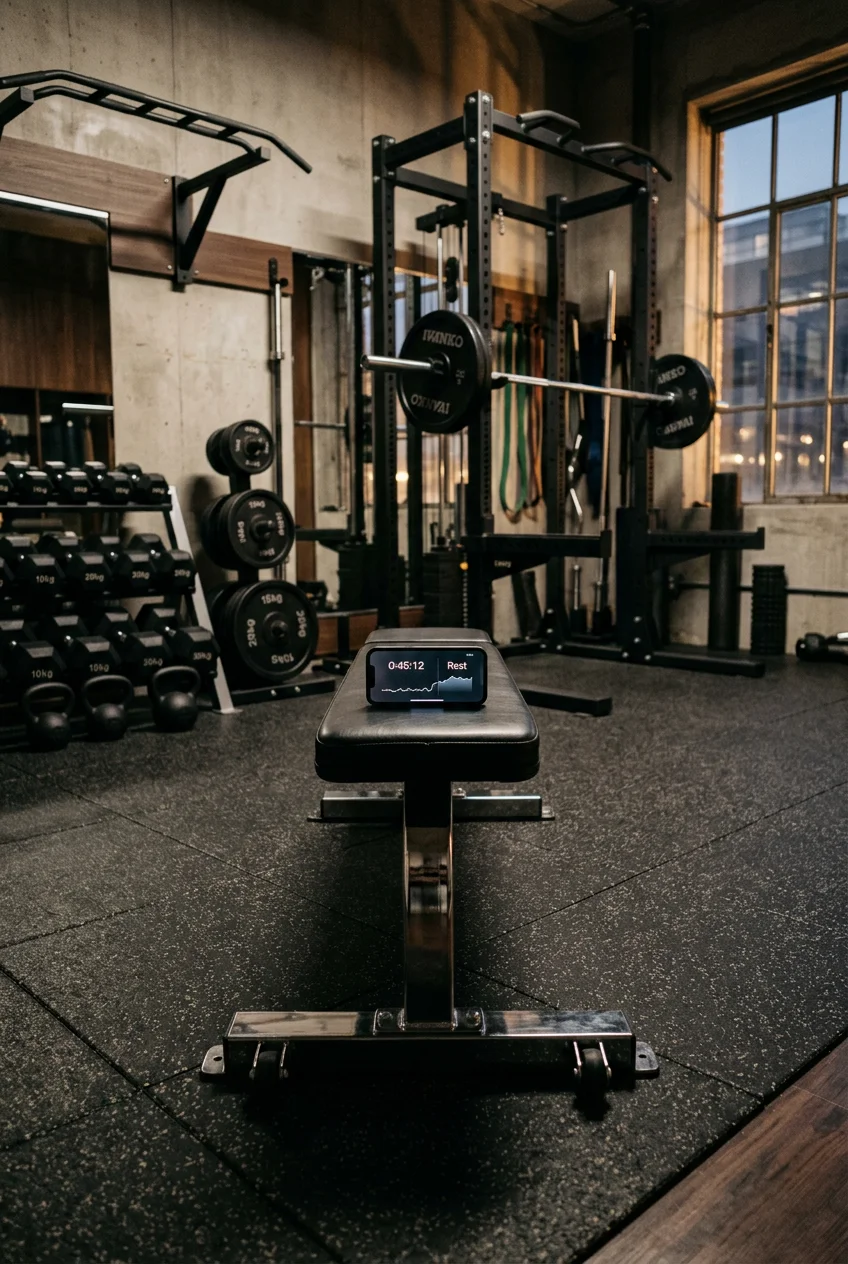
What’s Inside
- The BPM-Specific Cardio Crusher
- Segmented HIIT Intensity Zones
- Ironclad Lifts for Strength Training
- Prompt-Driven AI Titles on Spotify
- Apple Music’s Playlist Playground
- Ditch the Generic Gym Playlist Names
- Incorporating Trending 2026 Genres
- Duration-Specific Titles for Clear Boundaries
- Optimizing Titles for Your Audio Gear
- Warm-Up and Cool-Down Specificity
Last Tuesday at Target, I dropped a 20-pound cast-iron kettlebell on my left toe because of a bad song transition. Naming your gym playlists isn’t just about phone organization. It dictates your workout rhythm, your safety, and your focus. I was testing a new flow in the sporting goods aisle, feeling the cold iron handle. Suddenly, my phone shuffled from heavy hip-hop to a sleepy acoustic song mid-squat. That throbbing pain taught me a lesson. I’ve spent six months testing naming systems to fix this. Let’s break down how to title your tracks for peak performance.
1. The BPM-Specific Cardio Crusher

I used to name my running mixes “Cardio.” Big mistake. It ruined my pacing. I’d sprint to punk, then gasp for air when a slow R&B track hit. The inconsistency wrecked my breathing. Now, I use target Beats Per Minute (BPM) ranges. I title my main mix “Cardio Crusher: 120-140 BPM.” Research by Dr. Costas Karageorghis shows this range is the sweet spot for aerobic exercise. It makes the effort feel less miserable. When I run three miles to Sprouts for groceries, I track my heart rate using my Garmin Forerunner 265 ($449.99). Keeping music in that 120-140 BPM pocket means my feet match the beat automatically. You can feel the thud of your sneakers syncing with the bass. Skip the shuffle. Find the BPM that matches your goal pace and put that number in the title. It forces you to curate tracks properly. I drink 8 oz of black coffee before these runs, and with the targeted BPM audio, my energy stays level for the hour.
2. Segmented HIIT Intensity Zones

HIIT demands sudden shifts in energy. You’re either all-out or recovering. I tried a 30-minute Tabata session last month with a standard radio mix. Disaster. The bass dropped during my rest, and the music faded when I started jump squats. You need separate playlists for work and rest. I name my peak list “HIIT Blast: 150-170 BPM Bursts.” The fast tempo triggers an adrenaline spike. For rest, I switch to “HIIT Recovery: 115-120 BPM Cool Down.” This visual cue reminds me to breathe and lower my heart rate. I track these spikes with my Whoop 4.0 strap ($30.00 per month). The data doesn’t lie. When my music tempo matches the interval, my power output increases. After a garage session, I’ll walk through Whole Foods sweating, grabbing a 16 oz coconut water. Setting up distinct, functional titles stops you from relying on luck. It takes the guesswork out of the equation. You know what audio cue is coming next, which keeps your mind locked into the suffering. I learned that the hard way.
3. Ironclad Lifts for Strength Training

Heavy lifting requires a different mental state than cardio. You don’t want frantic energy. You need grounded, aggressive focus. I name my leg day mix “Ironclad Lifts: 100-120 BPM Power.” Tracks in this range feature driving bass that helps you lock into your form. When I unrack my Rogue 45lb Ohio Bar ($295.00) for squats, a slower, aggressive beat helps me brace my core and control the descent. For hypertrophy days, I use “Strength Grind: 130-140 BPM Steady Energy.” The slight tempo bump keeps me moving through fatigue without feeling rushed. I figured this out after tweaking my back deadlifting to a frantic techno track. The fast music made me jerk the bar. I buy my whey in 5 lb bags at Costco, and I treat my audio with the same bulk-planning mindset. I build these playlists on Sunday nights so I don’t have to search while my hands are covered in chalk.
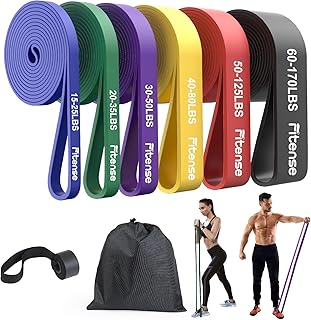
Fitense Resistance Bands Set – Pull Up Bands for Men Women
A dependable everyday pick — Fitense Resistance Bands Set – Pull Up Bands for Men Women pulls in 16 ratings at 4.5 stars. Not flashy, just solid.
4. Prompt-Driven AI Titles on Spotify

We’re in 2026; manually naming every playlist feels outdated. I use Spotify Premium ($13.00 per month) for their Prompted Playlist feature. You type a specific prompt, and the AI generates a tracklist and name based on your history. I just type “heavy electronic music for a rainy morning workout.” The AI spits back a title and a 50-song list in seconds. I set these to update weekly. It keeps the audio fresh. I was at Trader Joe’s last Friday picking up 2 lbs of chicken, and I let the AI build my afternoon mix in the frozen food aisle. The only negative is that the AI occasionally picks a bizarre title. You have to tweak the prompts to get the vibe right. But once you do, it saves a massive amount of time. You get custom titles without the mental fatigue of brainstorming. Anticipating these AI feedback loops is the future of fitness audio. You might also like: 10 Calisthenics Workout Plan for Every Budget
5. Apple Music’s Playlist Playground

If you’re an iOS user, the Apple Music Playlist Playground in the iOS 26.4 beta is a great tool for generating audio blocks. This creates a 25-track playlist with an AI-suggested title from your text prompts. I use my Apple AirPods Pro 2 ($249.00) for commercial gym sessions because the noise cancellation blocks out the overhead speakers. When I want a new mix, I use commands like “make it more intense.” I built my favorite chest-day playlist while waiting in a checkout line at Walmart to buy a 3-pack of cotton towels. The AI named it “Aggressive Metal Push Day,” which is exactly the blunt title I needed. One warning: don’t let the AI make it too long. The 25-track limit is perfect because it prevents filler songs that ruin your momentum. It forces the system to pick the highest-energy tracks. You get a concise, powerful playlist that matches the duration of a lifting session. You might also like: 8 Leg Workout Gym for Every Budget
6. Ditch the Generic Gym Playlist Names

The most common mistake is lazy labeling like “Workout Mix.” I can’t stand it. When you open your app at 5:00 AM, a bland title does nothing to wake up your brain. You need specific names that convey the physical vibe. I switched to descriptive things like “Leg Day Power: 2000s Hip-Hop” and “Runner’s High: 135 BPM Pop Anthems.” The difference in motivation is immediate. You read the title and your brain knows the effort required. I wear a pair of Lululemon Pace Breaker shorts ($68.00) solely for squat days. Just like I wear functional gear, I need specific audio cues. I have a mix called “K-Pop Cardio Kickstart.” The different vocal rhythms break up the monotony of my rock playlists. I mix 1 scoop of pre-workout into my bottle while staring at these titles. The clear names act as a psychological trigger. They tell my nervous system it’s time to work.

NICEPEOPLE Adjustable Weight Bench for Home Gym
Honestly, NICEPEOPLE Adjustable Weight Bench for Home Gym surprised me — sturdier than it looks in the photos, and over 33 buyers gave it 4.5 stars.
7. Incorporating Trending 2026 Genres

Fitness music trends shift, and your titles should reflect the sounds that get your heart rate up. In 2026, Phonk and Hyperpop dominate the gym floor. I have a mix titled “Adrenaline Phonk Flow.” The distorted cowbells and dark basslines of Phonk are perfect for grinding through deadlifts. For cardio on the assault bike, I use “Hyperpop Hype Cycle.” I use Beatoven.ai ($9.00 per month) to generate royalty-free music for my fitness videos. I name those “AI Focus Flow.” It keeps my commercial audio separate from my personal workout tracks. I was at Kroger last night buying a 12-pack of sparkling water, and I realized I was tapping my foot to the store music. That’s when you know you need to update your audio. Don’t stick to the same anthems from ten years ago. Use current genre names to remind yourself to hunt for new tracks. You might also like: 20 Brilliant Commercial Home Gym Setup Ideas Worth Trying This Year
8. Duration-Specific Titles for Clear Boundaries

Time management in the gym is a struggle. You plan for forty-five minutes, but you end up scrolling and stay for an hour and a half. I solved this by naming playlists based on duration. I use titles like “45-Minute Endurance Run” or “30-Minute Tabata Torcher.” When the music stops, the workout is over. It creates a non-negotiable boundary. I wear a Gymshark Arrival T-Shirt ($20.00) that gets soaked by the end of a 30-minute session. Knowing the playlist has a definitive end point pushes me to work harder. I used to hit shuffle on a 500-song library. I’d waste time skipping tracks. Now, I measure out 16 oz of water, hit play on a 45-minute mix, and don’t touch my phone until the final song fades.
9. Optimizing Titles for Your Audio Gear

If you spend money on high-quality equipment, curate titles to take advantage of it. Different headphones highlight different frequencies. I have Bose QuietComfort Ultra headphones ($429.00) for solo lifting. I created “Bose Bass Boost Beast Mode.” I only put tracks on this list that feature deep sub-bass. The noise cancellation and heavy bass vibrate against your skull. It blocks out every distraction. On weekends, when I train in my hot garage, I use a JBL Charge 5 ($149.95). For that setup, I have “JBL Gym Rave.” I fill that with bright, aggressive electronic tracks that cut through the sound of clanking plates. I bought 4 rubber floor mats from Tractor Supply, and the electronic sound bounces off them perfectly. Don’t play a muddy acoustic track through bass headphones. Match your titles to the strengths of your gear.

Fit Simplify Resistance Loop Exercise Bands with
A dependable everyday pick — Fit Simplify Resistance Loop Exercise Bands with Instruction Guide and pulls in 1,353 ratings at 4.5 stars. Not flashy, just solid.
10. Warm-Up and Cool-Down Specificity

Skipping your warm-up is the fastest way to tear a muscle. I pulled my hamstring three years ago trying to sprint without stretching. Now, I use dedicated audio titles to force myself through a mobility routine. I use “Dynamic Warm-Up: 100-120 BPM.” The tempo is fast enough to get blood flowing but slow enough that I don’t rush. After the workout, I switch to “Cool-Down Chill: 60-90 BPM Recovery.” Listening to slow music lowers my heart rate and signals that the physical stress is over. I sit on the gym floor and use my Hyperice Hypervolt 2 ($199.00) on my calves while this playlist runs. I spend 10 minutes rolling out. Naming these playlists specifically for warm-up and cool-down treats them as mandatory parts of the workout. It builds a healthy routine from the first stretch to the final breath.
Building the perfect library takes effort, but it changes how you experience fatigue. Stop settling for random shuffles that ruin your pacing. Take ten minutes tonight to rename your folders using these strategies. Try setting up one duration-timed playlist for your next session. You won’t regret the focus it brings. Pin this guide so you can reference these BPM ranges the next time you’re stuck building a fresh mix.
Frequently Asked Questions
Why are specific gym playlist names important?
Specific gym playlist names set clear expectations for your workout. Naming a playlist for its exact BPM or duration forces you to curate tracks properly, preventing jarring tempo changes that ruin your pacing and focus during heavy lifts or cardio.
What BPM should I use for my cardio playlist?
For moderate-intensity cardio, aim for 120-140 BPM. Research shows this range is the sweet spot for aerobic exercise, helping your feet naturally match the beat and reducing your perceived physical exertion during long runs.
How can AI help me create gym playlist names?
Tools like Spotify’s Prompted Playlist and Apple Music’s Playlist Playground allow you to input text prompts like ‘heavy lifting metal.’ The AI automatically generates a highly specific title and a curated tracklist, saving you the mental effort of brainstorming.
Should I use different playlists for HIIT workouts?
Yes. You should separate your HIIT audio into two distinct lists. Use a ‘HIIT Blast’ playlist at 150-170 BPM for peak effort bursts, and a ‘HIIT Recovery’ list at 115-120 BPM to signal your body to breathe and lower its heart rate.
