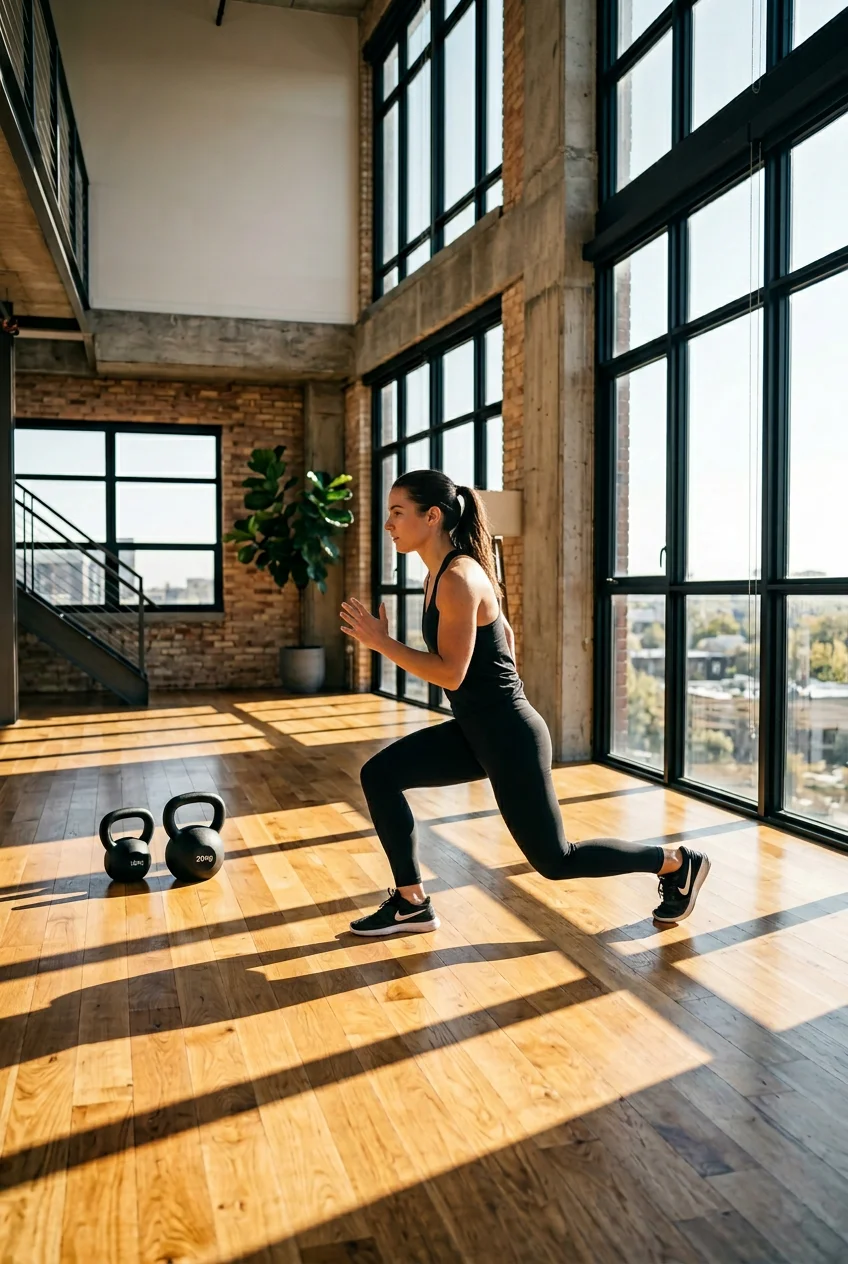
What’s Inside
- Embrace The Micro-Workout Concept
- Chug 20 Ounces Of Water Immediately
- Swap Static Stretches For Dynamic Movement
- Fuel Up With 30 Grams Of Fast Carbs
- Time Your Caffeine For Peak Effectiveness
- Build A Strong Mind-Muscle Connection
- Iron Out Stiffness With A Foam Roller
- Use Sliders To Destroy Your Core
- Finish With A Brutal Cold Shower
Last November, I dragged myself out of bed at 5:15 AM, hit the freezing hardwood, and tried to bang out fifty push-ups. I made it to twelve before my right shoulder made a sound like a dry twig snapping. The pain shot down my bicep. I spent ten minutes sitting on the edge of my bed, rubbing my rotator cuff and feeling like a total failure. That disaster taught me a harsh lesson about forcing a workout without a plan. You don’t need an hour or a garage full of iron to see results before breakfast. I’ve spent three years testing what actually works when you’re half-awake, stiff, and short on time. This routine relies on body weight, smart timing, and maybe a few cheap tools if you want to get fancy. The fitness industry wants you to believe you need a $2,000 smart bike or a monthly studio membership to stay lean. You don’t. You just need a floor, some discipline, and a routine that won’t wreck your cold muscles. Let’s look at the steps I use to wake up, warm up, and finish before the coffee pot even stops dripping.
1. Embrace The Micro-Workout Concept

I used to think that if I didn’t sweat for forty-five minutes, the session was worthless. Forget that. That all-or-nothing mindset will ruin your consistency. Micro-workouts are how busy people stay in shape without losing their minds. We’re talking short, intense bursts—exactly one to ten minutes. When I’m waiting in line at Trader Joe’s for bulk chicken, I see magazines pushing hour-long, complicated routines. Skip them. For an effective morning session, you just need a five-minute circuit to spike your heart rate. I do forty seconds of deep squats, twenty seconds of rest, push-ups, and a forearm plank. I repeat that circuit twice. It’s brutal if you push the pace. A common mistake I see is people going too hard on day one because they think five minutes isn’t enough. Start with three days a week. Build up to five. Your nervous system needs time to adapt to morning stress. I tried doing high-intensity circuits six days a week last spring and ended up so burned out I couldn’t look at my sneakers. Consistency beats intensity every time.
2. Chug 20 Ounces Of Water Immediately

Your body is a dried-out sponge after eight hours of sleep. Before you do a single squat, you need to fix that hydration deficit. I keep a 24-ounce Yeti tumbler I bought for $35 at Target on my nightstand. When my alarm goes off, I sit up, grab the cold steel, and drink at least sixteen to twenty ounces of water. It doesn’t taste great when your mouth is dry, but it’s mandatory for joint health. The guys at Bach Performance suggest warm water first because it’s easier to get down and raises your core temperature. I tried this last Tuesday. I microwaved a mug for forty seconds, and it went down much smoother than the ice-cold stuff (learned that the hard way). Dehydration makes your muscle fascia sticky and your joints grind. If you exercise while dehydrated, your heart rate spikes and you’ll feel dizzy by minute three. Don’t skip this. It’s the cheapest performance enhancer you have, and it takes thirty seconds. You might also like: 11 Workout Routine At Home That Actually Work
3. Swap Static Stretches For Dynamic Movement

Here is a massive mistake: rolling out of bed and dropping into a deep, static hamstring stretch. I did this for months, pulling my toes back until my calves screamed, wondering why my back ached for hours. Your spine absorbs fluid while you sleep, making the discs swollen and vulnerable to strain. Instead of static holds, you need a five to ten-minute dynamic warm-up to pump fresh blood into cold tissues. I start with slow arm circles, feeling the clicking in my shoulders smooth out. Then I move to leg swings and gentle torso twists. Finally, I do ten slow cat-cow stretches to mobilize my spine. You don’t need fancy gear, just floor space. If you want a surface, the Lululemon 5mm Reversible Mat costs $88, but your living room rug works fine. The goal is to lubricate the joints, not lengthen the muscles. Save the held yoga stretches for the evening when you’re already loose.

NICEPEOPLE Adjustable Weight Bench for Home Gym
A dependable everyday pick — NICEPEOPLE Adjustable Weight Bench for Home Gym pulls in 33 ratings at 4.5 stars. Not flashy, just solid.
4. Fuel Up With 30 Grams Of Fast Carbs

Training fasted works for some, but if you want to push hard, you need fuel. I’m not talking about a plate of eggs and bacon. You need thirty to sixty grams of easily digestible carbs to spike your blood sugar for immediate energy. My go-to is a slice of sourdough from Whole Foods ($6.99 a loaf) toasted with sea salt, or a twenty-cent banana from Kroger. I made the mistake of eating a bowl of high-fiber oatmeal before a circuit last month, and I spent the workout feeling like a lead brick was in my stomach. Skip the heavy fats and fibers before dawn. They digest too slowly and pull blood away from your muscles to your gut. Give your body a quick hit of glucose so your brain knows it has the energy to fire your muscle fibers. You might also like: 10 Gym Motivation Wallpaper for Every Budget
5. Time Your Caffeine For Peak Effectiveness

If you rely on caffeine, timing is everything. The International Society of Sports Nutrition confirms you need to consume it thirty to sixty minutes before sweating for it to hit your bloodstream. Chugging pre-workout and jumping into squats just means the energy spike hits while you’re in the shower. For a 150-pound person, the sweet spot is around 200 milligrams. I use Transparent Labs Bulk Pre-Workout, which is about $2.75 a serving. It has a sharp green apple flavor that cuts through my morning fog. Another option is Bucked Up, which has 200mg and costs $49.95. I learned the hard way not to dry-scoop this stuff. I tried it once, inhaled the powder, coughed until my eyes watered, and ruined my morning. Mix it with eight ounces of water, sip it during your warm-up, and let the stimulants kick in before the hard work. You might also like: 10 Gym Bag Essentials You Need to See
6. Build A Strong Mind-Muscle Connection

When you’re tired, it’s easy to go through the motions. You drop for a push-up, let your hips sag, and bounce back up. That’s garbage volume. You have to focus on the muscle you’re trying to contract. When I push up, I picture my chest fibers pulling my arms together. This connection isn’t bro-science; it increases muscle activation. If you struggle to focus early, look for pre-workouts with AlphaSize Alpha GPC to sharpen mental clarity without the jitters. If you’re sensitive to caffeine, stim-free options are huge. I keep a tub of Transparent Labs Stim-Free Pre-Workout in my pantry. It uses nootropics like L-tyrosine to wake up my brain without touching my heart rate. I found it near Sprouts for $49.99. Whether you use supplements or just willpower, stop rushing. Slower, focused movements always yield better results than sloppy ones.

OLIXIS Adjustable Weight Bench for Full Body Strength
A dependable everyday pick — OLIXIS Adjustable Weight Bench for Full Body Strength Training pulls in 39 ratings at 4.5 stars. Not flashy, just solid.
7. Iron Out Stiffness With A Foam Roller

I know this is about no equipment, but a foam roller is a mandatory recovery tool. Overnight, your fascial tissues get sticky and dehydrated. A five-minute rolling session forces fluid back into those tissues, making them glide again. I used to buy those cheap white rollers from Walmart for $15, but they turn into dented mush after a month. I spent the money on a Trigger Point GRID Foam Roller. It’s $36.99 on Amazon and has a rigid core that digs into my tight lats and calves. It hurts at first, but it works out deep knots. I spend two minutes rolling my mid-back, feeling my vertebrae pop, then hit my hip flexors. It changes how deep I can get into a squat. If you skip rolling, you’re driving a sports car with the parking brake on.
8. Use Sliders To Destroy Your Core

Bodyweight crunches get boring fast. You can upgrade your routine for less than the cost of lunch. I bought a pair of Synergee exercise sliders for $8.95 online. They’re smooth discs. Put the plastic side down on carpet, get in a plank, and do rapid mountain climbers. The lack of friction burns your abs so badly you’ll want to quit at thirty seconds. If you don’t want to spend the eight bucks, I’ve used glossy paper plates from Costco and they work the same way. If you want to invest more, the Vinsguir Ab Roller is about $25 and will humble you. I tried an ab roller for the first time, let my back sag, and felt a tweak that bothered me for a week. Keep your pelvis tucked. Adding a $30 weighted vest to your air squats is another great way to force growth once body weight feels too easy.
9. Finish With A Brutal Cold Shower

You’re going to hate this, but it works miracles. The second I finish my last set, I walk into the bathroom and turn the dial to full cold. We’re talking below 60 degrees. Dr. Sharon Hame at UCLA Health notes that two to three minutes of cold exposure reduces inflammation and spikes alertness for the day. The first time I did it, the shock took my breath away. I barely lasted fifteen seconds. Now, I do three full minutes. The adrenaline replaces any need for a second cup of coffee. Once you survive, you can’t skip breakfast. Your muscles are screaming for glycogen and protein. I blend a shake with whey and a scoop of Sports Research Creatine Monohydrate, which costs $35.95. Skipping this meal leaves you feeling shaky by 2:00 PM. Eat, take the shower, and get on with your day.
Building a morning habit doesn’t require a fortune or two hours of time. It just requires you to stop hitting snooze and start moving with intention. I’ve tried every complicated routine, and I always come back to this simple, equipment-free approach because it’s the only one I can stick to when I’m exhausted. Try two or three of these steps tomorrow morning. Start with the water and the five-minute warm-up. Once that feels natural, add the circuit and the cold shower. Your body will adapt faster than you think. If you found this helpful, pin this to your fitness board so you can reference the steps and prices later. Now go set your alarm, put your water bottle on your nightstand, and get ready to crush tomorrow.
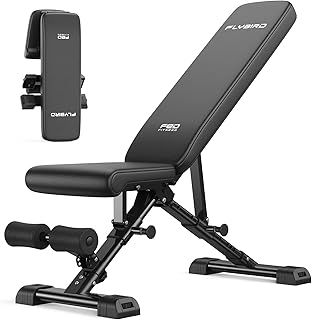
FLYBIRD WB5 Weight Bench
A dependable everyday pick — FLYBIRD WB5 Weight Bench pulls in 259 ratings at 4.5 stars. Not flashy, just solid.
Frequently Asked Questions
How long should a morning workout be?
A highly effective routine only needs to last five to ten minutes. Micro-workouts focusing on high-intensity bodyweight movements like squats and push-ups can build muscle and spike your heart rate without requiring a full hour.
Should I eat before working out in the morning?
Yes, consuming thirty to sixty grams of easily digestible carbohydrates like a banana or sourdough toast provides immediate glucose for energy. Avoid high-fiber or high-fat foods, which digest too slowly and cause stomach cramps.
Is it better to stretch before or after a morning workout?
Never do static stretches on cold muscles first thing in the morning. Stick to a five-minute dynamic warm-up with arm circles and leg swings to lubricate joints. Save deep, static stretching for after your workout or the evening.
How much water should I drink before morning exercise?
Drink sixteen to twenty ounces of water immediately upon waking. Your body gets severely dehydrated overnight, and exercising without rehydrating first can cause dizzy spells, sticky fascia, and artificially high heart rates.
