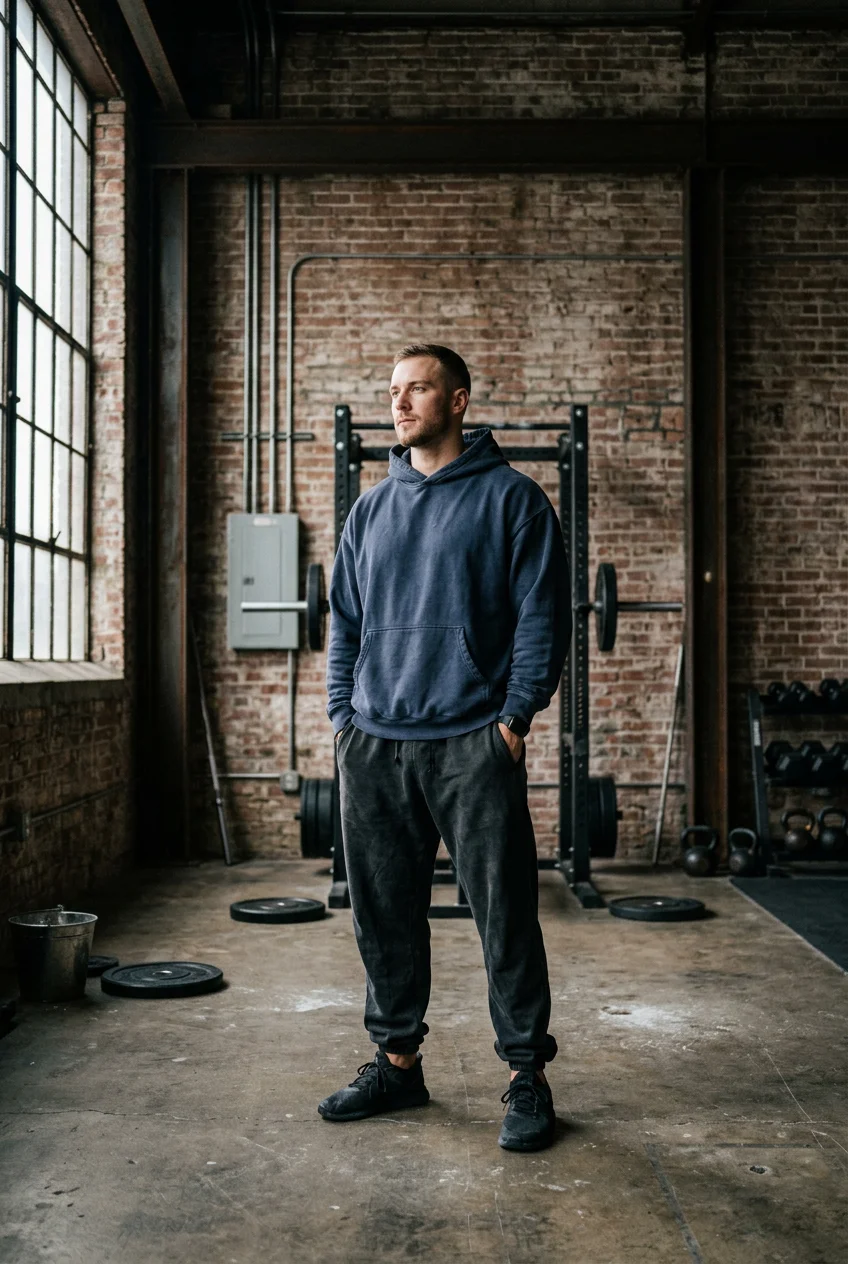
What’s Inside
- The Hidden Compression Layer Under Baggy Workout Outfits
- Ditching the Cotton Wet Towel Trap
- Investing in Wide-Leg Joggers That Actually Move
- Oversized Hoodies With Hidden Technical Features
- Nailing the 90s Retro Aesthetic Safely
- Navigating Gym Equipment With Loose Fabric
- Maximizing Airflow for Low-Impact Mobility Work
- Strategic Layering for Dynamic Temperature Control
Last Tuesday at a crowded LA Fitness, I hit the bottom of a heavy barbell squat and heard a sound like a sail ripping in a hurricane. My ultra-tight compression pants split right down the middle seam. I had to waddle backward to the locker room with my gym towel wrapped around my waist like a diaper. That humiliating walk is exactly why I only pack baggy workout clothes now. They solve the chafing, the restricted movement, and the constant fear of a blowout mid-squat. I used to stop at Whole Foods for a pre-workout espresso, dreading the moment I’d have to peel on my painted-on leggings. By 2026, the fitness industry finally realized that squeezing into tight spandex wasn’t helping our performance. But wearing oversized gear isn’t just about throwing on your dad’s old XXL sweatshirt. There’s a specific science to getting the relaxed look right without looking like a deflated parachute or getting your hem caught in a rowing machine. I tried the sloppy sweatpants route for months before figuring out the right fabric blends. You can’t just grab 100% cotton from a clearance bin and expect a good workout. It absorbs sweat immediately and smells like a wet dog by the time you finish your warmup. I’m going to walk you through how to build functional, comfortable oversized gym wear. We’re talking specific inseams, exact fabric percentages, and the layering tricks that keep you cool. I’ve ruined enough shirts and ripped enough pants to know what fails. Let’s break down the gear that actually survives a heavy training session.
1. The Hidden Compression Layer Under Baggy Workout Outfits

Let’s start with the foundation. The biggest mistake guys make with baggy workout outfits is going commando or wearing loose cotton boxers. I learned this the hard way during a kettlebell swing circuit at a local CrossFit box. Loose shorts plus dynamic hip hinges equals a modesty disaster. You need a tight base layer to lock everything in place while the outer layer moves freely. I wear the Under Armour HeatGear Compression Shorts under my wide-leg joggers. They cost $29.99 at Dick’s Sporting Goods and feature a 9-inch inseam that hits right above the knee. The fabric is 84% polyester and 16% elastane, which gives a tight squeeze on the quads without cutting off circulation. This base layer stops inner thigh chafing completely. If you’re doing walking lunges or deep squats, the friction between loose fabric and sweaty skin will rub you raw in ten minutes. A good compression short acts like a second skin. The Under Armour waistband is a bit stiff at first. It digs in slightly until you wash it a few times, but the support is worth the break-in period. You get the relaxed street style on the outside, but you keep the functional muscle support of traditional activewear on the inside. Plus, if you’re hitting the leg press machine, you won’t flash the entire gym when your oversized shorts ride up. I’ve used these specific shorts for two years, and the elastic still hasn’t stretched out.
2. Ditching the Cotton Wet Towel Trap

Skip the 100% cotton shirts. Wearing pure cotton to the gym feels like wrapping yourself in a heavy, wet towel. I used to buy cheap $5 cotton tees from Walmart for my heavy lifting days. By my second set of deadlifts, the shirt would weigh three pounds, stick to my back, and smell like old pennies. Certified personal trainer Chad Moeller and Dr. Navya Mysore both warn against pure cotton for intense training because it traps moisture against your skin, creating a breeding ground for bacterial growth and back acne. Instead, you need synthetic blends. You want a tag that reads somewhere between 5% and 20% spandex or elastane, mixed with polyester or nylon. Last month, I picked up a relaxed-fit training tee from Target’s All in Motion line for $16. It’s 92% recycled polyester and 8% spandex. The texture is slightly slick, almost like a fine mesh, which allows air to flow right through the oversized cut. When you sweat, the moisture spreads across the synthetic fibers and evaporates quickly. Your baggy gear stays light and airy. The one negative with polyester is that it holds onto odors if you leave it sitting in a hot car. I accidentally left my gym bag in my trunk after a workout at Sprouts, and I had to wash that shirt twice with white vinegar to kill the funk. Always wash your synthetics immediately.
3. Investing in Wide-Leg Joggers That Actually Move

Finding the right baggy bottoms is tricky. You want a relaxed drape, but you don’t want the hems dragging on the floor and soaking up gym sweat. I bought a pair of overly long sweatpants from a thrift store once, and I kept stepping on the cuffs during walking lunges. It threw off my balance completely. Now, I stick to a specific length and material. The Vuori Ponto Performance Pant is my current standard for wide-leg comfort. They run $98. The fabric is their proprietary DreamKnit material, which is 89% recycled polyester and 11% elastane. When you touch it, it feels like brushed microfiber—incredibly soft, almost like silk, but with a four-way stretch. I buy the medium size, which has a 30-inch inseam. That length is crucial. It lets the fabric pool slightly at the top of my training shoes without dragging under my heels. These pants are ideal for light workouts, mobility days, or just walking the dog. The relaxed fit means zero restriction around the knees when you drop into a deep stretch. The only downside is the material is quite thin. If you’re doing heavy barbell snatches where the knurling scrapes against your shins, the barbell will chew up the DreamKnit fabric in a single session. Save these for dumbbell work, kettlebells, or upper body days where the bar isn’t dragging against your legs. I ruined my first pair doing deadlifts, so I only wear them for upper body days now. You might also like: 20 Charming Black Garage Home Gym Setup Ideas Worth Trying This Year
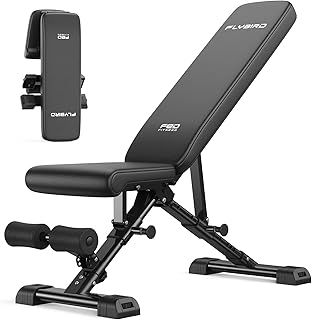
FLYBIRD WB5 Weight Bench
Honestly, FLYBIRD WB5 Weight Bench surprised me — sturdier than it looks in the photos, and over 259 buyers gave it 4.5 stars.
4. Oversized Hoodies With Hidden Technical Features

A massive hoodie is the cornerstone of the oversized aesthetic, but a generic cotton pullover won’t cut it. You need functional details. I use the Lululemon Scuba Oversized Hoodie. It costs $135, which is a steep price, but the engineering justifies it. I wear the M/L combined size. The exterior feels like a dense, heavy fleece, while the inside has a looped terry texture that traps heat without suffocating you. What makes this hoodie work for training are the hidden features. It has a massive kangaroo pocket on the front, but inside that pocket is a smaller, hidden phone sleeve made of tight mesh. When I’m doing box jumps, my iPhone 14 doesn’t bounce out and smash onto the rubber floor. It stays locked against my stomach. The sleeves feature elastic thumbholes. When you’re warming up on a chilly morning, you can lock the sleeves down over your palms to keep your hands warm while gripping cold iron dumbbells. The oversized cut allows for full shoulder rotation during warmup circles. Just be aware of the heavy hood. If you’re doing bench presses, the thick hood bunches up right at the base of your neck. It creates an annoying lump against the bench pad, so I usually take it off before I lie down. I bought this in October after my old cotton one shrunk, and the heavy fleece holds its shape perfectly.
5. Nailing the 90s Retro Aesthetic Safely

The 2026 fitness scene is pulling heavily from 80s and 90s bodybuilding culture. We’re seeing a massive return to boxy, oversized graphic tees and low-waisted, relaxed sweatpants. To get this look right without looking sloppy, you have to nail the proportions. The rule of thumb is to buy tops one size up from your normal fit. I usually wear a large, so I buy XL cotton-poly blend tees from Costco. Last week, I grabbed a 4-pack of Kirkland Signature crewnecks for $14.99. They have that perfect boxy drape across the shoulders while hanging loose around the waist. But here is a critical pro tip: baggy workout outfits can hide your spinal alignment. When I first started wearing oversized XL tees, I let my lower back round out during deadlifts because I couldn’t see my hip hinge in the mirror. You have to actively utilize gym mirrors and focus on your bodily proprioception. Turn sideways to the mirror and watch how the fabric hangs off your lower back. If the shirt rides up sharply in the back, your spine is probably rounding. I often tuck just the front hem of my oversized tee into my waistband. This gives me a clear visual line of my hips while keeping the loose, retro aesthetic everywhere else. It’s a small adjustment that prevents serious lower back injuries. You might also like: 8 Gym Story Instagram for Every Budget
6. Navigating Gym Equipment With Loose Fabric

Safety is a real concern when you add extra fabric to your training gear. Gyms are full of moving parts, pulleys, chains, and gears. Excessively baggy clothing can become a safety hazard if you aren’t paying attention. I had a terrifying moment last winter on a seated cable row machine. I was wearing a cheap, oversized windbreaker I bought from a thrift store. As I leaned forward to stretch my lats at the bottom of the rep, the loose fabric of my right sleeve got sucked directly into the cable pulley wheel. The machine jammed, and my arm was pinned against the greasy metal housing. I had to awkwardly unclip the V-bar handle with my left hand to free myself, leaving a permanent black grease stain on the jacket. When choosing loose tops, make sure the sleeve cuffs are ribbed or elastic. You want the volume in the chest and shoulders, but the wrists need to be tapered tight. The same goes for baggy shorts. If the leg openings are too wide, they can catch on the seat adjustment pins of leg extension machines. I always do a quick snag check before using any pin-loaded machines. I pull the loose fabric of my shorts tight against my thigh just as I sit down to ensure nothing is dangling near the weight stack. Don’t skip this step. You might also like: 20 Inspiring Journal Home Workout Ideas You Haven’t Thought Of

FLYBIRD WB3 Weight Bench Fits up to 6’5”
FLYBIRD WB3 Weight Bench Fits up to 6’5” punches above its price — 16 buyers rated it 4.5 stars. I would buy it again.
7. Maximizing Airflow for Low-Impact Mobility Work

While I prefer tighter gear for high-speed sprints, baggy attire dominates for low-impact activities like yoga, Pilates, or long incline walks. When you’re moving slowly through deep ranges of motion, tight spandex can feel restrictive and hot. Loose clothing provides superior airflow, which cools your skin as you move. I do a 45-minute mobility routine every Sunday morning on my living room rug. I wear a pair of loose, lightweight nylon track pants over a pair of Lululemon Fast and Free Half Tights. The half tights cost $78 and are made from their Nulux fabric. The outer track pants have a 10-inch zippered ankle. I unzip the ankles halfway during my mobility work. The loose nylon material doesn’t catch on my kneecaps when I transition from a downward dog into a deep pigeon pose. The airflow keeps my legs from getting clammy. The psychological benefit is huge here too. Baggy workout wear removes the pressure to hyper-analyze your body shape in the studio mirrors. When I’m not staring at the exact definition of my quads, I can actually focus on my breathing and the depth of the stretch. It shifts your mindset from how you look to how the movement actually feels in your joints.
8. Strategic Layering for Dynamic Temperature Control

The final piece of the puzzle is temperature regulation. A massive oversized hoodie is great for the first ten minutes of a workout, but once your heart rate hits 140 BPM, you’ll start boiling alive. You need a modular system. I use a three-piece layering strategy. I start with a fitted, moisture-wicking tank top as my base. Over that, I wear a slightly oversized, short-sleeve polyester tee. Finally, I top it off with a baggy, lightweight windbreaker. I found a great water-resistant windbreaker at the apparel section in a massive Kroger for $35. It’s 100% nylon on the outside with a thin polyester mesh lining. During my warmup miles on the treadmill, I wear all three layers. As I start sweating, I unzip the windbreaker to dump heat. The zipper is loud and clunky, but it works. Ten minutes later, I take the jacket off entirely. If I’m doing a brutal leg day, I’ll eventually strip down to just the tank top. The baggy outer layers trap radiant body heat quickly to warm up stiff joints, but they are easy to shed. Don’t make the mistake of wearing a heavy, baggy fleece with nothing underneath. I did that once on a cold morning run. Two miles in, I was sweating profusely, but I couldn’t take the fleece off because I didn’t have a base layer. I had to finish the run feeling like I was trapped inside a sauna suit.
Switching to relaxed, oversized gear completely changed how I train. I’m no longer peeling off skin-tight, sweat-soaked leggings in the locker room. I have full range of motion, my joints stay warm, and I actually look forward to putting on my gym clothes. Remember to check your fabric tags for spandex blends, invest in a quality compression base layer, and watch your form in the mirror to protect your lower back. If you build your gym wardrobe around these principles, you won’t ever go back to the restrictive gear of the past. Pin this guide for your next trip to the sporting goods store, and let’s get to work.
Frequently Asked Questions
Are baggy workout outfits safe for lifting weights?
Yes, but you must keep loose hems away from moving machine parts. Stick to ribbed cuffs on sleeves and ensure your baggy shorts don’t catch on seat pins.
What fabric is best for oversized gym clothes?
Avoid 100% cotton. Choose synthetic blends with 5-20% spandex mixed with polyester or nylon to ensure the extra fabric wicks sweat and dries quickly.
Should I wear anything under loose gym shorts?
Always wear compression shorts underneath. A tight base layer prevents severe inner thigh chafing and provides necessary modesty during deep squats or lunges.
How do I pick the right size for a baggy look?
Buy tops exactly one size up from your normal fit. This gives you a relaxed drape across the shoulders without creating a dangerous safety hazard around equipment.
