What’s Inside
- Invest in Quality Adjustable Dumbbells for Progressive Overload
- Master Resistance Bands for Versatility and Activation
- Prioritize Progressive Overload Beyond Just Weight
- Embrace Zone 2 Cardio for Efficient Fat Burning and Endurance
- Align Workouts with Your Menstrual Cycle
- Never Skip Your Warm-up and Cool-down
- Prioritize Form Over Speed or Weight
- Invest in a High-Quality Yoga Mat
- Use Smart Fitness Apps for Structured Programs
- Track Your Progress Diligently
- Ensure Adequate Protein Intake for Muscle Repair
- Explore Smart Jump Ropes and Dedicated Spaces
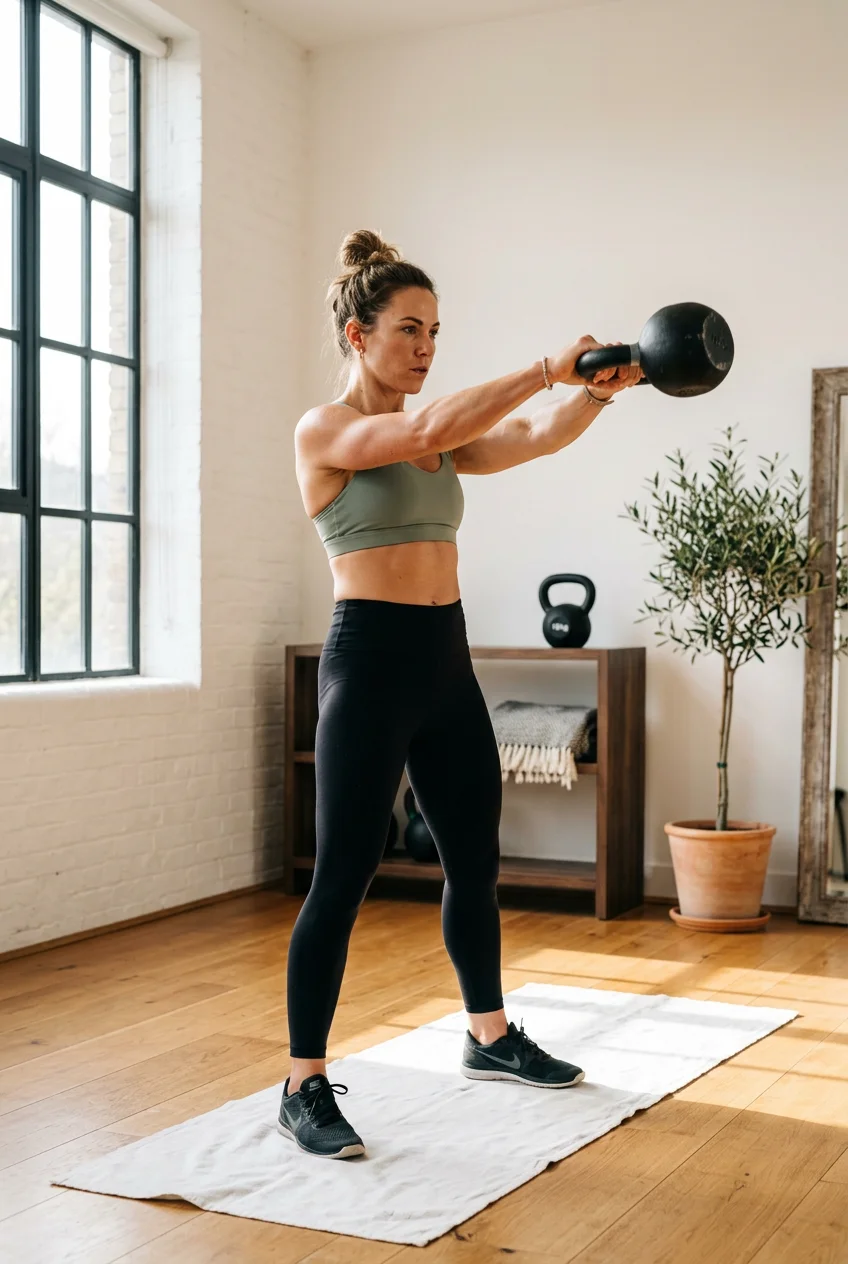
Last Tuesday at Target, I watched a woman fill her cart with 2-pound neoprene weights and a flimsy $8 pink foam mat. It physically pained me. I wanted to walk over and tell her that building a home workout plan for women doesn’t mean buying the lightest, cheapest gear in the sporting goods aisle. I spent my first two years training clients in their living rooms, watching them slip on cheap mats and plateau after three weeks because they lacked the proper tools. You need a home workout plan for women that actually pushes your muscles to adapt and grow. I’ve wasted thousands of dollars on gimmicky home equipment over my career. Most of it ends up collecting dust or breaking within a month. The smell of cheap, off-gassing plastic from bad equipment is something I won’t miss. Let’s build a setup that actually works, using real weights and proper programming. You don’t need a massive garage gym to see results, but you do need intention, the right resistance, and a willingness to push past the comfortable stage. Trust me on this.
1. Invest in Quality Adjustable Dumbbells for Progressive Overload

To build strength and avoid plateaus, progressive overload is crucial. You can’t just lift the same 10-pound weights for three years and expect your body to change. Instead of buying a full rack of fixed weights that will eat up your entire living room, invest in a good set of adjustable dumbbells. I bought a rack of fixed hex dumbbells from Walmart back in 2018. It took up half my garage and cost a fortune in shipping. Learned that the hard way. Adjustable is the only way to go. Brands like the NordicTrack 55 lb Select-a-Weight Dumbbells cost around $399.00 and offer a wide range of weights in a compact footprint. The sliding pin mechanism is smooth, though it occasionally sticks if you don’t line the plates up perfectly. The Core Fitness Adjustable Dumbbell Weight Set runs about $429.99 and uses a twist-handle design that feels incredibly secure in your hands. If you plan to lift heavy, the NÜOBELL Adjustable Dumbbell Set goes from 5 to 80 pounds for around $770.00. The knurled steel grip on the NÜOBELLs bites into your palms just like commercial gym equipment. The PowerBlock Pro 100 Adjustable Dumbbell is another solid option at $599.99, and you can expand it up to 100 pounds later. Having this range allows you to gradually increase the weight you lift, which forces your muscles to adapt.
2. Master Resistance Bands for Versatility and Activation

Resistance bands are a home workout staple, but most people buy the wrong kind. I bought a cheap set of latex bands at Kroger in a pinch last year. They snapped mid-squat and left a welt on my thigh for a week. The thin rubber bands also roll up your legs and pull your body hair. Skip those entirely. For upper body work, a set like the Fitbeast 5-Piece Resistance Bands Set costs about $30 on Amazon. It provides resistances from 4 pounds up to 120 pounds and includes handles and a door anchor. The door anchor is vital for doing lat pulldowns and triceps pushdowns at home. For glute-specific work, you need fabric bands. Freyja Fit glute resistance bands cost $18 for a set of three. The thick fabric has rubber grips on the inside so they don’t roll or slip when you sweat. Use the lighter bands for warm-ups to activate your glutes before squats. You can then use the heavier ones to add lateral resistance to lunges and hip thrusts. The rough texture of the fabric bands takes a few uses to soften up, but they outlast rubber bands by years.
3. Prioritize Progressive Overload Beyond Just Weight

A common mistake is thinking progressive overload only means lifting heavier metal. When you train at home, you will eventually hit a wall where you can’t buy heavier dumbbells without spending a fortune. I hit this wall during the 2020 lockdowns when I maxed out my 50-pound adjustables. You can achieve progressive overload without adding a single pound. First, increase your volume. Add two reps or a fourth set to your exercises. Going from 3 sets of 10 squats to 3 sets of 12 forces new adaptation. Second, reduce your rest time. Shorten your rest periods between sets from 90 seconds to 60 seconds. The burning sensation in your muscles will tell you it’s working. Third, improve your tempo. Slow down the eccentric lowering phase of an exercise. Try taking 4 full seconds to lower into a squat, pause for 1 second at the bottom, and explode up. This increases your time under tension drastically. I tried this tempo method wrong for months, rushing the bottom half of the movement, before I finally forced myself to count out loud. Lastly, increase your frequency. Add an extra 20-minute workout session per week if your joints feel recovered.

Adjustable Weight Bench
Adjustable Weight Bench – 1000LBS Capacity Heavy Duty Foldable Workout has been one of the most consistently praised picks in this category. 182 reviewers averaged 4.5/5.
4. Embrace Zone 2 Cardio for Efficient Fat Burning and Endurance

Stop doing burpees until you vomit. The fitness industry pushed high-intensity intervals for years, but Zone 2 cardio is far more sustainable. Zone 2 is a lower-intensity, steady-state exercise performed at 60 to 70 percent of your maximum heart rate. You should be able to hold a conversation without gasping for air. This conversational pace trains your mitochondria to efficiently use fat as fuel and builds aerobic endurance without trashing your joints. I used to do heavy sprints every day and wondered why my knees constantly throbbed. I switched to Zone 2 last year and my recovery improved immediately. Aim for 30 to 45 minute sessions, three to five times a week. You can achieve this at home through brisk walking on a treadmill set to a 10 percent incline, light cycling on a stationary bike, or even pacing your driveway. You will feel a light sweat pool on your forehead, but your lungs won’t burn. It feels too easy at first, which is the most common complaint I hear from clients. Trust the heart rate data. It works better than burying yourself with daily jump squats. You might also like: 11 Workout Routine At Home That Actually Work
5. Align Workouts with Your Menstrual Cycle

As a male trainer, I completely ignored cycle syncing for the first five years of my career. I’d push my female clients through heavy deadlifts on day two of their cycle and wonder why their grip failed and their energy tanked. It’s basic biology. Cycle syncing involves tailoring your workouts to the hormonal fluctuations of your menstrual cycle. During the Menstrual Phase (Days 1 to 7), focus on rest, gentle movement, walking, or restorative yoga. Your energy levels are naturally lower here. In the Follicular Phase (Days 8 to 13), estrogen rises and your energy increases. This is the ideal window for two to three heavy strength workouts and a couple of cardio sessions. During the Ovulatory Phase (Around Day 14), you reach peak energy and strength. This is when you should attempt personal records and high-intensity workouts. In the Luteal Phase (Days 15 to 28), progesterone rises, leading to potential fatigue and a higher core body temperature. Opt for core work, moderate strength days, and recovery-focused movements. Tracking this requires a bit of journaling, but aligning your effort with your hormones prevents unnecessary burnout. You might also like: 9 Gym Girl Outfits for Every Budget
6. Never Skip Your Warm-up and Cool-down

Cold muscles are like cold rubber bands. If you pull them hard, they snap. Skipping warm-ups and cool-downs is a massive mistake that increases your injury risk and ruins your workout performance. I pulled a hamstring doing cold lunges in my living room on a Tuesday morning because I was rushing before a meeting. Dedicate 5 to 10 minutes before every single workout to dynamic stretches. You need arm circles, leg swings, and torso rotations to increase blood flow and lubricate your joints. You should hear a few light pops in your ankles and shoulders as things loosen up. Do not do static stretching before lifting. Holding a toe touch for 30 seconds actually decreases your muscle’s power output. Save the static stretching for the cool-down. Follow your workout with 5 to 10 minutes of static holds to improve flexibility and aid recovery. Stretching out your hip flexors after a heavy leg day reduces that stiff, heavy feeling you get the next morning. Set a timer on your phone for 5 minutes so you don’t cheat the process. You might also like: 12 Aesthetic Gym Pics You Need to See
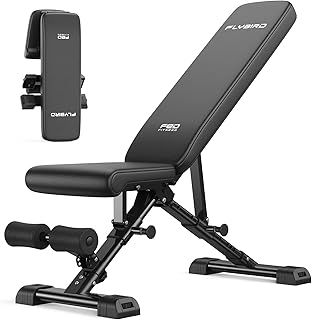
FLYBIRD WB5 Weight Bench
FLYBIRD WB5 Weight Bench has been one of the most consistently praised picks in this category. 259 reviewers averaged 4.5/5.
7. Prioritize Form Over Speed or Weight

Ignoring form and technique will lead to a lower back injury within a month. I see people swinging dumbbells using pure momentum just to hit a rep count. Try exercising in front of a full-length mirror, or better yet, video yourself. Prop your phone against a water bottle and record your deadlift sets. I did this last month and realized my upper back was rounding like a frightened cat during my final reps. It’s a humbling experience. Focus on the mind-muscle connection. You need to actually feel the target muscle contracting. If you are doing a dumbbell row and you only feel it in your biceps, your form is wrong. Drop the weight by 5 pounds, pull your shoulder blade back, and squeeze the lat muscle. The 20-pound weight lifted with perfect form builds more muscle than the 35-pound weight hoisted with terrible mechanics. Most people rush the eccentric portion of the lift because it hurts. Control the weight on the way down. If the dumbbell is controlling you, it’s too heavy.
8. Invest in a High-Quality Yoga Mat

Those cheap foam mats from five-and-dime stores will shred into little blue pieces on your carpet after two weeks of mountain climbers. A good yoga mat provides essential cushioning for your spine and grip for your sweaty palms. The Manduka PRO Yoga Mat costs between $110 and $138. It is incredibly heavy and dense. It smells strongly of factory rubber for the first week you own it. You actually have to scrub the surface with coarse sea salt and leave it in the sun to break down the factory film, otherwise it feels slippery. Once broken in, it lasts a lifetime and protects your knees on hard floors. For a more budget-friendly option, I saw the Gaiam Premium 5mm mat at Sprouts last week for around $25. It offers respectable cushioning and is lightweight enough to roll up quickly. The texture is slightly sticky, which helps during downward dog. Don’t do heavy kettlebell swings on a soft mat, though. The foam compresses unevenly and throws off your balance. Stand on the bare floor for heavy lifting and use the mat for floor work.
9. Use Smart Fitness Apps for Structured Programs

Don’t just wing your workouts. Picking a random YouTube video every morning isn’t a program, it’s just exercise. A real program manages your fatigue and plans your progression. The fitness app market is saturated, but a few stand out. The Peloton App costs $12.99 a month for the app-only subscription. It offers a massive library of strength, cardio, yoga, and shadowboxing classes. The instructors are loud and the music is great, which helps on days you feel lazy. Daily Burn runs $14.99 a month and provides a wide range of instructor-led workouts across all fitness levels. Their interface is a bit cluttered, but the variety is excellent. For strength training specifically, Stronger By The Day is $15 a month. It is developed with women in mind and offers science-backed programming that tells you exactly what lifts to do and how to progress them weekly. The app calculates your weights based on your previous performance. I’ve looked through their programming and it is remarkably solid, focusing on compound lifts rather than endless triceps kickbacks.

NICEPEOPLE Adjustable Weight Bench for Home Gym
NICEPEOPLE Adjustable Weight Bench for Home Gym punches above its price — 33 buyers rated it 4.5 stars. I would buy it again.
10. Track Your Progress Diligently

A surprising number of people train without logging their numbers. Writing “did some squats” in a notebook isn’t tracking. You need to record your sets, reps, and the exact pounds lifted. I tried keeping it all in my head for a year. I’d walk up to the dumbbells and completely forget what I lifted two days prior. You end up lifting the same weight forever. Use a fitness journal or an app like Strong Workout Tracker Gym Log. The basic version is free, and the premium is $4.99 a month. The interface is clean and dark, making it easy to read in a bright room. You just tap the screen to check off a set and a rest timer automatically starts. This data is vital for implementing progressive overload. When you look at your log and see you lifted 30 pounds for 8 reps last week, you know you need to try for 9 reps today. Without that data, you are just guessing. Guessing leads to stagnation.
11. Ensure Adequate Protein Intake for Muscle Repair

If you are engaging in strength training, your protein intake dictates your results. Walking through Costco, I see carts full of “protein” bars that are essentially candy bars with 8 grams of low-quality soy protein. You need real protein to repair the muscle fibers you tear down during a workout. Aim for approximately 1.6 to 2.2 grams of protein per kilogram of body weight daily. For a 60-kilogram woman, that means consuming 96 to 132 grams of protein a day. Incorporate lean meats, poultry, fish, eggs, and dairy. For convenience, protein powders are incredibly helpful. Optimum Nutrition Gold Standard Whey in Double Rich Chocolate costs about $45 for a 2-pound tub. It mixes easily in a shaker bottle, though it tastes a bit watery if you use more than 8 ounces of liquid. Myprotein Impact Whey Protein is another excellent choice that frequently goes on sale. Skip the fat-free stuff and the weird vegan blends that taste like wet cardboard. Find a whey isolate you actually enjoy drinking, or you’ll avoid it completely. No exaggeration.
12. Explore Smart Jump Ropes and Dedicated Spaces

Jumping rope on concrete barefoot is a mistake I made exactly once. My calves cramped for three days. You need a dedicated, clutter-free workout zone with proper flooring, even if it’s just a 6-by-6 foot corner of your bedroom. Having a specific space mentally prepares you for exercise. Once your space is set, consider a smart jump rope for engaging cardio. The CrossRope Get Strong Set includes heavy power handles and weighted ropes that feel like thick steel cables slicing through the air. They are expensive but indestructible. The RENPHO Smart Jump Rope is a great budget option at $30 to $40. It features an HD LCD display on the handle that tracks your jump count and calories, syncing via Bluetooth to the Renpho Health app. The plastic rope stings if you whip your toes, so wear solid training shoes. After your workout, grab a foam roller for recovery. An Amazon Basics high-density roller costs $20. Rolling out your tight hamstrings hurts immensely at first, but it forces blood into the tissue and speeds up recovery.
Building a home workout plan for women doesn’t require a commercial gym membership or twenty different machines. It requires consistency, a few heavy dumbbells, and a tracking method. I’ve trained enough people to know that the ones who succeed are the ones who stop buying cheap gimmicks and start focusing on progressive overload. Start with the adjustable weights and a solid app, and ignore the fitness influencers trying to sell you 3-pound ankle weights for “toning.” If you found this breakdown helpful, save it or pin it for later so you can reference these specific gear recommendations when you’re ready to upgrade your home setup.
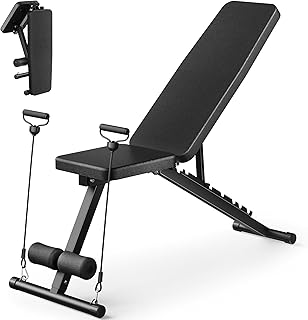
Adjustable Weight Bench for Home Gym
Honestly, Adjustable Weight Bench for Home Gym surprised me — sturdier than it looks in the photos, and over 565 buyers gave it 4.5 stars.
Frequently Asked Questions
What equipment is essential for a home workout plan for women?
A set of adjustable dumbbells, fabric resistance bands, and a dense yoga mat are the core essentials. These tools allow for progressive overload and protect your joints during floor exercises without taking up much space.
How do I achieve progressive overload at home?
If you can’t buy heavier weights, you can increase your reps, add an extra set, shorten your rest periods to 60 seconds, or slow down the lowering phase of your lifts to increase time under tension.
How much protein do I need while strength training?
Aim for 1.6 to 2.2 grams of protein per kilogram of body weight. For a 60kg woman, this means consuming roughly 96 to 132 grams daily through lean meats, dairy, or quality whey supplements.
Should I work out differently during my menstrual cycle?
Yes. Cycle syncing adjusts your intensity based on hormones. Push for heavy strength training during your Follicular and Ovulatory phases, and focus on recovery, yoga, or lighter movements during your Menstrual phase.
