What’s Inside
- Pick A Board That Can Take A Real Beating
- Ditch Vague Quotes For Your Workout Vision Board
- Pin Your Wearable Tech Data Right On The Board
- Visualize Holistic Recovery And Not Just Heavy Lifting
- Use The WOOP Method To Plan For Bad Days
- Add AI-Powered Personalization Visuals
- Grab Good Markers For Handwritten Affirmations
- Pin Small 3D Objects To Make It Feel Real
- Put Your Workout Vision Board Where You Actually See It
- Practice Active Vision Boarding While You Stretch
- Build A Mini Planner Board For Your Gym Bag
- Focus On How You Feel Instead Of Six-Pack Abs
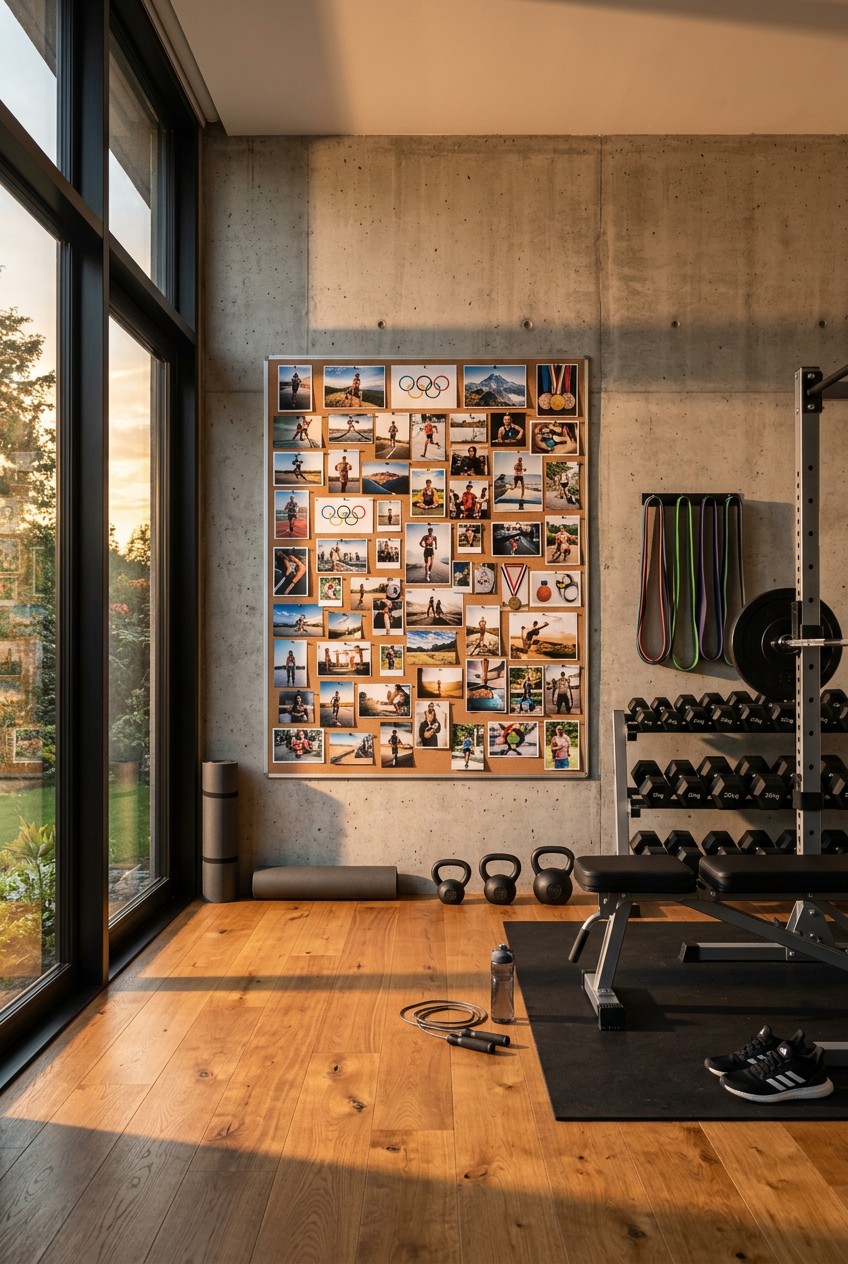
I stared at a chaotic pile of magazine cutouts on my living room rug last Tuesday and realized my entire workout vision board was a joke. The glossy paper smelled like cheap perfume, and I’d just glued a picture of a shredded fitness model onto a flimsy piece of cardboard. It felt ridiculous. I’m a trainer. I know better. A real workout vision board isn’t an art project for middle schoolers; it’s a daily blueprint for your brain. If you’re pasting generic quotes next to pictures of abs you found on the internet, you’re setting yourself up to fail.
I tried that exact method for months before figuring it out. I’d look at the board, feel overwhelmed by the unrealistic bodies, and then go eat half a bag of stale tortilla chips in my kitchen. You need concrete data, tactile objects, and hyper-specific goals. We’re moving past the old aesthetics-only mindset. Let’s build something that actually drives you to pick up heavy things and put them back down. Here’s exactly how to build a board that works.
1. Pick A Board That Can Take A Real Beating

You need a solid base. I bought a cheap cork board at Walmart last year for ten bucks. It smelled like sour glue and the cork was maybe 1/16th of an inch thick. Every time I pushed a pin in, it hit the cardboard backing and fell right out onto my hardwood floor. The sound of metal pushpins scattering at 6 AM isn’t motivating. Skip the cheap stuff. You want a 24″ x 36″ board that can take a beating.
I’m currently using the Quartet Cork Bulletin Board. It costs exactly $26.49 on Amazon. The cork is dense. It grips the pins tightly. If you prefer magnets, grab the U Brands 23″x35″ Magnetic Dry Erase Board for $32.99 at Target. I like the magnetic option because you aren’t poking holes in your expensive printed photos. You can just slap a heavy-duty neodymium magnet over your goals. A good board gives you a tactile experience. You can physically move a 4×6 photo of your goal weight from the “working on it” side to the “crushed it” side. It’s a small physical action, but feeling that smooth metal magnet snap against the board builds momentum. Don’t cheap out on the foundation.
2. Ditch Vague Quotes For Your Workout Vision Board

Most people get this wrong right out of the gate. They cut out a picture of a mountain and write “Get Fit” in bubbly letters. I’m telling you right now, that does nothing for your brain. Vague imagery is useless. I tried using a generic motivational poster once. I ignored it completely within three days. You need hyper-specific, measurable goals on your workout vision board.
Instead of a random runner, print out a clean, black-and-white piece of paper that says “Run 3.1 miles in under 30 minutes by October 2026.” That’s a clear target. When you look at that, your brain immediately starts doing the math on your pacing. I personally swear by printing out a literal map of the 5K route I plan to run. I highlight the exact streets with a bright yellow Sharpie Highlighter ($1.99 for a 2-pack at Walgreens). Pin that map right in the center. If your goal is weight loss, don’t just put up a picture of a skinny model. That’s depressing. Write down “Lose 10 pounds in three months” and pin a 1/2 cup plastic measuring scoop next to it to remind yourself of portion control. Specificity breeds execution. Vague goals just breed excuses.
3. Pin Your Wearable Tech Data Right On The Board

We live in an era of incredible data. You probably have a piece of smart tech on your wrist right now. Use it. Don’t just rely on magazine clippings when you have hard numbers proving your progress. I want you to open your fitness app, take a screenshot of your best week, and print it out on high-gloss 4×6 photo paper. Canon Photo Paper Plus Glossy II costs $12.99 for a 100-pack on Amazon.
Pin that glossy photo directly to your board. Seeing your actual Garmin Forerunner 265 ($449.99) sleep score or your Apple Watch heart rate zones makes the effort tangible. Last month, I was standing in the produce aisle at Whole Foods holding a $4.99 bunch of organic kale. I checked my resting heart rate on my watch and saw it had finally dropped to 52 beats per minute. I went home, printed that exact screenshot, and tacked it up. It’s a massive confidence booster. When you feel like skipping a workout, looking at your own historical data is way more motivating than a stock photo of a gym. It proves you’re capable of real change. You aren’t guessing anymore. You have the receipts.
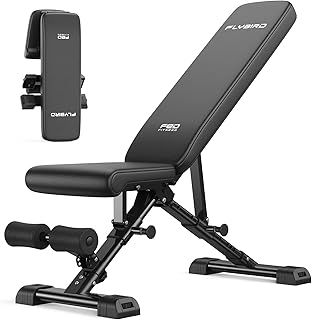
FLYBIRD WB5 Weight Bench
FLYBIRD WB5 Weight Bench punches above its price — 259 buyers rated it 4.5 stars. I would buy it again.
4. Visualize Holistic Recovery And Not Just Heavy Lifting

Fitness isn’t just about destroying your muscles. It’s about how well you bounce back. I used to skip recovery entirely. I thought stretching was a waste of time. Then I tore a shoulder muscle doing overhead presses and couldn’t lift a 10-pound dumbbell for six weeks. It was a miserable lesson. Now, holistic recovery takes up a massive chunk of my board. You might also like: 15 Creative Inside She Sheds Home Gym Setup Ideas to Steal Right Now
Print out a picture of a cedar sauna or a cold plunge tub. I have a photo of the Plunge tub ($4,990) right in the top left corner of my board. It reminds me that rest is a weapon. You don’t need a five-grand tub to recover, though. Pin an empty bag of Dr. Teal’s Pure Epsom Salt (3 lbs, $6.98 at Kroger) to the board. It serves as a visual cue to take a hot bath after leg day. Add a small index card with a simple 4-7-8 breathwork pattern written on it. The “no pain, no gain” mentality is dead. Train smart, recover hard. If your board is only filled with heavy barbells and sweat, you’re planning for burnout. Balance it out with visual reminders to chill out and heal. You might also like: 15 Brilliant Dark Basements Home Gym Setup Ideas Worth Trying This Year
5. Use The WOOP Method To Plan For Bad Days

A board full of pure positivity is basically a lie. You will have bad days. You will want to quit. Executive coach Anna Laifer recommends the WOOP method. It stands for Wish, Outcome, Obstacle, Plan. Most people only pin the Wish and the Outcome. I want you to pin the Obstacle and the Plan right next to them. You might also like: 15 Creative Workout Motivation Tips You Haven’t Thought Of
I use standard 3×5 Ruled Index Cards ($1.29 for a 100-pack at Target) for this. On a red card, I write my biggest obstacle. For me, it’s craving a 16 oz tub of Ben & Jerry’s Half Baked ice cream at 9 PM. On a green card right below it, I write my exact plan. “When I crave ice cream, I will eat 1 cup of Fage Total 2% Greek Yogurt mixed with 1 tablespoon of raw honey.” I buy the big 35.3 oz tub of Fage at Sprouts for $7.49. Tack these cards up. Acknowledge your weaknesses visually. When the craving hits, you won’t have to think. The plan is already staring you in the face. It takes the emotion out of the decision.
6. Add AI-Powered Personalization Visuals

Generic workout templates printed from a random blog aren’t cutting it anymore. The future of fitness is hyper-personalized data. You need to reflect this on your board. I tried following a generic 12-week mass building PDF a few years ago. It didn’t account for my old knee injury, and I ended up limping for a week. That’s why I rely on adaptive programming now. Learned that the hard way.
Print a screenshot of your AI-driven app dashboard. I use the Virtuagym AI Coach ($9.99/month). It adjusts my sets and reps based on my daily feedback. I take a screenshot of my custom weekly split, print it on standard 8.5×11 printer paper, and pin it dead center. It reminds me that my plan is built specifically for my body, not for a generic fitness model. If you use a smart scale, print out the exact body composition graph showing your muscle mass increasing. Pinning personalized, adaptive data proves that you aren’t just following the herd. You’re following the science of your own body.

NICEPEOPLE Adjustable Weight Bench for Home Gym
Honestly, NICEPEOPLE Adjustable Weight Bench for Home Gym surprised me — sturdier than it looks in the photos, and over 32 buyers gave it 4.5 stars.
7. Grab Good Markers For Handwritten Affirmations

Stop printing out motivational quotes in boring Arial font. It looks like a corporate memo. Your board needs your personal energy. You need to write your affirmations by hand. It connects you deeply to the words. I used to type everything out because my handwriting is terrible, but it felt disconnected from my actual goals.
Go buy a set of Faber-Castell PITT Artist Pens. A 4-pack costs $14.50 at Dick Blick or Amazon. The India ink flows beautifully and doesn’t fade in the sun. If you want something cheaper, grab a 2-pack of Sharpie Extreme permanent markers for $4.38 at Walmart. Take a blank card and write down exactly why you’re doing this. “I’m building a back strong enough to carry my kids without pain.” The physical act of pressing the ink into the paper transfers your intention. Seeing your own messy, aggressive handwriting on the board every morning hits way harder than a perfectly typed Pinterest quote. It’s raw. It’s yours.
8. Pin Small 3D Objects To Make It Feel Real

A flat board is boring. You need texture. You need things you can actually touch. Adding small 3D objects engages your senses and makes the goals feel tangible. I started doing this after I accidentally ripped a resistance band in half during a workout.
I took a 12-inch piece of that broken Theraband ($14.99 on Amazon) and pinned it straight to the cork. It reminds me of the tension and effort required to grow. I also took a scooped-out 30-gram plastic scooper from my Optimum Nutrition Gold Standard Whey ($44.99 at Costco) and glued a magnet to the back of it. I stuck it right on my board. Every time I look at it, I can almost smell the vanilla protein powder. If you’re a runner, cut the frayed lace off your old Brooks running shoes and pin it up. These little 3D items act as physical anchors. They pull your goals out of the imaginary realm and drop them right into the physical world. No exaggeration.
9. Put Your Workout Vision Board Where You Actually See It

Location is everything. I once spent three hours building a beautiful board and then hung it on the back of my guest room door. I literally didn’t look at it for six months. Out of sight means out of mind. You can’t hide your goals if you want to achieve them.
You need to put this thing in a high-traffic area. Hang it right above your home office desk. Hang it next to your bathroom mirror. I currently have mine mounted in my garage gym directly above my squat rack. I used four 3M Command Large Picture Hanging Strips (a 4-pack is $5.49 at Target) to stick it to the drywall without doing damage. Every time I unrack the bar, my goals are staring right back at me. If you’re embarrassed to have people see your fitness goals in your living room, you need to get over it. Own your process. Put the board where it forces you to confront your choices every single day.

FLYBIRD WB2 Weight Bench
A dependable everyday pick — FLYBIRD WB2 Weight Bench pulls in 215 ratings at 4.5 stars. Not flashy, just solid.
10. Practice Active Vision Boarding While You Stretch

Staring passively at your board while drinking your morning coffee is fine, but it isn’t enough. You need to practice active vision boarding. This means physically moving your body while you process the images and goals. It links the physical sensation of movement with the mental focus of your goals.
I do this every morning for exactly five minutes. I drop down on my living room floor with my TriggerPoint GRID Foam Roller ($34.99 at Dick’s Sporting Goods). While I’m rolling out my tight calves and lower back, I stare directly at my board. I read the handwritten index cards out loud. I visualize the 5K route I printed out. I feel the burn in my muscles while looking at the outcome I want. It creates a powerful neurological link. You aren’t just wishing for a strong body; you’re physically building it while looking at the blueprint. Try doing 20 bodyweight squats while focusing on the center image of your board. It changes the entire vibe of the room.
11. Build A Mini Planner Board For Your Gym Bag

Your big 24×36 board is great for the house, but you can’t take it to the gym. When you’re sitting in your car outside the gym at 5:30 AM, freezing and wanting to go back to sleep, you need a portable visual cue. I highly recommend building a mini board.
I use a system from The Happy Planner. You can buy a Classic size planner for $24.99 at Michaels. I bought a pack of their clear page protectors and created a 7×9 inch collage of my most important goals and data points. I printed it on heavy 80 lb cardstock, laminated it, and snapped it right into my planner. I throw this planner in my gym bag every day. When I’m resting between heavy sets of deadlifts, I open it up. It’s a localized dose of motivation exactly when I need it most. Having a portable version ensures your goals travel with you. You’re never disconnected from the plan.
12. Focus On How You Feel Instead Of Six-Pack Abs

This is the most important shift you can make. Stop obsessing over aesthetics. The fitness industry is finally waking up to the concept of healthspan. It’s about how long you can live a highly functional, pain-free life. I used to have pictures of shredded bodybuilders on my board. Now, I have pictures that represent functional freedom.
I pinned a photo I took of four heavy paper grocery bags sitting in the trunk of my car. I bought them at Trader Joe’s. That photo reminds me that I train so I can carry all the groceries in one trip without throwing out my back. That’s real strength. Pin a picture of a steep hiking trail you want to conquer without losing your breath. Write down “Wake up with zero lower back pain.” Focus on energy, mobility, and confidence. When your board is tied to how you feel rather than how you look, the motivation lasts forever. Looks fade. Functional strength keeps you alive. Trust me on this.
Building a board like this takes a little extra effort, but I promise it’s worth it. Grab a good cork board, print your real data, and write down exactly what you want. Save this page, pin it for later, and start building your board this weekend. You won’t regret it.
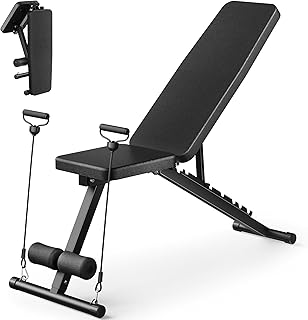
Adjustable Weight Bench for Home Gym
Adjustable Weight Bench for Home Gym punches above its price — 517 buyers rated it 4.5 stars. I would buy it again.
Frequently Asked Questions
What is the best size for a workout vision board?
A 24×36 inch board provides enough space for specific goals, printed wearable data, and small 3D objects without feeling cluttered. It’s large enough to read from across the room but fits easily above a desk.
Should I use pictures of fitness models on my board?
No. Focus on personal data, functional goals, and how you want to feel. Pictures of models often create unrealistic expectations and can lead to frustration rather than lasting motivation.
How often should I update my workout vision board?
Review it weekly and update it monthly. As your fitness metrics improve and your goals evolve, swap out old data screenshots and completed milestones with fresh, challenging targets.
Where is the best place to hang my board?
Hang it in a high-traffic area where you’ll see it daily, such as above your home office desk, next to your bathroom mirror, or directly inside your home gym space.
