
What’s Inside
- Prioritize a Dynamic Warm-up (10-15 minutes)
- Master the Mind-Muscle Connection
- Avoid Ego Lifting (Form Over Weight)
- Incorporate Eccentric Training for Hypertrophy
- Target Lower Lats with Specific Variations
- Don’t Neglect Your Lower Back
- Use Lifting Straps Strategically
- Optimize Post-Workout Nutrition with Whey Isolate
- Supplement with Creatine Monohydrate
- Implement Foam Rolling for Recovery and Mobility
- Train Back 2-3 Times Per Week
I blew out my lumbar spine deadlifting 405 pounds last Tuesday. I figured back day was just about ripping heavy iron off the floor. I heard a pop over the gym music, caught the metallic scent of rusty plates, and spent three days icing my back on the living room rug. A real back workout needs strategy, not just blind aggression. I’ve spent six years learning what works and what just leads to physical therapy bills. Here’s how to build a thick, wide back without trashing your joints.
1. Prioritize a Dynamic Warm-up (10-15 minutes)

I used to walk in, do two arm circles, and jump into heavy rows. Huge mistake. My lats felt like stiff jerky and my shoulders clicked. Now I take 10 to 15 minutes to warm up properly. I start with 10 to 15 reps of Cat-Cow stretches on a yoga mat. Then 8 to 10 reps per side of Thoracic Rotations. I finish with 15 to 20 seconds of resistance band pull-aparts. I buy the standard red SPRI Resistance Bands for $12.98 at Target. The rubber reeks of latex, but it wakes up my scapular muscles. Don’t skip this. Your spine needs the mobility. I learned the hard way after pulling a muscle near my shoulder blade being too lazy to warm up. When you pull that red SPRI band apart, you should feel a deep, burning squeeze between your shoulder blades. If your neck tenses up, you’re doing it wrong. Drop your shoulders. I bought a 5mm Gaiam yoga mat for $19.99 at Sprouts just to keep in my car for these. The cold gym floor is brutal for Cat-Cow stretches. The thin foam gives my knees just enough padding. Trust me. Waking up those dormant muscles means you’ll actually use them when you move heavy iron, instead of compensating with your biceps and neck.
2. Master the Mind-Muscle Connection

Bodybuilder Chris Bumstead gives the best advice here. Keep your elbows as close to your body as you can. Drive them back, don’t flare them out. I used to grip the bar so hard my knuckles turned white. My forearms would fry before my lats even started working. You have to focus on the contraction. Stop worrying about moving the weight from point A to point B. When you pull, think about pulling with your elbows, not your hands. Imagine your hands are just meat hooks. I bought a pair of Harbinger padded lifting grips for $19.99 at Walmart recently. They have a rough neoprene texture that takes my grip out of the equation. I hook my hands over the bar and drive my elbows into my back pockets. It feels totally different. You’ll feel a deep, cramping sensation in your lats if you do it right. Most people get this wrong. They yank the bar down using their biceps. Skip that. Slow down and feel the muscle working. If you can’t feel your lats burning on a pulldown, you’re pulling with your arms. I wasted my first two years of lifting doing that. My biceps grew, but my back stayed flat. Focus on the squeeze.
3. Avoid Ego Lifting (Form Over Weight)

We all want to look strong. I get it. But sacrificing form for heavier weights is the fastest way to a physical therapist’s office. If you’re swinging to drive the weight up, lower it. No ego lifting allowed. I used to load up the T-bar row with four 45-pound iron plates. I’d heave the weight up, my lower back rounding like a frightened cat. The rough knurling on the handles tore up my calluses, but I thought I was making gains. I wasn’t. I was just begging for a slipped disc. Using weights you can’t handle kills muscle activation and spikes your injury risk. I swallowed my pride, stripped two plates off, and put on my leather Rogue Fitness 10mm lifting belt. It costs $130 online, and the stiff leather digs into my ribs, but it forces me to brace my core. I focused on a slow, controlled squeeze at the top. My lats grew more in three months of strict form than they did in two years of ego lifting. If your torso is bobbing more than a few inches during a row, the weight is too heavy. Drop the plates. Save your spine. Build actual muscle. You might also like: 20 Brilliant Commercial Home Gym Setup Ideas Worth Trying This Year
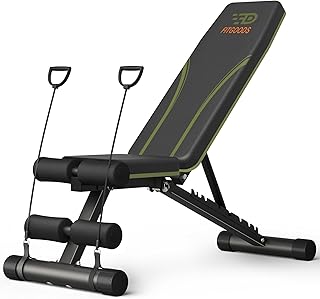
Fitgoods Adjustable Weight Bench for Home Gym
A dependable everyday pick — Fitgoods Adjustable Weight Bench for Home Gym pulls in 86 ratings at 4.5 stars. Not flashy, just solid.
4. Incorporate Eccentric Training for Hypertrophy

Eccentric training is a huge trend, and for good reason. It focuses on the lengthening phase of a movement—the negative. When you do pull-ups, take two to three seconds to lower your body. I used to drop like a rock. My elbows would snap straight, and the jolt sent pain up my forearms. This technique increases time under tension. It causes more micro-tears, which promotes growth and strength. I installed a black Iron Gym pull-up bar in my garage. I bought it for $24.99 at Target. The foam grips are squishy and absorb sweat. I started forcing myself to do a three-second count on the way down. One Mississippi, two Mississippi, three Mississippi. The burn is brutal. Your lats will feel like they’re on fire by the fifth rep. That’s what you want. Don’t rush the descent. The eccentric phase is where the magic happens. You’ll wake up with a deep, satisfying soreness in muscles you didn’t know you had. If you can’t do full pull-ups, jump to the top and fight gravity on the way down. I did this for a month before I could string together five strict reps. You might also like: 15 Creative Inside She Sheds Home Gym Setup Ideas to Steal Right Now
5. Target Lower Lats with Specific Variations

If you want a wider back, you have to hit your lower lats. Reverse-grip lat pulldowns are fantastic. The palms-facing-you grip lets your elbows travel closer to your torso. This puts serious tension on the lower lats. I struggled with high lat attachments for years. My back looked like a triangle on a stick. Then I started doing heavy dumbbell rows, pulling to my hip bone instead of my chest. I use a pair of Bowflex SelectTech 552 adjustable dumbbells at home. They cost $429, and the plastic dials click when you change the weight. I set them to 45 pounds. I brace my non-working hand on a bench and drag the dumbbell low and tight against my waist. The friction of my shirt against my arm helps me keep the path straight. Wide-grip lat pulldowns work too. Just pull the bar to your upper chest, not behind your neck. That’s a fast track to shoulder impingement. Keep the movements tight and focused on the lower sweep. I used to pull super wide and flare my elbows. My rear delts grew, but my lower lats stayed nonexistent. Tuck the elbows tight. You might also like: 20 Beautiful Home Gym Setup Ideas That Changed Everything
6. Don’t Neglect Your Lower Back

Many lifters ignore direct lower back training. This creates an unbalanced physique and sets you up for injury. If your joints allow it, deadlift every second back day. Here’s the secret: do them last. I used to do deadlifts first. My lower back would be fried, and I couldn’t stabilize my torso for bent-over rows afterward. My form would crumble. Now I save them for the end. Avoid training lower back first to keep those muscles fresh for stabilization. Hyperextensions are also great. I use the 45-degree hyperextension bench at my gym. I grab a single Cap Barbell 45 lb cast iron plate. You can buy these for about $55 at Walmart. The grey iron smells like loose change. I hug the plate to my chest, lower myself, and squeeze my glutes and lower back to come up. Don’t overextend. Just come to a neutral, flat spine. This builds a bulletproof back that protects you during heavy squats and daily life. I tweaked my lumbar spine a few years ago doing these too fast. Slow down. Control the weight. Respect your lower back.
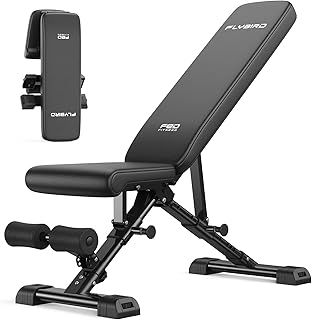
FLYBIRD WB5 Weight Bench
FLYBIRD WB5 Weight Bench punches above its price — 259 buyers rated it 4.5 stars. I would buy it again.
7. Use Lifting Straps Strategically

Grip strength is almost always the limiting factor. Your forearms fatigue long before your lats do, which keeps your back from hitting total failure. Use straps strategically. I swear by the premium option, Versa Gripps. They run $60 to $80 online. They’re made of a rubbery material that bites into the barbell knurling. If you want a budget option, the standard cotton Gymreapers straps cost $15 to $30. They have neoprene padding at the wrist that keeps the cotton from digging into your skin. I use straps for my heaviest sets of rows and deadlifts. Never for warm-ups. Last Thursday, I tried to row 225 pounds barehanded. The bar slipped out of my sweaty fingers and crashed onto the safety pins with a deafening clang. Everyone stared. It was embarrassing. Once I strapped in, I hit eight clean reps. The straps let you focus on pulling with your back instead of worrying about your grip. Don’t let your grip dictate your gains. Just buy the straps. Your lats will thank you.
8. Optimize Post-Workout Nutrition with Whey Isolate

You need rapid repair after tearing up your back. Consume 20 to 40 grams of fast-digesting protein like whey isolate within an hour of your workout. I keep a massive tub of Optimum Nutrition Gold Standard 100% Whey in my pantry. I buy the 5.64 lb bag for $69.99 at Costco. The Double Rich Chocolate flavor mixes perfectly with 8 oz of cold water. It tastes sweet but not like artificial syrup. Dymatize ISO100 Hydrolyzed Protein Powder is another great one. A 2 lb tub runs $45 to $70. These isolates provide essential amino acids, like leucine, to kickstart muscle protein synthesis. I used to wait hours to eat. I felt sluggish, and my recovery was garbage. My muscles felt like bruised fruit for days. Now, I shake up my protein in a plastic BlenderBottle in the locker room. The clacking of the wire whisk ball is my post-workout ritual. Don’t skip this window. Your lats are begging for nutrients. Give them the fuel to rebuild thicker. I used to buy cheap blends, but they left me bloated. Stick to a high-quality isolate. It digests faster and feels lighter.
9. Supplement with Creatine Monohydrate

Creatine monohydrate is a powerhouse for strength and muscle. Take 3 to 5 grams daily. Be consistent, regardless of your workout timing. I use BUBS Naturals Creatine Monohydrate. It starts at $43.00 for a tub. I found it at Whole Foods last week. It’s sourced from Creapure, which means high purity. The white powder is fine, almost like sugar. It dissolves silently into my morning glass of orange juice. I tried a cheap, gritty creatine years ago. It felt like swallowing wet sand and destroyed my stomach. I spent half the day in the bathroom. Quality matters. Creatine pulls water into your muscle cells, making your back look fuller and giving you that extra rep on heavy pulldowns. You don’t need a loading phase. Just take 5 grams every day. Over a few weeks, you’ll notice the bar moving faster. It’s the most researched supplement for a reason. I keep my tub next to the coffee maker so I don’t forget it. If I skip a few days, I feel a drop in my pulling power. Consistency is the whole secret.

NICEPEOPLE Adjustable Weight Bench for Home Gym
NICEPEOPLE Adjustable Weight Bench for Home Gym punches above its price — 33 buyers rated it 4.5 stars. I would buy it again.
10. Implement Foam Rolling for Recovery and Mobility

Use a foam roller for 5 to 10 minutes post-workout or on rest days. It kills soreness and improves flexibility. For upper back tension, I lie with the roller under my mid-back and extend over it. I use the hollow TriggerPoint GRID foam roller. It costs $34.99 at Target. The rigid plastic core is wrapped in EVA foam with ridges. Those ridges dig deep into the sticky fascia around my shoulder blades. It hurts in a good way. For your lower back, focus on the surrounding muscles like your glutes and hip flexors. Don’t put pressure on your lumbar spine. Dr. Ghalambor advises against rolling directly over the lower vertebrae. I tried it once, and it sent a sharp, terrifying pain down my leg. Never again. A 36-inch roller is versatile, and softer ones work if you’re a beginner. Roll out on a carpeted floor. Doing this on hardwood makes the roller slide away. Take deep breaths and let your body weight sink in. I do this while watching TV. It sounds like bubble wrap popping when my upper back finally releases.
11. Train Back 2-3 Times Per Week

For most people, training back 2 to 3 times a week is optimal. Beginners might start with 1 or 2. Advanced lifters can benefit from 3 or 4 sessions with varied intensity. Aim for 15 to 25 sets per week, spread out. I train back on Mondays and Thursdays. I chug a 12 oz glass of Trader Joe’s cold brew coffee (the $5.49 bottle with the blue label) thirty minutes before. The bitter, acidic kick wakes me up. To improve pull-up performance, incorporate negatives. Slowly lower yourself from the top of the bar. If you can’t do a single pull-up, use a resistance band for help. Loop it over the bar and step into it. It’ll slingshot you out of the bottom position. I spent months doing half-rep pull-ups and ignored the bottom stretch. My lats stopped growing. Full range of motion, multiple times a week, is the secret to a wide, thick back. Don’t cram 25 sets into one brutal session. Spread the volume out. Your joints will recover better, and you’ll actually look forward to training.
Building an impressive back doesn’t happen by accident. It takes patience, strict form, and the right fuel. I bought a cheap spiral notebook for $1.99 at Kroger last week just to track my row weights. Writing it down keeps me accountable. If you follow these eleven strategies, you’ll see changes in a few weeks. Save this page on your phone and pin it to your fitness board for your next gym session. Let’s get to work.
Frequently Asked Questions
How often should I do a back day workout?
You should aim to train your back 2 to 3 times per week. This provides enough stimulus for muscle growth while allowing adequate recovery time between heavy pulling sessions.
Do I really need lifting straps for my back day workout?
Yes, if your grip fails before your lats do. Using straps on heavy rows and deadlifts ensures your back muscles reach full fatigue rather than being limited by your forearm strength.
What is the best post-workout protein for back days?
A fast-digesting whey isolate is ideal. Consume 20 to 40 grams mixed with water within an hour of finishing your workout to kickstart muscle protein synthesis and speed up recovery.
Should I deadlift at the beginning or end of my back routine?
You should perform deadlifts at the end of your session. Doing them first exhausts your lower back, making it dangerously difficult to stabilize your core during heavy bent-over rows later on.
