What’s Inside
- Prioritize Compound Movements
- Stop Skipping Glute Activation
- Embrace Progressive Overload
- Train Legs 2-3 Times Per Week
- Focus On Full Range Of Motion
- Utilize Resistance Bands
- Invest In Quality Adjustable Dumbbells
- Fuel Your Workouts With Carbohydrates
- Prioritize Active Recovery And Foam Rolling
- Track Your Workouts In A Logbook
Last Tuesday at Whole Foods, I watched a girl drop a heavy $6.99 12-pack of grapefruit LaCroix because her quads gave out in the checkout line. Cans exploded, fizzing sticky water all over the linoleum. It reminded me of my own epic fails trying to build a real leg workout. I’m Ryan Brooks. I’m a trainer, and I spent years getting this wrong. I used to think 50 fast bodyweight squats in my living room would build muscle. My knees sounded like crinkling potato chip bags with every rep. My glutes were flat, and my lower back throbbed. The smell of gym chalk made me sneeze, so I’d leave early out of frustration. Now I know better. Skip the fat-free stuff. It tastes like wet cardboard and won’t fuel heavy lifting. Let’s fix your routine with real, heavy tactics that work.
1. Prioritize Compound Movements

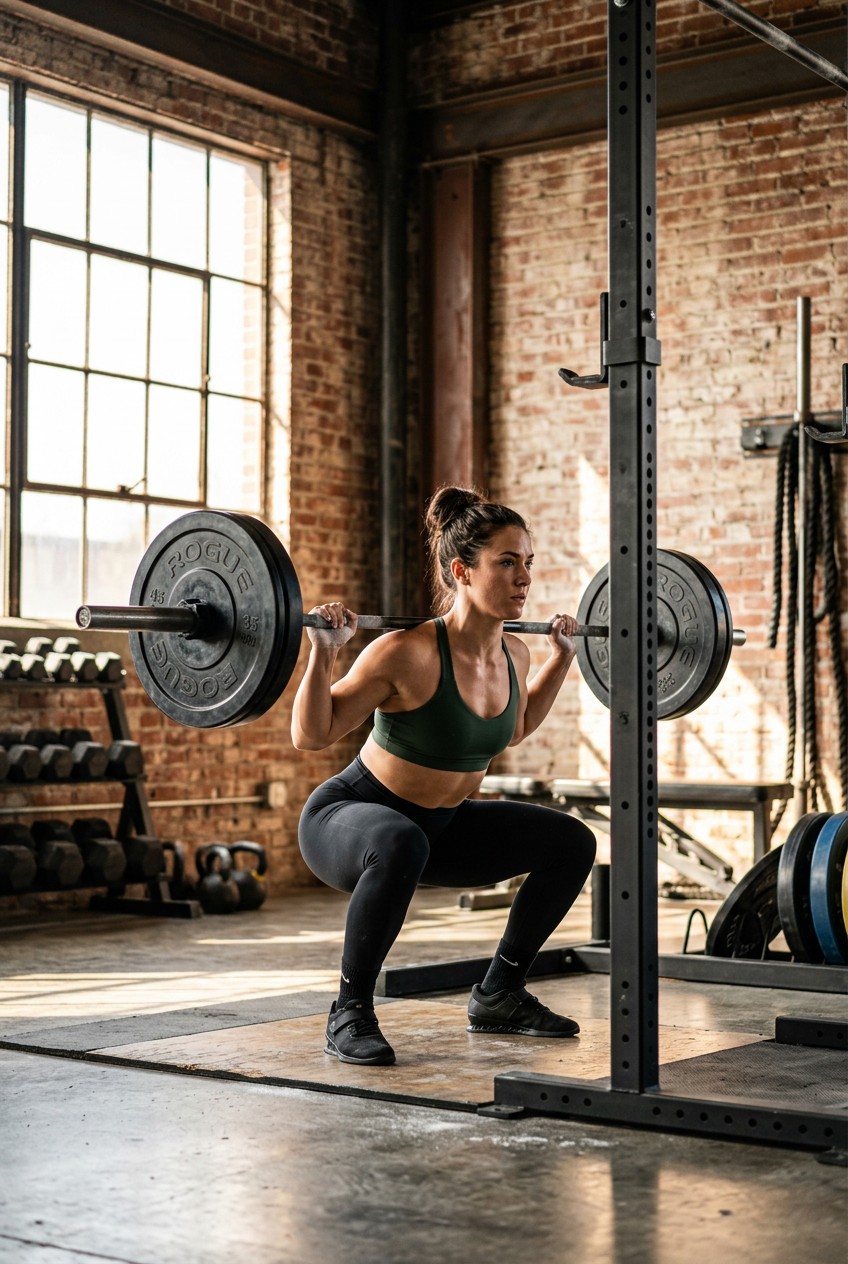
You can’t just do endless cable kickbacks and expect massive changes. You need foundational exercises like barbell squats, Romanian deadlifts, and hip thrusts. These recruit multiple muscles at once. We’re talking glutes, quads, and hamstrings working in sync. That’s how you get maximum activation. Aim for 3 to 4 sets of 8 to 12 reps to promote growth. I tried this wrong for months—actually years. I used to load a cheap, bent bar at my apartment gym and bounce recklessly. Terrible idea. My back screamed at me for days. Now, I swear by a Rogue Fitness 45 lb Ohio Bar. It costs $295.00, but the knurling feels like rough sandpaper. It won’t slip when you’re pulling a heavy deadlift. Before I lift, I rub 1/2 ounce of Spider Chalk ($19.95) on my palms. It smells like dry clay and keeps my grip locked. Start with these heavy lifts when your nervous system is fresh. Most people exhaust themselves on leg extension machines first. Don’t do that. You won’t have any power left for the moves that matter.
2. Stop Skipping Glute Activation

Before your main session, dedicate 5 to 10 minutes to glute activation. This wakes up the muscles so they’re ready to bear heavy loads. If you don’t, your lower back or quads will compensate, leading to injury. I learned this the hard way. I rushed into heavy squats on a cold Tuesday morning without warming up. I felt a sharp pinch in my hamstring like a snapping rubber band. That changed how I warm up forever. Now I do glute bridges for 3 sets of 15, side-lying clamshells, and band crab walks. I use the BC Strength Glute Loop. It costs $20.00 and was developed by Bret Contreras. The fabric is thick. It feels like a stiff canvas belt. It won’t roll down and pinch like those cheap rubber ones. I saw similar bands near the pharmacy at Target recently. You want to feel an intense burning sensation in your upper glutes before you touch a barbell. That means they’re firing.
3. Embrace Progressive Overload

To avoid frustrating plateaus, you must gradually increase the challenge. You can’t lift the same pink dumbbells for three years and expect your body to change. Progressive overload means adding weight, increasing reps from 8 to 10, adding a set, or squatting an inch deeper. I used to be terrified of adding weight. I’d stick to a 20-pound kettlebell because it felt safe. My progress stalled. My legs looked exactly the same for six months. I finally bought a set of Micro Gainz 1.25 lb fractional plates for $44.95. They’re tiny steel discs that clink when you slide them on. Adding 2.5 pounds to my squats each week forced my muscles to adapt. You don’t need to add 10 pounds at a time. Small jumps matter. I keep my plates in an 8 oz canvas bag in my gym tote. If you’re struggling to add weight, slow down the eccentric movement. Take three seconds to lower into the squat. The shaking burn in your quads will tell you it’s working.

NICEPEOPLE Adjustable Weight Bench for Home Gym
A dependable everyday pick — NICEPEOPLE Adjustable Weight Bench for Home Gym pulls in 32 ratings at 4.5 stars. Not flashy, just solid.
4. Train Legs 2-3 Times Per Week

For most women, training legs two to three times a week is the sweet spot. You need 48 hours of rest between sessions targeting the same muscle group. Muscles grow when you’re resting, not when you’re lifting. I used to train legs five days a week and was constantly exhausted. My legs felt like lead weights wrapped in wet cement. I couldn’t walk up stairs without wincing. Once I dropped to two heavy days and one pump day, my strength shot through the roof. On rest days, I focus on protein. I mix 1 scoop (32 grams) of Optimum Nutrition Gold Standard Whey into my bottle. I buy the 5.64 lb bag for $64.99 at Costco because the small tubs are a rip-off. The Double Rich Chocolate flavor smells like cheap cocoa, but it mixes with 8 ounces of ice-cold water. No clumps. If you aren’t recovering, you aren’t growing. You might also like: 15 Cozy Aesthetic Morning Workout Routine That Are Totally Worth It
5. Focus On Full Range Of Motion

A massive mistake is not squatting to full depth. You need your hip crease to descend below the top of your knee. Your thigh should be parallel to the floor or lower. This maximizes fiber recruitment. Half-squats build half-legs. I used to cheat my depth to stroke my ego. One day, I ripped my favorite gym shorts down the middle seam because my hips were tight and my form was awful. The tearing sound echoed across the gym right as the music paused. Mortifying. I had to tie my sweatshirt around my waist and waddle to my car. If mobility is an issue, do dynamic stretches. Wear flexible gear. I wear Gymshark Arrival Shorts ($26.00), but the Lululemon Align High-Rise Pant 25″ ($98.00) is popular. The Nulu fabric feels like a second skin. Before squatting, I spend five minutes in a deep goblet squat holding a 10 lb dumbbell. Push your knees out with your elbows. It’s an uncomfortable stretch, but it opens your hips beautifully. You might also like: 20 Inspiring Outfit Home Workout Ideas That Changed Everything
6. Utilize Resistance Bands

Resistance bands are portable tools for isolating glutes and enhancing warm-ups. They provide constant tension that free weights sometimes lose at the top of a move. Get the Victorem Fabric Hip Resistance Bands. A set of three costs $19.95. The cotton-latex blend feels soft but sturdy. They don’t roll up your thighs. I used to buy those flimsy rubber bands from Walmart. They’d snap back, rip out my leg hair, and leave red welts. The fabric ones never do that. I keep the heavy black band in my glovebox. I’ll do seated abductions while waiting in my car at Kroger. Sit in the driver’s seat, loop the band above your knees, sit tall, and push outward while listening to a podcast. Do 3 sets of 20. Your outer glutes will feel like they’re on fire. It’s a great way to sneak in extra volume. You might also like: 20 Brilliant Commercial Home Gym Setup Ideas Worth Trying This Year
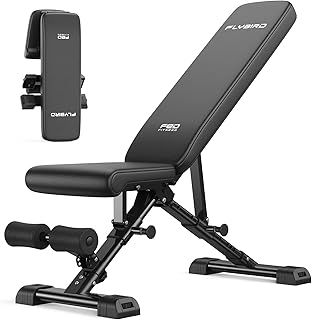
FLYBIRD WB5 Weight Bench
Honestly, FLYBIRD WB5 Weight Bench surprised me — sturdier than it looks in the photos, and over 259 buyers gave it 4.5 stars.
7. Invest In Quality Adjustable Dumbbells

If you work out at home, adjustable dumbbells are a genius investment. They save floor space. You don’t want a metal rack cluttering your room and stubbing your toes. The FEIERDUN 5-in-1 Adjustable Dumbbell Set is perfect for isolation and high-rep sets. It ranges from 2 to 10 lbs per hand and costs $49.99. The TPU handle feels like a dense foam roller, so it won’t give you calluses. For heavier squats, I suggest the Bowflex SelectTech 552s. They go from 5 to 52.5 lbs and cost $429.00. I bought a set on sale. The clicking sound the dials make is satisfying. They’re bulky, though. I tried narrow goblet squats and the long plates hit my thighs, leaving bruises. Still, for Romanian deadlifts and lunges, they’re incredible. Hold one 25 lb dumbbell in each hand, take long strides across your rug, and push through your front heel.
8. Fuel Your Workouts With Carbohydrates

You can’t build strong legs on celery sticks. You need carbs to fuel heavy lifting. They refill glycogen stores, giving you the energy to push weight. Without them, you’ll feel weak and shaky. I used to follow a low-carb diet. Huge mistake. During a heavy leg day, my vision went blurry, my hands trembled, and I had to sit on the dirty gym floor for twenty minutes. It was humbling. Now, I eat 1/2 cup of Trader Joe’s Organic Rolled Oats ($3.99) ninety minutes before I lift. I cook them with 1 cup of almond milk and a pinch of salt. The oats taste earthy, but they provide slow-digesting energy. Sometimes I stir in 1 tablespoon of Justin’s Classic Peanut Butter ($6.49). It melts into the hot oats, creating a salty-sweet sludge. Don’t fear carbs. They’re the fuel your quads need.
9. Prioritize Active Recovery And Foam Rolling

Heavy leg days leave you sore. DOMS usually hits hardest on the second day. To combat this, prioritize active recovery and deep tissue massage. Buy the TriggerPoint GRID Foam Roller. It costs $36.99 and lasts for years. The rigid core wrapped in EVA foam feels brutally hard, but it works miracles. I used to lay on the couch for two days after leg day. My hamstrings would get so stiff I couldn’t tie my shoes. Now, I spend ten minutes rolling my quads, calves, and IT bands every night. I roll agonizingly slowly. When I hit a knot, I hold the pressure for thirty seconds until the pain dulls. I also drink 16 fluid ounces of tart cherry juice before bed. I buy R.W. Knudsen Family Just Tart Cherry Juice for $7.49. It’s shockingly sour, but it drastically reduces inflammation.
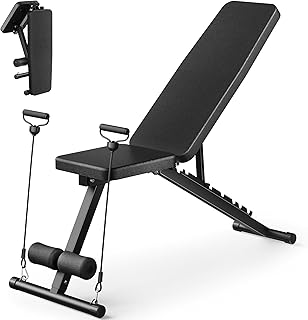
Adjustable Weight Bench for Home Gym
Adjustable Weight Bench for Home Gym punches above its price — 517 buyers rated it 4.5 stars. I would buy it again.
10. Track Your Workouts In A Logbook

If you aren’t tracking your lifts, you’re just exercising randomly. You need to know what weight you lifted last week to beat it this week. I used to track workouts on my phone. Mistake. I’d open my phone to log a set, see a text, and scroll social media for ten minutes. My muscles would get cold. Now, I use a physical Moleskine Classic Hard Cover Notebook. It costs $22.95. The ivory paper feels smooth under a ballpoint pen. I write the date, exercise, weight, and reps in messy handwriting. For example, “Barbell Hip Thrust: 135 lbs, 3 sets of 10.” Taking a notebook to the gym makes you look serious and keeps you focused. I grab my supplies at Walmart. Writing down progress keeps you honest. When you flip back through the pages after three months and see how much stronger you’ve become, the pride is unmatched.
I’m glad you read these tips. Building a powerful lower body takes time, patience, and sweat. I’ve made every embarrassing mistake so you don’t have to. I swear by writing down your routine and sticking to heavy compound lifts. Don’t overcomplicate your programming with circus tricks you see online. Grab your notebook, chalk your hands, load the barbell, and get to work. Save this guide or pin it on Pinterest so you can reference it before your next session. Let’s get those gains!
Frequently Asked Questions
How often should I do a leg workout women typically see results from?
You should train your legs two to three times per week. You must ensure at least 48 hours of rest between sessions for optimal recovery. If you aren’t resting, your muscles won’t grow. Stick to heavy compound lifts during these sessions.
What are the best exercises for a leg workout women can do at home?
The best home exercises include goblet squats, Romanian deadlifts, and walking lunges using adjustable dumbbells. I highly recommend adding resistance band crab walks and glute bridges for activation. You don’t need massive machines to build serious lower body strength.
Should I lift heavy or light for leg muscle growth?
You absolutely must lift heavy with progressive overload. Aim for 3 to 4 sets of 8 to 12 reps where the last two reps feel incredibly difficult. Lifting light pink dumbbells for fifty reps won’t force your muscles to adapt and grow.
Why do my knees hurt during squats?
Knee pain usually happens because you aren’t pushing your hips back properly, or your glutes aren’t firing. Make sure you warm up with fabric resistance bands first. Keep your chest up and ensure your knees track over your toes, not caving inward.
