What’s Inside
- Why Your Current Lower Belly Fat Workout Is Failing
- Mastering the Reverse Crunch Without Wrecking Your Back
- Lying Leg Raises That Actually Target the Lower Abs
- Adding HIIT to Your Lower Belly Fat Workout
- Functional Strength and the Core Connection
- Fueling the Burn: Protein, Soluble Fiber, and Omega-3s
- Managing Cortisol to Beat the Stress Belly
- Mindful Eating and Hydration Tactics
- Tracking Recovery and Using Compression Gear
Last Tuesday at Whole Foods, I caught a glimpse of my reflection in the cold glass of the dairy aisle. I was reaching for a gallon of almond milk, and my shirt rode up just enough to reveal a soft pouch hanging over my waistband. Even after months of doing 100 aggressive sit-ups every single morning, my stomach still looked completely unchanged. That moment of frustration is exactly why I redesigned my entire lower belly fat workout. I’m Ryan Brooks, and I’ve spent the last six years as a fitness trainer trying to figure out the mechanics of core training. I tried this wrong for months before figuring it out. You can’t just crunch your way to a flat stomach. Your body doesn’t work that way. The fitness industry loves to sell you quick fixes, but most of them are garbage. Skip the fat-free stuff. It tastes like wet cardboard. Let’s break down a real routine that works. We’re going to focus on targeted movements, specific nutrition protocols, and recovery tactics that require zero fancy gym equipment. No gym required. Just you, your living room floor, and some actual discipline.
1. Why Your Current Lower Belly Fat Workout Is Failing

Most people get this wrong right out of the gate. You think doing a thousand crunches will magically melt the fat covering your lower abdominals. I used to believe this too. Back in 2019, I stood in the supplement aisle at Costco, staring at a massive 5-pound tub of Optimum Nutrition Gold Standard Whey Protein ($64.99). I thought if I just drank enough protein shakes and did enough sit-ups, my gut would vanish. I was completely wrong. As endocrinologist Rasa Kazlauskaite, MD, points out, you can’t reduce fat from specific parts of your body by exercising that single body part. Spot reduction is a total myth. Abdominal exercises tone the underlying muscles, but they don’t directly burn the fat resting on top of them. If you’re carrying extra weight, those crunches are just pushing the fat further out, making your stomach look bigger. It’s frustrating. Instead of wasting time on isolated crunches, you need a holistic approach. This means combining full-body metabolic conditioning with precise core activation. When I finally stopped doing traditional sit-ups and started focusing on my overall calorie expenditure, my midsection changed. I still buy that Optimum Nutrition protein at Costco because it breaks down to about $1.50 per serving, which is a solid deal for 24 grams of protein. But I no longer rely on it as a magic fat-loss potion. You need to fix your training mechanics first. A proper routine demands that you engage the deep transverse abdominis, not just the superficial six-pack muscles. If your neck hurts after doing core work, you’re doing it wrong. Let’s look at the movements that actually engage the lower quadrant of your core without wrecking your cervical spine.
2. Mastering the Reverse Crunch Without Wrecking Your Back

If you want to feel a deep, burning sensation in your lower abdominals, the reverse crunch is your best friend. But honestly, I see people butchering this movement every single day. They swing their legs wildly, using pure momentum to hoist their hips off the floor, and then let their lower back crash down onto the mat. I did this exact thing for a year. My lower back would grind into the floor, leaving me with dull, aching pain for days. I tried this wrong for months before figuring it out. The secret is absolute control. Lie flat on your back. I personally swear by the Manduka PRO Yoga Mat ($138 for the 6mm thickness) because it provides enough cushioning for your spine on hard floors. Keep your hands flat by your sides. Bring your knees toward your chest, and then use only your lower abdominal muscles to tilt your pelvis slightly off the floor. Stop using momentum. It’s a tiny, two-inch movement. You aren’t trying to touch your knees to your nose. Lower your hips back down with excruciating slowness. Aim for 3 sets of 15 to 20 controlled repetitions. If you’re doing them correctly, 15 reps will feel like torture. Pro tip: press your palms firmly into the floor to anchor your upper body. Last week, I was training a client who bought a cheap, flimsy mat from Target for $15, and she complained about tailbone pain during this exercise. The moment she switched to a thicker mat and slowed down her tempo, the pain vanished, and she finally felt the burn in her core. Quality gear and slow execution matter immensely.
3. Lying Leg Raises That Actually Target the Lower Abs

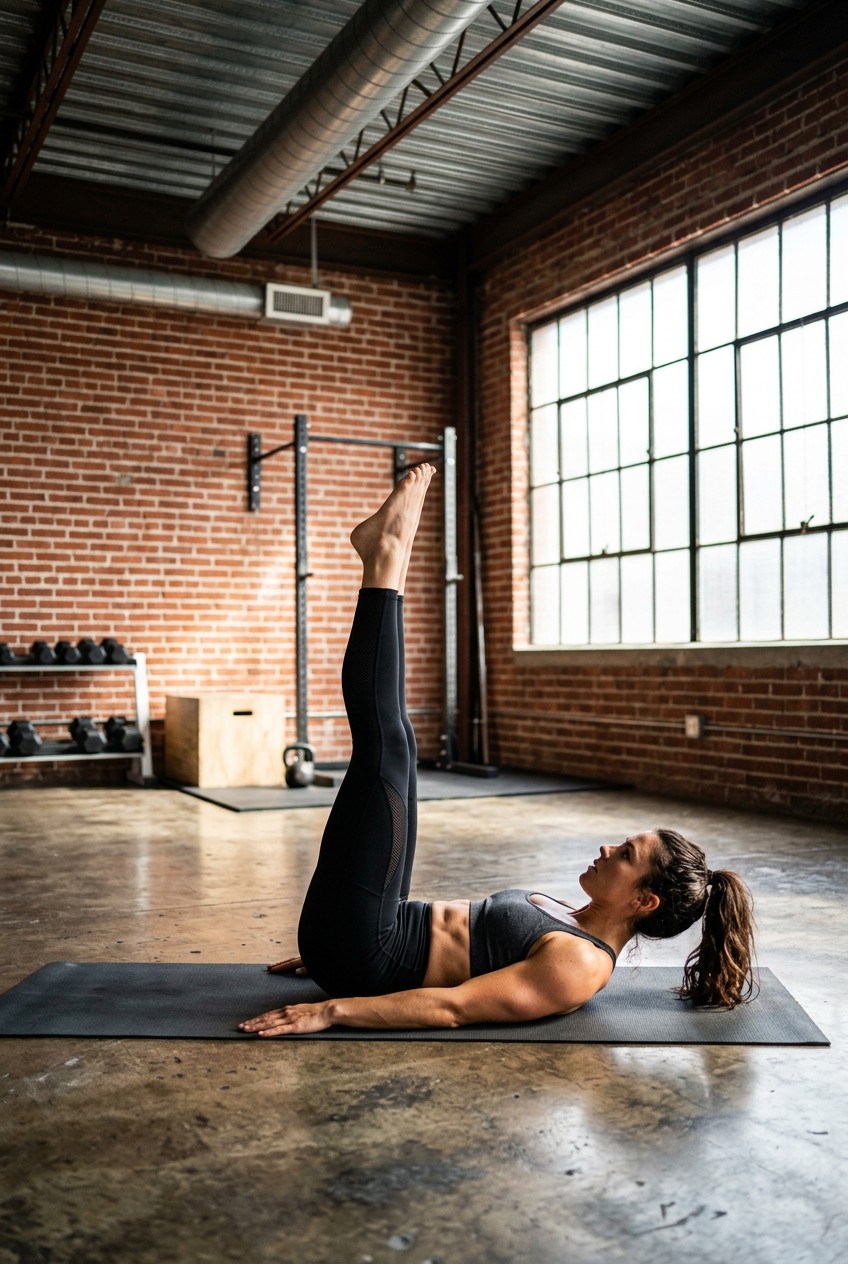
Lying leg raises are another staple in any solid core routine, but they are a prime offender for causing hip flexor strain. When I first started doing these, I’d hear a loud, unsettling popping sound in my right hip every time I lowered my legs. It sounded like a dry twig snapping. I was letting my lower back arch completely off the floor, transferring all the weight and tension away from my abs and directly into my hip flexors and lumbar spine. Don’t do this. Lie flat on your back with your legs fully extended. Press your lower back aggressively into the floor. Imagine trying to crush a grape under your lumbar spine. Slowly raise your legs together until they are perfectly perpendicular to the floor. Hold that top position for 1 to 2 seconds. Now, lower them down, but stop just before your heels touch the floor. If your lower back starts to arch, you’ve gone too far. Stop there and pull them back up. Perform 3 sets of 10 to 15 reps. I used to think I needed fancy equipment like the Perfect Fitness Ab Carver Pro ($39.99 at Walmart) to get a good core burn. While an ab roller is great, mastering the strict lying leg raise requires zero equipment and builds incredible foundational strength. If you find your back continually arching, tuck your hands underneath your glutes for extra leverage. This slight elevation tilts your pelvis backward, making it much easier to keep your spine neutral. I’ve used this exact modification for dozens of clients, and it instantly fixes the mechanical flaw. You might also like: 20 Beautiful Home Gym Setup Ideas That Changed Everything
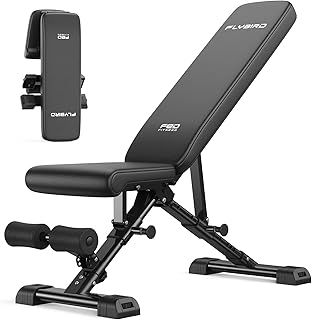
FLYBIRD WB5 Weight Bench
FLYBIRD WB5 Weight Bench punches above its price — 259 buyers rated it 4.5 stars. I would buy it again.
4. Adding HIIT to Your Lower Belly Fat Workout

You can’t achieve a lean midsection without addressing overall body fat, and High-Intensity Interval Training (HIIT) is the most efficient way to do that without equipment. I used to spend 45 minutes jogging on a treadmill, staring blankly at the wall, wondering why my stomach wasn’t shrinking. Steady-state cardio is fine for heart health, but it won’t give you that metabolic spike needed to burn stubborn visceral fat. A 30-minute HIIT session just twice a week can yield massive results. Let’s build a brutal, no-equipment circuit. Start with 30 seconds of strict burpees. Your chest must touch the floor. Follow that with 30 seconds of complete rest. Then, hit 30 seconds of mountain climbers, driving your knees hard into your chest. Rest for 30 seconds. Finish the block with 30 seconds of explosive jump squats, aiming for maximum vertical height. Rest for 30 seconds, then repeat the entire circuit 3 to 5 times. By the third round, your lungs will burn, sweat will sting your eyes, and you’ll taste copper in your mouth. That’s the intensity you need. I track my intervals using my Apple Watch Series 9 ($399), but any free interval timer app works perfectly. Common mistake: pacing yourself during the work intervals. HIIT only works if you go all out. If you’re holding back on the jump squats so you have energy for the next round, you’re just doing moderate cardio. You have to push until you feel like you can’t do another rep. I did this exact circuit in my driveway last weekend, and it completely destroyed me in the best way possible. You might also like: 15 Creative Inside She Sheds Home Gym Setup Ideas to Steal Right Now
5. Functional Strength and the Core Connection

Isolated ab exercises are great, but functional strength training is what actually builds a dense, powerful core. You don’t need heavy barbells to achieve this. Bodyweight compound movements force your core to stabilize your entire skeletal structure. Think about a strict push-up. A proper push-up isn’t a chest exercise; it’s a moving plank. If your hips are sagging toward the floor, your core is weak and disengaged. I see guys at the gym repping out heavy bench presses but failing to do 20 perfect push-ups because their midsection collapses. I used to be one of them. I’d buy expensive home gear, like the Bowflex SelectTech 552 Dumbbells ($429 at Walmart), thinking I needed heavy loads to build my core. The truth is, mastering bodyweight tension is far more effective. Try performing a slow, controlled pistol squat (a one-legged squat). The amount of deep abdominal bracing required to keep your torso upright while balancing on one foot is staggering. Incorporate these functional movements into your routine 2 to 3 times per week. This builds lean muscle mass across your entire body, which significantly boosts your resting metabolic rate. A higher metabolism means you burn more calories while you’re sitting on the couch watching Netflix. Pro tip: during any bodyweight squat or lunge, actively brace your stomach as if someone is about to punch you in the gut. This bracing technique creates intra-abdominal pressure, protecting your spine and forcing the transverse abdominis to work overtime. It’s a small mental cue that changes the physical output of the exercise. You might also like: 15 Cozy Aesthetic Morning Workout Routine That Are Totally Worth It
6. Fueling the Burn: Protein, Soluble Fiber, and Omega-3s

You can’t out-train a terrible diet. I know it’s a cliché, but it’s the absolute truth. If you’re doing a lower belly fat workout every day but eating garbage, you’re wasting your time. Protein is crucial for satiety and muscle maintenance. Aim for 1.6 to 2.2 grams of protein per kilogram of body weight daily. For a 154-pound guy like me, that’s roughly 112 to 154 grams of protein. I get a lot of this from whole foods, but I also supplement with Orgain Organic Plant-Based Protein Powder (around $1.99 per serving at Whole Foods). It mixes well with just water and doesn’t leave that chalky aftertaste. Next, you need soluble fiber. It slows down digestion and keeps you full. I start every single morning with 1/2 cup of Trader Joe’s Rolled Oats ($3.99 for a 32 oz bag). I mix in 2 tablespoons of chia seeds and a handful of blueberries. This gives me about 8 grams of soluble fiber right away. Finally, don’t ignore Omega-3 fatty acids. They reduce systemic inflammation and actually stimulate fat oxidation. I take Nordic Naturals Ultimate Omega ($44.95 for 105 servings) every morning. I buy it at Sprouts because they usually have it in stock. I used to buy cheap fish oil from the drugstore, but it gave me horrific fish burps all day long. The Nordic Naturals brand is flavored with lemon, so you don’t get that nasty aftertaste. Skip the fat-free stuff in the grocery store. It tastes like wet cardboard and is usually packed with extra sugar to compensate for the lack of fat. Eat real, whole foods with high protein and fiber.

Yoleo Adjustable Weight Bench
A dependable everyday pick — Yoleo Adjustable Weight Bench pulls in 974 ratings at 4.5 stars. Not flashy, just solid.
7. Managing Cortisol to Beat the Stress Belly

Here is a hard truth: chronic stress will literally force your body to store fat around your midsection. It’s a survival mechanism tied to the hormone cortisol. You can have the perfect diet and the most rigorous training plan, but if your stress levels are constantly maxed out, your lower belly won’t budge. I learned this the hard way during my first year as a personal trainer. I was working 14-hour days, sleeping 4 hours a night, and slamming energy drinks. My stomach looked bloated and soft, despite working out daily. High cortisol levels break down muscle tissue and promote visceral fat storage. You have to actively manage your stress. I started implementing a strict 15-minute wind-down routine every night. I brew a cup of Traditional Medicinals Organic Chamomile Tea ($5.49 for 16 bags at Kroger). The smell of the warm chamomile immediately signals to my brain that the day is over. Then, I sit on my living room floor and do 10 minutes of deep, diaphragmatic breathing. Inhale through the nose for 4 seconds, hold for 4 seconds, exhale through the mouth for 6 seconds. It sounds basic, but this physical act lowers your heart rate and signals your parasympathetic nervous system to take over. I also use the Calm App premium subscription ($69.99 per year) for guided sleep meditations. Don’t over-exercise, either. Doing intense HIIT workouts every single day without adequate recovery will actually spike your cortisol levels chronically. More isn’t always better. Sometimes, taking a rest day and going for a slow 30-minute walk is the best thing you can do for your waistline.
8. Mindful Eating and Hydration Tactics

Mindful eating is a massive trend right now, and for good reason. It prevents you from mindlessly shoveling excess calories into your mouth. Last month, I was sitting in my car outside Target, eating a massive burrito in about four minutes flat while scrolling through emails on my phone. I didn’t even taste the food, and 20 minutes later, my stomach felt stretched and uncomfortable. I realized I was consuming an extra 600 calories a day simply because I was eating too fast for my brain to register that I was full. Here is a surprising tip: try eating your meals with your non-dominant hand. It feels awkward and forces you to slow down. Put your fork down entirely between every single bite. Take at least 20 minutes to finish a meal. Eliminate distractions. No TV, no phone, no laptop. Just you and your food. Hydration plays a massive role here, too. Often, our bodies confuse thirst with hunger. I carry a Hydro Flask 32 oz Wide Mouth water bottle ($44.95) with me everywhere. I make sure to drink at least 16 ounces of water about 30 minutes before every meal. This pre-hydrates my system and physically takes up volume in my stomach, meaning I get full faster on smaller portions. If you’re constantly grazing on snacks throughout the day, you’re likely just dehydrated or bored. Most people get this wrong. They think they need strict diets, but often they just need to slow down, chew their food, and drink more water. It’s a simple behavioral shift that yields massive dividends for your waistline.
9. Tracking Recovery and Using Compression Gear

The fitness world is shifting heavily toward recovery metrics, and you should be paying attention. Wearable technology isn’t just about counting your steps; it’s about analyzing your Heart Rate Variability (HRV) and sleep quality. I wear an Oura Ring Gen3 ($299) every single day. It tracks my overnight resting heart rate and body temperature, giving me a readiness score every morning. If my score is below 70, I know my body is under-recovered, and I’ll skip the intense HIIT session in favor of light stretching. I used to ignore sleep data entirely. I’d push through exhaustion, thinking I was being tough. Honestly this changed how I view fitness entirely. Prioritizing 7 to 9 hours of quality sleep regulates your hormones and keeps cortisol in check. While we are talking about gear, let’s discuss compression wear. While a pair of tight shorts won’t magically burn fat, they provide crucial core and pelvic support during dynamic movements. I wear the 2XU Accelerate Core Compression Shorts (starting around $70). They have a snug, locked-in fit that provides mild feedback to my lower abs, reminding me to keep my core braced during jump squats and burpees. The moisture-wicking material is also a lifesaver when you’re sweating profusely in your living room. Under Armour HeatGear Armour Bike Shorts are another solid, slightly cheaper option. Just remember, compression gear is a tool for support and comfort, not a fat-loss shortcut. You still have to put in the hard work on the mat.
Getting a lean midsection is entirely possible without stepping foot in a commercial gym. You don’t need expensive machines or complex pulley systems. You just need a calculated approach to your movements, a strict eye on your nutrition, and the discipline to manage your stress and sleep. I’ve seen these exact methods work for myself and countless clients. Stop wasting your time on endless, neck-straining sit-ups. Focus on slow, controlled reverse crunches, strict lying leg raises, and explosive HIIT circuits. Fuel your body with adequate protein and soluble fiber, and prioritize your recovery just as much as your training. If you found this breakdown helpful, pin this article to your fitness board so you can reference these specific exercises and nutrition targets later. Let’s get to work.

NICEPEOPLE Adjustable Weight Bench for Home Gym
A dependable everyday pick — NICEPEOPLE Adjustable Weight Bench for Home Gym pulls in 32 ratings at 4.5 stars. Not flashy, just solid.
Frequently Asked Questions
Can I target just my lower belly fat?
No, spot reduction is a myth. You can’t burn fat from just one area by doing exercises targeted there. You need to lower your overall body fat percentage through a caloric deficit, high-intensity intervals, and full-body strength training.
How many times a week should I do this lower belly fat workout?
Aim to perform these core-specific movements 2 to 3 times per week. Your abdominal muscles need time to recover just like any other muscle group. Pair them with full-body HIIT sessions on alternate days for the best results.
Why does my lower back hurt during leg raises?
Your lower back hurts because your core isn’t strong enough to keep your spine neutral, causing your back to arch off the floor. Tuck your hands under your glutes to tilt your pelvis, and don’t lower your legs all the way down.
Do I need equipment to lose lower belly fat?
Absolutely not. Bodyweight exercises like reverse crunches, burpees, and mountain climbers provide enough resistance and metabolic stimulus to build core strength and burn fat. Focus on your form and intensity rather than buying expensive gym gear.
