What’s Inside
- Track Your Data With Wearable Tech
- Use AI For Weekly Workout Plans
- Prioritize Zone 2 Cardio
- Optimize Your Protein Intake
- Master The Push-Pull-Legs Split
- Schedule Mandatory Active Recovery
- Dial In Your Pre-Workout Nutrition
- Track Your Progressive Overload
- Master Sleep Hygiene For Recovery
- Hydrate With Proper Electrolytes
- Modify Weekly Workout Plans For Joint Pain
- The 30-Day Consistency Check
Last Tuesday at Whole Foods, I dropped a $7.99 jar of marinara right in aisle four. My grip just gave out. That’s what happens when you follow junk workout plans you find on Instagram. I stood there, inhaling the sharp, acidic scent of crushed tomatoes while the red puddle spread over the linoleum. I knew then I had to rethink my entire approach. I’ve spent ten years as a trainer building routines that deliver real results in 30 days without wrecking your central nervous system. Most guys just guess at the gym. I did that for years. It doesn’t work. You end up with sore joints, massive fatigue, and zero growth. Let’s fix your routine. I’m going to break down how to structure your month, what gear you actually need, and how to fuel your body so you aren’t dropping groceries on the floor. Get ready to sweat. Trust me.
1. Track Your Data With Wearable Tech

I’m a data nerd. If you aren’t tracking your heart rate, you’re guessing. I used to think trackers were a gimmick. I’d run until I felt sick and call it a workout. Now, I swear by the Fitbit Charge 6. I bought mine for $159.95 at Target last month. It tracks blood oxygen and sleep perfectly. Wearables are massive right now. Devices like the Apple Watch or the Samsung Galaxy Watch 6 monitor your metrics constantly. You can find a solid tracker for anywhere from $50 to $400. Brands like WHOOP and Garmin offer AI insights that predict overtraining. They tell you when to rest. I ignored my Garmin’s warning two weeks ago and pulled a hamstring during squats. Learned that the hard way. Don’t do that. Listen to the data. If you use Orangetheory, their OTconnect Beat syncs right to the studio screens. It’s motivating to see your heart rate in real time. The rubber strap on the Fitbit gets sweaty and smells like vinegar if you don’t wash it, but it’s worth the hassle. Tracking steps and calories gives you a baseline. You can’t improve what you don’t measure.
2. Use AI For Weekly Workout Plans

AI trainers are changing the industry. Old-school trainers hate them, but I’m on board. Apps like Jefit and HOTWORX TrainingTRAX create personalized plans based on your goals and equipment. I downloaded the LoadMuscle app last Friday. It has a free AI planner that pulls from 4,000 exercises. It builds full periodization schedules. Most generic templates you buy for $50 are garbage. They don’t account for your weaknesses. These platforms track your reps, sets, and weights automatically. They even suggest tweaks when you hit a plateau. I hit a wall with my bench press last year. Stuck at 225 pounds for six months. An AI app told me to swap to incline dumbbell presses for three weeks. It broke the plateau instantly. You can get premium features for $10 to $30 a month. It’s cheaper than hiring a guy like me. The only negative? Staring at your phone between sets. I hate being that guy. The blue light hurts my eyes under the fluorescent gym lights. But the adaptive guidance is too good to ignore.
3. Prioritize Zone 2 Cardio

You need 150 minutes of moderate aerobic activity every week. The American College of Sports Medicine recommends this for basic health. I’m talking about Zone 2 cardio. Exercise at an intensity where you can hold a conversation but still feel breathless. I use the stair climber. I sweat through my shirt in ten minutes. It smells, but it works. This training improves mitochondrial function and endurance. People overlook this. Everyone wants to do high-intensity intervals until they throw up. That’s a mistake. I used to do heavy sprints daily. My knees felt like they were filled with glass. I couldn’t even walk down stairs without wincing. Swapping to Zone 2 changed everything. I bought a basic jump rope for $9.99 at Walmart to mix things up. I do 30 minutes of steady jumping in my driveway. The rhythmic slap of the rope is meditative. Skip the extreme cardio. Build your aerobic base first. It makes heavy lifting feel easier.

NICEPEOPLE Adjustable Weight Bench for Home Gym
NICEPEOPLE Adjustable Weight Bench for Home Gym has been one of the most consistently praised picks in this category. 32 reviewers averaged 4.5/5.
4. Optimize Your Protein Intake

You can’t build muscle without enough protein. It’s basic biology. You need 20 to 40 grams per meal for repair. I get frustrated when clients tell me they had toast for breakfast. I buy Kirkland Signature Chicken Breasts at Costco. A 6.5-pound bag is about $19.99. I prep 6 ounces for lunch every day. The texture gets rubbery by Thursday, but you just drown it in hot sauce. Skip the fat-free stuff. It tastes like wet cardboard. I also rely on whey protein isolate. I picked up a 2-pound tub of Optimum Nutrition Gold Standard Whey for $34.99 at my local shop. I mix 1 scoop with 8 ounces of almond milk. It mixes perfectly without those chalky clumps. A lot of people get this wrong. They wait until the end of the day and cram 100 grams into one dinner. Your body can’t process it all at once. Spread it out. Eat 4 eggs in the morning. Have a shake at noon. Eat chicken at night. You might also like: 15 Cozy Aesthetic Morning Workout Routine That Are Totally Worth It
5. Master The Push-Pull-Legs Split

If you want results in 30 days, you need a logical split. The Push-Pull-Legs routine is the gold standard. I’ve used it for five years. On push days, hit chest, shoulders, and triceps. Pull days are for back and biceps. Legs are obvious. This prevents you from overworking specific groups. I used to do full-body workouts every day. My shoulders were constantly inflamed. I’d wake up with a throbbing pain in my rotator cuffs. It was miserable. Separating the movements gives muscles time to recover. I bought a set of CAP Barbell hex dumbbells for $49.99 at Walmart for home push workouts. The knurled metal handles dig into my palms, but the grip is fantastic. For pull days, get a pull-up bar. I got the Iron Gym Total Upper Body Workout Bar for $24.99. It hooks onto your doorframe. Just make sure the trim is secure. I ripped the molding off my bathroom door last year because I didn’t check it first. An expensive mistake. Stick to this split for massive strength gains. You might also like: 15 Clever Garage Home Workout Ideas That Are Totally Worth It
6. Schedule Mandatory Active Recovery

Rest days aren’t for sitting on the couch eating chips. You need active recovery. I’m a fan of foam rolling and light stretching. I bought the TriggerPoint GRID Foam Roller for $36.99 at Target. It has rigid plastic squares that dig into your fascia. It hurts like crazy. It feels like someone is grinding an elbow into your IT band. But the relief is incredible. I spend 15 minutes rolling my quads and calves every Sunday morning. I also use a lacrosse ball for my upper back. I found a two-pack of Champion Sports lacrosse balls for $5.99 at a local store. You lean against a wall and trap the ball between your shoulder blade and the drywall. I scuffed up the paint in my hallway doing this. My landlord wasn’t thrilled. Use a towel between the ball and the wall. Active recovery flushes lactic acid. If you sit still, your muscles tighten up like beef jerky. Go for a 20-minute walk. Do some yoga. Just keep the blood flowing. It’s the secret to longevity. You might also like: 15 Beautiful Photoshoot Home Workout Ideas to Steal Right Now
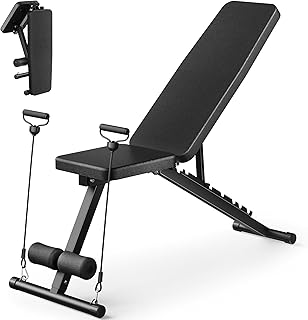
Adjustable Weight Bench for Home Gym
A dependable everyday pick — Adjustable Weight Bench for Home Gym pulls in 517 ratings at 4.5 stars. Not flashy, just solid.
7. Dial In Your Pre-Workout Nutrition

Your energy dictates your workout quality. If you go into a heavy leg day fasted, you’ll feel dizzy. I tried the fasted cardio trend for a month. I nearly passed out doing lunges. Vision went blurry. Never again. Now, I eat 45 minutes before training. I grab a banana and 2 tablespoons of peanut butter. I buy the Trader Joe’s Creamy Salted Peanut Butter for $2.49. It has a rich, roasted smell and a gritty texture I love. It’s the perfect mix of carbs and fats. I also drink a cup of black coffee. I use Peet’s Coffee Major Dickason’s Blend. A 10.5-ounce bag is $9.99 at Kroger. The dark, oily beans smell incredible. The caffeine hits my bloodstream right as I warm up. Don’t waste money on neon pre-workout powders. They cost $40 a tub and make your skin itch like you rolled in poison ivy. I bought a blue raspberry tub once and it tasted like battery acid and cough syrup. Stick to real food and cheap coffee. You’ll perform better and save cash.
8. Track Your Progressive Overload

You can’t lift the same weights for the same reps every week and expect to grow. You have to force adaptation. This is progressive overload. I’m obsessed with tracking numbers. I use a black Moleskine Classic Notebook. I bought it for $14.50 at Barnes & Noble. The paper feels great, and it fits in my gym bag. Every session, I write down the date, exercise, weight, and reps. If I did 3 sets of 10 with 50-pound dumbbells last week, I try for 11 this week. Or I bump the weight to 55. Most guys wander around the gym and pick up whatever looks fun. I did that in my twenties. I looked exactly the same for three years. A massive waste of time. Writing it down holds you accountable. My notebook got soaked in my gym bag last month when my water bottle leaked. Ink smeared everywhere. I lost two weeks of data. Now I keep it in a Ziploc bag. Track everything. You’ll be shocked at how fast you get stronger when you have a goal to beat.
9. Master Sleep Hygiene For Recovery

Muscle isn’t built in the gym. It’s built in your bed. If you get five hours of sleep, your cortisol will skyrocket and your testosterone will tank. I struggled with insomnia for years. Lying awake, staring at the ceiling, listening to the refrigerator hum. I finally fixed it by dialing in my sleep hygiene. I started taking magnesium glycinate. I buy the NOW Supplements Magnesium Glycinate for $15.99 at Sprouts. I take 400 milligrams an hour before bed. It relaxes my nervous system and makes my limbs feel heavy. I also bought an MZOO Sleep Eye Mask for $16.99 on Amazon. It’s memory foam and blocks out 100% of the light. The soft fabric feels amazing. The only downside is the elastic strap stretches out, so you have to replace it. I also keep my bedroom freezing. I set the thermostat to 65 degrees. You sleep deeper when your body temperature drops. Stop scrolling in bed. The blue light destroys your melatonin.

FLYBIRD WB2 Weight Bench
If you want something that just works, FLYBIRD WB2 Weight Bench is a safe bet (215 reviews, 4.5 stars).
10. Hydrate With Proper Electrolytes

Drinking a gallon of water isn’t enough. If you’re sweating, you’re losing massive amounts of sodium, potassium, and magnesium. I used to drink pure water during summer workouts. I’d end up with crippling calf cramps at night. It feels like a knife stabbing your leg. You wake up screaming. I realized I was flushing my electrolytes. Now, I add salt to my water. I buy Redmond Real Salt for $8.99 at Whole Foods. I put 1/2 teaspoon into my 32-ounce Nalgene. The water tastes slightly briny, but it cures my headaches. I also use Liquid I.V. Hydration Multiplier packets. A 16-count bag is $24.99 at Costco. The Lemon Lime flavor is my favorite. It has a tart, sweet punch that cuts through the saltiness. Don’t buy those sugary sports drinks from the gas station. They’re loaded with high fructose corn syrup and dyes. I drank a red sports drink before a run once and threw it up two miles later. It looked like a crime scene. Stick to high-quality salt and hydration packets.
11. Modify Weekly Workout Plans For Joint Pain

You’re going to get banged up. It’s part of the process. But don’t ignore joint pain. Pushing through sharp, stabbing pain is the dumbest thing you can do. I tore my meniscus because I refused to stop squatting heavy when my knee hurt. I heard a pop and spent three months limping. You have to adapt your plans when things hurt. If barbell bench presses hurt your shoulders, switch to dumbbells. The neutral grip takes pressure off your rotator cuff. If back squats hurt your lower back, swap to leg press or Bulgarian split squats. I bought a pair of Harbinger Lifting Straps for $12.99 at Target to help my grip on deadlifts. My elbows were screaming from tendonitis, and the straps took the tension off my forearms. The rough cotton webbing chafes a bit, but it saves your joints. Listen to your body. There’s always a workaround. You don’t have to abandon your routine, you just need to pivot. Swap out painful movements for pain-free alternatives. Consistency matters, not the specific exercise. A good routine is flexible. Don’t be a hero.
12. The 30-Day Consistency Check

You won’t look like a fitness model in 30 days. Let’s be honest. But 30 days is exactly how long it takes to build a habit. The first two weeks will suck. You’ll be sore. Walking down stairs will feel like torture. Your muscles will feel tight. But by week three, your body adapts. Your energy stabilizes. You start craving the workouts. I track my 30-day streaks on a giant dry-erase calendar I bought for $19.99 at Staples. It hangs in my kitchen. I use a thick red marker to cross off every day I stick to the plan. The squeaky sound of the marker is satisfying. Seeing a broken streak is physically painful. I missed a day last November because I was hungover, and staring at that blank square drove me crazy. I haven’t missed a session since. You have to commit to 30 days without excuses. Buy your groceries, prep your meals, and pack your bag the night before. Remove the friction. The results will follow if you show up. Don’t overcomplicate it. Just get to work.
I recommend printing out your routine and sticking it on your fridge. If you found these tips helpful, pin this article to your fitness board so you don’t lose it. Now go drink some water and get your gym bag packed.
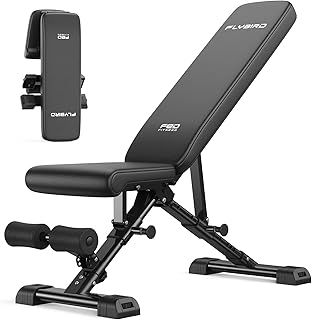
FLYBIRD WB5 Weight Bench
If you want something that just works, FLYBIRD WB5 Weight Bench is a safe bet (259 reviews, 4.5 stars).
Frequently Asked Questions
How long should my daily workouts last?
You don’t need to live in the gym. A solid session takes 45 to 60 minutes. If you’re resting properly between sets and pushing the intensity, you’ll be completely exhausted by the one-hour mark. Anything longer is usually junk volume.
Can I do cardio on my lifting days?
Yes, but do it after you lift. If you burn all your glycogen on the treadmill first, your strength will tank during your heavy sets. I prefer separating them entirely, but if you’re short on time, lift first, then run.
Do I really need to take rest days?
Absolutely. Your muscles tear in the gym and rebuild when you rest. If you train seven days a week, your central nervous system will fry. You’ll hit a massive plateau and likely get injured. Take at least two rest days.
What if I miss a day in my plan?
Don’t panic and don’t try to cram two workouts into one day. Just pick up where you left off. Consistency over a month matters more than a single missed Tuesday. Just don’t make missing days a habit.
