What’s Inside
- Prioritize Deep Core Activation With Hypopressive Exercises
- Integrate Pilates For Sculpted Obliques
- Master The Side Plank For Oblique Strength
- Perform Russian Twists With Total Control
- Plank Hip Dips For Targeted Oblique Work
- Incorporate Standing Oblique Crunches
- Focus On Functional Core Movements
- Avoid Common Waist Trainer Mistakes And Use A Foam Roller
- Hydration And Protein Are Non-Negotiable
Last Tuesday at the local Target, I watched a woman load three different cheap plastic ab rollers and a generic sweat belt into her red shopping cart. The squeaky wheels of her cart echoed down the aisle. I really wanted to walk over and tell her that finding effective waist workouts for women doesn’t start in the sporting goods section. I’m Ryan. I’ve spent a decade training clients who want a stronger, tighter core. I used to put my clients through endless, mind-numbing crunches. It was a massive mistake. Their necks hurt. Their lower backs screamed. And their waists didn’t change at all.
The fitness industry sells a lot of garbage. I’ve fallen for it, and you probably have too. We’ve all bought that piece of equipment that ends up collecting dust under the bed. True core strength requires a totally different approach. You need to target the deep muscles, fix your breathing, and stop treating your spine like a bendy straw. I’m going to break down exactly what works, what doesn’t, and what you should actually be doing in the gym or your living room. Let’s get into the actual work.
1. Prioritize Deep Core Activation With Hypopressive Exercises

I tried teaching basic crunches for months before figuring out they just push the belly outward if you aren’t engaging your deep core. The best waist workouts for women start with breathing. You need to incorporate hypopressive exercises into your routine 2-3 times per week. This approach focuses on specific breathing techniques and postures to activate your deep abdominal muscles and your pelvic floor. It actually reduces intra-abdominal pressure and contributes to a smaller waistline without a single traditional crunch.
A postpartum client of mine completely ignored her diastasis recti a few years ago. We did heavy planks and sit-ups. Bad idea. Her stomach felt like a soft sponge pushing through the midline, and she ended up with severe lower back pain. If you just had a baby, consult a physical therapist first. Avoid traditional crunches and planks initially. Instead, focus on exercises like diaphragmatic breathing, pelvic tilts, and heel slides.
Perform 10-15 repetitions for 2-3 sets to gently strengthen the transverse abdominis. I bought a basic 5mm yoga mat at Walmart last month for $14.98 to do my own breathing drills on. The chemical rubber smell was awful for three days, so definitely let it air out on your porch before you lie face down on it. Once it airs out, it’s the perfect firm surface for these deep breathing drills.
2. Integrate Pilates For Sculpted Obliques

You can’t ignore the side of your waist if you want real results. Dedicate 15-20 minutes, 3-4 times a week, to Pilates-based exercises. Moves like the Pilates Hundred, the Side Bend, and the Quadruped with Knee Rotation engage the entire core, including your obliques, for a toned midsection. It’s not just stretching. It’s brutal, controlled tension.
I took a Pilates class at a local boutique studio last month. The instructor had us doing Side Bends on these wooden reformer machines that smelled intensely of fresh pine cleaner and stale sweat. My obliques burned like I just swallowed hot sauce. My muscles were shaking uncontrollably by the second minute. I thought I was strong from lifting heavy weights. I wasn’t. Pilates exposed every single weak link in my core. Took me years to figure out that control beats intensity every time.
Most people get this wrong when they try Pilates at home. They rush the movements. They rely on momentum instead of muscle control. Slow down. When you do a Quadruped with Knee Rotation, it should take you a full three seconds to rotate up, and three seconds to lower back down. You don’t need a fancy machine to get this right. Just get on the floor, focus on your breathing, and move like you’re moving through thick mud.
3. Master The Side Plank For Oblique Strength

The side plank is incredibly basic, but it’s also incredibly effective. Hold a side plank for 30-60 seconds per side, aiming for 3 sets. This exercise directly targets the obliques, helping to define the waistline and improve your overall core stability. You must ensure your body forms a straight line from your head to your feet, with your elbow stacked directly under your shoulder.
I see people doing these at the gym every single day with their hips sagging toward the floor. It looks like a melting candle. It completely defeats the purpose of the exercise and puts terrible strain on your lower back. I personally swear by physical cues to fix this. I grab a $19.99 Gaiam cork yoga block from Sprouts to put right under my clients’ hips. The dense, rough cork texture gives immediate physical feedback when their hips start to drop. You might also like: 20 Beautiful Home Gym Setup Ideas That Changed Everything
Don’t let your top shoulder roll forward. I used to do this when I got tired. It pinches the rotator cuff and makes your neck ache for days. Pull your shoulder blades together. If balancing on your feet is too hard at first, drop down to your knees. The tension on your obliques will still be there, but you won’t wreck your shoulder joint trying to fight gravity. You might also like: 15 Stunning Room Home Workout Ideas That Make a Real Difference

NICEPEOPLE Adjustable Weight Bench for Home Gym
A dependable everyday pick — NICEPEOPLE Adjustable Weight Bench for Home Gym pulls in 33 ratings at 4.5 stars. Not flashy, just solid.
4. Perform Russian Twists With Total Control

Russian twists are classic, but they’re usually done terribly. Execute 20-30 Russian twists per side, for 3 sets. You need resistance, so hold a 5-10 lb medicine ball or a dumbbell. Lean back slightly to a 45-degree angle with your torso. Keep your feet lifted for increased intensity. The most important part is twisting from your core, not just throwing your arms side to side. You might also like: 15 Brilliant Man Shed Home Gym Setup Ideas to Transform Your Space
I bought a 10 lb SPRI medicine ball at Target last year for exactly $34.99. It has this gritty, dimpled rubber texture that grips your sweaty palms perfectly. I used to use a smooth plastic weight plate for these, and it slipped right out of my hands and smashed my phone screen. Lesson learned. Get a textured medicine ball.
Twisting just your arms is a massive mistake. I tried this wrong for months before figuring it out. My lower back felt like a rusty door hinge the next morning. You have to rotate your entire ribcage. Imagine your torso is a solid block of wood twisting on an axis. If you feel this in your lower back instead of your sides, drop your heels to the floor and reduce the range of motion until your core gets stronger.
5. Plank Hip Dips For Targeted Oblique Work

If you want to hit your obliques hard, plank hip dips are mandatory. Start in a standard forearm plank position. Keep your core braced tight. Rotate your hips to dip down towards the floor, alternating sides for 15-20 repetitions per side, for 3 sets. This effectively targets the obliques and forces your core to stabilize a moving load.
Your forearms will physically grind into the floor during this movement. I used to do these on a thin yoga mat over hardwood floors. My elbows ended up bruised and raw. Get a thick, high-density mat. I picked up a 1-inch thick ProsourceFit exercise mat off Amazon for $25.99. The thick foam saves your elbows from feeling like they’re scraping against rough concrete.
Don’t move too fast. You aren’t a windshield wiper on a car. I see clients violently throwing their hips from left to right, using pure momentum. You won’t build strength that way. Lower your hip to about two inches above the floor, pause for a full second, and then use your obliques to pull your hips back to the center. Control the descent. Control the return.
6. Incorporate Standing Oblique Crunches

You don’t always need to be on the floor to work your core. Perform 15-20 standing oblique crunches per side, for 3 sets. Stand with your feet hip-width apart, put your hands lightly behind your head, and lift your knee towards your elbow, crunching the side of your body. This is a highly convenient exercise that can be done literally anywhere to target your obliques.
I was standing in a massive checkout line at Whole Foods last week. I obviously didn’t do crunches in the store, but I did grab a 16 oz glass bottle of GT’s Synergy Kombucha (Trilogy flavor) for $3.99 to sip while stretching my back later. A tight lower back completely ruins your range of motion for standing crunches. You won’t be able to compress your side properly.
Dedicate 5 minutes, at least six times a day, to lower back stretches. Do a lying knee-to-chest stretch, holding for at least 30 seconds. A tight lower back limits the full range of motion for abdominal and oblique exercises, totally hindering your progress. When you do the standing crunch, don’t pull on your neck. Keep your fingertips light behind your ears. The crunch comes from the ribs pulling down to the pelvis.
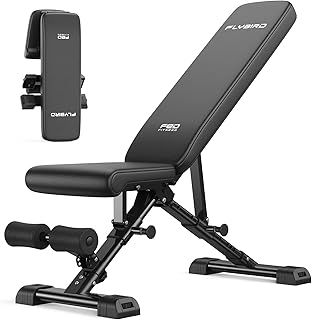
FLYBIRD WB5 Weight Bench
FLYBIRD WB5 Weight Bench punches above its price — 259 buyers rated it 4.5 stars. I would buy it again.
7. Focus On Functional Core Movements

The best waist workouts for women don’t look like waist workouts at all. Integrate functional exercises like the Suitcase Carry. Hold a heavy dumbbell (like 20-30 lbs) in one hand and walk slowly for 30-60 seconds per side, for 4 reps. This trains your core to resist movement, improving your overall stability and strength for everyday activities.
Grab a heavy, cold cast-iron dumbbell. The knurled metal handle should bite into the skin of your palm just a little bit. I picked up a single 25 lb CAP Barbell hex dumbbell at Costco for $29.99. When you hold it on one side, your body desperately wants to lean toward the weight. Your obliques have to fire on all cylinders to keep your spine totally straight.
Avoid overworking your abs with endless crunches. I see girls at the gym doing 500 crunches a day. Instead of endless flexion, diversify your core routine to prevent overworking the rectus abdominis. If you overwork the front of your abs, your posture turns into a curled-up shrimp. Focus on balanced workouts that engage all core muscles, including the deep transverse abdominis and obliques, to prevent back pain and achieve a balanced, upright physique.
8. Avoid Common Waist Trainer Mistakes And Use A Foam Roller

If you’re using a waist trainer like the Shapellx NeoSweat AirSlim ($54-$88) or the Angel Curves Extreme Waist Trainer ($69-$89), ensure proper sizing by measuring your natural waistline exactly one inch above your belly button. Honestly, this changed how I view fitness gadgets. A client showed up to a session wearing a tight latex waist trainer. She sounded like she was breathing through a tiny plastic straw. Her face was bright red. I made her take it off immediately. Do not wear a waist trainer during core workouts. It restricts your diaphragm and can cause serious harm. Trust me on this.
Instead of relying on a tight corset, spend 5-10 minutes foam rolling your obliques 2-3 times a week. Lie on your side with the foam roller placed precisely between your 12th rib and your pelvis. Apply controlled, slow pressure to release tension and improve mobility. This directly enhances your core engagement during actual workouts.
I use a TriggerPoint GRID foam roller I bought for $36.95. The hard plastic inner tube and patterned foam exterior dig deep into tight fascia. It hurts. It’s a deep, intense ache. But when you stand up, your sides feel loose and your range of motion improves instantly. Ditch the waist trainer at the gym and grab a foam roller instead.
9. Hydration And Protein Are Non-Negotiable

You can’t out-train a terrible diet, and your waistline reflects what you consume. Aim for a daily protein intake of 1.2-2.2 grams per kilogram of body weight (about 0.5-1 gram per pound) to support muscle growth and definition. For a 150-pound woman, this means around 150 grams of protein daily. I buy a 32 oz tub of Fage 2% Greek Yogurt at Kroger for $6.49. I mix exactly 1/2 cup of it with 2 tablespoons of black chia seeds. Skip the fat-free stuff. It tastes like wet cardboard.
Consider a 16/8 intermittent fasting schedule, where you fast for 16 hours and eat within an 8-hour window. Studies suggest this can lead to a 3-7% reduction in waist circumference over 6-24 weeks. However, women should start with shorter fasts (like 14 hours) and listen to their bodies due to potential hormonal sensitivities. I tried jumping straight into 18-hour fasts and felt dizzy and miserable.
Finally, stay hydrated with electrolyte-rich water. Drink at least 2-3 liters of water daily. I drop a Nuun Sport electrolyte tablet (Strawberry Lemonade flavor, $7.99 for a tube of 10 at Trader Joe’s) into my water bottle during intense workouts. It fizzes up and leaves a slightly salty, tangy taste on your tongue. It maintains hydration and supports the metabolic functions crucial for overall fitness and waist reduction.
Building a stronger core isn’t about gimmicks or starvation. It’s about consistency, heavy functional movements, and proper recovery. Try implementing just three of these strategies this week. Pin this article to your fitness board so you can reference these exact exercises next time you hit the gym. You’ve got this.
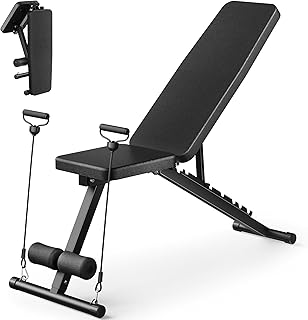
Adjustable Weight Bench for Home Gym
If you want something that just works, Adjustable Weight Bench for Home Gym is a safe bet (551 reviews, 4.5 stars).
Frequently Asked Questions
What are the most effective waist workouts for women?
The most effective exercises target the deep core and obliques. Hypopressive breathing, side planks, Russian twists with a medicine ball, and functional movements like suitcase carries are far more effective than traditional crunches for building a strong waist.
Can I use a waist trainer during core workouts?
No, you should not wear a waist trainer during core workouts. It restricts your diaphragm, limits your breathing, and prevents your abdominal muscles from fully engaging and strengthening naturally. Rely on exercises, not restrictive garments.
How often should I train my obliques?
You should aim to train your obliques and core 3-4 times a week. Dedicate 15-20 minutes per session to exercises like Pilates side bends, plank hip dips, and standing oblique crunches, allowing for adequate rest between intense sessions.
Does intermittent fasting help reduce waist circumference?
Yes, studies suggest a 16/8 intermittent fasting schedule can lead to a 3-7% reduction in waist circumference over 6-24 weeks. However, women should start slowly with 14-hour fasts to monitor any hormonal sensitivities.
