What’s Inside
- Start Your Beginner Gym Workout For Women With Compound Movements
- Master the Mind-Muscle Connection Early On
- Ditch the Running Shoes for Proper Lifting Footwear
- Fuel Your Body With Strategic Pre-Workout Nutrition
- Prioritize Protein Intake for Muscle Repair and Growth
- Hydrate Before and During Your Beginner Gym Workout For Women
- Choose Comfortable and Functional Activewear That Stays Put
- Follow a Structured Program and Prioritize Your Rest
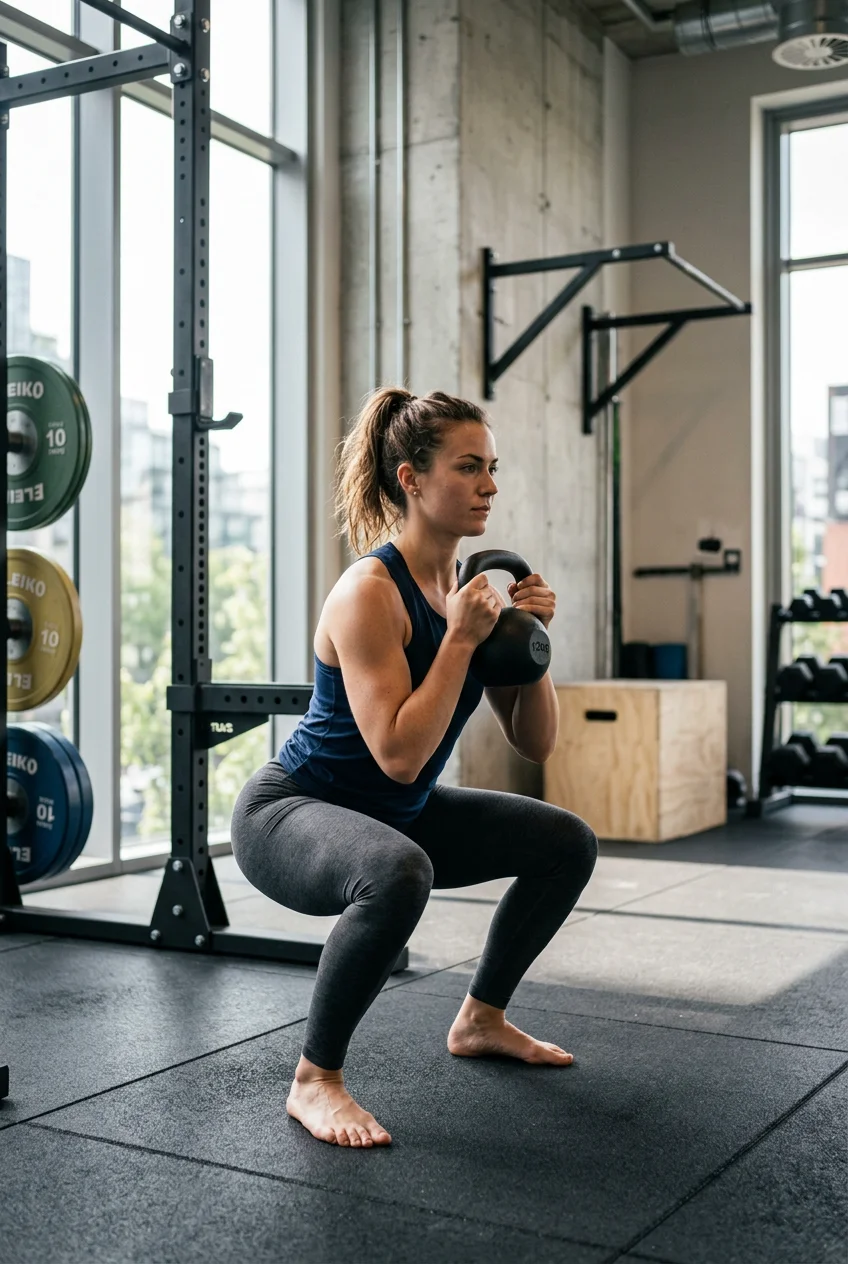
Last Tuesday at a crowded LA Fitness, I watched a girl almost drop a 45-pound barbell onto her chest. She was attempting a beginner workout while wearing thick, squishy running shoes, and her feet slipped right out from under her on the slick rubber floor. I’ve seen this play out a hundred times. It’s frustrating because the fitness industry does a terrible job of explaining the basics. I remember my own early gym days vividly. I was sliding around the free weight area in worn-out sneakers, feeling lost while heavy lifters grunted in the corner. The whole place smelled like stale sweat, chalk dust, and cheap industrial cleaner. I tried to copy their complex cable machine routines and ended up pulling a muscle in my lower back so badly I couldn’t tie my shoes for a week. That was a miserable lesson in lifting ego over logic. I learned that the hard way. That’s why I’m writing this guide. I’ve spent the last six years as a personal trainer breaking down the noise so you won’t have to guess what works. You don’t need a complicated routine with twenty exercises. You need a foundation built on basic mechanics. Let’s look at the steps, the gear, and the nutrition you need to build real strength without getting hurt.
1. Start Your Beginner Gym Workout For Women With Compound Movements

When you walk into a commercial gym, those endless rows of shiny, complicated machines look tempting. They look safe. They have instruction placards. Skip them. I’m dead serious. When I started, I wasted months doing endless, burning reps on the seated leg extension machine, wondering why I wasn’t getting stronger. You need to prioritize compound movements. These are foundational exercises like barbell squats, deadlifts, and dumbbell rows. They engage multiple muscle groups at once, forcing your body to work as a single unit. This builds a strong base and boosts your metabolism better than isolating one tiny muscle on a padded seat. Aim for 3 sets of 8 to 12 repetitions for each. I recommend buying a cheap, $3.99 spiral notebook from Target to track your sets and reps. Writing it down with a physical pen forces you to pay attention. You need to embrace progressive overload from day one. To build strength, you must gradually increase the demands on your body. Moving from a 10-pound to a 12-pound dumbbell forces your muscles to adapt and grow. Focus on perfect form over heavy weight. If your lower back aches during a bent-over row, your form is off. Drop the weight. I’ve seen too many beginners try to lift 25-pound dumbbells on their first day just to look cool, only to tweak a shoulder and never return. Start light. Feel the metallic tang of the iron. Master the movement.
2. Master the Mind-Muscle Connection Early On

This sounds like a weird yoga concept, but it’s the most critical technique you can learn. Mastering the mind-muscle connection means consciously focusing on the specific muscle you’re working. I used to grab 35-pound dumbbells and swing them wildly to do bicep curls. I was using momentum, my lower back, and my shoulders to heave the weight. My biceps barely did any work. I ended up with a sharp, pinching pain in my front shoulder that took four months of physical therapy to heal. Don’t do that. When you’re doing a bicep curl with a 10-pound weight, visualize your bicep contracting and lengthening with every rep. Squeeze the muscle hard at the top. It should burn. This mental focus leads to significantly greater gains. I didn’t get it until a veteran lifter told me to slow my reps down to an agonizing three-second count. Try it. Lower the weight slowly. You’ll be humbled by how heavy a 10-pound dumbbell feels when you force the correct muscle to do the work. I usually grab a cold, overpriced $4.99 Celsius energy drink from Whole Foods after a session where I nail this connection, just as a reward. The mental focus is exhausting, but it’s the only way to ensure you aren’t just going through the motions.
3. Ditch the Running Shoes for Proper Lifting Footwear

This is my biggest pet peeve. I see it every single day. Do not wear running shoes for weightlifting. They’re designed with a thick, squishy cushion to propel you forward and absorb impact. When you try to do a heavy barbell squat in them, it’s like balancing on marshmallows. Your ankles will wobble, your knees will cave, and you’ll lose all your driving power. I rolled my left ankle doing this three years ago, and the popping sound still haunts me. You must invest in proper footwear. For basic lifting, you need flat-soled shoes with zero drop. Classic canvas Converse Chuck Taylors are fantastic. They provide a stable base and excellent grip on rubber floors, and you can find them for around $65. I swear by Vans Authentic shoes for the same reason. The rigid sole keeps you planted. If you plan on doing versatile training that includes high-intensity intervals or box jumps, you need a hybrid shoe. Consider models like the Nike Metcon 10, which retails for $155, or the Reebok Nano X5 for around $150. These have a stiff plastic heel for heavy lifting but enough flexibility for lunges. I bought my last pair of thin gym socks at Walmart for $12, but I never skimp on the shoes. Your feet are your foundation. You might also like: 15 Brilliant Man Shed Home Gym Setup Ideas to Transform Your Space

FLYBIRD WB2 Weight Bench
If you want something that just works, FLYBIRD WB2 Weight Bench is a safe bet (215 reviews, 4.5 stars).
4. Fuel Your Body With Strategic Pre-Workout Nutrition

Working out on an empty stomach is a bad idea. You’ll feel dizzy, weak, and unmotivated halfway through your first set of squats. On the flip side, eating a massive meal right before lifting is a recipe for disaster. I once ate a giant, greasy steak burrito an hour before a brutal leg day. I spent the workout fighting nausea, sweating cold bullets while leaning against the water fountain. Fuel your body with strategic nutrition. Consume a small snack rich in fast-digesting carbs and lean protein 1 to 2 hours before your workout to prevent energy crashes. My go-to is half a yellow banana mashed with 1 scoop of vanilla whey protein. Another option is 1/2 cup of plain, unsweetened Greek yogurt mixed with a handful of dry rolled oats. I buy the big tubs from Trader Joe’s for about $5.99. It has a thick, chalky texture, so the dry oats and a drizzle of honey make it delicious. If you have 3 to 4 hours before you hit the gym, a larger meal of 400 to 800 calories with complex carbs, protein, and healthy fats is ideal. Think grilled chicken breast, roasted sweet potatoes, and half an avocado. Give your system time to process it. You might also like: 15 Clever Garage Home Workout Ideas That Are Totally Worth It
5. Prioritize Protein Intake for Muscle Repair and Growth

If you aren’t eating enough protein, your time in the gym is wasted. Lifting heavy weights creates microscopic tears in your muscle fibers. Protein is the building block your body uses to repair those tears, making the muscle stronger and denser. Prioritize protein for repair and growth. Aim for 1 gram of protein per pound of your ideal body weight daily, distributed across your meals. For most active women, this means roughly 120 to 140 grams per day, broken down into 30 to 40 grams per meal. Hitting this with just chicken breast and eggs can feel like a full-time job. Your jaw will get tired of chewing. That’s why I recommend a high-quality protein supplement. I buy the 5-pound tub of Optimum Nutrition Gold Standard Whey Protein from Costco. It costs about $65, which is roughly $1.89 per serving. The Double Rich Chocolate flavor mixes easily in a shaker bottle, though it leaves a powdery film if you don’t wash it immediately. If you don’t eat dairy, Garden of Life Sport Organic Plant-Based Protein Powder is a stellar alternative for about $2.50 per serving. Just mix one scoop with 8 ounces of ice-cold almond milk. Don’t skip this recovery step. You might also like: 15 Creative Workout Motivation Tips You Haven’t Thought Of
6. Hydrate Before and During Your Beginner Gym Workout For Women

Most people walk into the gym already dehydrated. If you wait until you’re thirsty, you’re already too late. Your performance will drop, your muscles will cramp, and you’ll feel fatigued. You need to stay hydrated all day. The baseline goal is to drink at least 2.7 liters, or 91 ounces, of fluids daily. Before your workout, consume 16 to 20 ounces of water two hours prior. Then, sip 7 to 10 ounces every 10 to 20 minutes during your routine. Post-workout, replenish with at least another 16 ounces. I used to try chugging a half-gallon jug right as I walked through the doors. All that did was make my stomach slosh during jumping jacks, and I had to pause to use the restroom. Buy a durable, reusable water bottle you actually like. I picked up a wide-mouth Nalgene bottle from Sprouts for $14.99. The wide mouth makes it easy to dump a scoop of pink lemonade electrolyte powder in without spilling dust everywhere. Keep it on your desk. Keep it in your car. Just keep drinking.
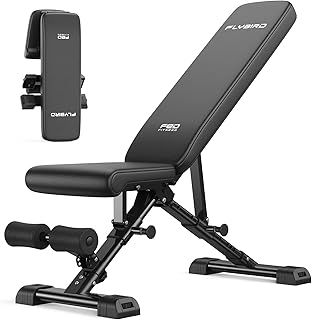
FLYBIRD WB5 Weight Bench
FLYBIRD WB5 Weight Bench has been one of the most consistently praised picks in this category. 259 reviewers averaged 4.5/5.
7. Choose Comfortable and Functional Activewear That Stays Put

Nothing ruins a workout faster than pulling up slipping leggings or worrying your shorts are see-through when you bend over. I once ripped a cheap pair of gym shorts during a heavy deadlift. The sound of tearing fabric echoing across the weight room was humiliating. I had to tie my sweatshirt around my waist and waddle out in shame. Choose functional activewear. Opt for thick, squat-proof leggings with a high, secure waistband that offer support without restricting your movement. Brands like Lululemon Align leggings are famous for their feel, though they’ll set you back about $98. If you want performance without the price tag, I recommend Gymreapers women’s leggings. They’re designed for lifting, feature a compressive fit, and cost around $39.99. For a budget-friendly option, the Colorfulkoala Dreamlux leggings are praised for durability and softness, pricing out at $22.99 on Amazon. I keep extra athletic socks and emergency hair ties from the checkout aisle at Kroger in my gym bag. You won’t regret having backup gear when the air conditioning hits your sweaty legs. When you feel comfortable in your clothes, you lift better.
8. Follow a Structured Program and Prioritize Your Rest

Wandering around the gym, picking random machines based on what looks open, is a terrible strategy. You need a concrete plan. Consider following a structured beginner program. A well-designed plan, like the 12-week Power Happens 1.0 Beginner program by Dr. Stacy Sims and Hailey Happens Fitness, provides clear guidance and prevents mistakes. These programs start with higher rep ranges to build tendon strength and that mind-muscle connection before moving to heavier loads. Trainer Kehinde Anjorin advises clients to prioritize form over intensity. This phase is about building a bulletproof foundation. You also need to avoid overtraining. A common mistake is doing too much too soon. You hit the gym six days a week, your muscles ache, you burn out by week three, and you quit. Aim for 3 to 4 structured workouts per week. On off days, incorporate active recovery. Instead of being lazy on the couch, engage in low-intensity activities like a 20 to 30-minute brisk walk or mobility drills on a yoga mat. This promotes blood circulation and helps your muscles heal without over-stressing your system. Don’t compare your progress to others. The girl squatting 200 pounds next to you started with just the empty 45-pound bar, too. Focus on your own reps.
Look, stepping into the weight room for the first time is intimidating. I’ve been there, and I know how overwhelming the loud sounds and confusing equipment can be. But if you stick to these principles, focus on your form, and fuel your body with real food, you won’t just survive the gym. You’ll start to crave the feeling of getting stronger week after week. Grab a pair of flat canvas shoes, track your protein, and stop caring about what anyone else is doing. I recommend bookmarking this page on your phone or saving it to your fitness Pinterest board so you can pull it up when you’re standing in the parking lot feeling unsure. You’ve got this. Now go lift something heavy.
Frequently Asked Questions
How many days a week should I lift weights?
Aim for 3 to 4 structured workouts per week. This provides enough stimulus to build muscle while allowing your body adequate time to recover and repair. Rest days are crucial for your progress.
What should I eat before my gym workout?
Consume a small meal rich in fast-digesting carbohydrates and lean protein 1 to 2 hours before lifting. Half a banana with whey protein or Greek yogurt with oats are perfect options to prevent energy crashes.
Do I need to lift heavy weights to see results?
Not initially. Prioritize perfect form over heavy weight. Start with lighter dumbbells to master the movement and build a mind-muscle connection. You can gradually increase the weight as you build a strong foundation.
Why shouldn’t I wear running shoes for squats?
Running shoes have thick, squishy soles designed to absorb impact, which creates an unstable base for lifting. You need flat-soled shoes like Converse or Vans to keep your feet firmly planted and prevent ankle injuries.
