What’s Inside
- Embrace Progressive Overload Consistently in Your Full Body Gym Workout
- Master the Mind-Muscle Connection for Enhanced Activation
- Prioritize Pre-Workout Hydration with Specific Quantities
- Maintain Strategic Intra-Workout Hydration
- Fuel Post-Workout with High-Quality Protein
- Strategically Utilize Pre-Workout Supplements
- Invest in Adjustable Dumbbells for Home Workout Versatility
- Never Skip Your Warm-up and Cool-down
- Prioritize 7-9 Hours of Quality Sleep for Optimal Recovery
- Focus on Impeccable Form Over Heavy Weight
- Incorporate Unconventional Movements into Your Full Body Gym Workout
- Implement Strategic Carbohydrate Intake Post-Workout
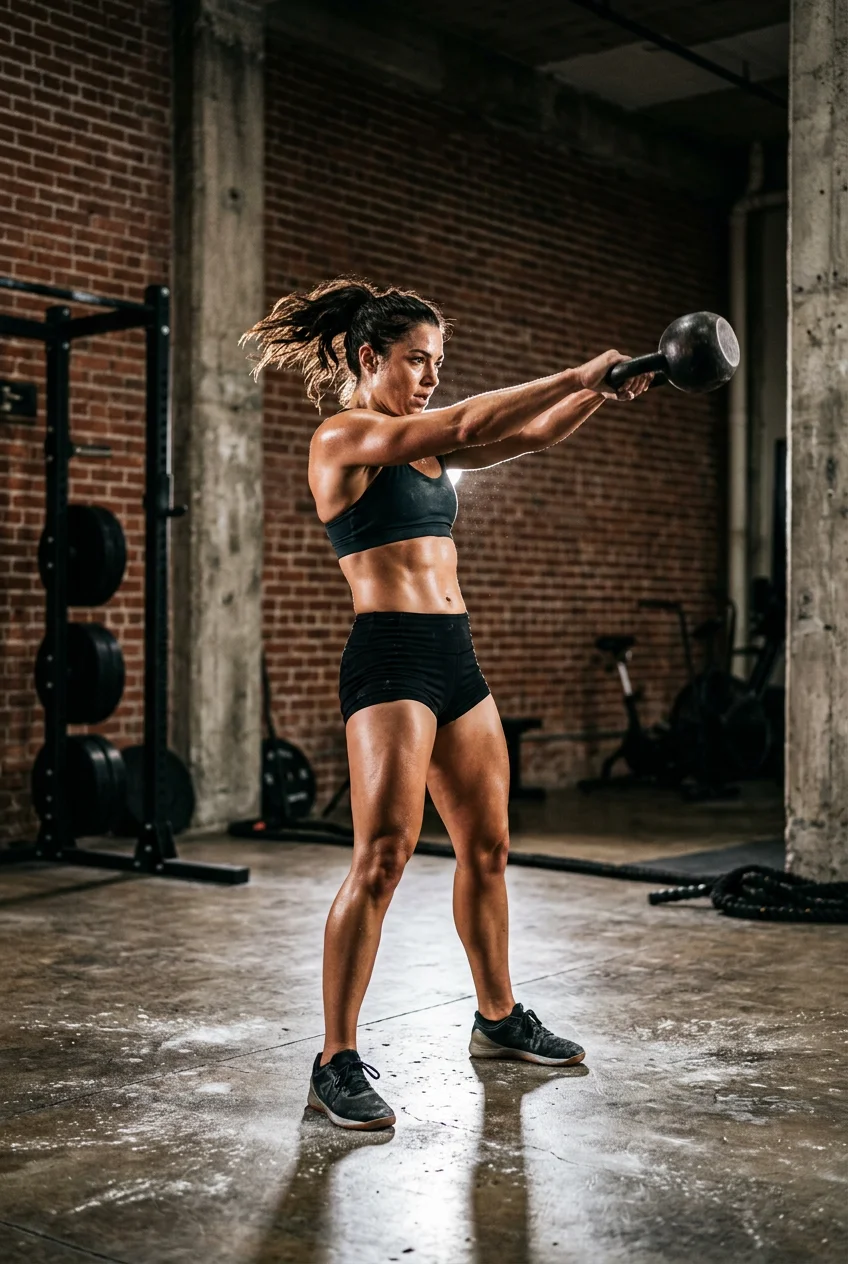
Last Tuesday at Kroger, I tried to hoist a 40-pound bag of dog food into my cart and my lower back immediately locked up. It was embarrassing. I stood there in the pet aisle, gripping the cold metal handle of the cart, waiting for the sharp spasm to pass. I realized right then that my fancy isolation machine routines weren’t translating to real life. I could leg press heavy weight on a padded sled, but I couldn’t pick up a bag of kibble without pulling a muscle. That’s exactly why a proper full body gym workout is strictly necessary. You don’t need a massive commercial facility filled with complex pulley systems to get strong. In fact, you can execute a highly effective full body gym workout with minimal gear, relying mostly on free weights and your own body’s mechanics. I’m going to break down exactly how to structure this. I’ve made every mistake possible over the last decade. I’ve ego-lifted, I’ve skipped warm-ups, and I’ve ignored my diet entirely—took me years to figure out. Let’s fix your routine from the ground up so you aren’t wasting your time or risking injury.
1. Embrace Progressive Overload Consistently in Your Full Body Gym Workout

I tried this wrong for months before figuring it out. I’d go to the gym, load up the exact same plates, and wonder why my legs looked exactly the same. To force continuous muscle growth, you’ve got to apply progressive overload. This means gradually increasing the demands on your muscles over time. If you’re doing barbell squats with 100 lbs for 3 sets of 8 reps this week, you can’t just do that again next week. You need to bump the weight to 105 lbs for the same reps, or keep the 100 lbs and push for 3 sets of 9 reps. I track every single session in a cheap black composition notebook I bought for $1.99 at Target. Writing it down with a physical pen forces me to face the numbers. A common mistake is repeating the exact same routine without variation. Your body adapts quickly. When you stop pushing the threshold, you hit a plateau. I spent all of 2022 stuck at a 135-pound squat because I refused to add fractional plates. Buy a pair of 1.25-pound micro-plates and keep them in your gym bag. The slow, fractional increases prevent your joints from taking too much shock while still forcing your central nervous system to adapt to heavier loads.
2. Master the Mind-Muscle Connection for Enhanced Activation

Don’t just move the weight from point A to point B. You’ve got to actively feel the muscle working. This technique involves consciously focusing on the contraction and lengthening of the target muscle during each repetition. I used to just heave dumbbells up and down during a chest press. I ended up with a nasty shoulder impingement because my front delts were taking all the strain. Now, when I’m holding a pair of 50-pound dumbbells, I visualize my pectoral muscles physically squeezing the weight up. I focus on the rough knurling of the metal handle biting into my palms, and I make sure my chest is doing the actual pushing. This heightened awareness significantly improves muscle activation. It forces you to slow down. When you rush through a set of bicep curls, momentum does half the work. If you actually stop at the bottom, squeeze the bicep, and control the eccentric lowering phase, a 20-pound dumbbell feels like 40 pounds. Most people get this wrong. They load up the bar to look impressive, but their target muscles aren’t even firing. Drop the weight by twenty percent and close your eyes on the next set. Feel the specific muscle fiber stretching.
3. Prioritize Pre-Workout Hydration with Specific Quantities

Proper hydration dictates your performance. If you walk into the gym thirsty, your strength is already compromised. I aim to drink 17 to 20 ounces of water two to three hours before my session. I don’t just guess the amount. I use a measured shaker bottle so I know exactly what I’m taking in. For longer sessions, plain water isn’t enough. I sweat heavily, and losing sodium leads to immediate calf cramps. I add an electrolyte solution to my pre-workout water. I buy Liquid IV at Costco. It costs $24.99 for a 16-count box. The salty lemon-lime flavor cuts through the morning grogginess. I mix one packet into 16 ounces of cold water. It replenishes essential minerals before I even start sweating. I made the mistake of chugging 30 ounces of plain water right before a heavy deadlift session once. The water sloshed around in my stomach and I felt nauseous the entire time. Timing matters just as much as the quantity. Get your 20 ounces in early, let your body process it, and use the restroom before you start your first working set. It sets the baseline for a strong lift.
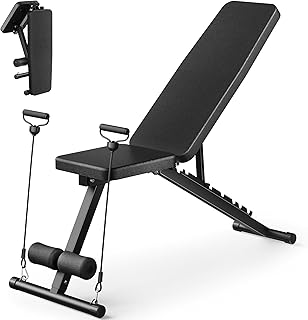
Adjustable Weight Bench for Home Gym
Adjustable Weight Bench for Home Gym has been one of the most consistently praised picks in this category. 551 reviewers averaged 4.5/5.
4. Maintain Strategic Intra-Workout Hydration

You’ve got to continue hydrating throughout your gym session. A solid baseline is consuming 7 to 10 ounces of water every 10 to 20 minutes. I adjust this based on the temperature in the gym and my sweat rate. To track this, I keep a water bottle with measurement markings right next to my bench. I use a HydroJug. They run about $29.99 online. The thick plastic sleeve protects it, which matters because gyms are hazardous environments for fragile gear. Last year, I dropped a cheap, brittle plastic water bottle I bought at Sprouts. It shattered on the hard rubber matting and spilled 30 ounces of water directly under a guy doing walking lunges. It was a massive safety hazard. Now I only use shatterproof jugs with a secure latch. The latch on the HydroJug clicks shut solidly, so I can toss it onto the floor without worrying about leaks. Don’t rely on the gym water fountain. Walking back and forth ruins your rest periods and breaks your focus. Bring your own measured container. Drink your 10 ounces right after your heaviest compound lift to stay sharp. You might also like: 10 Calisthenics Workout Plan for Every Budget
5. Fuel Post-Workout with High-Quality Protein

Within 60 minutes of completing your final set, you need 25 to 40 grams of high-quality protein to kickstart muscle repair. This window matters for recovery. I rely on Optimum Nutrition Gold Standard 100% Whey Protein. I pick up the 2-pound tub for $44.99. It provides exactly 24g of protein per scoop, so I use one and a half scoops to hit my 36g target. The double rich chocolate flavor mixes smoothly in cold water without leaving chalky lumps at the bottom of the shaker. For those wanting a cleaner, third-party tested option, Transparent Labs 100% Grass-Fed Whey Protein Isolate is highly rated. It costs $59.99 for a tub. I switch to this during cutting phases because it has zero artificial sweeteners. Skip the fat-free, artificially flavored generic powders. I bought a discount brand once and it tasted like wet cardboard mixed with battery acid. I ended up throwing the entire tub away. Your post-workout shake should be something you actually want to drink. Mix it with 8 ounces of water or almond milk. Shake it vigorously for 15 seconds. Drink it in the car on the way home before your muscles stiffen up. You might also like: 8 Gym Story Instagram for Every Budget
6. Strategically Utilize Pre-Workout Supplements

If you require an extra boost for a 5 AM session, pre-workout supplements are highly effective. I use Transparent Labs BULK Pre-Workout. It costs $54.99 for 20 servings. The formula includes clinically effective doses of specific ingredients. You get 325mg of caffeine and 8,000mg of L-citrulline per scoop. The citrulline increases blood flow, which gives a noticeable pump during upper body days. However, you must respect the caffeine content. I took a full scoop of a high-stimulant pre-workout on an empty stomach last year. My hands shook so badly I couldn’t even text my wife, and my heart rate spiked before I even touched a barbell. If you have caffeine sensitivity, don’t take 325mg. Brands like Legion Pulse offer excellent stimulant-free versions. They provide the pump ingredients without the central nervous system stimulants. I keep a tub of stim-free pre-workout in my pantry for evening sessions. Taking heavy caffeine after 4 PM guarantees I’ll be staring at the ceiling at midnight. Start with a half scoop to assess your tolerance. Mix it with 10 ounces of water 20 minutes before you start lifting. You might also like: 15 Creative Inside She Sheds Home Gym Setup Ideas to Steal Right Now

FitinOne Adjustable Folding Weight Bench for Home Gym
If you want something that just works, FitinOne Adjustable Folding Weight Bench for Home Gym is a safe bet (774 reviews, 4.5 stars).
7. Invest in Adjustable Dumbbells for Home Workout Versatility

You don’t need a room full of commercial machines. For those with limited space, adjustable dumbbells are a highly practical investment. I use the NÜOBELL Adjustable Dumbbells. They range from 5 to 80 lbs and cost $595 for the pair. The quick weight change mechanism allows me to drop from a 60-pound shoulder press to a 20-pound lateral raise in two seconds. The handles have a knurled steel grip that mimics a commercial gym dumbbell perfectly. If you’re a beginner, the Bowflex SelectTech 552 is a solid starting point. They adjust from 5 to 52.5 lbs and usually run $349. I started with the Bowflex set in my garage. The plastic casing is a bit bulky, which makes chest flyes slightly awkward, but the space-saving aspect is undeniable. Having heavy dumbbells at home eliminates every excuse. If it’s pouring rain and I don’t want to drive to the gym, I can execute a brutal leg routine with just a pair of 80-pound dumbbells. Bulgarian split squats, Romanian deadlifts, and goblet squats require zero machines. Just clear a 6-foot space in your living room.
8. Never Skip Your Warm-up and Cool-down

Neglecting warm-ups is a common mistake that leads directly to injury. I skipped stretching entirely throughout my twenties. I’d walk into the gym, load 225 pounds on the bench, and just go. Now my hamstrings feel like tight piano wires and my shoulders constantly click. You must dedicate 10 to 15 minutes to a dynamic warm-up. I start with arm circles, leg swings, and bodyweight lunges. This pushes synovial fluid into the joints and physically raises your core temperature. You shouldn’t touch a heavy weight until you’ve got a light sweat going. After the session, follow up with a 5 to 10-minute cool-down. This is where you incorporate static stretches to improve flexibility. I hold a deep lunge stretch for 60 seconds per leg to open up my hip flexors. I also hang from a pull-up bar for 30 seconds to decompress my spine. Skipping the cool-down leaves lactic acid pooled in your muscles, making the next day absolutely miserable. Spend the extra ten minutes. Your joints will thank you when you’re trying to walk up the stairs tomorrow morning.
9. Prioritize 7-9 Hours of Quality Sleep for Optimal Recovery

You don’t build muscle in the gym. You build muscle in your bed. Experts consistently emphasize that 7 to 9 hours of uninterrupted sleep per night is crucial for muscle repair. During deep sleep, your body releases growth hormone, which directly aids in healing the micro-tears you created during your workout. I used to average five hours of sleep and wonder why my bench press was regressing. I completely overhauled my sleep hygiene. I keep my bedroom between 60 and 67 degrees Fahrenheit. A cold room drops your core temperature, signaling to your brain that it’s time to sleep. I also bought heavy blackout curtains from Walmart for $14.98. They block out the streetlights completely. Finally, I enforce a strict no-screen rule 30 minutes before bed. The blue light from your phone suppresses melatonin production. I plug my phone in across the room so I can’t reach it from the mattress. If you’re training hard but ignoring your sleep, you’re throwing away fifty percent of your potential results. Prioritize your rest just as aggressively as your training.

FLYBIRD WB2 Weight Bench
FLYBIRD WB2 Weight Bench punches above its price — 215 buyers rated it 4.5 stars. I would buy it again.
10. Focus on Impeccable Form Over Heavy Weight

Lifting weights that are too heavy with compromised form is a critical mistake. It increases your injury risk and heavily reduces the actual effectiveness of the workout. Snap Fitness trainers frequently advise that mastering the movement is far more beneficial than lifting for ego. I learned this the hard way. A few years ago, I was ego lifting on a Friday afternoon. I loaded 315 pounds on the deadlift bar. My lower back rounded like a frightened cat on the second rep, and I felt a sharp pop. I couldn’t tie my own shoes for a week. Always prioritize perfect technique with manageable weights. You should only increase the load when your form is completely solid. If you’ve got to swing your torso to curl a 40-pound dumbbell, you aren’t doing a bicep curl. You’re doing a lower back swing. Drop down to the 25-pounders. Pin your elbows to your ribs. Control the weight on the way down. Nobody in the gym cares how much you lift. They aren’t watching you. Check your ego at the door, lower the weight, and focus on the mechanics of the movement.
11. Incorporate Unconventional Movements into Your Full Body Gym Workout

Beyond traditional exercises like squats and bench presses, you need to integrate unconventional movements. This stimulates your muscles in entirely new ways and prevents frustrating plateaus. One trending approach is the Monkey Press. This is a single-arm hanging movement that builds incredible shoulder stability and bicep strength. Another excellent movement is the Landmine Squat and Push. You wedge a barbell into a corner, load the free end, hold it at your chest, squat down, and press it out as you stand up. I love the sharp squeak of the rubber plates on the landmine attachment. It engages your core, legs, and shoulders simultaneously. I added landmine presses to my routine last month, and my core strength spiked noticeably. These functional movements build adaptable strength that carries over to everyday life. When you only use fixed machines, you ignore the stabilizing muscles. Free weights and odd-angle presses force your body to balance the load. Grab a 45-pound plate and do steering wheel twists. Carry heavy kettlebells across the turf. Force your body to adapt to awkward, shifting weights to build real-world resilience—no exaggeration.
12. Implement Strategic Carbohydrate Intake Post-Workout

Alongside your protein shake, strategic carbohydrate consumption post-workout is vital. You need to replenish your depleted glycogen stores. If you train intensely, your muscles burn through their stored energy. For rapid replenishment, aim for 0.5 grams of carbohydrates per kilogram of body weight. For a 180-pound guy, that’s roughly 40 grams of carbs. You want fast-absorbing sources here. I use dextrose powder or just eat a large banana. I buy bunches of bananas at Trader Joe’s for $0.19 each. They’re cheap, portable, and loaded with potassium to prevent cramping. I used to avoid carbs after a workout because I thought it would make me gain fat. That was a massive error. Without carbs, my recovery stalled, and I felt completely drained the next day. The insulin spike from fast carbs actually helps shuttle the protein directly into your muscle cells. I eat my banana in the locker room while I’m drinking my whey protein. It stops the post-workout crash completely. Don’t fear carbohydrates. Use them strategically to fuel your recovery process.
A proper routine doesn’t require complex machines or a massive facility. It requires consistency, proper fueling, and strict attention to form. I’ve wasted years doing things the wrong way. Don’t repeat my mistakes. Start with manageable weights, track your progressive overload in a notebook, and prioritize your sleep just as much as your lifting. If you found this breakdown helpful, save this page or pin it to your fitness boards so you can reference these exact numbers before your next heavy lifting session.

Amazon Basics Adjustable Workout Weight Bench Press
Amazon Basics Adjustable Workout Weight Bench Press punches above its price — 193 buyers rated it 4.5 stars. I would buy it again.
Frequently Asked Questions
How often should I do a full body gym workout?
You should aim for three days a week. Your muscles need 48 hours to recover between sessions. If you lift on Monday, rest on Tuesday before hitting the weights again on Wednesday.
Can I build muscle without heavy machines?
Absolutely. Free weights like dumbbells and barbells force your stabilizing muscles to work harder than fixed machines do. A pair of adjustable dumbbells is enough to stimulate serious muscle growth if you apply progressive overload.
What should I eat after a full body gym workout?
Consume 25 to 40 grams of fast-absorbing whey protein and 30 to 60 grams of simple carbohydrates within an hour of finishing your session. A protein shake and a large banana are perfect for kickstarting recovery.
How long should a full body gym workout take?
If you’re tracking your rest periods and staying focused, you can finish a highly effective session in 45 to 60 minutes. Don’t drag it out for two hours. Hit your compound lifts hard and get out.
