What’s Inside
- Master The Pelvic Tilt For A Real Lower Abs Workout For Women
- Stop Using Your Hands As A Band-Aid Under Your Lower Back
- Slow Down Your Leg Raises To Actually Engage The Core
- Add A Resistance Band To Your Lower Abs Workout For Women
- Use The Perfect Fitness Ab Carver Pro For Dynamic Extension
- Try The Decline Bench Reverse Crunch For Progressive Overload
- Master Hanging Leg Raises With A Posterior Pelvic Tilt
- Stop Doing Ab Workouts Every Single Day
- Fuel Your Core With Specific Nutrition Targets
I spent my first two years as a trainer watching female clients violently throw their legs in the air, convinced they were doing a proper lower abs workout. They weren’t. Last Tuesday at Target, I overheard a woman in the fitness aisle holding a $14.99 weighted hoop, complaining to her friend that she couldn’t target her lower belly no matter what she tried. I wanted to intervene right there by the protein bars. The truth? Most lower ab routines are just hip flexor workouts in disguise. I coached this wrong for months before figuring it out. I used to prescribe endless flutter kicks, and my clients just ended up with tight hips and sore lower backs. You don’t need 500 crunches. You need to understand pelvic mechanics. I see this every day at the gym. Women grab a mat, shove their hands under their tailbone, and start swinging. It looks exhausting. It is exhausting. But it does almost nothing for your transverse abdominis. Let’s fix your form. I put together this guide to break down exactly what works, what fails, and how to engage the muscles you want without wrecking your spine. Learned that the hard way.
1. Master The Pelvic Tilt For A Real Lower Abs Workout For Women

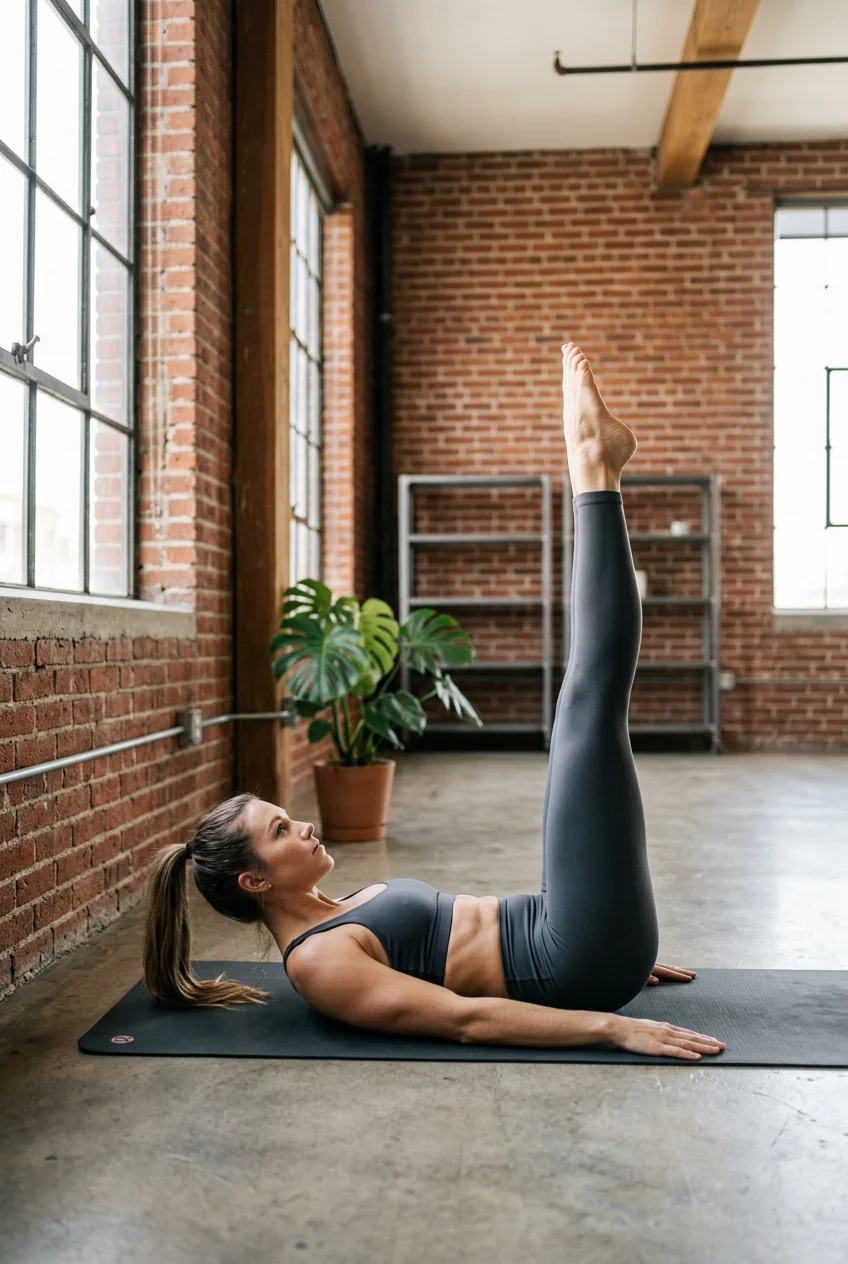
I bought a cheap $9.99 foam mat at Walmart last year for my garage gym. I unrolled it on the concrete, and the chemical smell hit me. I laid down to test it, and I could feel the freezing concrete seeping right through the thin material. It was a mistake. You need a thicker mat (at least 1/2 inch) if you’re going to practice diaphragmatic breathing, because you need to feel your spine pressing into the floor. Before you do a single crunch, master belly breathing. Lie on your back, place one hand on your chest and the other on your belly. Inhale deeply through your nose, letting your belly rise while keeping your chest still. Exhale slowly, feeling your belly lower. This strengthens the diaphragm and engages the transverse abdominis, your deepest core muscle. Actively think about engaging your lower abs. Simone Tchouke, CPT, suggests visualizing your core bracing for a wave. It helps. The biggest mistake I see is letting hip flexors dominate. To fix this, consciously perform a slight posterior pelvic tilt. Imagine you’re pulling your belly button towards your spine and flattening your lower back against the mat. This engages your deep core and minimizes hip flexor involvement. If your back arches, you’re doing it wrong.
2. Stop Using Your Hands As A Band-Aid Under Your Lower Back

I used to tell clients to shove their hands under their glutes during leg lowers. It’s embarrassing to admit now. I thought it protected their lower backs. It didn’t. It just created a false sense of security and turned off their core engagement. When you place your hands behind your lower back to prevent arching, you’re using a mechanical wedge instead of your abdominal muscles to stabilize your spine. If you have to use your hands, the exercise is too advanced for your current strength. Instead, regress the movement. Don’t lower your legs all the way to the floor. Only go as far as you can while keeping your lower back glued to the mat. To build foundational strength, start doing the hollow body hold. Lie on your back, engage your core to lift your head, shoulders, arms, and legs slightly off the floor. Keep your lower back pressed firmly against the ground. Hold this for 30 to 60 seconds, and repeat it 2 to 3 times. You’ll start shaking around the 20-second mark. That shaking means it’s working. This isometric hold builds the stabilization strength you need to protect your spine during dynamic movements.
3. Slow Down Your Leg Raises To Actually Engage The Core

I was at Costco last month, wrestling a 3-pound bag of frozen blueberries out of the freezer. The plastic pressed against my ribs as I lifted it, and my lower back gave a sharp, warning twinge. Why? Because I’d spent the morning rushing through hanging leg raises using pure momentum, straining my hip flexors instead of bracing my core. Momentum is the enemy of abdominal growth. Stop rushing. When you swing your legs up and let gravity pull them down, momentum takes over, killing the effectiveness of the exercise. For leg raises, you need to go incredibly slow. Focus heavily on the eccentric phase, the lowering part. Count to four on the way down. This maximizes time under tension and forces your lower abs to act as the brakes. Instead of hundreds of sloppy crunches, focus on quality. GetFit AI recommends 15 slow, controlled reps per exercise for 3 sets. That’s all you need. If you can do 50 leg raises without stopping, you’re either doing them wrong or you’re a gymnast. Slow it down, feel the burn in the transverse abdominis, and stop relying on gravity. You might also like: 10 Gym Bag Essentials You Need to See
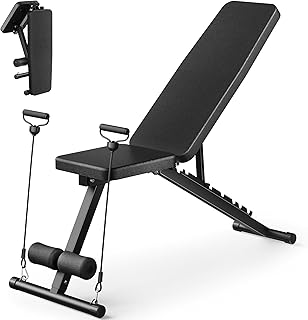
Adjustable Weight Bench for Home Gym
Adjustable Weight Bench for Home Gym has been one of the most consistently praised picks in this category. 565 reviewers averaged 4.5/5.
4. Add A Resistance Band To Your Lower Abs Workout For Women

I was at Kroger last Thursday night, pushing a cart with a squeaky wheel down the fitness aisle looking for a cheap replacement band. I grabbed a generic $5 rubber loop. It snapped two days later during a glute bridge, whipping my thigh and leaving a welt. Don’t buy cheap rubber. I ordered the SKLZ Elite Mini Strength Training and Exercise Resistance Band for $13.99. The fabric coating means it doesn’t roll up or snap. Adding a mini resistance band around your thighs, just above the knees, forces your lower abs to work harder. Try banded tabletop toe taps. Lie on your back, bring your knees up to a 90-degree angle, and keep tension on the band by pushing your knees slightly outward. Slowly tap one heel to the ground and bring it back up, then switch. The band increases tension and helps activate your hip abductors. These abductors are crucial stabilizers for your lower back and core. By keeping the band taut, you’re preventing your hips from shifting, which forces the lower abdominal muscles to isolate and contract. It turns a basic physical therapy move into a brutal core drill. Trust me.
5. Use The Perfect Fitness Ab Carver Pro For Dynamic Extension

I tried a generic $12 plastic ab wheel first. It wobbled so badly I nearly face-planted on my living room rug, and the handles dug into my palms. I threw it in the trash and bought the Perfect Fitness Ab Carver Pro for $39.99. The difference is massive. It features an ultra-wide wheel and internal spring resistance, offering stability and actual assistance on the way back up. This matters because the rollout is where most people destroy their lower backs. When you roll out, your entire core has to fire to prevent your spine from hyperextending. The internal spring provides just enough resistance to help you maintain a controlled rollout without collapsing. To target the lower abs, you have to initiate the return by tucking your pelvis, not by pulling with your arms. Think about dragging your knees forward using your lower belly. Start on your knees with the wheel directly under your chest. Roll out slowly, keeping your ribcage tucked down. Don’t let your lower back sag. If you feel a pinch in your lumbar spine, you’ve gone too far. Roll back by exhaling and crunching your pelvis inward. You might also like: 20 Creative Men Home Workout Ideas You’ll Want to Bookmark
6. Try The Decline Bench Reverse Crunch For Progressive Overload

Most people grab the flat bench for reverse crunches. I grab the decline bench near the water fountain. It smells like citrus cleaner, but it’s the best piece of equipment for progressive core overload. The reverse crunch on a decline bench is an advanced movement, and it’s a major fitness trend for 2026. Lie on the decline bench with your head at the top. Reach behind you and grip the bench firmly for stability. Bend your knees to 90 degrees. Instead of swinging, focus on curling your pelvis upward to lift your hips slightly off the pad. The range of motion is small, but it’s intense. The decline angle forces you to fight gravity much harder than a flat bench. The key is to avoid using your legs to generate swing. Keep your knees locked at 90 degrees. Pull your pubic bone towards your sternum. Slowly lower your hips back to the pad, stopping before your lower back arches. Do 3 sets of 12 reps. Your lower abs will be on fire by the second set. You might also like: 11 Gym Asthetic Picture That Actually Work
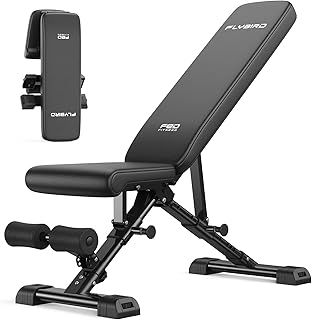
FLYBIRD WB5 Weight Bench
FLYBIRD WB5 Weight Bench has been one of the most consistently praised picks in this category. 259 reviewers averaged 4.5/5.
7. Master Hanging Leg Raises With A Posterior Pelvic Tilt

I ripped my calluses open doing hanging leg raises wrong back in 2019. I was just hanging from a bar, violently swinging my legs up, letting my body swing like a pendulum. My grip gave out before my abs felt fatigued. Hanging leg raises are incredible, but only if you use a posterior pelvic tilt. Jump up and hang. Before you move your legs, initiate the movement by flattening your lower back and curling your pelvis upward. This pre-engages the lower abs. Now, slowly raise your legs to a 90-degree angle. Pause for one full second at the top. Lower them twice as slowly as you raised them. Do not let your body swing. If you start swinging, step down, reset, and start over. The posterior pelvic tilt ensures the lower abs are doing the work, rather than just the hip flexors. If you just lift your legs with an arched back, you’re only working the psoas muscle, which connects your spine to your legs. That leads directly to lower back pain. Keep your ribs tucked and your pelvis tilted.
8. Stop Doing Ab Workouts Every Single Day

I shop at Sprouts every Sunday morning. Last Sunday, I smelled the fresh roasted coffee beans while talking to a guy in the produce section who told me he trains his abs seven days a week. He lifted his shirt to show me. He had zero definition and complained about constant core fatigue. Your abdominal muscles are just like your biceps or your hamstrings. They need time to recover and grow. Training your abs to the max every day will hinder your progress and increase your injury risk. Aim for 2 to 3 dedicated ab sessions per week. This allows for optimal recovery. On your off days, you’re still working your core through compound movements. Don’t neglect squats and deadlifts. When you load a barbell on your back, your deeper transverse abdominis and erector spinae muscles fire constantly to keep you upright. This contributes to overall core stability. Ensure thoughtful activation by bracing your core, pulling your belly button in, and keeping your ribcage down during these lifts. A heavy goblet squat with a 35-pound kettlebell will work your core harder than 50 sloppy sit-ups.
9. Fuel Your Core With Specific Nutrition Targets

I buy the 1.5-pound salmon fillets at Whole Foods on Monday evenings. The fluorescent lights hitting the seafood ice give me a headache, but the high-quality protein is worth it. You can do hollow body holds until you’re blue in the face, but visible lower abs are largely a result of reduced body fat. For women, a body fat percentage of around 16 to 19% is usually needed for definition. You can’t out-train a bad diet. Focus on a calorie deficit of 500 to 750 calories per day to lose 1 to 2 pounds per week. Prioritize lean proteins like 4 oz of chicken breast or salmon, complex carbohydrates like Trader Joe’s frozen brown rice or lentils, and healthy fats like avocados and almonds. Skip the fat-free stuff. It tastes like wet cardboard and leaves you hungry an hour later. If you want to supplement your routine, consider Pilates reformer training. Entry-level home reformers range from $500 to $1,500. They offer a low-impact way to strengthen the lower abs through spring resistance. But remember, the reformer won’t show off your abs if your body fat is too high. Dial in your calories, hit your protein targets, and let the muscle show through. No exaggeration.
I’ve seen too many people wreck their lower backs chasing a six-pack with terrible form and cheap equipment. Start with the pelvic tilt, slow your reps down, and buy a decent mat so you aren’t fighting the floor. If you found this breakdown helpful, pin this article to your fitness board so you have these exact form cues ready for your next gym session.

NICEPEOPLE Adjustable Weight Bench for Home Gym
Honestly, NICEPEOPLE Adjustable Weight Bench for Home Gym surprised me — sturdier than it looks in the photos, and over 33 buyers gave it 4.5 stars.
Frequently Asked Questions
How often should women train their lower abs?
You should train your abs 2 to 3 times per week. Your core muscles need time to recover and rebuild just like any other muscle group. Training them daily increases injury risk and limits muscle growth.
Why does my lower back hurt during leg raises?
Lower back pain during leg raises usually means your hip flexors have taken over and your lower back is arching off the mat. You need to maintain a posterior pelvic tilt and keep your spine glued to the floor.
Do I need equipment for a lower abs workout?
While bodyweight exercises are effective, adding a mini resistance band or using an Ab Carver Pro can significantly increase muscle activation. A thick, high-quality exercise mat is also highly recommended to protect your spine.
What body fat percentage is needed for visible lower abs in women?
For women, visible lower abdominal definition generally requires a body fat percentage between 16% and 19%. Achieving this requires a consistent calorie deficit and a diet rich in lean proteins and complex carbohydrates.
