
What’s Inside
- The Classic Whey And Carb Combo For Post Workout Snacks
- Clear Whey Isolate (The 2026 Trend)
- Cottage Cheese And Pineapple Power Bowl
- Quick Grab RXBARs And Beef Sticks
- Plant-Based Grain Bowls For Serious Refueling
- Whole Eggs On Toast (Don’t Fear The Fat)
- Electrolyte Slushies For Sweaty Sessions
- Avoiding High-Sugar Traps With Post Workout Snacks
- The Truth About The Anabolic Window
- Active Recovery And Sleep Matter Too
Last Tuesday at Whole Foods, I stood staring blankly at the yogurt aisle. I was dizzy and sweating through my grey gym shirt under those harsh fluorescent lights. I’d just crushed a 90-minute heavy leg day and thought I could skip my usual routine to run errands. Bad idea. My blood sugar crashed so hard I almost knocked over a display of $6.99 organic granola. Finding the right post workout snacks isn’t just about building muscle. It’s about keeping yourself functional so you don’t embarrass yourself in public. Trust me.
I learned the hard way that you can’t just power through on an empty tank. Your body needs fuel to repair the microscopic tears in your muscle fibers. If you don’t feed it, you’re going to feel like garbage the next morning. I’ve spent ten years as a fitness trainer testing every powder, bar, and whole food combo out there. Some were great. Most tasted like chalk or wet dirt. Today, I’m breaking down exactly what you need to eat after you train. I’m giving you the exact brands, prices, and measurements I use daily. Whether you’re lifting heavy or running miles, you need a plan. Let’s get into the specifics.
1. The Classic Whey And Carb Combo For Post Workout Snacks

When it comes to post workout snacks, you can’t beat the classic protein shake and carb combo. You want to aim for 20 to 40 grams of high-quality protein to start muscle repair. For a 176-pound guy like me, that means hitting at least 24 grams immediately after I train. I swear by Optimum Nutrition Gold Standard 100% Whey Protein. A standard tub runs about $41.99, and one scoop gives you exactly 24 grams of protein. If you’re lactose sensitive, Dymatize ISO100 Hydrolyzed Protein Powder is another solid pick for around $33.43 for 25 grams per serving.
I used to make a massive mistake with my shakes. I’d just mix chocolate whey with 8 ounces of plain water in a dirty shaker bottle. The little wire blender ball was always crusted with old powder. It smelled terrible and tasted like muddy water. Now, I blend it properly with 1 cup of almond milk and a handful of frozen strawberries to fix the texture. It’s a total fix.
You also can’t skip the carbs. Carbs refill your depleted muscle glycogen stores. Sports nutrition data advises 1 to 1.2 grams of carbohydrates per kilogram of body weight within four hours of your session. For a 70-kilogram person, that’s 70 to 84 grams of carbs. If I just finished a heavy strength training session, I stick to a 2:1 carb-to-protein ratio. I’ll eat 1/2 cup of dry oats cooked with my shake. It’s cheap, effective, and gets the job done without making you feel bloated.
2. Clear Whey Isolate (The 2026 Trend)

If you’re tired of thick, milky shakes, you need to look into clear whey protein isolates. This is going to be a massive trend by 2026, and I’m already fully on board. Walking out of a hot, sweaty gym and chugging a heavy vanilla cream shake is honestly disgusting. I tried doing that last July after a brutal garage workout, and I felt nauseous for hours. The heavy dairy film just coated the back of my throat. I learned that the hard way.
Clear whey is completely different. It mixes up like a sports drink or fruit juice. It’s light, refreshing, and usually has zero fat or sugar. I usually grab Ascent Clear Whey Protein Powder. It costs around $39.99 for 20 servings, and it delivers 26 grams of protein per scoop. Another great option is ESN IsoClear Whey Isolate, which gives you 25 grams of protein per 30-gram serving.
I found a tub of Ascent in the supplement aisle at my local Target last month and decided to test it out. I mixed one scoop of the bright yellow pineapple flavor with 12 ounces of ice-cold water. You have to let it sit for about a minute after shaking so the foam settles. Once it clears up, it looks and tastes exactly like juice. It’s incredibly refreshing. You aren’t getting that heavy dairy texture. If you struggle to get your protein in because you hate the thickness of traditional whey, this is exactly what you need to buy.
3. Cottage Cheese And Pineapple Power Bowl

Cottage cheese is a slow-digesting protein powerhouse that most people ignore. A single cup of cottage cheese packs around 28 grams of protein. It’s loaded with casein, which feeds your muscles slowly over several hours. It’s also packed with sodium, which you need to replace after sweating.
I’ll be honest. I hated the lumpy texture of cottage cheese for years. I thought it looked gross, like spoiled milk. But I was buying the wrong kind. Skip the fat-free stuff. It tastes like wet cardboard. You want the 4% milkfat small curd version. I buy the $2.99 store brand tub from Trader Joe’s every week. The condensation on the plastic tub always lets me know it’s perfectly chilled. You might also like: 15 Creative Workout Motivation Tips You Haven’t Thought Of
To fix the texture and boost the recovery benefits, you have to pair it with pineapple. Pineapple contains an enzyme called bromelain. Bromelain aids in protein digestion and helps relieve muscle soreness. I take 1 cup of the Trader Joe’s cottage cheese and mix it with 1/2 cup of fresh, diced pineapple. The sweet and acidic juice from the pineapple cuts right through the rich, salty cheese. The contrast is amazing. You get the fast-digesting natural sugars from the fruit to spike your insulin and push nutrients into your muscles, followed by the slow drip of casein protein. I usually eat this specific bowl if I work out late in the evening. It keeps me full all night so I don’t wake up starving. You might also like: 15 Clever Garage Home Workout Ideas That Are Totally Worth It
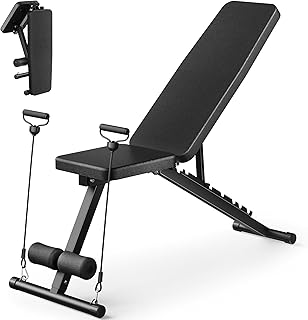
Adjustable Weight Bench for Home Gym
Adjustable Weight Bench for Home Gym punches above its price — 551 buyers rated it 4.5 stars. I would buy it again.
4. Quick Grab RXBARs And Beef Sticks

Sometimes you don’t have time to meal prep or blend a fancy shake. You just need something portable that won’t melt in your gym bag. For on-the-go recovery, I always keep a stash of RXBAR Protein Bars and beef sticks in the center console of my truck. You might also like: 15 Stunning Room Home Workout Ideas That Make a Real Difference
RXBARs are fantastic because they use whole food ingredients. They rely on egg whites for protein and dates for quick carbohydrate energy. They usually run about $2.50 a bar. I will warn you, though. They are incredibly chewy. I made the mistake of trying to eat a cold Chocolate Sea Salt RXBAR while driving in freezing weather, and it nearly pulled one of my back fillings out. Keep them at room temperature so they stay soft.
I also pair the bar with Chomps Grass Fed Beef Jerky Snack Sticks. You can usually find these in the checkout lane at Sprouts for about $2.29 each. One Chomps stick gives you 9 grams of protein and, more importantly, 380 milligrams of sodium. That salt is crucial for electrolyte replacement if you’ve been sweating heavily. Tearing into a tough, salty beef stick right after a workout feels satisfying. The snap of the casing and the spicy pepper flavor wake up your senses. Between the date sugar in the RXBAR and the salty protein in the beef stick, you’re covering all your nutritional bases in about three minutes flat while sitting in the driver’s seat.
5. Plant-Based Grain Bowls For Serious Refueling

You don’t need animal products to recover properly. Plant-based options are incredible for variety and overall gut health. If you prefer powders, Orgain Organic Vegan Protein Powder is a great choice. It costs around $30.39 for a large tub. Garden of Life Sport protein blend is another excellent soy-free alternative.
But when I really want to refuel after a brutal 60-plus minute endurance session, I build a massive plant-based grain bowl. For longer endurance workouts, you want a 3:1 or even 4:1 carb-to-protein ratio. Most people get this wrong. They eat a tiny side salad and wonder why their legs feel like lead the next day. You need dense carbohydrates.
I buy massive, heavy plastic bulk bags of quinoa and black beans from Costco. I’ll mix 1 cup of cooked quinoa with 1 cup of black beans. Black beans give you about 15 grams of protein per cup, and lentils offer even more at 18 grams per cup. I toss in 1/2 cup of roasted sweet potatoes and drizzle the whole thing with 2 tablespoons of tahini. The nutty, earthy smell of warm quinoa mixed with the rich tahini is incredible. This bowl is heavy, warm, and packed with fiber. Just don’t eat it right before a workout, or you’ll be dealing with some serious stomach cramps. Save this massive grain bowl for your post-workout recovery meal when you have time to sit down and digest.
6. Whole Eggs On Toast (Don’t Fear The Fat)

For years, the fitness industry told us to avoid egg yolks because the fat would slow down digestion and ruin our post-workout gains. I fell for it. I ate rubbery, tasteless egg whites for years. I’d microwave 1 cup of liquid egg whites in a plastic bowl, and it smelled exactly like wet dog. It was a miserable experience.
We now know that avoiding healthy fats is a mistake. A 2017 study actually proved that eating whole eggs promotes muscle protein synthesis much better than eating just the egg whites alone. The healthy fats, vitamins, and cholesterol in the yolk are essential for your body’s hormone production and recovery. Fat might slow digestion slightly, but it doesn’t stop the muscle-building process.
Now, I go to Kroger and buy their simple truth organic pasture-raised eggs. They cost about $5.99 a dozen, but the dark orange yolks are worth every penny. I fry three whole eggs in a tiny bit of butter in a hot cast iron pan and slide them onto two thick slices of toasted sourdough bread. When you cut into the eggs, the warm, runny yolk soaks right into the crispy sourdough crust. It’s the perfect combination of high-quality protein, healthy dietary fats, and fast-digesting carbohydrates from the white bread. Plus, the fat keeps you feeling full so you aren’t digging through your pantry an hour later looking for junk food.

NICEPEOPLE Adjustable Weight Bench for Home Gym
If you want something that just works, NICEPEOPLE Adjustable Weight Bench for Home Gym is a safe bet (33 reviews, 4.5 stars).
7. Electrolyte Slushies For Sweaty Sessions

If you’re working out for more than an hour, or if you’re just sweating a lot in a hot garage gym, plain water isn’t going to cut it. You’re losing massive amounts of sodium, potassium, and magnesium. If you don’t replace them, your muscles will lock up. I learned this the hard way last summer. I went for a 10-mile run in 90-degree heat, drank only plain water, and woke up at 2 AM with a calf cramp so painful I fell out of bed. No exaggeration.
Now, I make an electrolyte slushie. I use LMNT Electrolyte Powder Packets. They cost about $20 (or £18.99 if you’re buying them overseas) for a box of 30. Each packet has a massive 1,000 milligrams of sodium. If you want something lighter, Nuun Sport Powder packets have about 300 milligrams of sodium.
I buy bags of crushed ice from Walmart. I throw 2 cups of crushed ice into a blender with 8 ounces of water and one watermelon salt LMNT packet. The sound of the blender crushing the ice is deafening, but it’s worth it. I blend it until it’s a thick, icy slush. The extreme saltiness mixed with the freezing cold ice is exactly what your body craves when you’re dangerously dehydrated. It cools your core temperature down instantly. The icy texture feels amazing on a dry throat, and the massive hit of sodium stops muscle cramps before they can even start.
8. Avoiding High-Sugar Traps With Post Workout Snacks

One of the biggest mistakes I see my clients make is falling into the high-sugar and high-caffeine trap immediately after a workout. You finish a hard session, you feel exhausted, and your brain demands instant energy. It’s incredibly tempting to grab a sugary commercial smoothie or a massive iced energy drink.
I used to stop at a drive-thru smoothie place and order a 32-ounce peanut butter chocolate shake in a sticky plastic cup. It tasted amazing, like drinking cold syrup, but it had over 80 grams of added sugar. Thirty minutes later, my blood sugar would crash so hard I couldn’t keep my eyes open. Excessive caffeine post-workout is just as bad. It masks your natural fatigue and messes with your cortisol levels when your body is trying to calm down and start the recovery process.
You also have to be careful not to overeat just because you think you need to replenish. It’s incredibly easy to overestimate the calories you burned. A 45-minute weightlifting session might only burn 250 calories. If you eat a 600-calorie sugary protein muffin from a coffee shop, you’re going to accumulate unwanted body fat. Plan your post-workout snack in advance. Bring your pre-measured powder or your exact portions of whole foods in your bag. If you don’t plan ahead, you’ll make impulsive, high-calorie choices when you’re hungry and tired.
The Truth About The Anabolic Window

Let’s talk about the infamous anabolic window. For decades, gym bros told everyone that if you didn’t chug a protein shake within 30 minutes of finishing your last set, your workout was completely wasted. I actually used to sprint to my locker, frantically shaking my bottle in a room that smelled like rusty lockers and old sweat, terrified that my muscles were going to shrink if I didn’t drink my whey immediately.
It’s complete nonsense. The anabolic window for maximizing your muscle response to protein is much wider than we previously thought. Yes, eating within 30 minutes to 2 hours post-exercise is beneficial. But muscle protein synthesis actually remains elevated for up to 24 hours after a training session. Peak efficiency does happen in the first 3 hours, but you don’t need to panic.
This means you can actually take your time. You can drive home, take a hot shower, and cook a real meal. You don’t have to force down a lukewarm shake in a smelly locker room. Focus on your total daily protein intake rather than obsessing over a 30-minute countdown timer. If you hit your 20 to 40 grams of protein in that general post-workout period, you’re doing exactly what you need to do. I usually wait about 45 minutes until my stomach settles down before I eat anything solid.

FLYBIRD WB2 Weight Bench
If you want something that just works, FLYBIRD WB2 Weight Bench is a safe bet (215 reviews, 4.5 stars).
Active Recovery And Sleep Matter Too

You can eat the most perfectly measured post workout snacks in the world, but if you ignore the rest of your recovery protocol, you won’t see results. Nutrition is only one piece of the puzzle. Quality sleep is absolutely critical for muscle recovery, tissue repair, and hormone release.
If I sleep less than six hours after a heavy deadlift day, my legs feel like stiff wooden boards the next morning, regardless of how much protein I ate. Your body does its best repair work while you’re unconscious in deep sleep. You can’t cheat this process.
You also need to incorporate active recovery on your rest days. Light activities like walking, swimming, or basic yoga promote blood circulation and reduce stiffness. This flushes metabolic waste out of your muscles without adding new stress to your nervous system. I usually take my dog for a slow two-mile walk in the crisp morning air the day after a brutal leg day. The movement physically warms up my tight hamstrings and gets the blood flowing. Combine that light movement with a solid eight hours of sleep and a smart protein-carb snack, and you’ll bounce back twice as fast. Don’t rely on food alone to fix a broken recovery routine.
Finding the right post-workout fuel doesn’t have to be complicated. Stick to the basics. Get your 20 to 40 grams of protein, match your carbs to your workout intensity, and don’t be afraid of a little sodium and healthy fat. I’ve wasted hundreds of dollars on fancy supplements that didn’t work. Stick to proven whole foods, high-quality whey, and real electrolyte powders. Your body will thank you. If you found this breakdown helpful, make sure to pin this article or save it to your phone so you have these exact measurements ready for your next grocery run.
Frequently Asked Questions
How soon do I need to eat post workout snacks?
You don’t need to rush. While eating within two hours is great, your muscle recovery window actually lasts up to 24 hours. Focus on getting 20 to 40 grams of protein when your stomach settles.
Are carbs necessary in post workout snacks?
Yes. Carbs refill your depleted muscle glycogen. If you skip carbs, you’ll feel sluggish the next day. Aim for a 2:1 carb-to-protein ratio for strength training.
Can I eat high-fat post workout snacks?
Absolutely. Studies show that whole eggs with the fatty yolk promote muscle synthesis better than egg whites alone. Healthy fats won’t ruin your recovery.
What are the best vegan post workout snacks?
A grain bowl with quinoa and black beans is fantastic. You get complex carbs and around 15 grams of protein per cup of beans. Plant-based protein powders are also great options.
