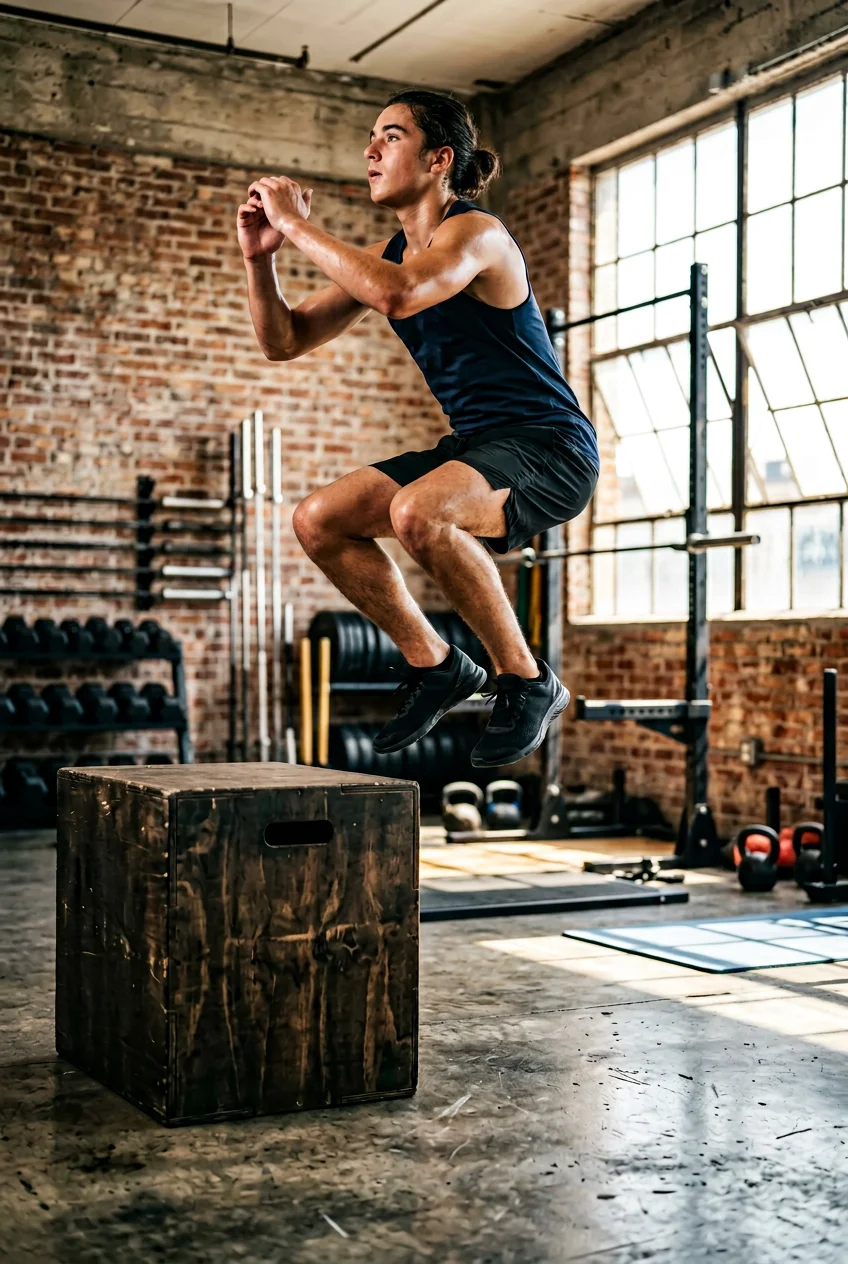
What’s Inside
- Prioritize Proper Form Over Heavy Weights in Workouts For Teens
- Build Real-World Strength With Functional Training
- Hydrate Properly With A Durable Reusable Bottle
- Fuel Your Body With Adequate Protein Sources
- Incorporate Active Recovery Days Into Your Routine
- Prioritize Sleep For Optimal Muscle Growth
- Never Skip Your Warm-Ups And Cool-Downs
- Vary Your Workouts To Prevent Plateaus
- Invest In Quality Athletic Shoes For Safety
- Track Your Progress To Stay Motivated
- Focus On Compound Exercises In Workouts For Teens
- Don’t Overdo It And Keep Fitness Fun
Last Tuesday at Target, I saw a 14-year-old kid trying to curl a 40-pound dumbbell in the sporting goods aisle. His back arched like a scared cat, his face turned purple, and he almost dropped the iron on his toes. That reminded me of my own disastrous start in fitness. I spent my freshman year doing exactly that. Finding safe, effective workouts for teens isn’t about lifting the heaviest weight in the room. It’s about building a physical foundation that won’t leave you with a blown-out shoulder by age twenty. Most beginner programs are just watered-down adult routines, and that doesn’t work. Active teens need specific rest, fuel, and movement patterns that support a growing frame. Let’s look at the steps, gear, and habits you need to build real strength without wrecking your joints. I’ve made every mistake in the book so you don’t have to.
1. Prioritize Proper Form Over Heavy Weights in Workouts For Teens

Before you look at a heavy barbell, you need to master how your body moves through space. The experts at Dabbs Fitness get this right when they say technique is crucial for younger athletes. Choose lighter weights and prioritize controlled movements. I learned that the hard way. I spent three months doing half-rep squats with 135 pounds because I wanted to look cool. My knees ached, and my lower back felt like stiff cardboard. I finally swallowed my pride, stripped the bar empty, and relearned the movement. Start with simple bodyweight exercises like squats, push-ups, and lunges. Aim for 2-3 sets of 8-12 repetitions. Ensure every rep is smooth. If your knees wobble, the set is over. To practice at home, go to Home Depot and buy a 5-foot piece of 1-inch PVC pipe for $4.50. You can use it as a substitute barbell to practice hip hinges and overhead presses in the mirror. It weighs almost nothing, which forces you to focus on your posture instead of fighting gravity. If you can’t do a perfect squat with a piece of plastic, you aren’t ready for iron.
2. Build Real-World Strength With Functional Training

Functional training focuses on movements that mimic the heavy lifting you do in daily life. This is a big trend for a reason. Studies show it improves flexibility, stability, and strength in early teens. Instead of sitting on a padded gym machine, move weight through open space. Think about hauling heavy grocery bags from Costco or hoisting a backpack over your shoulder. To train for this, add medicine ball throws and kettlebell swings to your routine 2-3 times a week. I use the Yes4All Vinyl Coated Kettlebell. A 15-pound bell costs $29.99 on Amazon. The vinyl coating keeps it from scratching your garage floor. The rough cast-iron handle gives you a solid grip when your hands get sweaty. I also use the Power Systems Premium Medicine Ball, which runs about $45.00 for the 10-pound version. Tossing it against an exterior brick wall builds explosive core strength that helps with field sports. The thick rubber smells like a tire shop, but it bounces predictably every time. Don’t waste time isolating tiny muscles when you can train your entire body to work as one unit.
3. Hydrate Properly With A Durable Reusable Bottle

Active teens need plenty of water to keep muscles functioning. If you’re 14 to 18, aim for 61 to 88 fluid ounces daily. That’s about 7.5 to 11 cups. Drink even more on training days. Drink 16 to 24 ounces a few hours before you train, at least 4 ounces every 15 minutes during exercise, and 16 to 24 ounces for every pound lost post-workout. I used to carry flimsy plastic water bottles. Last summer, I dropped a cheap gas station bottle in the Walmart parking lot. The plastic shattered against the asphalt and soaked my sneakers. I bought a 32-ounce Hydro Flask Wide Mouth bottle for $44.95. The double-wall insulation keeps ice frozen for 24 hours. The metallic clink of ice cubes during a workout is refreshing. Trust me. The powder coating gives it enough grip that it won’t slip out of chalky hands. You don’t need fancy electrolyte powder if you drink enough plain water. Keep your bottle on your desk at school and drain it twice before the final bell.

NICEPEOPLE Adjustable Weight Bench for Home Gym
NICEPEOPLE Adjustable Weight Bench for Home Gym punches above its price — 33 buyers rated it 4.5 stars. I would buy it again.
4. Fuel Your Body With Adequate Protein Sources

Protein is the building block for muscle repair. Teens aged 13 to 18 usually need 1.2 to 1.4 grams of protein per kilogram of body weight daily. If you weigh 150 pounds, target 82 to 95 grams of protein every day. You don’t need expensive powders or chalky bars. Whole foods work better and keep you full. I buy Fage 2% Plain Greek Yogurt at Kroger for $6.49 a tub. A single cup provides 23 grams of protein. I mix it with frozen blueberries and honey. Skip the fat-free stuff. It tastes like wet cardboard and leaves you hungry. For dinner, a 3-ounce serving of chicken breast delivers 24 grams, while 3 ounces of salmon gets you 21 grams. A common mistake is eating a bowl of pasta before a workout and forgetting the protein. I did this during my sophomore year track season and felt sluggish. Your muscles can’t rebuild without the raw materials. Add a handful of almonds or a hard-boiled egg to your afternoon snack to bump up your total. You might also like: 10 Gym Poses For Men You Need to See
5. Incorporate Active Recovery Days Into Your Routine

Rest days shouldn’t mean rotting on the sofa for twelve hours. Active recovery helps flush out lactic acid and reduces that stiff, sore feeling you get after a leg workout. Dedicate 1-2 days a week to light movement. This could be a 30-minute walk, a slow bike ride, or a gentle stretching session. I keep a Gaiam Premium 6mm Yoga Mat in my living room. It costs $29.98 at Target. The 6mm thickness provides enough cushion so my knees don’t bruise on the hardwood. The sticky PVC surface keeps my hands from sliding during downward dog. I used to sit in a desk chair all weekend playing games. By Monday, my hamstrings felt like guitar strings pulled too tight. Moving at 30 percent effort pushes oxygen-rich blood into damaged muscle tissues, speeding up repair. Take your dog for a long walk or do mobility drills in front of the TV. Just don’t sit completely still. You might also like: 9 Aesthetic Fitness Gym for Every Budget
6. Prioritize Sleep For Optimal Muscle Growth

You build muscle in your bed, not in the gym. The UPSWING Foundation notes that growing athletes require eight to 10 hours of quality sleep, but most teens average barely seven. Research shows athletes sleeping fewer than 8 hours have a 1.7 times higher injury risk. They also suffer from slower recovery times. I spent my early teens staying up until 2 AM staring at a screen. I wondered why I felt weak during my afternoon workouts. The blue light from your phone suppresses melatonin, making it impossible to get deep sleep. I bought an Alaska Bear Silk Sleep Mask for $9.99 on Amazon. The silk fabric blocks out streetlights without pressing too hard on my eyelids. It looks ridiculous, but it fixed my schedule. Your body releases most of its human growth hormone during deep sleep. If you cut your night short, you rob yourself of the hormones you need to get stronger. Put your phone in another room at 9 PM and turn off the lights. You might also like: 15 Creative Workout Motivation Tips You Haven’t Thought Of
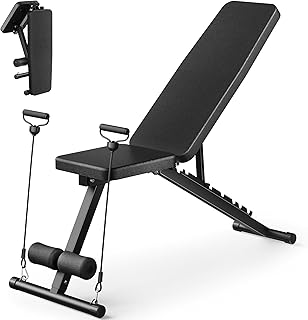
Adjustable Weight Bench for Home Gym
Adjustable Weight Bench for Home Gym has been one of the most consistently praised picks in this category. 551 reviewers averaged 4.5/5.
7. Never Skip Your Warm-Ups And Cool-Downs

Skipping your warm-up is a ticket to a pulled muscle. Before each workout, perform a 5-10 minute dynamic warm-up. You need to increase your heart rate and warm up your muscle fibers. Jumping jacks, arm circles, and walking lunges work perfectly. After your workout, add a cool-down phase with 5-10 minutes of light cardio and static stretches. Hold each stretch for 20-30 seconds. I learned this the hard way. I once tried to sprint cold on a chilly November morning and instantly pulled my hamstring. The pain kept me on crutches for a week. Now, I use SKLZ Mini Resistance Bands for my warm-ups. A three-pack costs $14.99 at Dick’s Sporting Goods. I loop the yellow band around my ankles and do side steps for three minutes. The tension forces my glutes to fire up before I lift. Taking ten minutes to prepare your joints saves you months of physical therapy later. Don’t rush to the heavy weights just because you’re impatient.
8. Vary Your Workouts To Prevent Plateaus

Doing the same routine every day leads to boredom and overuse injuries. You can’t kill the same muscle group five days a week. You need a mix of aerobic activity, strength training, and flexibility work. If you only lift, your heart health suffers. If you only run, you lose out on bone density. I break up my strength days with cardio intervals. I use a WOD Nation Speed Jump Rope, which costs $17.99 online. The steel cable cuts through the air fast, making a whistling sound. The sting of the cable hitting your calf when you miss provides immediate feedback to fix your timing. Jumping rope for ten minutes burns calories and builds calf strength. I also mix in swimming or basketball on the weekends. Your body adapts quickly to stress. By changing the stimulus, you force your nervous system to keep growing. Keep a rotation of three different workout styles to keep your mind engaged.
9. Invest In Quality Athletic Shoes For Safety

Proper footwear prevents injuries from the ground up. You can’t do heavy squats in squishy running shoes, and you can’t run three miles in flat canvas sneakers. You need shoes that offer support for your specific activity. Brands like Nike, Adidas, Brooks, and New Balance offer options priced between $70 and $150. Replace them every 300-500 miles or every 6-12 months. I wear the Brooks Ghost 15 for my cardio days. They cost $139.95 at my local shop. The foam midsole absorbs the harsh impact of concrete, saving my shins from splints. When a shoe dies, you can feel it. The foam compresses and feels dead under your heels. If you can’t afford a new pair, buy Dr. Scholl’s Athletic Series Sport Insoles for $14.99 at Walgreens. Sliding them into your older sneakers provides a temporary boost. Don’t ignore foot pain. A bad pair of shoes will ruin your knees and lower back over time.

YOLEO Adjustable Weight Bench for Home Gym
Honestly, YOLEO Adjustable Weight Bench for Home Gym surprised me — sturdier than it looks in the photos, and over 46 buyers gave it 4.5 stars.
10. Track Your Progress To Stay Motivated

If you don’t write down your workouts, you’re just guessing. Keeping a log helps you understand your progress and stay consistent. Record your sets, reps, and the exact weight. Seeing improvements on paper is a psychological motivator. You can use a fitness tracker if you have the budget. The Fitbit Charge 6 runs about $159.95, while an Apple Watch SE starts around $249.00. These track your heart rate and rest intervals automatically. However, you don’t need expensive tech. I prefer analog. I buy a basic Mead spiral notebook for $2.99 at Walmart. I draw a grid with a pen and write down every set. I used to keep my numbers in my head. I’d walk into the gym, forget what I lifted the previous week, and do the same weight for months. That is a plateau. Use the free app StrengthLog if you prefer your phone, but record the data before you leave.
11. Focus On Compound Exercises In Workouts For Teens

Compound exercises work multiple muscle groups and joints at once. These movements build functional strength and coordination better than isolating a single muscle. Incorporate squats, deadlifts, bench presses, overhead presses, and bent-over rows 2-3 times per week. When I first started, I spent 45 minutes doing bicep curls. I had zero core strength and terrible posture. Once I switched to heavy compound lifts, my body changed. To help learn pull-ups, I’ve used the Rogue Echo Resistance Bands. The green band offers 65 pounds of resistance and costs $17.50. You loop it over the bar and step your foot into the loop. The heavy rubber propels you upward, letting you practice the full range of motion. Compound movements demand a lot of energy, so put them at the beginning of your workout when your nervous system is fresh. Never attempt a heavy deadlift at the end of a tiring session.
12. Don’t Overdo It And Keep Fitness Fun

The biggest trap for beginners is thinking that more is always better. Exercising too much leads to injury, a suppressed immune system, and terrible sleep. The Hospital for Special Surgery advises that strength training should be limited to 2 to 3 times per week on nonconsecutive days. This avoids overloading a growing body. Ensure you have at least one full rest day per week where you do absolutely nothing strenuous. Plus, exercise doesn’t have to feel like a punishment. Finding enjoyable activities leads to a lifelong habit. I highly recommend taking your workouts outside. I bought a Spikeball Standard Set for $69.00. Setting up the net in the park with friends provides an hour of sprinting, diving, and agility work. It feels like a game, but your lungs will burn. I also grab cheap orange plastic cones from Dollar Tree for $1.25 each to set up agility drills on the grass. Try martial arts, rock climbing, or mountain biking. Build a broad athletic foundation now, and your body will thank you. No exaggeration.
Building a solid fitness routine doesn’t happen overnight, and you won’t see results by rushing. If you follow these principles, focus on your form, and eat enough protein, you’ll outpace everyone still doing endless bicep curls. Pin this guide or save it to your phone so you can reference these steps the next time you hit the gym.
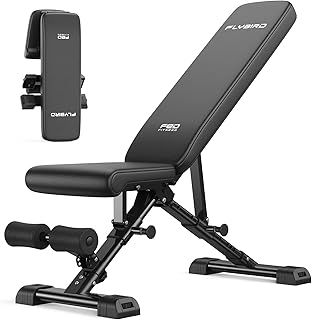
FLYBIRD WB5 Weight Bench
Honestly, FLYBIRD WB5 Weight Bench surprised me — sturdier than it looks in the photos, and over 259 buyers gave it 4.5 stars.
Frequently Asked Questions
How many days a week should a teen work out?
Teens should limit strength training to 2 to 3 times per week on nonconsecutive days. This prevents overtraining and allows growing muscles enough time to recover and rebuild effectively.
What are the best workouts for teens just starting out?
Beginners should focus on bodyweight compound movements like squats, push-ups, and lunges. Perfecting form on these functional exercises builds a safe foundation before adding external weights like dumbbells or barbells.
How much protein does an active teen need?
Active teens typically need 1.2 to 1.4 grams of protein per kilogram of body weight. For a 150-pound teen, this means aiming for 82 to 95 grams daily from whole food sources like chicken and Greek yogurt.
Why is sleep important for teen fitness?
Sleep is when the body repairs muscle tissue and releases growth hormones. Teens need 8 to 10 hours a night; getting less than 8 hours significantly increases injury risk and slows down recovery.
