
What’s Inside
- The 60-Minute HIIT Reality Check for Your 1000 Calorie Workout
- Brutal Incline Treadmill Strategies for a 1000 Calorie Workout
- Pre-Workout Fuel That Actually Works
- Mid-Workout Hydration and Electrolyte Dumping
- Wearable Tech to Track Your 1000 Calorie Workout
- Accelerated Cardio Training Between Sets
- Diaphragmatic Breathing When You’re Dying
- The Mandatory Warm-Up and Cool-Down Protocol
- Post-Workout Protein to Stop Muscle Breakdown
- Ice Baths and Active Recovery for Survival
Last Tuesday at the local YMCA, I found myself lying face-down on a sweat-soaked rubber mat, gasping for air like a fish on dry land. I’d been at it for 45 minutes, trying to hit a 1000-calorie workout, and my body had completely shut down. The fluorescent lights above me flickered aggressively while the sharp, metallic smell of stale chalk and bleach filled my nose. My vision literally blurred at the edges. I tried this wrong for months before figuring it out—learned that the hard way. You can’t just run on a treadmill until you drop. A real 1000-calorie workout requires a strategic, high-intensity approach combined with smart recovery and nutrition. Most guys just chug a red energy drink and pray. That doesn’t work. You end up hitting a wall, cramping up, and quitting halfway through. I’m going to break down exactly how to pull this off without destroying your central nervous system. We’re talking about precise interval timing, the exact electrolyte ratios you need to survive, and the recovery protocols that’ll stop you from walking like a zombie the next day. Let’s get into the gritty details of how to actually survive this massive physical undertaking.
1. The 60-Minute HIIT Reality Check for Your 1000 Calorie Workout

I remember trying to burn a thousand calories just by jogging on a flat track. Three hours later, my knees felt like crushed glass, and I was completely miserable. Skip the endless, boring jogging. To maximize calorie burn in a shorter timeframe, you need High-Intensity Interval Training. A well-structured 60-minute HIIT workout can help you approach that massive target efficiently. I’m talking about a 50-minute full-body session with 45 seconds of absolute maximum effort followed by just 15 seconds of rest. It’s incredibly brutal. Last month at Target, I bought a basic digital kitchen timer for $9.99 because relying on my phone screen while dripping sweat was a disaster. The black plastic shell of the timer cracked when I dropped it, but it still beeps loud enough to hear over the loud gym speakers. The plastic buttons get slippery, but it keeps me honest. You need to train in the right heart rate zones to survive this. Aim for Zone 4, which is 80 to 90 percent of your maximum heart rate, for those high-intensity intervals. While Zone 5 burns calories rapidly, it’s very demanding. I pushed into Zone 5 for too long once and got dizzy enough to stumble into a squat rack. Don’t do that. Keep it in Zone 4. You’ll actually stick to the routine if you aren’t passing out. The sharp burning sensation in your quads during those 45-second intervals is exactly what you want. It means the system is working perfectly.
2. Brutal Incline Treadmill Strategies for a 1000 Calorie Workout

If you absolutely hate doing burpees and box jumps, you can optimize cardio with strategic duration and intensity on the treadmill. A 70 kg individual might need to run for 90 to 100 minutes at a challenging pace to hit the goal. That sounds completely miserable to me. Instead, incorporate incline training on cardio equipment. Increase the incline to significantly boost calorie burn without necessarily increasing your running speed. I do a varied incline routine with 3-minute intervals at a steep 15 percent incline, interspersed with flat jogging for recovery. Last Friday, I was doing this at my local gym. I set the speed to 3.5 miles per hour. It doesn’t sound fast, but at a 15 percent incline, it feels like climbing a vertical wall of mud. The rubber belt of the treadmill was squeaking loudly under my heavy footsteps. I was pouring sweat. I made the mistake of looking down at my feet, lost my balance, and nearly flew off the back of the machine. Keep your eyes up. To keep my legs from cramping during this miserable hour, I rely on Nuun Sport effervescent tablets. I buy the 10-tablet tubes for $7.99 at Whole Foods. I drop one into 16 ounces of cold water. It fizzes up aggressively and tastes slightly salty, like watered-down lime juice. It’s not sweet, but it saves my calves from locking up at the 40-minute mark. You won’t survive the steep incline without proper sodium intake.
3. Pre-Workout Fuel That Actually Works

Before a demanding session of this magnitude, a quality pre-workout can significantly enhance your physical performance. Skip the fat-free, all-natural stuff. It tastes like wet cardboard and does absolutely nothing. You need actual chemical support to push your body this hard. I personally swear by Transparent Labs Bulk Pre-Workout. It costs $54.99 for 30 servings. I grabbed my last tub from the supplement aisle at Walmart. You want to look for specific, clinically dosed ingredients. This stuff has 8g of L-citrulline malate for massive muscle pumps and 4g of Beta-Alanine to combat deep muscle fatigue. It also packs a solid 200mg of caffeine. I mix one scoop with 8 ounces of tap water about 20 minutes before I start. I use a generic plastic shaker bottle with a wire whisk ball. The powder clumps up if you don’t shake it violently for at least twenty seconds. The blue raspberry flavor is intensely sour. It makes my jaw tingle instantly. Ten minutes later, my ears start itching from the Beta-Alanine. That’s the signal to go. I used to just drink a black coffee before heavy sessions. That was a huge mistake. Coffee is too acidic and sloshes around in your stomach. During a set of heavy barbell thrusters, that acidic coffee came right back up my throat—no exaggeration. It was incredibly disgusting. You need a formulated powder that digests quickly. The sharp focus from the L-citrulline malate keeps me locked in when my brain is screaming at me to stop moving. You might also like: 20 Gorgeous Easy Home Workout Ideas That Actually Work
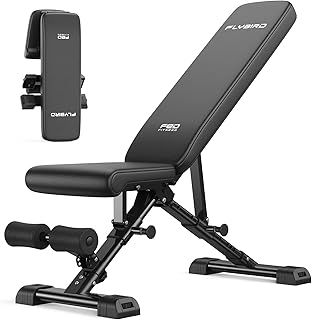
FLYBIRD WB5 Weight Bench
A dependable everyday pick — FLYBIRD WB5 Weight Bench pulls in 259 ratings at 4.5 stars. Not flashy, just solid.
4. Mid-Workout Hydration and Electrolyte Dumping

Intense, prolonged exercise leads to significant electrolyte loss. You’re going to sweat out absolute buckets of salt during this hour. You need to prioritize electrolyte replenishment during and after your session. Plain water isn’t enough. I learned this the hard way last summer. I once tried to power through a massive circuit with just a gallon jug of tap water. By minute 45, I had a splitting headache and my eyelids were physically twitching. Now, I exclusively use LMNT Recharge. It costs $40 for 30 packets. I usually order it online, but I’ve seen similar high-sodium options at Sprouts. Each packet has 1000mg of sodium, 200mg of potassium, and 60mg of magnesium. Zero sugar. I rip open the small foil packet with my teeth because my hands are too sweaty to grip it. The powder puffs up into the air and makes me sneeze. I mix the citrus salt flavor into 32 ounces of ice water. It tastes exactly like drinking a salty margarita without the fun parts. The grit of the undissolved salt at the bottom of the shaker bottle is harsh, but it works instantly. Beyond electrolyte drinks, consistent plain water intake is vital. Aim for at least 3 to 4 liters of water throughout the day. Dehydration will completely impair your performance and ruin your recovery. Keep a massive water bottle next to your squat rack and force yourself to sip between every single set. You might also like: 15 Beautiful Photoshoot Home Workout Ideas to Steal Right Now
5. Wearable Tech to Track Your 1000 Calorie Workout

You can’t guess your calorie burn. You just can’t. Relying on the generic readout on the treadmill dashboard is a massive mistake. Use wearable technology for precise tracking. It’s a massive trend for 2026 for a very good reason. You need real, actionable data. I use the Garmin Forerunner 965. It costs $599.99. I bought mine at Target last winter. The sticky silicone strap gets gross when I sweat heavily, but the data is completely flawless. The bright AMOLED screen cuts through the harsh gym lighting, showing my exact heart rate graph in bright red bars. It monitors heart rate zones, estimated calorie burn, and crucial recovery metrics. Real-time feedback helps you maintain the intensity needed to hit your target. If I look down and see my heart rate dropping to 120 beats per minute, I know I’m slacking off. I also tested the Apple Watch Ultra 2, which runs about $799.00. The heavy titanium case is awful during burpees. It literally bruised the back of my hand during explosive pushups. I prefer the lighter Garmin for intense sessions. Whichever you choose, you need it. Trying to calculate this stuff in your head while gasping for air is physically impossible. Wearables tell you exactly when to push and when to back off. Just make sure you wipe the sweat off the optical sensor on the back of the watch, or it completely loses your pulse right when you need it most. You might also like: 20 Beautiful Home Gym Setup Ideas That Changed Everything
6. Accelerated Cardio Training Between Sets

Here is a brutal trick that most trainers won’t tell you. Implement accelerated cardio training for a massively boosted burn. Immediately after completing a set of heavy strength training, perform 1 minute of high-intensity cardio without resting. I’m talking about grabbing a jump rope right after your heavy back squats. I bought a cheap, plastic-handled jump rope at Kroger for $12.99. The plastic handles are hollow and sound incredibly cheap when they click together, but the thin cable whips extremely fast. The repetitive slapping sound of the cable hitting the rubber gym floor becomes hypnotic. I do 10 heavy squats, then immediately jump rope for 60 seconds. The burning in my lungs is intense. This keeps your heart rate elevated and significantly increases overall calorie expenditure. Consider micro-workouts as a complementary strategy too. These 5 to 15 minute high-intensity bursts throughout the day can be highly effective. If I can’t fit a massive 90-minute session in, I do these micro-bursts instead. I’ll drop and do 100 mountain climbers on the rough carpet in my living room. The friction literally burns my elbows, but it spikes my heart rate instantly. These exercise snacks boost your metabolism for hours afterward. You don’t always need to do it all at once. Break it up with these accelerated bursts and you’ll easily hit the numbers.

Amazon Basics Adjustable Workout Weight Bench Press
Amazon Basics Adjustable Workout Weight Bench Press punches above its price — 193 buyers rated it 4.5 stars. I would buy it again.
7. Diaphragmatic Breathing When You’re Dying

Most people get this completely wrong. When the workout gets incredibly hard, they take shallow, panicked breaths into their upper chest. That’s exactly how you gas out and fail the session. You need to master diaphragmatic breathing for enhanced oxygenation. Practice inhaling deeply through your nose, allowing your abdomen to expand fully while keeping your chest relatively still. Then exhale slowly through your mouth. This specific technique maximizes oxygen intake and massively improves stamina during long sessions. I practiced this lying flat on my back on a Manduka Pro yoga mat. It costs $138.00. I bought it on a whim at a specialty sports shop, but I’ve seen similar dense mats at Trader Joe’s during their seasonal fitness sales for around $29.99. The thick, rubbery texture of the mat pressing against my spine helps me physically focus on expanding my belly. I close my eyes and focus entirely on the cold air rushing into my nostrils and the hot air pushing out through my lips. I used to hold my breath during heavy deadlifts. I’d turn purple and nearly black out on the platform. That was stupid—took me years to figure out. Now, I force myself to belly-breathe during the 15-second rest periods of my HIIT circuits. It sounds like a loud, whistling wind coming through my teeth, but it literally drops my heart rate by 10 beats per minute in seconds. It keeps me in the fight.
8. The Mandatory Warm-Up and Cool-Down Protocol

Avoid the common mistake of neglecting your warm-up and cool-down. Skipping this is a critical mistake that massively increases your injury risk and ruins your performance. You can’t just walk into the gym cold and start sprinting. I tore a hamstring three years ago doing exactly that. I heard a loud pop, felt a searing pain in the back of my leg, and couldn’t walk right for an entire month. Never again. Dedicate 10 to 15 minutes to dynamic warm-ups before your main workout. Leg swings, arm circles, high knees. Get the synovial fluid moving in your joints. Afterward, you need 10 to 15 minutes of active recovery or static stretching. I hold a deep runner’s lunge for 60 seconds on each side, feeling the tight muscle fibers slowly physically yield. This flushes metabolic byproducts out of your muscles. I use a high-density foam roller from Walmart. It cost me $14.96. The stiff black foam is totally unforgiving. Rolling out my IT bands feels like someone is violently grinding a wooden rolling pin into my outer thigh. It hurts so much I usually clench my jaw, but it works perfectly. It breaks up the tight fascia and stops me from walking like a zombie the next day. Do not skip this. Your joints will thank you when you’re trying to get out of bed tomorrow morning.
9. Post-Workout Protein to Stop Muscle Breakdown

Burning a thousand calories means you’re tearing muscle fibers to absolute shreds. You must optimize recovery with high-quality protein immediately. Post-workout, consume 20 to 30 grams of protein within 30 to 60 minutes to aid muscle repair. If you wait too long, you’re just starving your damaged muscles. I rely heavily on Dymatize ISO100 Whey Protein Isolate. It runs about $34.99 for a 1.6-pound tub. I grab it from the massive nutrition aisle at Costco. It delivers 25g of protein and 5.5g of BCAAs per serving with under 120 calories. The Gourmet Chocolate flavor smells exactly like rich brownie batter when you peel back the foil seal. I mix one scoop with 10 ounces of cold almond milk. It shakes up perfectly smooth, with absolutely no chalky lumps at the bottom. I chug the entire 10 ounces in about four seconds flat, wiping the brown liquid off my chin with the back of my hand. If you want a cleaner option, Transparent Labs Grass-Fed Whey Protein Isolate is great. It costs $64.99 for 2 pounds and offers 28g of protein per serving without any artificial sweeteners. I made the mistake of drinking a heavy, milk-based mass gainer right after a massive cardio session once. It sat in my stomach like a wet brick and made me incredibly nauseous for hours. Stick to a fast-digesting isolate. It absorbs quickly and stops the muscle breakdown dead in its tracks.

FitinOne Adjustable Folding Weight Bench for Home Gym
Honestly, FitinOne Adjustable Folding Weight Bench for Home Gym surprised me — sturdier than it looks in the photos, and over 774 buyers gave it 4.5 stars.
10. Ice Baths and Active Recovery for Survival

The day after a massive session, you’re going to feel like you got hit by a cement truck. You need to incorporate cold therapy for faster recovery. Immerse yourself in a cold plunge or an ice bath at 50 to 59 degrees Fahrenheit for 5 to 10 minutes post-workout. I use a cheap plastic stock tank I bought at a farm supply store, but you can just use your standard bathtub. I dump three 10-pound bags of ice directly into the water. The shock of the freezing water hitting my bare chest takes my breath away instantly. I sit perfectly still in the freezing water, gripping the plastic edges of the tub so hard my knuckles turn white. My skin turns bright red and goes completely numb after two minutes. It’s pure misery, but it reduces muscle soreness and decreases inflammation better than anything else on the planet. You also need to utilize active recovery on your rest days. Instead of sitting on the couch eating chips, engage in low-intensity active recovery. I do a 30-minute restorative yoga session using the Peloton App. It costs $12.99 a month. The calm voice of the instructor and the slow, deep stretches help physically clear lactic acid from my legs. I used to just sit still on my days off. That made the stiffness ten times worse. Moving gently increases blood flow and gets you ready for the next brutal round.
Hitting that massive four-digit calorie burn isn’t for the faint of heart. It takes serious planning, the exact right fuel, and a stubborn refusal to quit when your lungs are burning. I’ve failed more times than I can count, but dialing in these exact strategies changed everything for me. You don’t need to be an elite athlete to pull this off, but you do need to be incredibly smart about your gear, your hydration, and your recovery protocols. Try adding just one or two of these specific tactics to your next heavy session. Pin this guide, save it to your phone, and pull it up the next time you’re staring at the treadmill dreading the next hour. You’ve got this.
Frequently Asked Questions
How long does a 1000 calorie workout take?
Depending on your intensity and body weight, it typically takes 60 to 90 minutes. High-intensity interval training (HIIT) can get you there faster, while steady-state cardio like incline walking or cycling might push closer to the 90-minute mark.
Is doing a 1000 calorie workout safe every day?
No, attempting this daily will fry your central nervous system. I recommend limiting these massive sessions to one or two times a week. Your body needs adequate rest, protein, and active recovery days to repair torn muscle fibers.
What should I eat before a 1000 calorie workout?
You need fast-digesting carbs and a solid pre-workout powder. I’d suggest a banana or plain oatmeal about an hour before, followed by a pre-workout drink with L-citrulline and caffeine 20 minutes prior to starting.
Do I need wearable tech to track my calorie burn?
Yes, guessing your calorie expenditure is a huge mistake. You’re going to want a reliable fitness tracker like a Garmin or Apple Watch to monitor your heart rate zones and ensure you’re actually hitting the numbers.
