What’s Inside
- Prioritize Strategic Pre-Workout Hydration
- Prep Your Gear the Night Before
- The Dynamic Warm-Up for Your Morning Workout Routine
- Fuel Up with Fast-Digesting Carbs
- Master the 20-Minute Kettlebell Circuit
- Optimize Your Morning Workout Routine with Proper Footwear
- Use Caffeine Strategically
- Introduce Resistance Bands for Joint-Friendly Volume
- Track Your Sets with a Physical Notebook
- Incorporate Core Stability at the End
- Post-Workout Protein Timing and Sourcing
Last Tuesday at 5:30 AM, I was staring at my ceiling. I had one sock on and was failing to start my morning workout. I spent twenty minutes hunting for my left shoe in a pile of laundry that smelled like damp dog and stale sweat. By the time I found it, I was so frustrated I gave up, threw the shoe in the closet, and went back to sleep. Building a consistent habit isn’t about superhuman willpower or dawn-patrol motivational videos. It’s about removing friction and knowing exactly what to do when your brain is half-asleep. Most people fail because they rely on motivation instead of preparation. When your alarm blares in the pitch black, your default setting is comfort. If you have to make a choice, you’ll pick the bed. Let’s fix the mistakes most people make before the sun even comes up. I spent years getting this wrong, dragging myself to the gym feeling weak, dehydrated, and miserable. I finally figured out a system that works. Trust me. Here are the exact steps, gear, and strategies I use to make early training automatic.
1. Prioritize Strategic Pre-Workout Hydration

Most people wake up, take a sip from the bathroom sink, and try to squat heavy. I did this for months. I’d feel lightheaded by my third set of lunges, my mouth tasted like pennies, and I blamed it on lack of sleep. The truth is you dehydrate overnight. You breathe out moisture and you sweat. You need 16 to 20 oz of water about one to two hours before you start. Since waking up two hours early just to drink water is ridiculous, I chug 16 oz the second my alarm goes off. Then, I follow it with another 8 oz about 20 to 30 minutes before I start exercising. This keeps my fluids balanced. For intense sessions, plain water won’t cut it. I buy the 30-pack of Liquid I.V. Lemon Lime hydration multipliers for $24.99 at Costco. I mix half a packet into my pre-workout water. The salty, tart flavor cuts through morning dry mouth instantly. Don’t chug 32 ounces right as you step onto the treadmill. I did that last year and spent twenty minutes feeling the cold water slosh around in my stomach like a washing machine. Sip steadily on the drive to the gym. If you’re sweating in a hot garage gym, those electrolytes prevent the mid-workout crash that ruins your pacing and leaves you feeling weak.
2. Prep Your Gear the Night Before

Making decisions at 5:00 AM is a guaranteed way to fail. If you have to choose a shirt or hunt for your headphones, you’re going to crawl back under the blankets. I bought a cheap, dark grey Goodfellow canvas duffel bag for $35.00 at Target to solve this. Every night at 9:00 PM, I pack it. I put my black gym shorts, a clean cotton t-shirt, ankle socks, and a rough cotton towel inside. I leave the bag by the bathroom sink. When my alarm goes off, I walk to the bathroom, step on the freezing tile, and my clothes are staring at me. Zero friction. I used to leave my clothes in the bedroom, but fumbling in the dark trying not to wake my wife always ended with mismatched socks or giving up. You also need to charge your electronics. I plug my Apple AirPods Pro ($249.00 at Walmart) into the charger on my nightstand. The worst feeling is getting to the gym, smelling the stale rubber mats, and hearing the sad, low battery chime. Take five minutes the night before to prep. It makes the morning routine automatic. You just wake up and follow the breadcrumbs you left for yourself.
3. The Dynamic Warm-Up for Your Morning Workout Routine

Your joints are stiff in the morning. The synovial fluid hasn’t circulated and your muscles are cold. Walking into the gym and throwing a cold steel barbell on your back is a terrible idea. I spent my early twenties doing static stretches, pulling my cold hamstrings until they burned, and wondering why my knees clicked during squats. You need a dynamic warm-up to heat up the tissue. I start every morning with five minutes of continuous movement. I use a Rogue Fitness Monster Band (the red 41-inch one, $16.50). I wrap it around a squat rack and do 15 banded pull-aparts. The heavy rubber tension wakes up my upper back and shoulders. Then, I do 20 bodyweight walking lunges across the turf. You want your breathing rate to increase. Your skin should feel warm and damp. I usually hear pops in my ankles during the first few lunges. That’s normal. The goal is to lubricate the joints, not stretch them into oblivion. If you skip this, your first two sets will feel heavy, stiff, and uncoordinated. Your central nervous system needs the primer. I keep my red band in my gym bag so I never have an excuse to skip it. It takes five minutes and prevents weeks of nagging shoulder pain. You might also like: 20 Charming Black Garage Home Gym Setup Ideas Worth Trying This Year

NICEPEOPLE Adjustable Weight Bench for Home Gym
If you want something that just works, NICEPEOPLE Adjustable Weight Bench for Home Gym is a safe bet (33 reviews, 4.5 stars).
4. Fuel Up with Fast-Digesting Carbs

Fasted cardio works for some, but fasted heavy lifting is a disaster. If I try to do heavy deadlifts on an empty stomach, I get dizzy, my vision blurs, and my grip strength vanishes by the second set. But eating a massive breakfast of eggs and greasy bacon at 5:30 AM will make you nauseous. You need fast-digesting carbohydrates your body can turn into glucose. My current strategy relies on Trader Joe’s organic bananas. They cost $0.25 each. I eat one 30 minutes before I train. The texture is soft, it goes down easy, and it doesn’t sit heavy like oats. If I need more fuel for a long leg day, I grab a Chocolate Sea Salt RXBAR for $2.49 at Kroger. They have 12 grams of protein and a chewy texture that satisfies hunger without the bloat. The dates provide a quick sugar spike. I learned this the hard way after trying to drink a massive whey protein shake before a rowing workout. The chalky liquid sat high in my throat, and I spent the session fighting heartburn. Keep your pre-workout food under 200 calories. Focus on simple carbs. Save the heavy fats and complex proteins for your post-workout meal. You might also like: 11 Gym Asthetic Picture That Actually Work
5. Master the 20-Minute Kettlebell Circuit

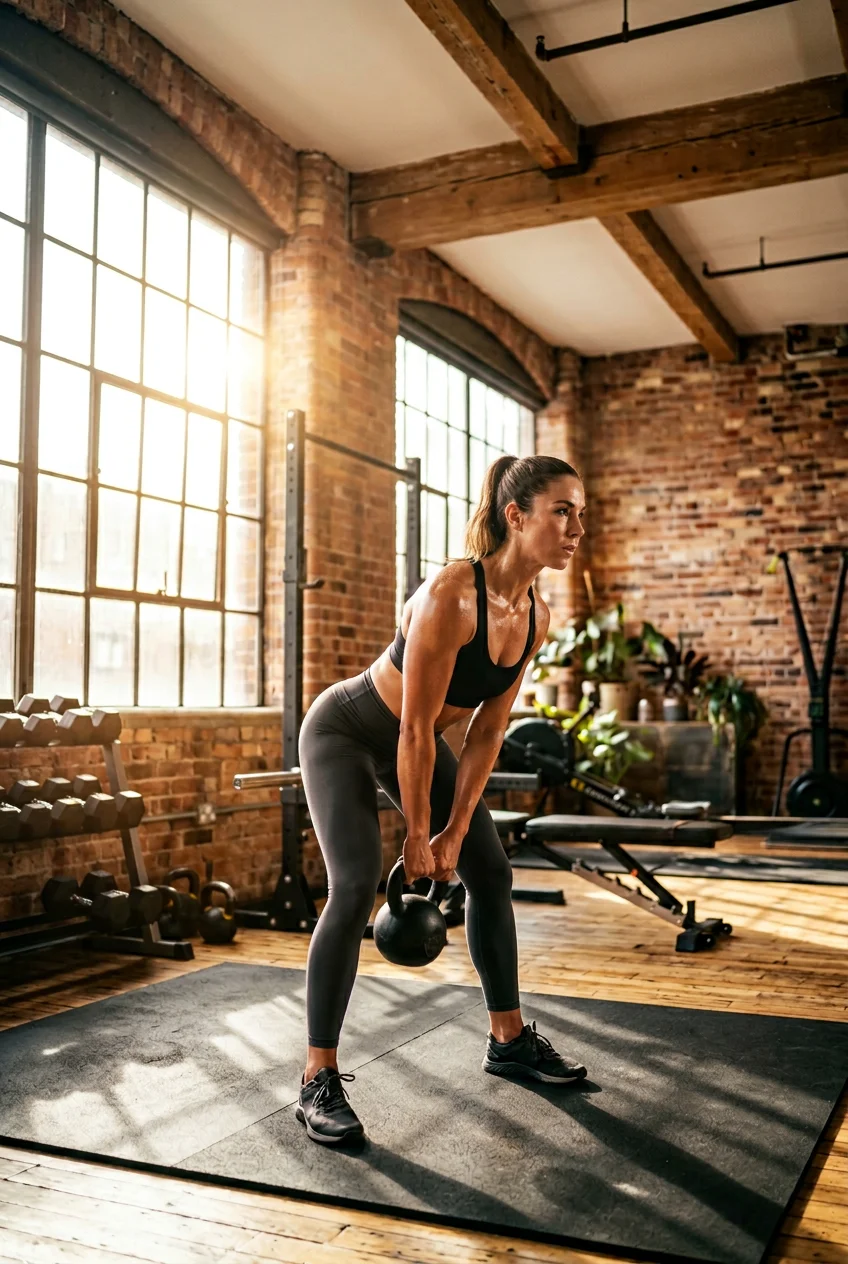
Sometimes you lack the time or energy to drive fifteen minutes to a crowded gym. You need an at-home option that doesn’t involve boring burpees on your living room rug. I own a Rep Fitness 24kg cast iron kettlebell ($79.99) and keep it in my garage. When I’m short on time, I run a brutal 20-minute circuit. I do 15 kettlebell swings, 10 goblet squats, and 5 overhead presses on each arm. I rest for 60 seconds and repeat for five rounds. The rough black powder coat on the handle tears up my calluses, but the grip is secure even when my palms are sweaty. Kettlebells are efficient because they combine cardiovascular conditioning with heavy resistance training. I used to think I needed an hour in a gym to get a decent workout. I was wrong. If you push the intensity and keep your rest periods strict, 20 minutes with a heavy bell will leave you gassed and dripping sweat. The key is a tight core and explosive hip snap on the swings. Don’t round your lower back. I tweaked my lumbar spine two years ago by getting lazy on my 50th swing. Keep your chest up, brace your stomach like you’re about to take a punch, and drive through your heels. You might also like: 15 Clever Garage Home Workout Ideas That Are Totally Worth It
6. Optimize Your Morning Workout Routine with Proper Footwear

Stop lifting heavy weights in squishy running shoes. I see this every morning. People try to squat in plush, thick-soled sneakers. I did this for years. I thought the foam was protecting my knees. In reality, the foam makes your foot unstable, causing your knees to cave inward under heavy loads. It feels like trying to lift a refrigerator while standing on a mattress. To fix your routine, you need a flat, hard sole. I wear the Nike Metcon 9 ($130.00). You can find similar cross-training shoes or basic flat Converse Chuck Taylors for $65.00 at most mall shoe stores. The Metcons have a wide toe box and a rigid plastic heel. When I unrack a heavy barbell, my feet feel glued to the rubber floor. I can feel the ground and push through my midfoot. If you’re doing agility work or box jumps, they offer enough flexibility to move quickly. Save your expensive Brooks or Hoka running shoes for the treadmill. For resistance training, you need rigid stability, not shock absorption. Changing your footwear will instantly improve your balance and help you lift more weight safely.
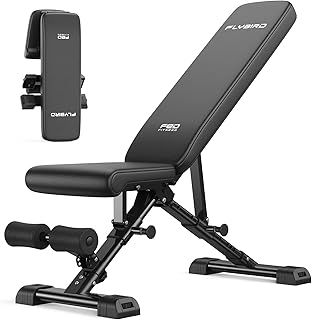
FLYBIRD WB5 Weight Bench
FLYBIRD WB5 Weight Bench has been one of the most consistently praised picks in this category. 259 reviewers averaged 4.5/5.
7. Use Caffeine Strategically

I rely on caffeine to get moving, but how you consume it matters. Chugging a sugar-loaded energy drink at 5:00 AM will give you a spike followed by a terrible crash right in the middle of your morning meetings. I prefer black coffee. I buy the Allegro Coffee Organic French Roast for $12.99 per 12 oz bag at Whole Foods. The smell of the dark, oily beans grinding is usually enough to trick my brain into waking up. I brew a 10-ounce cup, giving me roughly 120 to 150 milligrams of caffeine. I drink it black. Skip the heavy creamers and artificial syrups. They coat your mouth and make you feel sluggish when your heart rate goes up. I drink my coffee about 45 minutes before I lift. This gives the caffeine time to peak. I used to take high-stimulant pre-workout powders. They made my skin itch, made me sweat, and left me jittery by 9:00 AM. I threw out a $40 tub of blue raspberry pre-workout last month because it tasted like sour battery acid and gave me a massive headache. Stick to a clean cup of hot coffee. It provides focus without the chemical hangover.
8. Introduce Resistance Bands for Joint-Friendly Volume

Lifting heavy every morning will eventually grind your joints into dust. You need lighter volume work to pump blood into the muscles without overloading your central nervous system. I use SPRI resistance bands for this. I picked up a set with handles for $14.98 at Walmart. After I finish my heavy compound lifts, I use the bands for high-rep isolation. I’ll step on the middle of the heavy blue band and do 20 rapid-fire bicep curls, or loop it over a pull-up bar for 25 tricep pushdowns. The tension curve of a band is different from a dumbbell. It gets harder as it stretches, which forces you to squeeze the muscle at the top. The rubber handles are cheap, but they get the job done. I used to skip isolation exercises because I hated waiting for dumbbells in a crowded gym. Now, I just take my bands into an empty corner. It saves me ten minutes of standing around. Plus, the constant tension gives you an incredible pump. It’s a low-impact way to add volume to your arms and shoulders without aggravating old injuries.
9. Track Your Sets with a Physical Notebook

Your smartphone is the enemy of a fast, efficient workout. If you use your phone to track rest periods or write down weights, you will inevitably open a text or start scrolling through Instagram. I lost countless hours staring at a glowing screen on a bench press. Now, I strictly use a physical paper notebook. I buy the Moleskine Cahier journals in a 3-pack for $17.95 at Target. They have soft covers that get bent and sweaty in my gym bag, but the thick paper holds up well. I use a cheap black Bic pen to write down the date, exercise, weight, and reps. There’s something satisfying about crossing out a completed set with dark ink. It keeps me locked in. I don’t care about notifications. I don’t care about emails. I just look at the ink and know what I must lift next. If you aren’t tracking your weights, you aren’t training. You’re just exercising randomly. Progressive overload requires data. You need to know that you lifted 135 pounds for 8 reps last week so you can try for 9 today. Buy a notebook. Leave your phone in your locker.

FitinOne Adjustable Folding Weight Bench for Home Gym
Honestly, FitinOne Adjustable Folding Weight Bench for Home Gym surprised me — sturdier than it looks in the photos, and over 774 buyers gave it 4.5 stars.
10. Incorporate Core Stability at the End

Doing sit-ups at the start of your workout is a mistake. Your core is your primary stabilizer for heavy squats, deadlifts, and overhead presses. If you fatigue your abs first, your lower spine is vulnerable when you load it with heavy weight. I always save core work for the final ten minutes. I use a Rogue Abmat, which costs $34.95. It’s a firm, contoured foam pad that sits under your lower back. It provides lumbar support and allows for a full range of motion. The black vinyl cover feels cold, but it prevents the friction burns you get from doing sit-ups on a rough rubber floor. I usually do three sets of 20 Abmat sit-ups, followed by three 60-second planks. I used to hate training my core. I’d skip it because I wanted to hit the showers and get to work. I paid for that laziness with a nagging lower back ache that lasted for six months. A strong core acts like a natural weight belt. It protects your spine. I also prep my post-workout snacks the night before. I buy raw almonds from Sprouts Farmers Market ($7.99/lb) and keep a small handful in my car console.
11. Post-Workout Protein Timing and Sourcing

The anabolic window isn’t as short as old magazines claim, but getting protein in quickly helps blunt muscle breakdown and starts recovery. You don’t need to chug a shake in the locker room while you’re still sweating, but you should consume protein within an hour or two. I use Optimum Nutrition Gold Standard 100% Whey. I buy the 5-pound bag in Extreme Milk Chocolate for $79.99 at Costco. It mixes easily and doesn’t clump like cheaper brands. I put one scoop (24 grams) into a plastic shaker bottle with 8 oz of unsweetened almond milk. I buy the 365 brand almond milk for $2.49 at Whole Foods. The nutty flavor of the milk cuts the artificial sweetness of the powder perfectly. I used to mix my protein with lukewarm tap water from the gym fountain. It tasted like metallic, watery hot chocolate. It was disgusting. Taking an extra 30 seconds to use cold almond milk from my fridge makes a difference. Drink your shake, take a warm shower, and get on with your day. You’ve already accomplished more before 7:00 AM than most people will do all day.
Building a morning habit takes about three weeks of misery before it clicks. You’re going to hate the alarm clock at first. The darkness will test you. But once you lock in these steps, it becomes automatic. You won’t have to rely on fleeting motivation. You’ll just wake up, grab your pre-packed duffel bag, sip your electrolytes, and get to work. Start by implementing just one or two changes tomorrow morning. Don’t try to overhaul your life overnight. Pin this article so you can reference the gear, the measurements, and the routine when you’re ready to add more. Now go get your clothes out of the laundry, find both of your shoes, and pack your gym bag.
Frequently Asked Questions
How long should a morning workout routine take?
A highly effective morning workout routine only requires 30 to 45 minutes. If you minimize your rest periods and focus on compound movements like squats and presses, you’ll stimulate muscle growth without spending two hours in the gym. Keep it brief and intense.
Should I eat before my morning workout routine?
Yes, but keep it light. Consuming a fast-digesting carbohydrate like a banana or a small granola bar 30 minutes prior provides necessary glucose for heavy lifting. Avoid heavy, fat-laden breakfasts that sit in your stomach and cause nausea during intense exercise.
How do I stop hitting snooze for my morning workout?
Move your alarm clock or phone across the room. If you physically must stand up and walk to turn it off, you’re less likely to get back into bed. Pair this with setting out your clothes the night before to eliminate early morning decisions.
Is it better to lift weights or do cardio in the morning?
It depends entirely on your goals, but I prefer lifting weights to prioritize strength when my energy is fresh. If you do cardio, keep it moderate. Heavy lifting requires more mental focus, which is usually highest right after a cup of morning coffee.
