What’s Inside
- Switch to a Dark Mode Digital Workout Aesthetic Wallpaper
- Install a Custom Physical Workout Aesthetic Wallpaper Mural
- Generate Your Own Action Shots with AI Apps
- Use Magnetic Wallpaper as an Interactive Goal Board
- Try Peel-and-Stick Vinyl if You Rent
- Bring the Outside In with Biophilic Murals
- Cycle Through Typography Lock Screens Daily
- Build a Custom Desktop Vision Board on Canva
Last Tuesday at Target, I dropped a 45-pound plate on my phone screen. I was trying to swipe past a generic, blurry stock photo of a guy curling 10-pound dumbbells, which sent me down a massive rabbit hole to find the perfect workout aesthetic wallpaper. I spent three weeks testing different digital backgrounds on my devices and completely redoing the physical walls in my garage gym. I tried the cheap stuff. I tried the expensive stuff. I even ruined a $45 roll of adhesive vinyl from Walmart because I didn’t measure the drop pattern correctly. Getting your visual environment dialed in actually matters. It changes how you approach the barbell when it’s 5:30 AM and the garage smells like stale rubber stall mats, spilled pre-workout, and cold concrete. I’m breaking down eight specific ways to upgrade your visuals, whether you’re staring at your phone lock screen between grueling sets of squats or staring at the physical wall during a heavy deadlift. We’ll cover digital options, physical murals, and the exact materials that hold up to a sweaty environment. Let’s get into what works, what costs too much, and what peels off the drywall after two humid days in a poorly ventilated room.
1. Switch to a Dark Mode Digital Workout Aesthetic Wallpaper

I used to run bright white lock screens with neon text on my iPhone. Bad idea. When you’re waking up at 4:45 AM for a heavy leg day, a blinding phone screen hitting your unadjusted retinas feels like a physical assault. I switched to a dark mode workout aesthetic wallpaper last November, and my morning eye strain vanished. I source most of my high-resolution backgrounds from Unsplash or Pexels. They’re free, and the quality is incredible. You just search “dark gym aesthetic” and sort the results by vertical orientation. I recently found this incredible shot of a chalked-up rogue barbell resting in a dimly lit warehouse gym. The deep blacks, stark shadows, and subtle gray tones save my phone battery, too. If you find a photo you like but it’s slightly blurry, run it through an AI upscaler like Magnific. It costs about $39 a month for their basic tier, but they give you a few free credits to start. I tried using low-res images for a while. They look like pixelated garbage on modern OLED phone screens. Don’t do it. A crisp, dark background with deep contrast keeps you focused. When I check my two-minute rest timer on my phone, I don’t want a bright distraction. I want a visual cue that reminds me why I’m standing in a freezing garage holding cold iron. I was standing in line at Trader Joe’s last week, and the cashier noticed my lock screen. He asked where I got the gritty barbell photo because it looked so professional. I told him it takes five minutes to find on Unsplash if you use the right search filters. Trust me on this.
2. Install a Custom Physical Workout Aesthetic Wallpaper Mural

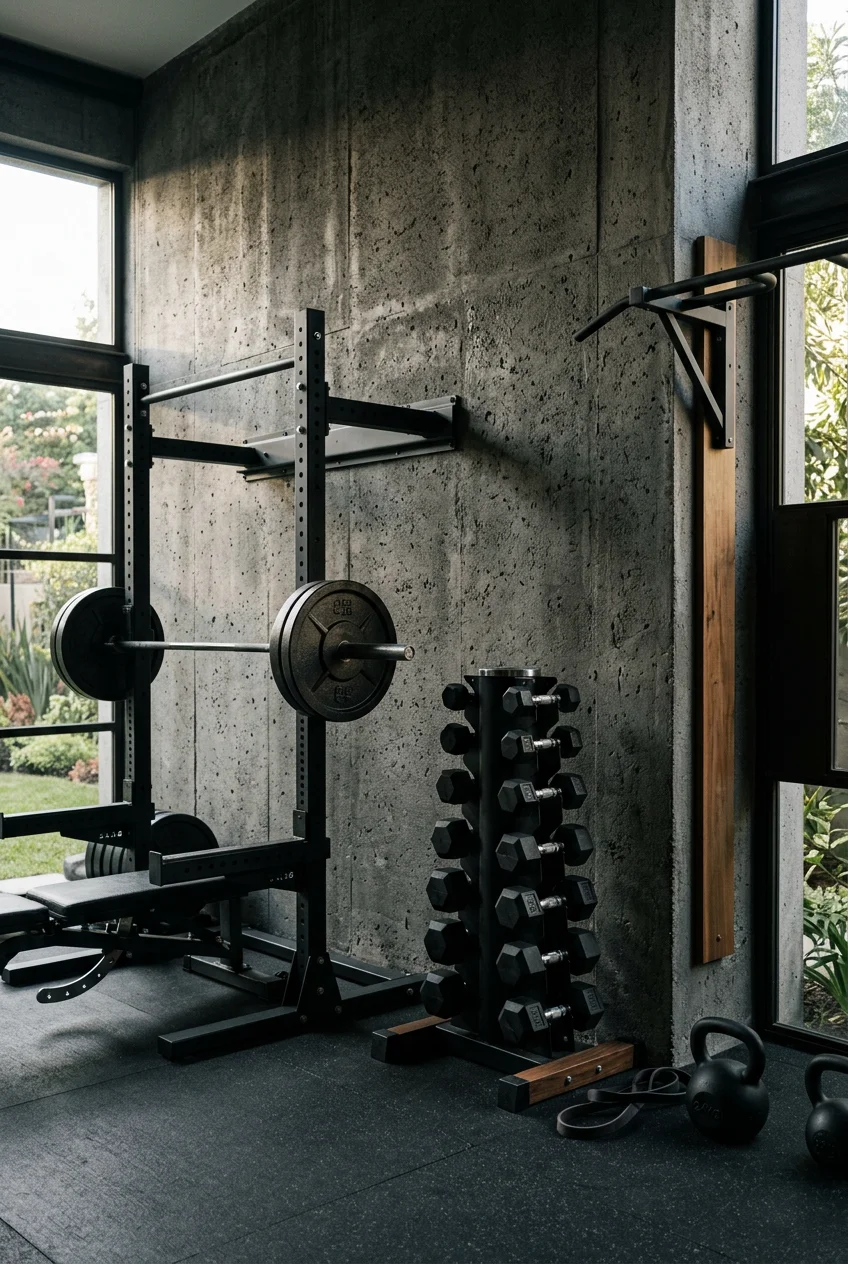
When I finally decided to upgrade my actual garage gym walls, I went straight to custom physical wallpaper. I ordered from a company called Baubauwall. They charge around $43 per square meter, which comes out to roughly $4 per square foot depending on the current exchange rate. I picked a massive, high-contrast typography design featuring a distressed concrete background. Here is where I messed up. I tried to wallpaper all four walls of my 12×12 foot garage space. It felt like working out inside a dizzying, claustrophobic funhouse. The space felt instantly cramped, and the overlapping text made me nauseous during heavy deadlifts when my blood pressure spiked. I ended up tearing down three walls and leaving just one single accent wall directly behind my squat rack. That single accent wall altered the entire room. It gives the space depth without being overwhelming. If you go this route, only wallpaper the wall you face during your primary, heavy lifts. You also need to order a moisture-resistant, scrubbable vinyl material. Standard paper wallpaper absorbs sweat, chalk dust, and humidity. I learned that the hard way when a cheap $20 roll from Target started peeling at the top corners after a humid July week. The heavy-duty vinyl from Baubauwall wipes clean with a damp rag. I buy bulk microfiber towels from Costco just for wiping down the gym walls and equipment. The new wallpaper smells a bit like fresh plastic and printer ink for the first two days, but that chemical scent fades quickly if you leave the garage door open.
3. Generate Your Own Action Shots with AI Apps

Sometimes you have a very specific image in your head that you just can’t find on Google Images or stock photo sites. Last month, I wanted a phone background showing a 24kg cast iron kettlebell resting on wet asphalt under moody red neon lights. Very specific, I know. I spent two hours searching before I realized I could just make it myself. I downloaded the NightCafe AI app. It gives you 5 free credits daily. I typed in “photorealistic 24kg cast iron kettlebell on wet black asphalt, cyberpunk red neon lighting, 8k resolution, vertical orientation.” Three minutes later, I had the exact image I wanted. It’s my current home screen. You can also use a1.art for this. The process is highly addictive. The major downside is that AI sometimes messes up text, fine details, or human anatomy. I once generated a picture of a guy doing a heavy pull-up, and the AI gave him six fingers on his right hand and a backwards thumb. I didn’t notice until I was staring at my phone during a three-minute rest break, and it creeped me out. Stick to generating inanimate objects, lighting setups, and atmospheres rather than human faces or hands. The 4K resolution output fits perfectly on an iPhone 15 Pro Max screen without any weird cropping or stretching. It’s a free way to get a unique visual that no one else has. I even generated a few wide-screen versions to use on my laptop while I was drinking coffee at Sprouts the other morning. It beats paying for premium stock photos. You might also like: 9 Aesthetic Fitness Gym for Every Budget
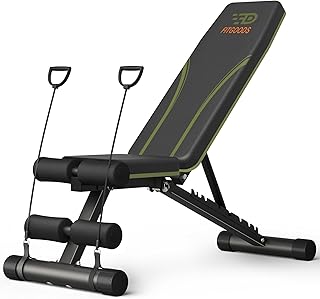
Fitgoods Adjustable Weight Bench for Home Gym
Fitgoods Adjustable Weight Bench for Home Gym punches above its price — 86 buyers rated it 4.5 stars. I would buy it again.
4. Use Magnetic Wallpaper as an Interactive Goal Board

This is probably the most functional and practical upgrade I’ve made to my training space. I bought a 4×6 foot roll of magnetic whiteboard wallpaper from an industrial supply website for $85. I mounted it right next to my dumbbell rack on the drywall. At first, I just used it to hold up printed Excel workout sheets with cheap plastic magnets I bought at Kroger. Then I realized I could write directly on the glossy surface with dry-erase markers. Now, I track my 12-week powerlifting cycles right on the wall. I write my target weights in thick black Expo marker (the $6.49 four-pack from Walmart). Crossing off a heavy set of squats with a physical marker feels infinitely more satisfying than tapping a tiny checkbox on a fitness app. The magnetic backing is strong, too. I slap my phone onto a magnetic gym mount directly on the wallpaper to film my form during lifts. One major negative: the glossy whiteboard surface creates a nasty, blinding glare if you have overhead LED shop lights. I had to physically reposition my ceiling lights so they wouldn’t reflect directly into my eyes when I looked at the board. If you’re setting up a home gym, skip the framed motivational posters that just gather dust. Get something you can actively interact with daily. It turns a static, boring wall into a living record of your progress. Plus, the smell of fresh dry-erase marker always signals to my brain that it’s time to work. You might also like: 8 Before And After Fitness for Every Budget
5. Try Peel-and-Stick Vinyl if You Rent

If you live in an apartment and your home gym is just a cramped corner of your living room with a yoga mat and some adjustable dumbbells, you probably can’t paste permanent murals on the drywall. I dealt with this exact issue in my old apartment in Austin. I used peel-and-stick wallpaper from a brand called Wall Blush. It cost me $114 for three large panels of a dark, concrete-texture design. It gave my workout corner a gritty, industrial feel without risking my $1,000 security deposit. The installation is a headache if you try to do it alone. I tried to apply a 9-foot panel by myself and ended up with a giant, sticky mess folded over on itself. The adhesive is unforgiving. I had to throw away a $38 panel. Always get a friend to help you hold the top while you smooth out the air bubbles with a hard plastic squeegee. Another crucial tip: always order 20% more than your exact square footage. If your walls aren’t perfectly square, you will lose material when you trim the edges near the baseboards and ceiling. I bought my exact square footage the first time and ended up with a jagged two-inch gap at the bottom of the wall. I had to hide it behind a row of kettlebells so it wouldn’t drive me crazy. The thick vinyl material is substantial enough to hide minor wall textures like light orange peel, and it peels off cleanly when you finally move out. Just peel slowly so you won’t take the paint with it. You might also like: 12 Lower Back Workout That Actually Work
6. Bring the Outside In with Biophilic Murals

Basement gyms are notoriously depressing environments. They usually smell like damp concrete, old cardboard, and have zero natural light. A few years ago, I trained clients out of a windowless basement that felt like a medieval dungeon. We painted the walls a flat gray, which only made it worse. Right now, the major trend moving into 2026 is biophilic design. That basically means bringing nature visuals indoors. I recently helped a client install a massive, high-definition forest mural from an Etsy seller called Personalized Gym Wallpaper. The 10×8 foot mural cost $185. It altered the room. Instead of staring at a blank, cold wall during a grueling 20-minute assault bike sprint, you’re looking at a deep, foggy pine forest. It lowers your perceived exertion. The psychological benefit is real. Studies show that nature visuals reduce stress and lower heart rates, even if they are just printed images. I was skeptical at first. I thought a picture of trees in a gym was cheesy. But standing in that basement, the large-scale green tones actually made the room feel 30% larger and much less suffocating. Make sure you buy a completely matte finish for these nature prints. A glossy finish ruins the illusion because the artificial room lights reflect off the printed trees. I’d never go back to plain gray paint after seeing how much a nature mural changes the vibe. Took me years to figure out that lighting is everything.
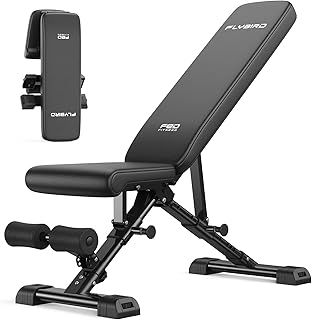
FLYBIRD WB5 Weight Bench
FLYBIRD WB5 Weight Bench has been one of the most consistently praised picks in this category. 259 reviewers averaged 4.5/5.
7. Cycle Through Typography Lock Screens Daily

Sometimes a peaceful picture of a mountain isn’t going to get you out of bed at 5 AM. Sometimes you need aggressive text telling you to get up and move. I use an Android app called Gym Wallpapers Cool Wallpapers. It’s free to download, though you do have to sit through a loud 15-second ad for a mobile game every time you open it. It has a library of over 100 full HD images with bold typography. I cycle through these weekly to keep things fresh. My current favorite is a stark black background with the words “Nobody Cares, Work Harder” in a distressed, white athletic font. It’s aggressive, but it works for my mindset. If you prefer a cleaner, less intense look, use a website called QuoteFancy. They have thousands of minimalist quote backgrounds formatted perfectly for widescreen desktop monitors. I use their site for my laptop background since I write my programming on it. The mistake most people make with quote backgrounds is choosing fonts that are too thin, delicate, or cursive. If you’re glancing at your phone while gasping for air after a heavy sled push, you can’t read delicate calligraphy. You need thick, blocky, high-contrast letters like Impact or Bebas Neue. I tried a subtle, script-font motivational quote for a week and found myself squinting at my screen like an old man trying to read a diner menu. Stick to bold, uppercase typography that you can read from three feet away through sweat-stung eyes.
8. Build a Custom Desktop Vision Board on Canva

I spend about four hours a day at my desk writing training programs and answering client emails. Staring at a generic Windows landscape background does nothing for my fitness goals. Two years ago, I started using Canva to build custom digital vision boards for my desktop. Canva is free, and the drag-and-drop interface takes about ten minutes to figure out. I set my canvas size to 1920×1080 to match my monitor. I drop in a dark, textured background—usually a carbon fiber or matte black metal texture. Then, I layer in screenshots of my actual, measurable goals. I pull visuals directly from my workout apps. I use Fitbod for my strength programming, and the app generates these really clean, red-and-black muscle heat maps showing which muscle groups are recovered. I take a screenshot of that heat map and drop it into my Canva board. I also add a photo of the specific powerlifting meet venue I want to compete in, and a bold text box with my target deadlift weight (500 lbs). I update the board on the first Sunday of every month. I was sitting at the Whole Foods coffee bar updating my Canva board last weekend, and it reminded me how much it helps. It keeps my specific, measurable goals literally right in front of my face while I work. The only downside is that if your desktop is cluttered with random files and folders, it ruins the aesthetic. I had to spend an hour organizing my files into a single master folder just so I could actually see the vision board I created. No exaggeration.
That wraps up the exact methods I use to keep my digital and physical training spaces dialed in. Your visual environment dictates your energy levels more than you realize. If you’re staring at a cracked screen with a blurry stock photo, or lifting in a garage that looks like a horror movie set, your workouts will suffer. I recommend starting small so you don’t get overwhelmed. Change your phone lock screen tonight using one of the dark mode AI generators or a free high-res image from Unsplash. See how it feels tomorrow morning when that 5 AM alarm goes off and you aren’t blinded by a white screen. If you’re ready to tackle a physical wall, remember the 20% rule for ordering peel-and-stick vinyl so you don’t end up with a bald patch near your baseboards like I did. Save this page or pin it to your home gym inspiration board on Pinterest for later. Getting the aesthetics right takes a little trial and error, and you might ruin a roll of wallpaper in the process, but once you nail it, you’ll never want to train in a boring space again.
Frequently Asked Questions
What is the best material for physical workout aesthetic wallpaper?
For home gyms, always choose moisture-resistant, scrubbable vinyl. Standard paper wallpaper absorbs sweat and humidity, leading to peeling and mold. Heavy-duty vinyl wipes clean easily and withstands the harsh environment of a garage or basement gym.
Where can I find high-resolution digital gym backgrounds for free?
Sites like Unsplash and Pexels offer incredible, high-resolution stock photos for free. Search for terms like “dark gym aesthetic” and sort by vertical orientation to find crisp images that won’t pixelate on modern OLED phone screens.
How much extra wallpaper should I order for a home gym?
Always order 20% more than your exact square footage. Walls are rarely perfectly square, and you will inevitably lose material when trimming around baseboards, ceiling corners, and outlets. This buffer prevents frustrating gaps at the bottom of your walls.
What is the benefit of dark mode fitness wallpapers?
Dark mode wallpapers reduce eye strain, especially during early morning or late-night training sessions. The deep blacks and subtle contrasts also save phone battery life and prevent bright, glaring distractions when you check your rest timers between heavy sets.
