What’s Inside
- Fast-Absorbing Whey Protein for Immediate Repair
- Simple Carbohydrates Are the Best After Workout Food
- Tart Cherry Juice for Muscle Soreness
- Plant-Based Proteins and Probiotics
- Clear Whey Protein When You Hate Creamy After Workout Food
- Collagen Peptides for Joint Support
- Magnesium-Rich Snacks for Cramp Prevention
- Skip the Sports Drinks and Eat Real Food
- Timing Your Macros with Wearable Tech
Last Tuesday at Whole Foods, I stared blankly at the hot bar, sweating through my gym shirt and completely ravenous. Getting your after-workout food right is harder than the actual heavy lifting sometimes. I ended up buying a $14 box of macaroni and cheese and feeling like garbage an hour later. That crash is entirely preventable if you plan ahead. I spent years messing up my recovery nutrition. I’d finish a grueling two-hour leg day and just drink a massive, sugar-filled smoothie that made me want to take a nap on the gym floor. You don’t need a degree in nutrition to fix this, but you do need a solid strategy.
Fueling your body correctly after a workout is crucial for recovery, muscle repair, and optimizing future performance. Forget the outdated magazine advice. I’m breaking down exactly what you should be eating, drinking, and mixing into your shaker bottle based on current sports science. Whether you’re lifting heavy, running miles, or just doing a quick bodyweight circuit in your garage, your muscles need specific nutrients to rebuild. Let’s look at the exact products and foods that actually work, complete with the annoying mistakes I made so you don’t have to repeat them. Learned that the hard way.
1. Fast-Absorbing Whey Protein for Immediate Repair

I tried delaying my protein intake for hours after a workout because I thought the whole timing thing was a myth. I was wrong. If you want to kickstart muscle protein synthesis, you need 20 to 40 grams of high-quality protein within two hours of finishing your last set. For a 176-pound guy like me, that translates to roughly 24 grams. For rapid amino acid delivery, especially after a heavy lifting session, you want a whey isolate. I currently use Optimum Nutrition Gold Standard 100% Whey Protein. You can grab a 1.5-pound tub for exactly $33.99 at Target, which gives you 22 servings. That breaks down to about $1.54 per scoop, delivering 24 grams of protein.
I bought the Double Rich Chocolate flavor last Thursday. The powder is incredibly fine, almost like powdered sugar, which means it mixes fast. However, here’s a hard lesson I learned. Don’t mix this powder with lukewarm water in a hot car. I tried shaking it up in my truck after a July workout, and it turned into a chunky, unpalatable sludge that stuck to the roof of my mouth. Always use ice-cold water. Pro tip: Keep a shaker bottle with just the dry powder in your gym bag, and fill it at the gym’s chilled water fountain right before you leave. The fast absorption means your muscles get the building blocks they need immediately, without sitting heavy in your stomach while you drive home.
2. Simple Carbohydrates Are the Best After Workout Food

Neglecting carbohydrates is a massive mistake I see clients make constantly. They finish a high-intensity interval session and just drink a zero-carb protein shake. You need quality carbohydrates to replenish your depleted muscle glycogen and stimulate an insulin response, which actually helps your muscles absorb the protein you just drank. You should aim for a 3:1 or 4:1 carbohydrate to protein ratio, depending on how many total calories you need for the day.
Immediately post-workout, simple carbohydrates are your best friend because they digest quickly. My go-to is a plain old Chiquita banana. I buy a bunch at Kroger every Sunday for $0.69 per pound. A medium banana gives you exactly 27 grams of fast-digesting carbohydrates and a solid dose of potassium to help with cramping. I used to pack these in my gym bag, but last month I left a slightly overripe one in the bottom compartment of my duffel. It got smashed under my lifting belt and leaked a sticky, sweet-smelling paste all over my knee sleeves. Now, I keep my bananas in a hard plastic container. The texture of a banana is perfect when you’re exhausted and don’t feel like chewing a heavy meal. It provides quick glycogen replenishment with zero artificial additives. Common mistake: Don’t buy the green, unripe bananas for your post-workout snack. You want them yellow with brown spots because the starches have converted to simple sugars, making them much faster for your body to break down and use for immediate energy.
3. Tart Cherry Juice for Muscle Soreness

This is a recovery tactic I ignored for years because it sounded like a weird home remedy. It turns out tart cherry juice is packed with anthocyanins, which are potent antioxidants that significantly reduce muscle inflammation. If you’re dealing with severe delayed onset muscle soreness after squats, this juice actually accelerates your strength recovery. I pick up the R.W. Knudsen Just Tart Cherry juice at Sprouts. It costs $7.99 for a 32-ounce glass bottle. The research suggests drinking 8 to 12 ounces twice a day during intense training blocks. I pour exactly 8 ounces into a glass right when I get home.
The taste is incredibly sharp and sour. It hits the back of your jaw and makes your mouth pucker instantly. Trust me on this. It doesn’t taste like the sweet cherry juice you drank as a kid. It tastes like raw, acidic fruit. I made the mistake of drinking this while walking around my kitchen in a white t-shirt last week. I bumped the counter, spilled about two ounces down my chest, and the bright red stain absolutely ruined the shirt. It looks like a crime scene. Despite the staining risk, the anti-inflammatory benefits are noticeable. I wake up the next day feeling significantly less stiff in my knees and ankles. If you can’t stomach the sour taste straight, you can buy a 1-ounce tart cherry concentrate and mix it into your protein shake. Just be prepared for your chocolate protein to taste a little fruity. You might also like: 20 Inspiring Outfit Home Workout Ideas That Changed Everything
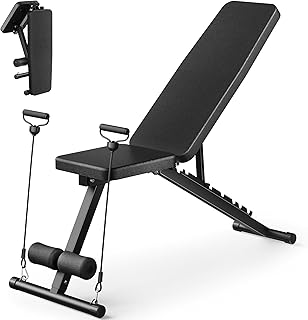
Adjustable Weight Bench for Home Gym
A dependable everyday pick — Adjustable Weight Bench for Home Gym pulls in 565 ratings at 4.5 stars. Not flashy, just solid.
4. Plant-Based Proteins and Probiotics

You don’t have to consume dairy to get a complete amino acid profile anymore. The plant-based options in 2026 are vastly superior to the gritty, dirt-flavored powders from ten years ago. I occasionally swap out my whey for Garden of Life Sport Organic Plant-Based Protein. A tub costs $45.99 for 19 servings at Whole Foods. Each scoop delivers 30 grams of organic protein from peas and beans, plus 5.5 grams of BCAAs and 5 grams of glutamine. The vanilla flavor smells slightly earthy, like raw oats and vanilla bean. The texture is a bit thicker than whey, so you need to use at least 12 ounces of water or almond milk to prevent it from feeling like pudding. You might also like: 8 Snatched Waist Workout for Every Budget
What makes this specific brand interesting is that it includes 2 Billion CFU of Bifidobacterium lactis. Gut health is a massive factor in how your body absorbs nutrients and recovers. If your digestion is wrecked, you aren’t absorbing your macros efficiently. Another great probiotic option is Fage Total 0% Milkfat Plain Greek Yogurt. I buy the massive 35.3-ounce tub at Costco for $6.49. I measure out exactly one cup, which gives me 18 grams of protein and a huge dose of live cultures. I tried eating the plain yogurt by itself once, and the sour, chalky taste was rough. Now, I mix in a half cup of frozen blueberries to cut the tartness. Combining plant protein or fermented dairy with your routine keeps your digestion running smoothly. You might also like: 15 Creative Inside She Sheds Home Gym Setup Ideas to Steal Right Now
5. Clear Whey Protein When You Hate Creamy After Workout Food

Sometimes you finish a brutal, high-sweat cardio session and the absolute last thing you want is a thick, milky chocolate shake. You just want something refreshing. Clear whey protein powders are designed exactly for this scenario. They use a highly filtered whey isolate that mixes up like a translucent sports drink rather than a milkshake. I keep a tub of Ascent Clear Whey Protein Powder in my pantry for these exact moments. It costs $39.99 for 20 servings, and it delivers 26 grams of protein with zero artificial flavors.
I bought the Pineapple Coconut flavor last month. It smells exactly like a tropical cocktail. However, there’s a very specific learning curve with clear whey. I dumped a scoop into my shaker, added 16 ounces of water, and shook it violently. The powder instantly created a massive, dense layer of foam that filled the entire top half of the bottle. I popped the lid open too fast and the pressurized foam sprayed sticky pineapple liquid all over my steering wheel. You have to shake it and then let it sit on the counter for at least five full minutes. Once the foam settles, it turns into a crisp, clear juice that goes down incredibly easy. It’s the perfect after-workout food alternative when your stomach feels unsettled from heavy exertion. It hydrates you while hitting your 26-gram protein target.
6. Collagen Peptides for Joint Support

Collagen used to be marketed purely for skin and hair, but it plays a critical role in athletic recovery. When you lift heavy weights, you aren’t just breaking down muscle fibers. You’re putting immense stress on your tendons, ligaments, and joints. Collagen provides specific amino acids, namely glycine and proline, that rebuild connective tissue. I add one 20-gram scoop of Vital Proteins Collagen Peptides to my routine every single day. I grab the blue tub at Walmart for $27.99, which holds about 20 servings. The powder is unflavored and looks like crushed white chalk.
The label claims it dissolves perfectly in cold liquids. That’s completely false. I stirred a scoop into ice water, and it instantly clumped into slimy, translucent blobs that looked like frog eggs. I tried to drink it anyway and nearly gagged on the texture. To actually use this stuff, you have to mix it into a hot liquid like coffee or blend it aggressively in a smoothie. I throw my 20-gram scoop into the blender with my whey protein and half a cup of oats. You won’t taste it at all once it’s blended properly. Taking collagen within an hour of your workout helps direct those specific amino acids to your joints while your blood flow is still elevated from the exercise.

FLYBIRD WB2 Weight Bench
FLYBIRD WB2 Weight Bench punches above its price — 215 buyers rated it 4.5 stars. I would buy it again.
7. Magnesium-Rich Snacks for Cramp Prevention

If you frequently wake up in the middle of the night with your calf muscle locked into a painful knot, you probably have a magnesium deficiency. Magnesium is mandatory for muscle recovery because it actively reduces soreness, prevents cramping, and supports ATP energy production in your cells. You need to replenish it within an hour of finishing a tough session. I rely on whole foods, buying 16-ounce bags of Trader Joe’s Raw Almonds for $4.99. I measure out exactly a 1/4 cup serving, which gives me a solid crunch and a heavy dose of magnesium.
The almonds have a dry, earthy flavor that pairs perfectly with a piece of fruit. Common mistake: Don’t fall for the trap of buying massive tubs of BCAA powders to fix your recovery. The supplement industry pushes BCAAs hard, but experts agree they are largely redundant if you’re already eating enough high-quality protein like whey or almonds. I used to drink flavored BCAAs all day, and it actually disrupted my sleep because of the artificial sweeteners. Focus your money on real, magnesium-dense foods like leafy greens or raw nuts. If I’m making a post-workout meal, I’ll throw 2 cups of raw spinach onto a plate with some grilled chicken. The spinach cooks down to almost nothing, but it delivers the magnesium your nervous system desperately needs to calm down after heavy lifting.
8. Skip the Sports Drinks and Eat Real Food

One of the most persistent myths in fitness is that you need a neon-colored sports drink the second you step off the treadmill. For the vast majority of casual workouts, plain tap water is entirely sufficient for rehydration. Those commercial sports drinks are formulated for elite athletes or people doing high-sweat activities lasting over 90 minutes. Chugging a 28-ounce Gatorade ($1.50 at most gas stations) after a 45-minute circuit just dumps 40 grams of unnecessary sugar into your system. I used to do this in my twenties, thinking the electrolytes were mandatory. I ended up feeling bloated and sluggish from the sugar crash an hour later.
Now, I use my actual thirst as a guide and stick to water. Another major issue is overestimating how many calories you burned. Certified holistic nutritionist Melissa Boufounos points out that your post-workout meal shouldn’t drastically differ from your regular eating habits. Don’t use a moderate workout as an excuse to eat a massive 1,200-calorie meal. I made this mistake for years, rewarding a three-mile run with a massive double cheeseburger. I couldn’t figure out why I wasn’t losing body fat. Instead, focus on a balanced 200 to 300 calorie snack. I keep it simple with 4 ounces of sliced turkey breast and a handful of pretzel sticks. It gives me the sodium I actually need, lean protein, and complex carbs without completely erasing the caloric deficit I just worked for.
9. Timing Your Macros with Wearable Tech

The concept of the anabolic window has been debated for decades, but sports nutritionists generally agree that delaying your meal too long is a bad idea. You want to consume your food within 30 to 60 minutes after finishing your workout to stabilize your blood sugar and prevent that deep, heavy fatigue from setting in. In 2026, the biggest trend I see with my clients is using wearable tech to dial in this timing perfectly. People are using continuous glucose monitors to see exactly how their blood sugar drops post-exercise. Even if you don’t have a CGM, a basic fitness tracker can show you when your heart rate finally returns to baseline, which is a great cue to eat.
When I’m rushing from the gym to a client session and don’t have time for a full meal, I rely on an RxBar. I buy the Chocolate Sea Salt flavor at Target for $2.29 each. The packaging lists exactly what’s inside: 3 egg whites, 6 almonds, 4 cashews, and 2 dates. The texture is incredibly dense and slightly sticky. It takes serious jaw effort to chew, and bits of date always stick in my molars. It’s slightly annoying to eat, but it delivers 12 grams of protein and 23 grams of carbs right when my body needs it most. Timing your intake correctly stops the muscle breakdown process in its tracks and flips the switch to recovery mode.
Nailing your recovery nutrition doesn’t require a master’s degree or a kitchen full of expensive, obscure supplements. It just requires a little bit of planning and an understanding of what your body actually burns through during a tough session. I spent way too much time in my early twenties drinking sugary garbage and ignoring real food, and my joints and energy levels paid the price. Took me years to figure out. Once I started treating my post-workout window as a priority rather than an afterthought, my recovery time got cut in half. I wasn’t waking up feeling like I got hit by a truck anymore. Stick to the basics. Get your 24 grams of protein in quickly, replenish your glycogen with a piece of fruit or some simple carbs, and don’t be afraid of tart cherry juice if your legs are screaming at you. Your muscles are built in the kitchen, not just on the gym floor. If you found this breakdown helpful, make sure to save it or pin it for your next grocery run so you aren’t wandering the aisles hungry and confused.

Adjustable Weight Bench
If you want something that just works, Adjustable Weight Bench – 1000LBS Capacity Heavy Duty Foldable Workout is a safe bet (182 reviews, 4.5 stars).
Frequently Asked Questions
What is the best after workout food for muscle gain?
The best option combines fast-absorbing protein and simple carbohydrates. I recommend mixing 24 grams of whey isolate with water, paired with a medium banana. This triggers muscle protein synthesis and replenishes your glycogen stores within that critical one-hour recovery window.
Can I skip eating after a late-night workout?
You shouldn’t completely skip eating. If you train late, your body still needs nutrients to repair muscle fibers overnight. Opt for a lighter, magnesium-rich snack like a 1/4 cup of almonds or a small serving of Greek yogurt so you don’t go to bed on a heavy stomach.
Are sports drinks necessary for recovery?
For casual lifters doing 45-minute sessions, commercial sports drinks are mostly unnecessary sugar. Unless you are doing high-sweat endurance training for over 90 minutes, stick to plain water for hydration and get your electrolytes from real foods like turkey breast or pretzels.
Is clear whey protein better than regular whey?
It isn’t nutritionally better, but it is much lighter on the stomach. Clear whey isolate provides about 26 grams of protein with a juice-like consistency. It’s perfect if you feel nauseous after heavy cardio and can’t stomach a thick, milky chocolate protein shake.
