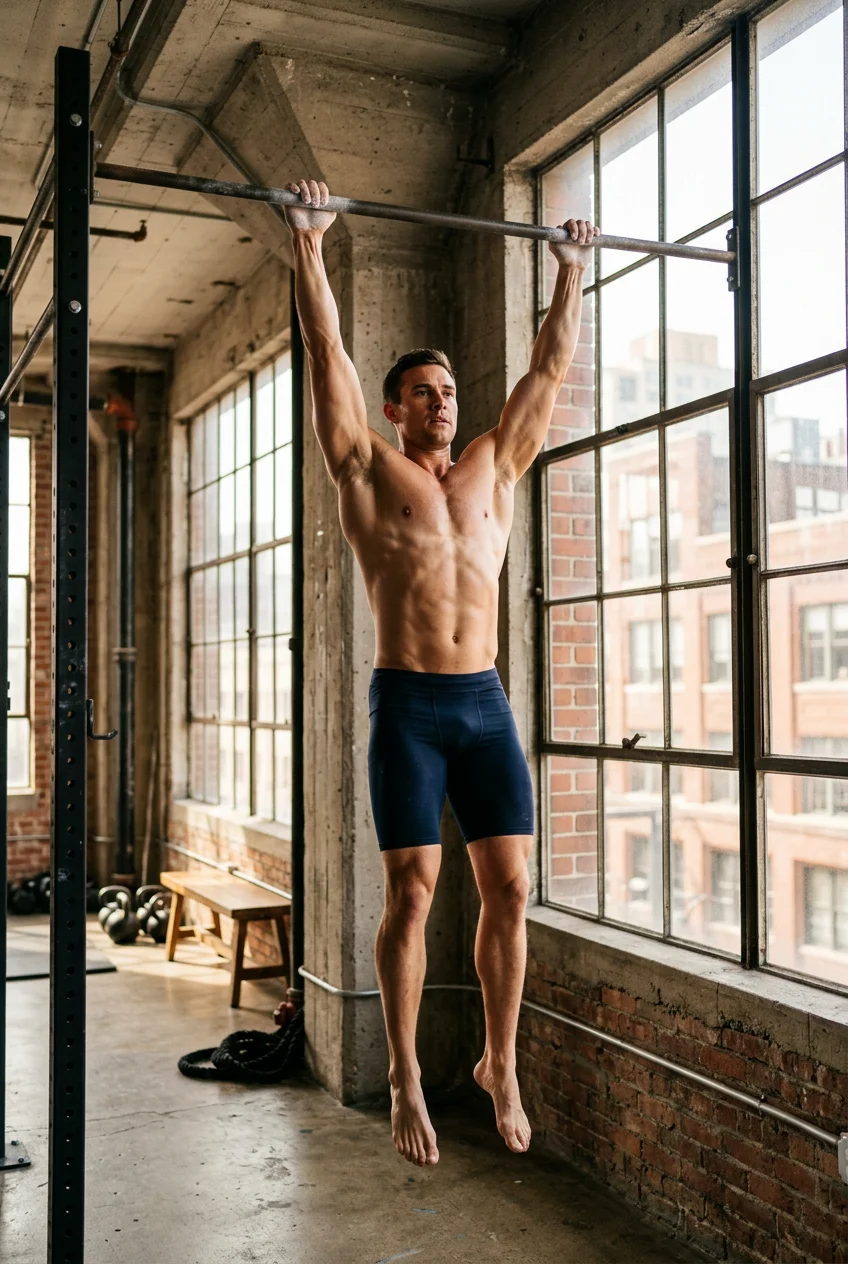
What’s Inside
- Master Progressive Overload in Your Calisthenics Workout Routine
- Invest in Gymnastics Rings for Unparalleled Versatility
- Prioritize Form Over Quantity to Prevent Injury
- Implement Strategic Rest Periods Based on Your Goals
- Integrate a Dynamic Warm-up (10-15 minutes) and Cool-down
- Don’t Skip Leg Day – Master the Pistol Squat
- Consider a Weighted Vest for Advanced Progressive Overload
- Build Your Calisthenics Workout Routine Around a Wall-Mounted Bar
- The Truth About Active Recovery on Rest Days
- Final Thoughts on Building Your Base
Last Tuesday, I found myself flat on my back in the dirt at the local park, staring up at the sky while a group of teenagers laughed at me. I tried to muscle-up on a rusty bar without warming up, and my left shoulder gave out completely. It’s embarrassing. I’ve been a fitness trainer for six years, but I still make stupid mistakes when I rush my calisthenics workout routine. Building a proper calisthenics workout routine isn’t just about doing endless push-ups until your arms fall off. It requires actual strategy. I spent my first two years of bodyweight training doing random pull-ups on a doorway bar from Target that cost $19.99, wondering why my chest looked flat and my elbows constantly ached. You can’t just wing it. If you want to build dense muscle and unlock skills like the front lever or the handstand push-up, you need to treat your bodyweight training with the same precision as a heavy barbell program. Here is exactly how I structure my sessions now, the gear that actually works, and the painful mistakes I made so you don’t have to.
1. Master Progressive Overload in Your Calisthenics Workout Routine

Most guys hit a wall at 20 push-ups and just try to grind out 25. I did this for six months straight. My elbows clicked every time I bent them, and my chest didn’t look any different. You can’t just chase reps if you want to actually build muscle. Instead, you need to apply progressive overload by increasing hold durations or advancing to harder variations. Once I hit 15 clean standard push-ups, I switched to diamond push-ups. When those got easy, I moved to archer push-ups. This systematic increase in demand forces the muscle to adapt.
I stopped doing flat-palm pushups entirely because they destroyed my wrists. I bought a set of Iron Gym Push-up grips for $14.99. The hard plastic handles raise my wrists by about three inches, keeping them in a neutral position. The grip is a dense black foam that smells a bit like car tires out of the box, but it stops my hands from slipping when I’m sweating through a heavy set. If you’re stuck in your calisthenics workout routine, stop adding reps. Decrease your leverage. Move your hands closer together. Raise your feet on a chair. Make the movement harder, not longer. I promise your joints will thank you, and you’ll actually see your triceps grow. Trust me on this.
2. Invest in Gymnastics Rings for Unparalleled Versatility

If you can only buy one piece of equipment, skip the fancy machines and get a set of gymnastics rings. I learned this the hard way. I originally bought a set of cheap plastic rings from Walmart for $15.00. The plastic was slick, and the nylon straps frayed after two weeks of rubbing against the oak tree in my backyard. During a sweaty set of dips, my right hand slipped off the plastic, and I wrenched my shoulder so badly I couldn’t sleep on my right side for a week. Plastic rings are garbage.
You need wooden rings. I picked up the Gorletic Gymnastic Rings for $45.00. They’re made of raw birch wood, which naturally absorbs sweat and provides actual traction without chalk. The straps are 1.5 inches wide with heavy-duty steel cam buckles that bite down hard. Rings are brutal because of the inherent instability. When you do a push-up on the floor, the ground doesn’t move. When you do a push-up on rings, your chest and shoulder stabilizers have to fight just to keep your hands from flying outward. Start with ring rows. Keep your feet planted and pull your chest to the wood. It’s humbling. But it builds a dense, thick back faster than any lat pulldown machine I’ve ever used in a commercial gym.
3. Prioritize Form Over Quantity to Prevent Injury

A common mistake I see constantly at the park is guys sacrificing proper technique just to hit a specific number of repetitions. They do these violently jerky struggle-ups where they kick their legs and contort their spines just to get their chin over the bar. I know because I used to be one of them. I watched a Frank Medrano video back in 2018, got inspired, and immediately tried to do 20 kipping pull-ups. I ended up with a mild rotator cuff strain that throbbed every time I reached for a coffee mug. Form matters more than numbers. You might also like: 8 Leg Workout Gym for Every Budget
If you’re kipping, you aren’t building strength. You’re just using momentum to bypass the weak points in your muscles. To fix my form, I bought a UBeesize 67-inch Phone Tripod for $25.99 on Amazon. I set it up facing the pull-up bar and record my working sets. It’s brutal to watch yourself. You think your body is completely straight, but the camera shows your knees bent and your shoulders shrugging up to your ears. Watching the footage gives you immediate feedback. Drop your ego. If you can only do three strict, dead-hang pull-ups with your shoulder blades properly depressed, just do three. The moment your form breaks down, the set is over. You might also like: 11 Slim Leg Workout That Actually Work
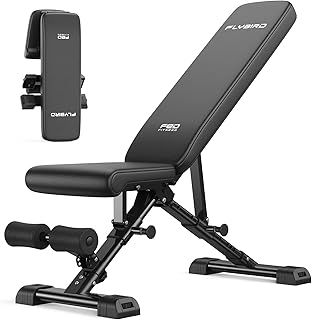
FLYBIRD WB5 Weight Bench
Honestly, FLYBIRD WB5 Weight Bench surprised me — sturdier than it looks in the photos, and over 259 buyers gave it 4.5 stars.
4. Implement Strategic Rest Periods Based on Your Goals

Your rest periods dictate what kind of results you get. When I first started, I treated every workout like a high-intensity cardio circuit. I’d do a set of pull-ups, rest 30 seconds, and immediately jump into dips. I was constantly exhausted, dripping sweat, and making zero progress on advanced skills like the front lever. You can’t build pure strength if your central nervous system is fried from a lack of oxygen. You might also like: 20 Inspiring Outfit Home Workout Ideas That Changed Everything
For strength training and skill development, you need 2 to 5 minutes of rest between sets. It feels like an eternity. You’ll stand around feeling completely fine after 60 seconds, but your ATP stores haven’t fully replenished yet. I use a Casio G-Shock DW5600 that cost me $49.95 to time my rests exactly. No guessing. If I’m working on hypertrophy to actually build muscle mass, I cut that rest down to 1 to 2 minutes to create metabolic stress. That’s when you want that burning sensation in the muscle. If you’re doing an endurance-focused circuit, keep it between 20 and 90 seconds. But don’t mix these up. If you’re trying to learn a muscle-up, resting 30 seconds guarantees you’ll fail your next set. Sit down, breathe, and wait for the digital timer to hit three minutes.
5. Integrate a Dynamic Warm-up (10-15 minutes) and Cool-down

Skipping your warm-up is the fastest way to tear a muscle. Last November, it was 40 degrees outside. I walked out to my garage, threw my hands on the bar, and immediately tried to do a max set of front lever raises. I felt a sharp, sickening pop in my left lat. I spent the next three weeks unable to even hang from a bar. Now, I mandate a strict 10 to 15-minute dynamic warm-up before every single session.
I start with 5 minutes of jumping jacks or high knees just to get my core temperature up. Then I grab my Lululemon Reversible Mat 5mm. It costs $88.00, but the polyurethane top layer has a slightly sticky texture that keeps my hands planted during downward dog, even if the garage floor is freezing. I run through arm circles, wrist rolls, and deep lunges. Wrist mobility is especially critical. Bodyweight training puts massive pressure on your wrists during planches and handstands. I spend at least three minutes just rocking back and forth on my hands to stretch the forearms. After the workout, I do static stretching. I usually hit up Whole Foods afterward for groceries, and my legs used to cramp up while standing in the produce aisle. Taking five minutes to stretch my hamstrings and drink a 32-ounce Gatorade ($2.50) completely stopped the post-workout spasms.
6. Don’t Skip Leg Day – Master the Pistol Squat

Calisthenics guys are notorious for having massive upper bodies and toothpick legs. It’s a stereotype because it’s usually true. You can’t build a balanced physique if you ignore your lower body. The pistol squat is the foundational skill for bodyweight leg strength, but it requires insane ankle mobility and hip flexor strength. I tried to do a pistol squat on my first day. I dropped down, my heel lifted off the floor, and I fell backward, slamming my tailbone into the concrete. My lower abs cramped so hard I thought I tore something.
You have to progress slowly. I bought a set of Rogue Fitness Monster Bands for $17.50. I loop the green band around a sturdy pole, hold the other end, and use it to support my body weight as I lower myself into the single-leg squat. The band takes about 30 pounds of pressure off my knee at the bottom of the movement. Progressive overload for pistol squats means using a lighter band over time, or slowing down the eccentric phase. It took me four months of assisted reps before I could do a single unassisted pistol squat. I still remember doing my first clean rep in the aisle at Sprouts while waiting for my girlfriend to pick out avocados. The cashier looked at me like I was insane, but I didn’t care.

Adjustable Weight Bench
Adjustable Weight Bench – 1000LBS Capacity Heavy Duty Foldable Workout punches above its price — 182 buyers rated it 4.5 stars. I would buy it again.
7. Consider a Weighted Vest for Advanced Progressive Overload

Once you can do 15 strict pull-ups and 25 clean dips, your bodyweight just isn’t enough resistance to trigger new muscle growth. You need external weight. I initially bought a cheap $40 sand-filled vest from a sporting goods store. Three weeks later, a seam ripped, and it leaked black sand all over the floor mats in my home gym. It was a nightmare to clean up. I threw it in the trash and upgraded to the Eric Flag Adjustable Weighted Vest for $149.99.
The difference is stark. It uses a thick 1000D nylon construction that feels like military canvas. Instead of sand, it uses small 2.25-pound solid iron bricks that slide into individual velcro pockets. This means I can precisely adjust the weight depending on the exercise. I use 20 pounds for pull-ups and 45 pounds for squats. The shoulder straps are padded with an inch of dense foam, so the iron doesn’t dig into my collarbones when I’m doing explosive push-ups. Adding a weighted vest completely changes the mechanics of your movements. It forces your core to work twice as hard to stabilize your spine. Start light. Add just 5 pounds to your normal routine. You’ll be shocked at how heavy your arms feel after just three sets.
8. Build Your Calisthenics Workout Routine Around a Wall-Mounted Bar

Doorway pull-up bars are fine for absolute beginners, but they are incredibly limiting and genuinely dangerous once you start doing dynamic movements. I used a tension-mounted doorway bar for a year. One day, I was practicing L-sit pull-ups, the tension gave out, and I plummeted straight down. The heavy steel bar hit me right on the bridge of my nose. I had two black eyes for a week. After that, I decided to build my calisthenics workout routine around a proper wall-mounted setup.
I bought the GORNATION Wall-Mounted Pull-Up Bar for $189.00. It’s a massive piece of equipment with a weight capacity of 150 kg (about 330 lbs). It bolts directly into the wooden studs of your wall. The hardware it came with was decent, but I actually went to Costco and bought a $14.99 box of heavy-duty lag bolts just to be absolutely certain it wouldn’t rip out of my drywall. A wall-mounted bar gives you the clearance to actually do muscle-ups without kicking the doorframe. The GORNATION bar has multiple grip positions, allowing me to switch between wide-grip, neutral-grip, and close-grip pull-ups to target different parts of my back. It completely eliminated the fear of the bar falling, which let me push my sets to actual failure.
The Truth About Active Recovery on Rest Days

Most guys think a rest day means sitting on the couch for 14 hours straight playing video games. I tried that approach. I’d do a brutal upper body session on Saturday, sit completely still all day Sunday, and wake up on Monday feeling like my joints were filled with wet cement. Total inactivity actually slows down your recovery because you aren’t flushing metabolic waste out of your muscles. You need active recovery.
Instead of doing nothing, I engage in low-intensity activities to promote blood flow. I spend 40 minutes doing a full-body stretching routine and foam rolling. I use the TriggerPoint GRID Foam Roller, which costs $34.99. It has a rigid hollow core wrapped in EVA foam with varying textures. The flat sections feel like a palm massage, while the high ridges dig into my tight lats like actual thumbs. I slowly roll out my upper back, quads, and calves. It hurts in a good way. Afterward, I take a hot bath. I buy the massive 6-pound bags of Dr. Teal’s Epsom Salt from Kroger for $6.99. I dump two full cups into hot water and soak for 20 minutes. The magnesium sulfate helps relax the muscle fibers. Active recovery doesn’t mean doing a light workout. It means moving your body just enough to break a sweat without taxing your central nervous system. A brisk 30-minute walk works perfectly. Just don’t sit still.

FLYBIRD WB3 Weight Bench Fits up to 6’5”
Honestly, FLYBIRD WB3 Weight Bench Fits up to 6’5” surprised me — sturdier than it looks in the photos, and over 16 buyers gave it 4.5 stars.
Final Thoughts on Building Your Base
Building a calisthenics workout routine takes patience. You won’t learn a full planche in a month, and you won’t build a massive chest with just a few sloppy push-ups. It requires strict form, proper equipment, and a willingness to check your ego at the door. I’ve injured myself more times than I care to admit just because I was rushing the process. Don’t make my mistakes. Buy the wooden rings. Ditch the doorway bar before it drops you on your head. Track your numbers in a real notebook, and actually take your rest days seriously. If you stick to the basic progressions and slowly add resistance, your body has no choice but to adapt and grow stronger. Bookmark this page or pin it to your fitness board so you can reference these progressions later. It’s a long process, but the first time you pull off a strict, clean muscle-up without kicking your legs, you’ll realize all the tedious joint preparation and form checks were completely worth it. No exaggeration.
Frequently Asked Questions
How often should I do a calisthenics workout routine?
You should aim for three to four days a week. Your central nervous system needs time to recover from heavy compound bodyweight movements. I train every other day, ensuring I have at least 48 hours of rest between heavy upper-body sessions.
Can I build muscle with just a calisthenics workout routine?
Yes, but only if you apply progressive overload. Doing fifty sloppy push-ups won’t build mass. You have to increase the difficulty by using gymnastics rings, adding a weighted vest, or moving to harder variations like archer push-ups to force muscle adaptation.
Do I need a gym membership for calisthenics?
No, but you do need some basic equipment. A sturdy wall-mounted pull-up bar and a set of wooden gymnastics rings are essential. Doorway bars are too unstable for advanced skills, and rings provide the instability needed to grow your stabilizer muscles.
Why do my elbows hurt during bodyweight training?
Joint pain usually comes from poor form or overtraining. If you’re doing high-rep sets without adequate rest, your tendons take a beating. Use push-up grips to keep your wrists neutral, strictly monitor your form, and take a deload week every month.
