What’s Inside
- Stop Cooking Your Veggies to Death
- The Mandatory Cool Down Rule for Marmitas Fitness Congeladas
- You Need Real Containers, Not Cheap Plastic
- Dial In Your Macros Before You Freeze
- The Slow Thaw Saves Your Texture
- Cut the Salt, Heavy Up the Herbs
- Fat Quality Matters for Reheating
- Finding the Right Pre-Made Marmitas Fitness Congeladas
- Label Everything or Regret It Later
I stood in my kitchen last Tuesday at 11 PM, staring at a puddle of grey, watery chicken and mushy broccoli leaking out of a cracked plastic container. That was my absolute rock bottom with meal prep. I spent four hours cooking, only to ruin an entire week of food because I didn’t understand how marmitas fitness congeladas actually work. If you’re trying to build muscle or drop fat, nailing your marmitas fitness congeladas is non-negotiable. I tried doing this wrong for months before figuring it out. I bought cheap containers at Target. I shoved hot rice straight into the freezer. I ate wet cardboard meals for weeks. Let’s fix that right now. Here is exactly how I prep, freeze, and eat to keep my macros dialed in without wanting to throw my lunch in the trash. I’m going to walk you through the exact mistakes I made and the specific fixes I use now. Getting this right saves you hours of frustration and hundreds of dollars a month. You won’t have to suffer through terrible textures or bland flavors anymore. Learned that the hard way.
1. Stop Cooking Your Veggies to Death

My biggest mistake early on was boiling my broccoli until it was completely soft. I’d pull my meal out of the microwave at the gym, and it smelled exactly like a wet dog. The texture was pure mush that dissolved on my tongue. When you freeze vegetables, the water inside them expands and breaks the cell walls. If you cook them completely before freezing, they turn to liquid when you reheat them. You need to cook vegetables al dente. They should still have a loud, audible crunch when you bite into them during the prep phase. I usually steam my asparagus for exactly 3 minutes, then hit it immediately with an ice bath to stop the cooking process.
I skip water-rich vegetables entirely for the freezer now. Zucchini and chayote just dump water into your container and ruin your rice. I bought a bag of frozen zucchini at Whole Foods last month for $4.99 to test it again. Total disaster. It flooded my $15 Popeat low-carb beef meal, making the sauce thin and tasteless. Stick to dense vegetables like carrots, green beans, or thick broccoli florets. If you want fresh greens, nutritionist Camilla Estima has a solid rule that I follow every week. Just add 1 cup of raw lettuce or fresh cherry tomatoes to the bowl after you reheat the main meal. It adds the crunch back in and gives you the fresh texture that the freezer destroys. You get the convenience of a frozen meal with the crisp bite of a fresh salad. It takes two seconds to grab a handful of spinach and throw it on top.
2. The Mandatory Cool Down Rule for Marmitas Fitness Congeladas

I ruined 5 pounds of chicken breast in 2021 because I was impatient and wanted to go to sleep. I cooked a massive batch of teriyaki chicken, portioned it into containers, and shoved them straight into my freezer while they were still steaming hot. The steam gets trapped under the tight lid. It turns into condensation, and then it freezes into giant, sharp ice crystals right on top of your food. When you microwave it later, that ice melts into a pool of flavorless water that completely ruins your rice and washes away all your seasoning.
You have to let your marmitas fitness congeladas reach room temperature before the lid goes on. I spread my cooked chicken on a heavy aluminum baking sheet from Costco ($19.99 for a two-pack) and let it sit for exactly 45 minutes on the counter. Once the meat is cool to the touch, then it goes into the container. Then the lid goes on. Then it goes into the freezer. It’s a boring extra step. I hate waiting around the kitchen when I just want to clean up and watch television. But skipping this step guarantees your food will taste like a damp sponge by Thursday. The same rule applies to rice and potatoes. Starchy carbs hold a ton of heat in the center. If you pack a deep bowl of rice, the middle stays hot for a long time. Spread your rice out in a thin layer on a plate to cool it quickly. The texture of your reheated meal depends entirely on avoiding trapped steam.
3. You Need Real Containers, Not Cheap Plastic

I used to buy those flimsy black takeout containers in bulk because they were incredibly cheap. Last January, I grabbed a stack of 50 thin plastic tubs from Walmart for $9.98. By week two, half the lids were cracked at the corners. Worse, when I microwaved my beef and rice for three minutes, the plastic warped and smelled strongly of burning chemicals. You’re heating food to high temperatures. You can’t use garbage containers that leach toxins into your lunch. Trust me on this.
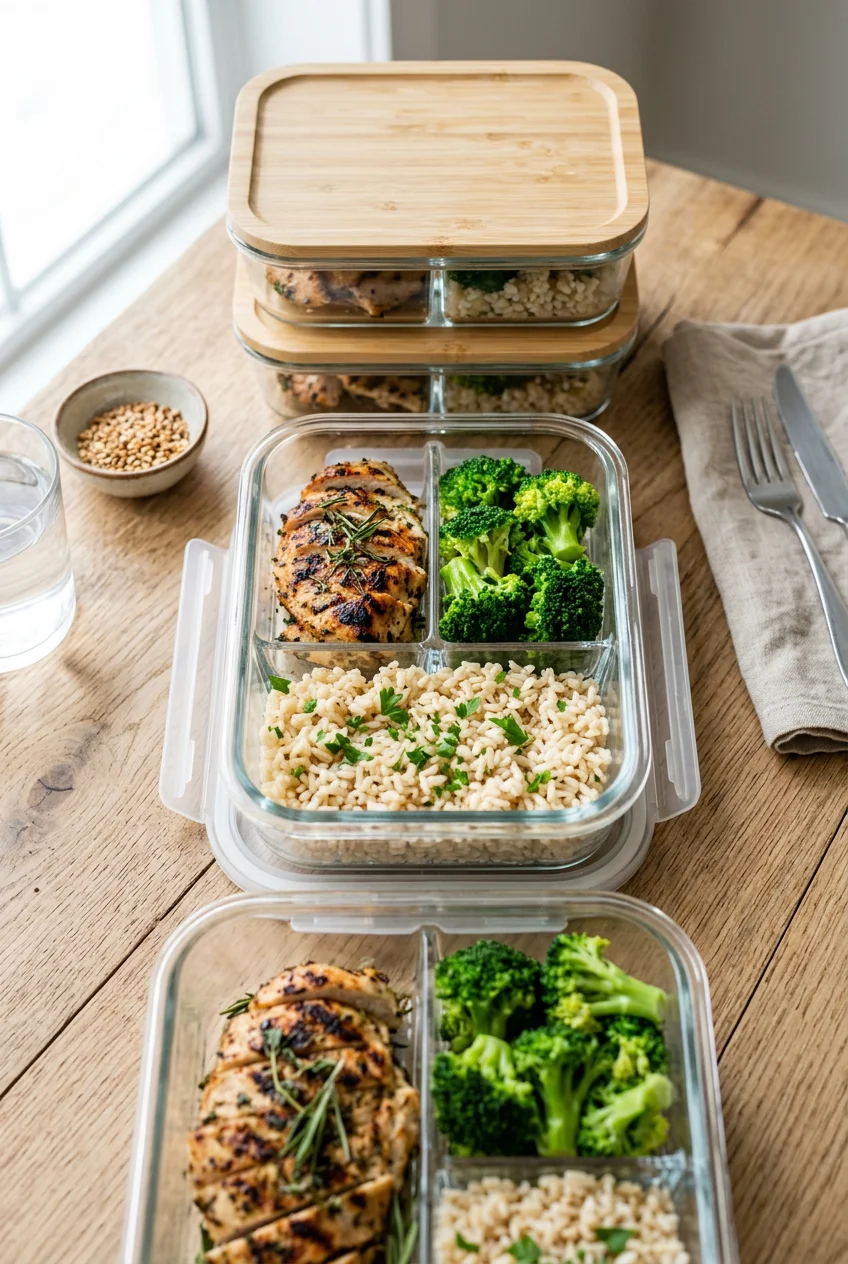
I switched to heavy-duty glass containers with locking silicone lids. The brand I use now is a set of 250ml glass bowls from Target ($24.99 for five). They hold exactly 250g of food, which is perfect for my cutting macros. The glass doesn’t absorb the smell of old garlic or curry like plastic does. There is a big push right now toward sustainable packaging for commercial meal prep companies. I ordered a 7-meal kit from Liv Up for R$220.80 just to test their delivery, and I noticed the industry is moving toward 100% biodegradable paper packaging. It’s definitely the standard for 2026, and they even use compostable bags. But for home prep, thick glass with a silicone seal is the only way I avoid freezer burn. The latching lids mean I can toss the bowl into my gym bag without worrying about a chicken juice leak ruining my lifting belt. Glass is heavier to carry, but the trade-off in food safety and taste is worth the extra weight in my backpack. You might also like: 20 Creative Men Home Workout Ideas You’ll Want to Bookmark

Redify Weighted Jump Rope for Workout Fitness(1LB)
Redify Weighted Jump Rope for Workout Fitness(1LB) has been one of the most consistently praised picks in this category. 35 reviewers averaged 4.5/5.
4. Dial In Your Macros Before You Freeze

A random container of rice and meat isn’t a fitness meal. You need exact numbers to see actual progress. I see guys at my gym eating tiny 300-calorie frozen meals wondering why they aren’t putting on size. If you’re building muscle, your container needs a minimum of 20 to 30 grams of protein. I weigh everything raw on a digital kitchen scale I picked up at Sprouts for $14.99. My standard muscle-building box gets exactly 6 oz of raw chicken breast, 1 full cup of jasmine rice, and 1/2 cup of green beans. That hits my protein goal perfectly and gives me enough carbs to train hard. You might also like: 8 Gym Story Instagram for Every Budget
If you’re cutting, you adjust the carb source while keeping the protein high. I tested a few low-carb options from a company called Popeat. They charge around R$35 a meal. They swap heavy rice for cauliflower mash or roasted spaghetti squash. It keeps the physical volume of the food high but drops the overall carbs. The mistake I made early on was eyeballing my portions. I’d put 4 oz of chicken in one box and 8 oz in another. By Friday, I was starving after eating the small box and ended up buying a $12 burrito from a food truck. Weigh the food. Write the macros on a piece of masking tape and stick it to the lid. You won’t guess later. Knowing exactly what you’re eating takes the emotion out of dieting. You might also like: 10 Gym Motivation Wallpapers for Every Budget
5. The Slow Thaw Saves Your Texture

Microwaving a solid brick of frozen rice is a guaranteed way to ruin your lunch. The edges turn to hard, dry little rocks while the center stays freezing cold. I spent a full year eating meals with a frozen core before I learned to thaw them properly. You have to move your meal from the freezer to the fridge the night before you plan to eat it.
I set a daily alarm on my phone for 8 PM. That’s my cue to grab tomorrow’s lunch and put it on the bottom shelf of the fridge. A slow 12-hour thaw brings the food back to a normal temperature gently. When you finally microwave it, it heats evenly in two minutes instead of six long minutes on high power. I tried a pre-made meal from Greentable last month (it cost me about R$28). I microwaved it straight from frozen just to test their package instructions. The chicken dried out instantly and tasted like chalk. The next day, I let the second meal thaw in the fridge overnight. The difference in texture was massive. The chicken actually retained its moisture and the sauce didn’t separate. Don’t rush the heating process. Let the fridge do the heavy lifting while you sleep. If you forget to take it out, use the defrost setting on your microwave for five minutes before hitting it with full power. It takes longer, but your meat won’t turn into rubber.
6. Cut the Salt, Heavy Up the Herbs

Freezing does weird, unpredictable things to sodium levels. I prepped a massive batch of taco beef last summer. I salted it exactly how I normally eat it fresh out of the pan. Two days later, I reheated a portion at work. It was so incredibly salty it burned my tongue and made my lips sting. I ended up throwing the entire bowl away and buying a $14 bagged salad at Kroger. Freezing and reheating concentrates the salt flavor as the moisture evaporates in the microwave.
You need to under-salt your food before it goes into the freezer. I use about half a teaspoon of kosher salt for an entire pound of ground beef now. To make up for the missing salt, I lean heavily on fresh herbs and strong spices. Nutritionist Brena Filgueiras talks about this a lot with healthy meal prep companies. You want to use smoked paprika, ground cumin, garlic powder, and fresh rosemary. I buy giant glass bottles of smoked paprika at Trader Joe’s for $2.99. I coat my sweet potatoes in it before roasting them in the oven. When you reheat the meal, the spices bloom again in the microwave and smell incredible. You can always add a pinch of flaky sea salt right before you eat it at your desk, but you can’t take it out once it’s frozen into the meat. Rely on acid like a squeeze of fresh lemon juice after heating to wake the flavors up.

Jump Rope, Tangle-Free Rapid Speed Jumping Rope Cable with
A dependable everyday pick — Jump Rope pulls in 242 ratings at 4.5 stars. Not flashy, just solid.
7. Fat Quality Matters for Reheating

You have to be extremely careful with the type of fat you use in your prep. Animal fats get weird and grainy in the freezer. I used to cook my cheap cuts of steak in heavy butter. When I froze it, the butter separated and formed these gross, hard yellow clumps on top of the meat. When I reheated it, the meal felt incredibly greasy and left a waxy film on the roof of my mouth.
I switched strictly to extra virgin olive oil for anything going into the freezer. Companies like Lets Fit do this perfectly. They build meals with lean meats and use quality olive oil for the main fat source. Their meals average around R$25, and you never get that greasy, heavy feeling after eating them. I buy a large bottle of California Olive Ranch oil at Target for $16.49. I use exactly 1 tablespoon to roast a large tray of vegetables. The olive oil freezes solid in the cold, but when it melts in the microwave, it coats the food perfectly without separating into a watery mess. Skip the cheap vegetable oils, canola oil, and heavy butter. They coat your tongue in a weird slick film after being frozen for a week. Lean meat paired with high-quality olive oil is the only combination that survives the microwave test and actually tastes fresh.
8. Finding the Right Pre-Made Marmitas Fitness Congeladas

Sometimes I just don’t have the time or energy to cook on a Sunday. When my schedule gets crazy, I buy pre-made marmitas fitness congeladas to keep me out of the fast-food drive-thru. The market is huge right now, and you aren’t stuck with bland, unseasoned chicken and white rice anymore. I look for companies that cater to specific macros and dietary needs. A brand called Kük has over 100 different menu options available.
They have gluten-free and vegan meals that actually taste like real, cooked food instead of processed mush. I keep a few of their R$32 meals stacked in the back of my freezer for emergencies when I work late. If you want entirely organic ingredients, 2 Marias Orgânicos sells a massive 14-meal kit for R$914.63. That’s a premium price tag, but the quality of the grass-fed beef is noticeably better than standard grocery store meat. The trick with buying pre-made is reading the back labels carefully. I always check the fine print for hidden sugars in the sauces. I bought a teriyaki salmon bowl at Whole Foods once for $11.99. It looked incredibly healthy on the front, but the back label showed 15 grams of added sugar in the glaze. Always check the nutrition facts panel. A good frozen fitness meal should have a short ingredient list with items you actually recognize and keep in your own pantry.
9. Label Everything or Regret It Later

I have a terrible habit of throwing unmarked glass containers into my freezer drawer and assuming I’ll remember exactly what they are. Last November, I pulled out what I thought was a container of spicy turkey chili. I heated it up in the breakroom at the gym. It turned out to be a three-month-old batch of pureed pumpkin I saved from Thanksgiving pie prep. It was absolutely disgusting to eat when I was expecting meat. No exaggeration.
You have to label your food immediately. I use a black sharpie and a roll of blue painter’s tape I bought at Home Depot for $4.98. Every single box gets three crucial pieces of information written on the lid. The date I cooked it, the exact protein source, and the total calories. If it doesn’t have a label, it doesn’t go in the freezer. Pre-made companies are required by law to print the expiration date and full nutritional breakdown on the cardboard box. You need to treat your home prep with the exact same strict rules. Food doesn’t last forever in the deep freeze. After about two months, chicken starts to get severe freezer burn and tastes like stale, cold air. A clear tape label takes five seconds to write, and it saves you from eating mystery meat that ruins your afternoon. It also helps you track your macros quickly when you’re rushing out the door at 6 AM.
I’ve learned that getting your meal prep right takes a few frustrating tries. I ate a lot of soggy broccoli and painfully dry chicken before I figured out the exact timing and temperatures required. But once you lock in your freezer system, it completely fixes your week. You stop stressing about what to eat for lunch. You stop blowing $15 a day on mediocre salads that leave you hungry two hours later. You just grab a glass container, let it thaw overnight, and hit your protein macros perfectly. Try the al dente vegetable trick this Sunday. I promise it makes a massive difference in the texture of your greens. If you found this breakdown helpful, save it or pin it for your next Sunday meal prep session.

Elite Jumps Adjustable Jump Rope
Elite Jumps Adjustable Jump Rope – 6mm PVC Training Rope for Fitness & has been one of the most consistently praised picks in this category. 1 reviewers averaged 4.5/5.
Frequently Asked Questions
How long do marmitas fitness congeladas last in the freezer?
They generally stay fresh for up to two months. After that, the meat starts to develop freezer burn and loses its texture. Always label your containers with the exact date you cooked the food.
Can I freeze raw salads in my marmitas fitness congeladas?
No. Raw vegetables like lettuce, cucumber, and fresh tomatoes hold too much water. When they freeze and thaw, they turn into a soggy, wet mess. Add fresh greens only after you reheat the main meal.
What are the best containers for marmitas fitness congeladas?
Heavy-duty glass containers with locking silicone lids are the best option. They prevent freezer burn, do not absorb odors like cheap plastic, and are completely safe to heat to high temperatures in the microwave.
How do I reheat marmitas fitness congeladas without drying out the meat?
The safest method is moving the container to the fridge 12 hours before you eat. A slow thaw prevents the microwave from overcooking the edges of your meat while the center remains frozen solid.
