
What’s Inside
- Nail Your Dynamic Warm-up Before Lifting
- Master Progressive Overload in Your Workout Gym Routine
- Dial In Your Rep Ranges for Specific Goals
- Fuel Up With Quality Pre-Workout
- Prioritize Protein Timing and Distribution
- Commit to Consistent Creatine Intake
- Embrace Wearable Tech for Recovery
- Try AI-Powered Apps for Your Workout Gym Routine
- Mix It Up With Hybrid Training
- Train Your Brain With Neuro-Fitness
- Don’t Skip Post-Workout Mobility and Sleep
I spent my first year lifting weights doing random bicep curls until my arms cramped, fueled by a $2.99 gas station energy drink that tasted like battery acid. That chaotic approach is exactly why you need a structured gym routine if you actually want results. I’m Ryan. I’ve made every mistake in the book so you don’t have to. I remember standing in the supplement aisle at Sprouts last Tuesday, watching a guy blindly buy $150 worth of random powders. I wanted to shake him. You don’t need magic pills. You need a plan. When I started, I had zero clue what I was doing. I’d wander around the weight room, pick up whatever 15-pound dumbbells were free, and guess. My joints ached. My progress stalled after two months. I finally realized that throwing random exercises at the wall isn’t a strategy. You need metrics, real fuel, and a routine that scales. Here is how I structure my sessions now, down to the exact grams and dollar amounts. Let’s get into it.
1. Nail Your Dynamic Warm-up Before Lifting

I used to skip warm-ups. I’d walk from my car into the squat rack, load 135 pounds, and drop into a deep squat. The sound of my knees popping like bubble wrap was loud enough to turn heads. I tried this wrong for months before figuring it out. You can’t just jump into heavy sets cold. Dedicate 5 to 10 minutes to dynamic stretches before you touch a weight. I swear by PVC pipe pass-throughs. Grab a 60-inch PVC pipe (about $4.50 at any hardware store) and keep your arms straight while bringing it over your head to your lower back. Do 15 reps. Then move into lateral walking lunges to open up tight hips. India McPeak, a respected strength coach, preaches that daily mobility is non-negotiable. She’s right. I also grab a $12.99 foam roller from Target and spend two minutes rolling out my calves. The texture of those dense ridges digging into muscle hurts in the best way. This isn’t just about feeling loose. It’s about lubricating your joints so you don’t snap a tendon when you load the barbell. Don’t skip this.
2. Master Progressive Overload in Your Workout Gym Routine

If you take nothing else away, remember this rule. To stimulate growth, you have to gradually increase the stress on your muscles. This is the core of any effective routine. You can’t just lift the same scuffed 20kg dumbbell for 10 reps every week and expect your chest to grow. I see guys doing this all the time. They look exactly the same year after year. Here is how you fix it. If you complete 10 reps with a 20kg dumbbell this week, your goal for next Tuesday is 11 reps. Or, you step up to the 22.5kg dumbbells and try for 8. It’s that simple. I track every number in a $1.50 spiral notebook from Walmart. The smell of sweat and chalk reminds me to check my previous numbers before I unrack the bar. But here is a warning. Avoid the “too much, too soon” mistake. I tried adding 20 pounds to my bench press in a single week once. I nearly dropped the bar on my windpipe. Start with 3 to 4 structured workouts per week. Let your central nervous system adapt. Focus on form with lighter weights before you chase heavy loads.
3. Dial In Your Rep Ranges for Specific Goals

Most people get this wrong. I used to do 20 reps of everything because I thought the burning meant the muscle was growing. Nope. I was just building endurance and wasting time. You have to tailor your reps based on your fitness objectives. If you want maximal, raw strength, focus on 3 to 6 reps per set. You should be lifting at 85 to 90 percent of your one-rep max. The weight should feel heavy, and your rest periods need to be long. If your goal is hypertrophy, the range shifts to 8 to 12 reps at 70 to 80 percent of your max. I split my week up. Mondays and Tuesdays are heavy strength days. Thursdays and Fridays are higher-rep hypertrophy days. This keeps my joints from screaming while forcing my muscles to adapt. I’ll grab a $1.99 black coffee from Kroger on the way to the gym on heavy days for a kick. The bitter taste wakes me up better than anything. Pick your goal, calculate your percentages, and stick to the math. Don’t guess based on how tired you feel. You might also like: 15 Beautiful Photoshoot Home Workout Ideas to Steal Right Now
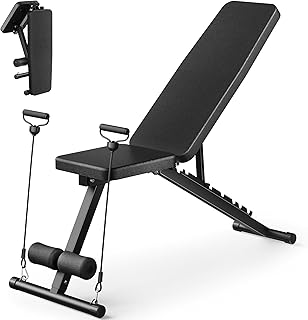
Adjustable Weight Bench for Home Gym
Honestly, Adjustable Weight Bench for Home Gym surprised me — sturdier than it looks in the photos, and over 551 buyers gave it 4.5 stars.
4. Fuel Up With Quality Pre-Workout

Let’s talk supplements. Skip the cheap, neon-colored powders in discount bins. I bought a tub of generic pre-workout for $9.99 once. It tasted like wet cardboard and artificial lime. Worse, it gave me the jitters for six hours and made my skin itch. Never again. If you need an energy boost, you need a third-party tested product with clinical dosages. I use Transparent Labs BULK Pre-Workout. It costs $50 for a 30-serving tub. Yes, it’s pricey. But it works. It contains 8 solid grams of L-citrulline for blood flow and 4 grams of beta-alanine for endurance. I mix 1 scoop (about 15 grams) into 8 ounces of ice-cold water. I drink it 20 minutes before I touch a weight. The sour green apple flavor is refreshing. You don’t need a pre-workout to succeed. A lot of days I rely on good sleep and food. But on those gloomy Tuesday mornings when my bed feels like a magnet, a scoop of BULK is the only thing that gets me moving. Don’t cheap out on what you ingest. You might also like: 15 Brilliant Dark Basements Home Gym Setup Ideas Worth Trying This Year
5. Prioritize Protein Timing and Distribution


We know protein builds muscle. But timing matters more than I thought. I used to eat 80 grams of protein in one sitting before bed. I’d feel bloated, sweaty, and miserable. My stomach sounded like a washing machine. You need to aim for 1.6 to 2.2 grams per kilogram of body weight. For a 75 kg guy like me, that’s 120 to 165 grams daily. But here is the secret. Distribute it. Studies show that consuming 15 to 30 grams of protein per meal, spread across 3 to 5 meals, helps your body metabolize it for repair. I buy bulk packs of organic chicken breast at Costco for about $3.49 a pound. Every Sunday, I grill it all. A standard serving is 4 ounces of chicken, which nets me about 25 grams of protein. I’ll pair that with 1/2 cup of jasmine rice. For snacks, I grab Greek yogurt from Trader Joe’s. I mix 3/4 cup of yogurt with 1 tablespoon of honey. It’s cheap, tastes amazing, and hits that 20-gram protein window. Stop cramming your meat into one meal. Your digestion will thank you. You might also like: 20 Gorgeous Easy Home Workout Ideas That Actually Work
6. Commit to Consistent Creatine Intake

Creatine is the most researched supplement on the planet. Yet, people still mess it up. I did. I tried the old-school loading phase where you take 20 to 25 grams per day. I spent three days locked in my bathroom with stomach cramps. You don’t need to do that. Just supplement with 3 to 5 grams of Creatine Monohydrate daily. It maintains saturated muscle stores for strength. I buy Optimum Nutrition Micronized Creatine Powder. A 300-gram tub costs $20 to $30 and lasts for months. The unflavored powder looks like fine sand. I drop one 5-gram teaspoon into 12 ounces of water. Honestly, if you don’t stir it, you get a gritty texture at the bottom that makes me gag. Stir it well. Take it every single day. Even on rest days. The timing doesn’t matter. Just get it in your system. Within two weeks, you’ll notice muscles look fuller and you can squeeze out an extra rep or two. It pulls water into the cells. It’s cheap, safe, and it works.

NICEPEOPLE Adjustable Weight Bench for Home Gym
A dependable everyday pick — NICEPEOPLE Adjustable Weight Bench for Home Gym pulls in 33 ratings at 4.5 stars. Not flashy, just solid.
7. Embrace Wearable Tech for Recovery

I used to think fitness trackers were expensive bracelets for nerds. I relied on how I felt to dictate intensity. That was a mistake. I’d push through heavy squats when my central nervous system was fried, wondering why my back ached for a week. Now, I rely on data. The American College of Sports Medicine identified wearable tech as a trend for 2026. These devices go beyond counting steps. I wear an Oura Ring (the Heritage model starts around $299). It tracks sleep quality, body temperature, and heart rate variability. If my HRV is in the gutter on a Wednesday, I skip heavy deadlifts and do light cardio instead. It’s changed my recovery game. If you prefer a smartwatch, the Apple Watch Ultra 2 (starting around $799) is incredible for tracking specific metrics and heart rate zones. Waking up to a gentle buzz on my wrist instead of a blaring alarm clock is a nice bonus. The data doesn’t lie. If your sleep score is a 45 out of 100, your body isn’t repairing tissue. Listen to the tech.
8. Try AI-Powered Apps for Your Workout Gym Routine

If you can’t afford a human coach, AI is your next best option. A few years ago, I paid a guy $150 a month for a PDF spreadsheet he clearly copy-pasted for everyone. It was infuriating. Now, AI-driven fitness apps are taking over in 2026. These platforms cost $10 to $30 per month and offer personalized, adaptive plans. They analyze your performance in real-time. If you log 4 reps on your bench press instead of 6, the algorithm adjusts your next set to optimize results and prevent injury. It’s fascinating. I’ve been testing an app called Fitbod for three months. I love the clean, dark-mode interface. However, if you’re a complete beginner, you might want a human touch first. The national average for an in-person trainer is $55 per hour. Investing in three or four sessions to have a professional correct your posture is worth every penny. Once you know how to hinge at the hips without rounding your back, you can hand the programming over to the AI.
9. Mix It Up With Hybrid Training

For years, I refused to do cardio. I was terrified of losing muscle mass. I was strong, but I’d lose my breath walking up two flights of stairs. It was embarrassing. That’s when I embraced hybrid training. Combining heavy strength training with intense cardio is the smartest way to build a functional body. I dedicate two days a week to high-intensity interval training or indoor cycling. The feeling of heavy breathing on a stationary bike is a different kind of pain than a heavy squat. It builds mental toughness. I usually follow a 45-minute cycling session with a massive recovery meal. I’ll swing by Whole Foods and grab a $4.99 organic green smoothie. The cold, thick texture of blended spinach and mango brings my core temperature down. Hybrid training promotes well-rounded athleticism. It keeps your heart healthy while your muscles grow. Plus, it prevents training plateaus. When you shock your body with a different stimulus, it has to adapt. Don’t be the guy who can bench 300 pounds but can’t jog a single mile.

FitinOne Adjustable Folding Weight Bench for Home Gym
If you want something that just works, FitinOne Adjustable Folding Weight Bench for Home Gym is a safe bet (774 reviews, 4.5 stars).
10. Train Your Brain With Neuro-Fitness

This sounds ridiculous, but stick with me. Neuro-fitness is a big trend for 2026. It involves combining physical exercises with cognitive tasks. I heard about this from a physical therapist after a minor shoulder tweak. The idea is to train your central nervous system to react faster while under fatigue. I started doing coordination drills paired with reaction games. I’d stand in my driveway doing lateral shuffles while bouncing a neon yellow tennis ball against my wall, trying to catch it with alternating hands. I looked like an idiot. My neighbors judged me. But after three weeks of doing this for 10 minutes a day, my spatial awareness in the gym skyrocketed. I felt more balanced during heavy lunges. I was more locked in during complex movements. You can also link endurance training with memory challenges. Try doing a one-minute wall sit while reciting the alphabet backward. It forces your brain to focus on a task while your quads are screaming. It builds mental resilience. Physical performance isn’t just about muscle fibers. It’s about how efficiently your brain sends signals.
11. Don’t Skip Post-Workout Mobility and Sleep

Muscle growth happens in your bed, not on the gym floor. You tear fibers during your workout, but they only repair and grow when you’re resting. I used to sleep five hours a night, chug espresso, and wonder why my shoulders ached. You need 7 to 9 hours of quality sleep every night. Period. You also need to integrate static stretching into your cool-down. I spend 10 minutes after every workout sitting on a mat, stretching my hamstrings and hip flexors. To accelerate recovery, I bit the bullet and bought a Theragun Pro percussion massager. It retails for $499 to $599. It’s expensive. But the targeted relief is incredible. I bought a $40 knockoff at Target a few years ago. It sounded like a dying lawnmower and the battery died after two weeks. The Theragun sounds like a smooth, powerful jackhammer. I use the dampener attachment on my quads for two minutes per leg. The rapid thumping breaks up lactic acid and eliminates delayed onset muscle soreness. Schedule at least one full rest day per week. Let your body heal.
Building a physique takes time, patience, and trial and error. I’ve wasted years doing the wrong things, eating the wrong foods, and buying terrible gear. If you implement these eleven strategies, you’ll bypass all the frustrating plateaus I hit. Stick to the basics, track your numbers, and prioritize recovery above everything else. I promise you’ll see a massive difference in how you look and feel within three months. If this guide helped you sort out your routine, pin this article to your fitness board on Pinterest so you can reference these numbers later. Now get to work.
Frequently Asked Questions
How many days a week should I do my workout gym routine?
I recommend starting with 3 to 4 structured workouts per week. This allows your central nervous system to adapt and gives your muscles adequate time to recover and grow between heavy sessions.
What is progressive overload in a workout gym routine?
Progressive overload means gradually increasing the stress on your muscles over time. You do this by slightly increasing the weight you lift, adding more repetitions, or improving your range of motion each week.
How much protein do I need for my workout gym routine?
Aim for 1.6 to 2.2 grams of protein per kilogram of body weight daily. For best results, distribute this evenly by consuming 15 to 30 grams of protein across 3 to 5 meals.
Do I really need a pre-workout supplement?
You don’t absolutely need one, but a high-quality pre-workout can provide a helpful energy boost. Look for third-party tested products with clinical doses of L-citrulline and beta-alanine rather than cheap stimulant blends.
