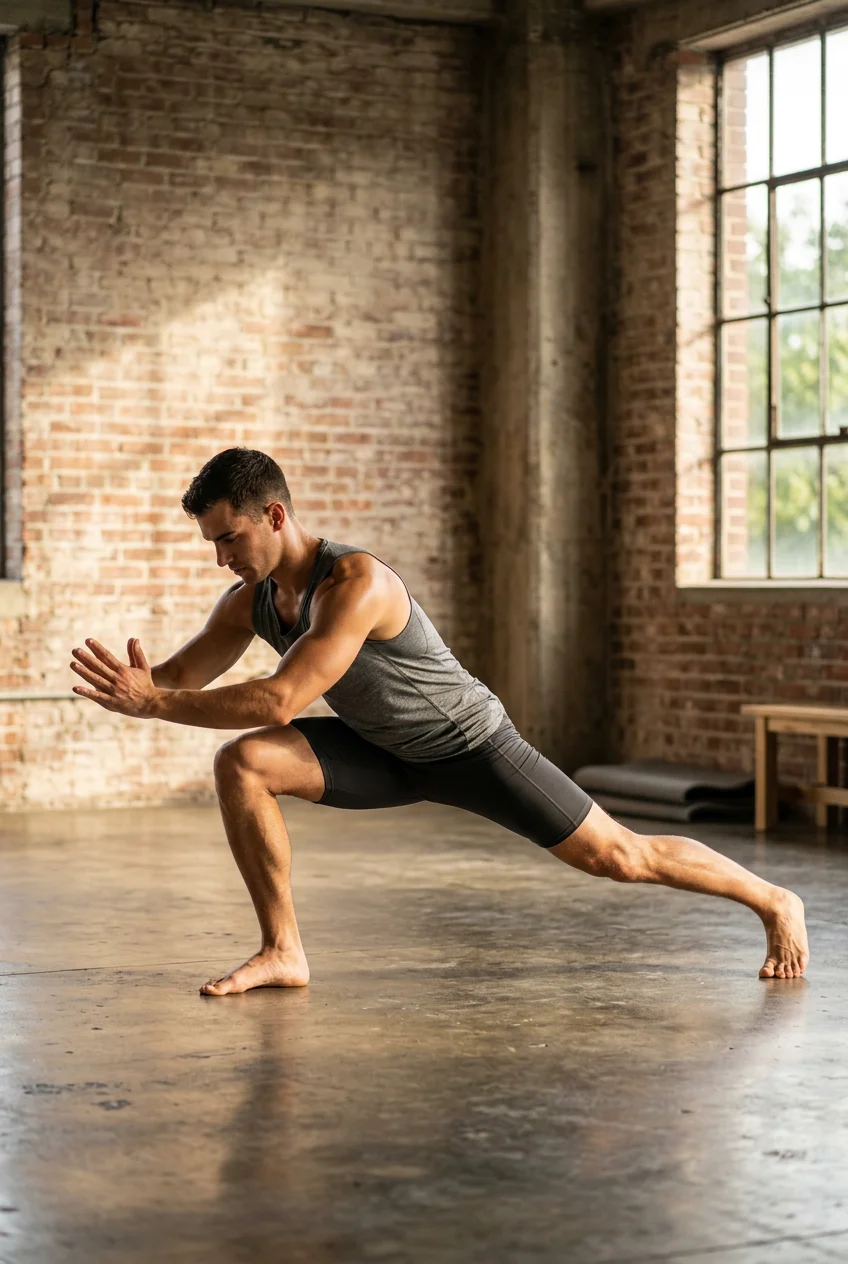
What’s Inside
- Always Warm Up First (The Golden Rule for a Full Body Stretching Routine)
- Differentiate Between Dynamic and Static Stretching
- Optimize Static Stretch Hold Times
- Prioritize Consistent Frequency Over Marathon Sessions
- Avoid Ballistic Stretching (Stop Bouncing)
- Utilize Foam Rollers for Myofascial Release
- Incorporate Active Isolated Stretching (AIS)
- Explore PNF Stretching for Fast Gains
- PT-Recommended Posture Fixes and Lymphatic Drainage
- Breathe Deeply and Consciously (Don’t Hold Your Breath)
- Gear Up with Stretching Straps for a Full Body Stretching Routine
Last Tuesday, standing under the bright lights at Target, I dropped my keys near the checkout. I bent down to grab them and my right hamstring screamed in protest; it felt like a rusty guitar string snapping. That embarrassing moment reminded me why a real full body stretching routine isn’t just for gymnasts. I’m a fitness trainer, and I still get lazy with my mobility. I tried ignoring my joint health for months before figuring it out the hard way. Stiff joints and tight muscles sneak up on you fast. You can’t just lift heavy and ignore the recovery. Today, I’m sharing the exact methods I use to stay limber and pain-free. Let’s fix those tight muscles. Skip the generic advice because it’s time to get specific about your flexibility. No exaggeration.
1. Always Warm Up First (The Golden Rule for a Full Body Stretching Routine)

Stretching cold muscles is like stretching a rubber band you just pulled out of the freezer. It snaps. I learned this the hard way at a freezing garage gym back in 2018. I tried a deep runner’s lunge without warming up and pulled a groin muscle instantly. The tearing pain was awful and sidelined me for weeks. Now, I always do 5-10 minutes of light cardio first. You need to raise your body temperature and increase blood flow before you demand your muscle fibers to lengthen. I usually grab my Rogue Fitness SR-1 Speed Rope ($17.50) and skip on the concrete for five minutes. The rhythmic sound of the cable whipping the ground gets my heart rate up. If you hate jumping rope, a brisk walk works fine. Just get a light sweat going. I’ll sometimes drink 4 oz of hot black coffee before this to wake up my nervous system. Don’t touch your toes until your muscles feel warm to the touch. It’s a non-negotiable step. Skipping the warm-up is the fastest way to end up on a physical therapist’s table.
2. Differentiate Between Dynamic and Static Stretching

Most people get this wrong. They walk into the gym, sit on the cold floor, and hold a static hamstring stretch for a minute before lifting. I did this for years. It’s terrible for your power output. Dynamic stretches are controlled movements through a full range of motion. Think high leg swings or large arm circles. Do these before your workout to prep the joints. Save the static stretches for after. Last month, I bought a tub of C4 Pre-Workout at Walmart for $24.99. I drank 8 oz of the metallic-tasting liquid, did 10 minutes of dynamic walking lunges, and felt incredible during my heavy squats. Static stretching beforehand puts your muscles to sleep. You’re telling the muscle fibers to relax right when you need them to fire. Save the long, agonizing static holds for when you’re cooling down and smelling like sweat. Your central nervous system will thank you for the distinction. It took me years to figure that out.
3. Optimize Static Stretch Hold Times

When you get to the static holds, timing matters. A quick five-second hold does nothing for your tissue. You need 15 to 30 seconds for real flexibility gains. This duration allows the muscle fibers to relax without triggering the reflex that makes them snap back. For stubborn areas like tight calves, or if you’re getting older, hold for up to 60 seconds. I aim for 60 seconds per major muscle group, broken into 3 sets of 20 seconds so I don’t lose my mind. I wear a cheap, black Casio F91W watch I bought at Target for $14.99 just to track these holds. Don’t guess. Counting in your head always speeds up when the stretch starts to hurt. Last Friday, I held a deep couch stretch for 60 seconds per leg. The intense burning sensation faded into a dull, manageable pull. That’s the sweet spot. You might also like: 15 Creative Inside She Sheds Home Gym Setup Ideas to Steal Right Now

ProsourceFit High Density Foam Rollers 12 – inches long
ProsourceFit High Density Foam Rollers 12 – inches long punches above its price — 203 buyers rated it 4.5 stars. I would buy it again.
4. Prioritize Consistent Frequency Over Marathon Sessions

Stretching for two hours on a Sunday won’t fix poor mobility. You need at least 2-3 days per week to see physical changes. Honestly, doing 10 minutes every day is the best approach. I used to do one massive flexibility day a week. It left my joints sore and didn’t improve my range of motion at all. Now, I stretch while watching TV. The hum of the screen keeps me distracted from the discomfort. I lay out my heavy Manduka PRO mat ($129, but the 6mm foam saves my knees on hardwood) and spend 15 minutes moving through poses. Even short daily sessions lubricate your joints and prevent the fascia from stiffening overnight. I keep a 32 oz Nalgene bottle next to me and take gulps of water between stretches. Consistency beats intensity. You can’t cram for a flexibility test. Your body responds best to daily, gentle reminders to stay loose. You might also like: 15 Brilliant Dark Basements Home Gym Setup Ideas Worth Trying This Year
5. Avoid Ballistic Stretching (Stop Bouncing)

Never bounce into a stretch. This motion triggers the body’s protective reflex. It causes the muscle to tighten defensively and increases your risk of tearing something. I constantly see guys at the gym violently bouncing to touch their toes. It makes my skin crawl. You should ease into the stretch until you feel a pull, not sharp pain. I made this bouncing mistake at Sprouts last year. I was reaching for a heavy glass jar of raw almond butter ($7.99) on the top shelf. I bounced onto my tiptoes and jerked my arm up. The jar almost slipped, and I strained my lat instantly. The pain was sharp, annoying, and lingered for three weeks. Move slowly. If you have to bounce to reach a position, you aren’t ready for it yet. Respect your limits and let gravity do the work. You might also like: 20 Gorgeous Easy Home Workout Ideas That Actually Work
6. Utilize Foam Rollers for Myofascial Release

Foam rolling is a must for any serious recovery routine. I swear by the TriggerPoint GRID 13-Inch Foam Roller. It costs around $35-40 and features multi-density zones that mimic a massage therapist’s hands. The flat parts feel like palms, and the tubular parts feel like fingers. I use it to iron out the tight fascia on my quads. If you need deeper work, look into the RumbleRoller Basic Bumpy. It runs between $45-70. It has aggressive, thumb-like nodules that dig into trigger points. The first time I used it on my IT band, I almost cried. It feels like a dozen wooden thumbs digging into bruised skin. I roll out my leg muscles for 5 minutes after every squat day. It hurts, but the release of tension afterward is incredible. It’s the best money you’ll spend on recovery.

ProsourceFit High Density Foam Rollers 18 – inches long
If you want something that just works, ProsourceFit High Density Foam Rollers 18 – inches long is a safe bet (203 reviews, 4.5 stars).
7. Incorporate Active Isolated Stretching (AIS)

This technique is trending for 2026, and for good reason. Active Isolated Stretching, or the Mattes Method, involves holding a stretch for two seconds. You then release the tension and repeat for 8-10 reps. This bypasses the stretch reflex entirely. It works with your nervous system to increase blood flow without causing defensive tightening. I tried this on my tight hamstrings last week. I lay flat on my back, used a nylon rope to pull my right leg up until I felt tension, held for two seconds, and lowered it back to the floor. After 10 reps, my leg went 4 inches further toward my head. It felt like magic. I usually drink a cold, sparkling Celsius ($2.99 at Whole Foods) before an AIS session for a caffeine kick. It requires focus, but the immediate gains are insane.
8. Explore PNF Stretching for Fast Gains

Proprioceptive Neuromuscular Facilitation sounds like a medical textbook term, but it’s simple. It involves a contract-relax sequence. You forcefully contract the muscle you’re stretching for 5-10 seconds against resistance, then relax and stretch deeper. I do this with my chest. I stand in a doorway, press my forearms into the frame as hard as I can for 10 seconds, then relax and lean forward to stretch the pecs. The difference in depth is shocking. PNF tricks your nervous system into allowing a deeper range of motion. I used to buy expensive massage guns at Costco (like a $99 Theragun mini) to loosen my chest. PNF works better and costs nothing. It builds strength at extreme end ranges, which prevents injuries when you’re lifting heavy.
9. PT-Recommended Posture Fixes and Lymphatic Drainage

Don’t just stretch the painful spots. A physical therapist taught me moves to fix bad posture. The Figure 4 stretch for the hips and lower back is incredible for undoing hours of sitting. I pair it with the kneeling Cat-Cow stretch for spinal flexibility. I also do the Standing Doorway Pectoral Stretch, holding it for 30-60 seconds to open my shoulders. You also need lymphatic drainage stretches. Gentle, sweeping movements stimulate fluid flow, reducing swelling and aiding detoxification. I do 6-10 slow neck rolls in each direction, followed by shoulder circles. It feels amazing on stiff joints. Last month, I was feeling bloated after a long flight. I drank 16 oz of cold Crystal Geyser water ($1.29 at Kroger) and did 10 minutes of these gentle movements. The stiffness in my neck vanished, and I felt lighter.
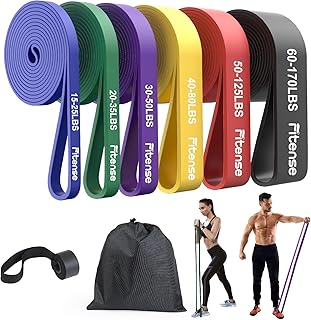
Fitense Resistance Bands Set – Pull Up Bands for Men Women
Honestly, Fitense Resistance Bands Set – Pull Up Bands for Men Women surprised me — sturdier than it looks in the photos, and over 16 buyers gave it 4.5 stars.
10. Breathe Deeply and Consciously (Don’t Hold Your Breath)

Most people hold their breath when a stretch gets uncomfortable. You grimace, tense your jaw, and stop breathing. This sends a panic signal to your brain, causing your muscles to lock up. You’re fighting your own body. I used to do this during pigeon pose. My hips are tight from running on pavement. I’d hold my breath and pray for the timer to end. Now, I focus on breathing through my nose. I inhale for 4 seconds, and exhale for 6 seconds as I sink deeper into the stretch. The slow exhale tells your nervous system you’re safe. It forces the muscle tissue to relax. I rub a drop of peppermint essential oil ($6.99 at Kroger) under my nose before stretching. The cooling scent opens my nasal airways and makes rhythmic breathing easier.
11. Gear Up with Stretching Straps for a Full Body Stretching Routine

You don’t need a gym bag full of gear, but a stretching strap is essential. I use simple, durable straps from Gaiam or Everlast. They cost between $10-25. These straps have loops that let you safely pull your limbs into deeper positions without straining your lower back. They are perfect for isolating hamstrings, calves, and shoulders. I bought a green Gaiam strap on Amazon for $14.98. The rough nylon texture gives you a slip-free grip even when your hands are sweaty. I use it for the “Origami stretch,” crossing one leg over the other while lying flat and pulling my knees to my chest. I also use it for a reverse tabletop stretch to loosen the soles of my feet. After a session, I reward myself with 1/2 cup of Dried Mango from Trader Joe’s ($3.99). It’s the perfect finish to a brutal routine.
Mobility isn’t glamorous, but it keeps you in the game. Stop ignoring your tight joints and start treating your recovery with the same respect you give your heavy lifts. I’ve learned the hard way that a stiff body is a fragile body. Try implementing just a few of these techniques this week. Your joints will feel better. If you found this breakdown helpful, pin this article to your fitness boards so you can reference these hold times and methods later.
Frequently Asked Questions
How often should I do a full body stretching routine?
You need to stretch a minimum of 2-3 days per week to see actual changes in your mobility. However, doing 10 to 15 minutes of light stretching every single day is the best approach for long-term joint health and preventing stiffness.
Should I stretch before or after I lift weights?
Always do dynamic stretches, like leg swings, before your workout to prepare your joints. Save static stretching, where you hold a pose for 30 seconds, for after your workout. Static stretching cold muscles ruins your power output and increases injury risk.
Why does my muscle shake when I stretch it?
Shaking usually means you’re pushing the muscle too far into a protective stretch reflex. Your nervous system is fighting the movement. Ease up slightly until the shaking stops. You want a gentle, manageable pull, not a violent, painful struggle.
How long should I hold a static stretch?
For general flexibility, hold each static stretch for 15 to 30 seconds. If you have extremely stubborn areas or tight fascia, aim for up to 60 seconds. I recommend breaking this down into three manageable sets of 20 seconds each.
